

Top 5 Craziest Baseball Stadium Food Items in 2026
What are the craziest baseball stadium food items available in 2026? The Food Institute digs in to find out.
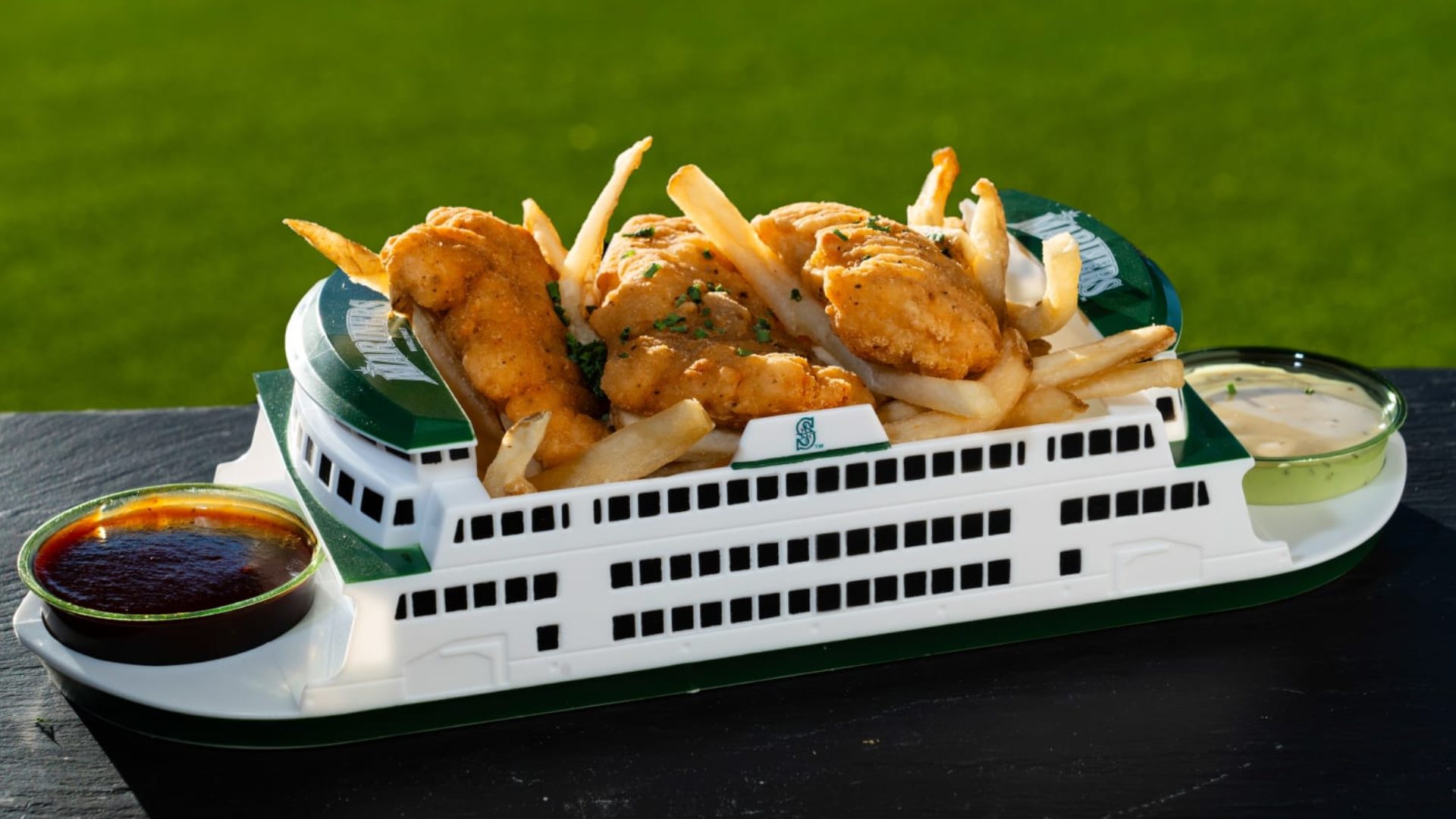
What are the craziest baseball stadium food items available in 2026? The Food Institute digs in to find out.

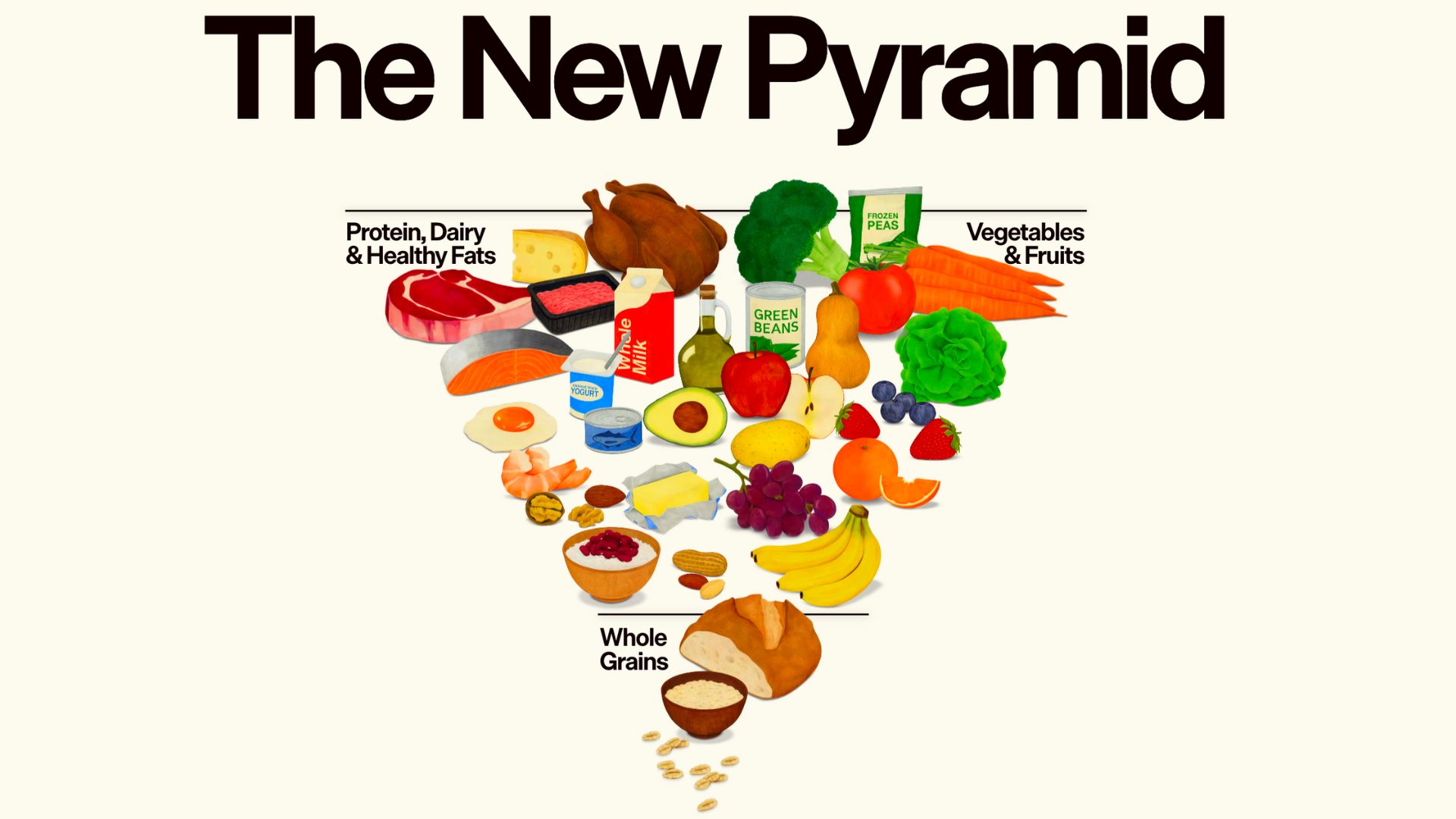
GLP 1 weight-loss drugs may be reshaping consumption, but new data suggests the industry’s panic was premature. As calorie-conscious consumers shift toward smaller portions and nutrient-dense foods, brands must adapt without abandoning their core identity.

Olive Garden’s steady menu and value-focused positioning are winning over cautious diners, driving a solid Q3 lift for Darden. In a jittery economy, predictability has become the chain’s most profitable ingredient.
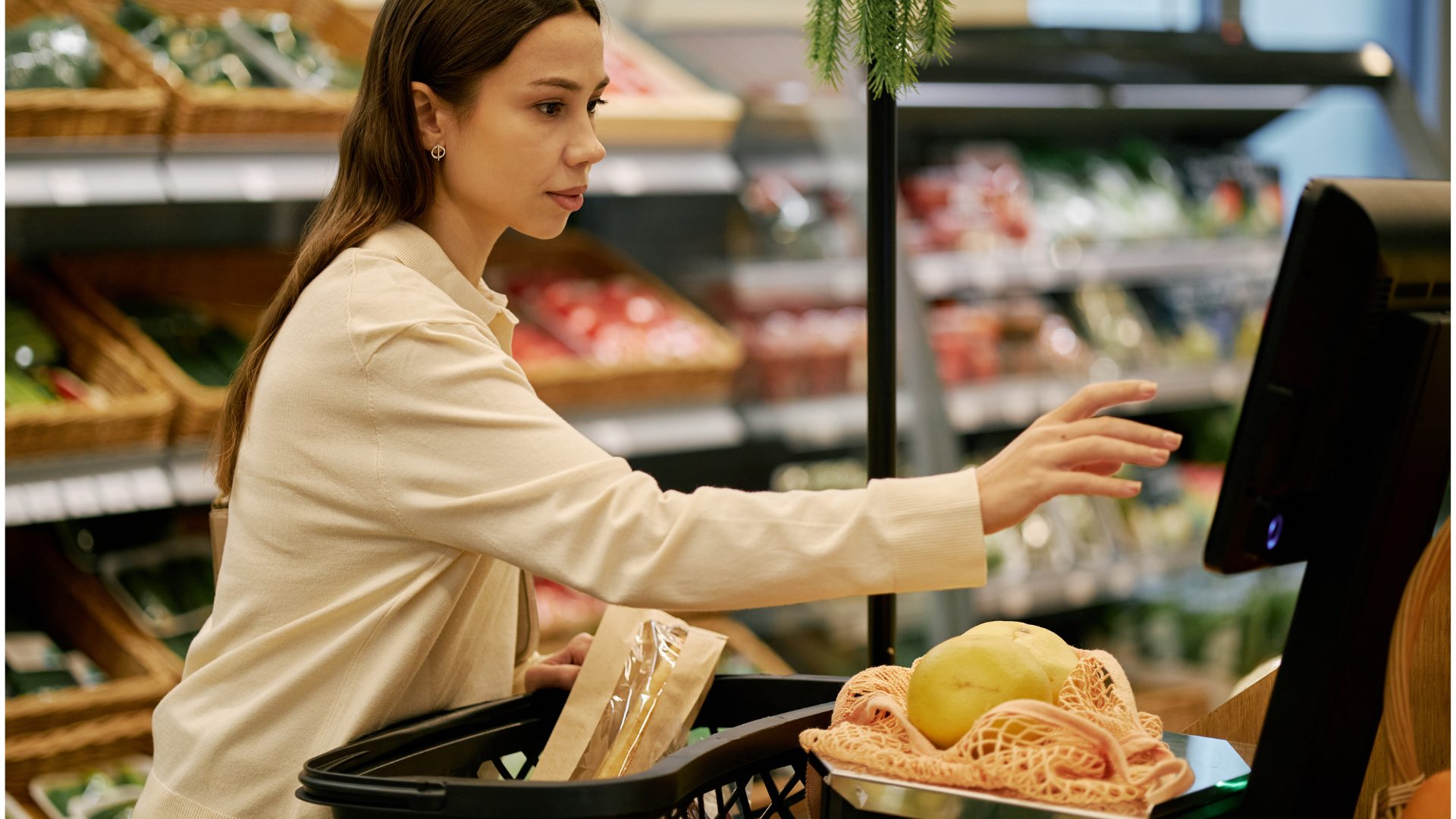
Shoppers in 2026 are “channel surfing” for value, driving more frequent, shorter grocery trips and rewarding both value chains and regional grocers. As dwell times shrink and loyalty erodes, retailers that innovate on convenience and fresh meals are pulling ahead.

Gen Z is facing a historically tough job market as older workers stay longer, AI reshapes entry-level roles, and employers demand experience for “starter” jobs. Industry leaders say the path forward hinges on AI fluency, real world skills, and stronger human communication.

Online grocery and retail delivery are encroaching on restaurants, fueled by rising convenience loyalty, shifting fee tolerance, and Gen Alpha.

A growing number of biotech startups are using precision fermentation to produce human milk proteins like lactoferrin and beta-casein for infant nutrition products. However, scientists say replicating the complex biological interactions found in breast milk remains a significant scientific and regulatory challenge.
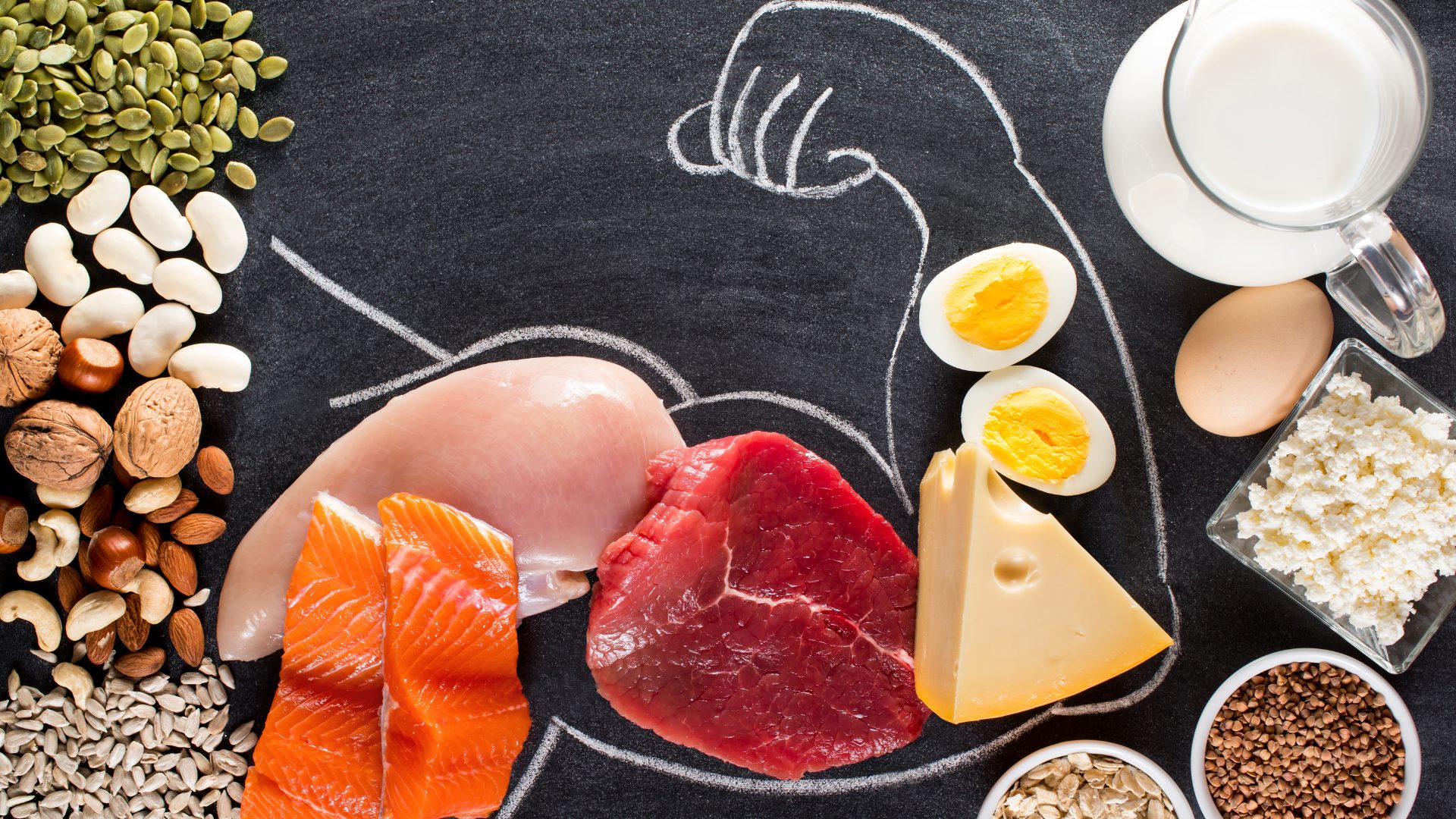
Protein-packed everything is flooding the market, but experts warn that “protein maxing” may be creeping into counterproductive and potentially risky territory. As consumers chase ever-higher counts, nutritionists caution that excess protein can crowd out key nutrients and strain vulnerable kidneys.

Fertilizer supplies are tightening as the Iran conflict chokes off Strait of Hormuz shipments, driving up costs and threatening global crop yields. Food companies could face cascading inflation, supply shocks, and heightened risk of shortages across key commodities.

Restaurant consumers are increasingly skeptical and tech-fatigued in 2026, pushing operators to rebuild trust through human connection, real differentiation, and meaningful experiences. As traffic grows despite rising prices, industry leaders are re engineering menus and operations to meet evolving expectations.

So-called “insurgent brands,” like LesserEvil, Chomps, and Kodiak, fueled a quarter of 2025’s food industry growth, far outpacing legacy competitors. As consumers flock to clean label upstarts, major CPGs increasingly turn to acquisitions to keep pace.

Diageo’s once untouchable spirits empire is scrambling to reassure investors after a four-year, 60% stock slide driven largely by U.S. tequila woes and shifting consumer economics. Despite global strength in beer and whiskey, the company now must prove its premium narrative still holds.
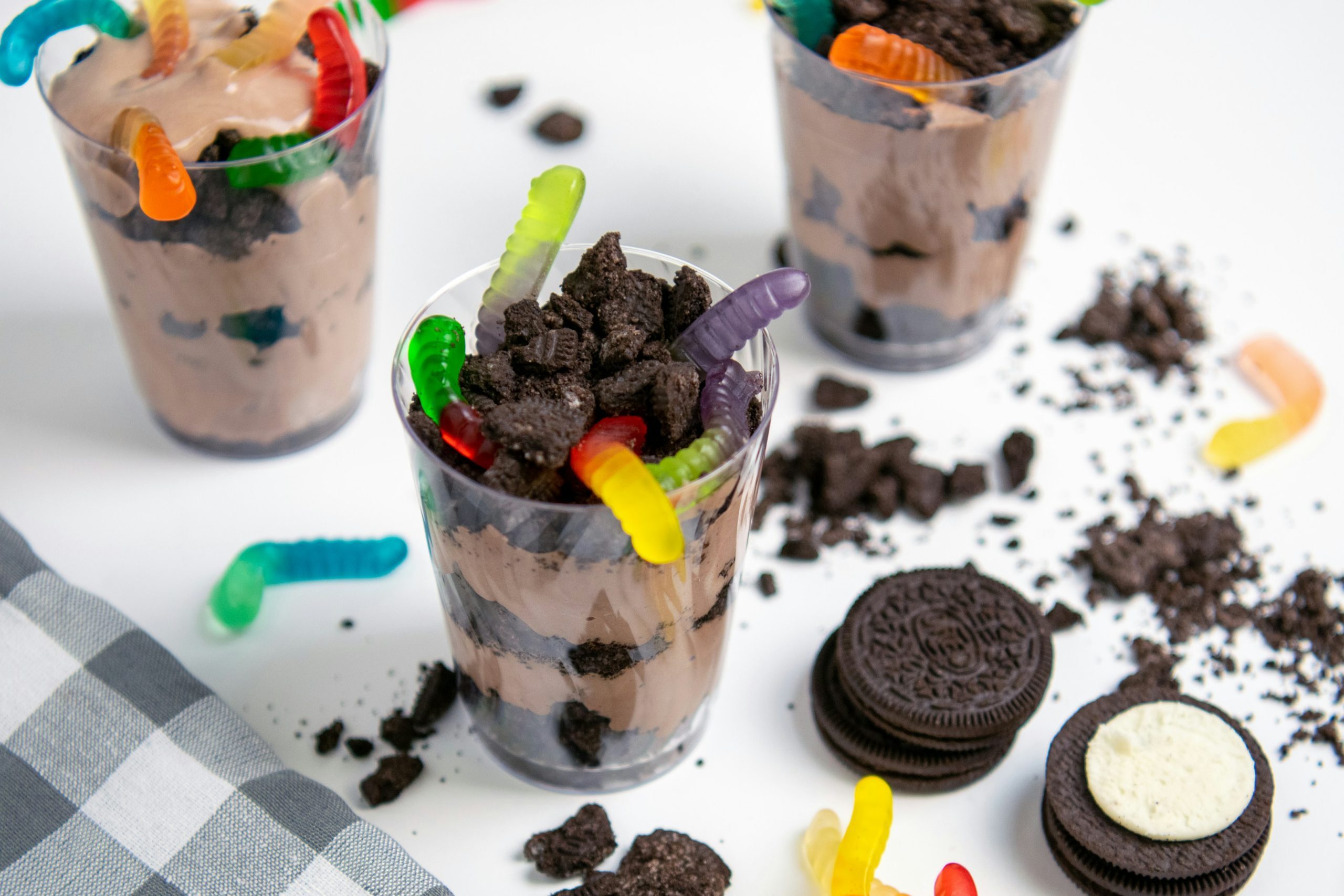
Americans shelled out a record $55B on candy last year, proving indulgence still wins even as prices climb and GLP-1 drugs surge. With seasonal spikes, shifting generational tastes, and value driven channel hopping, confectionery’s growth now hinges on innovation and strategic pack architecture.

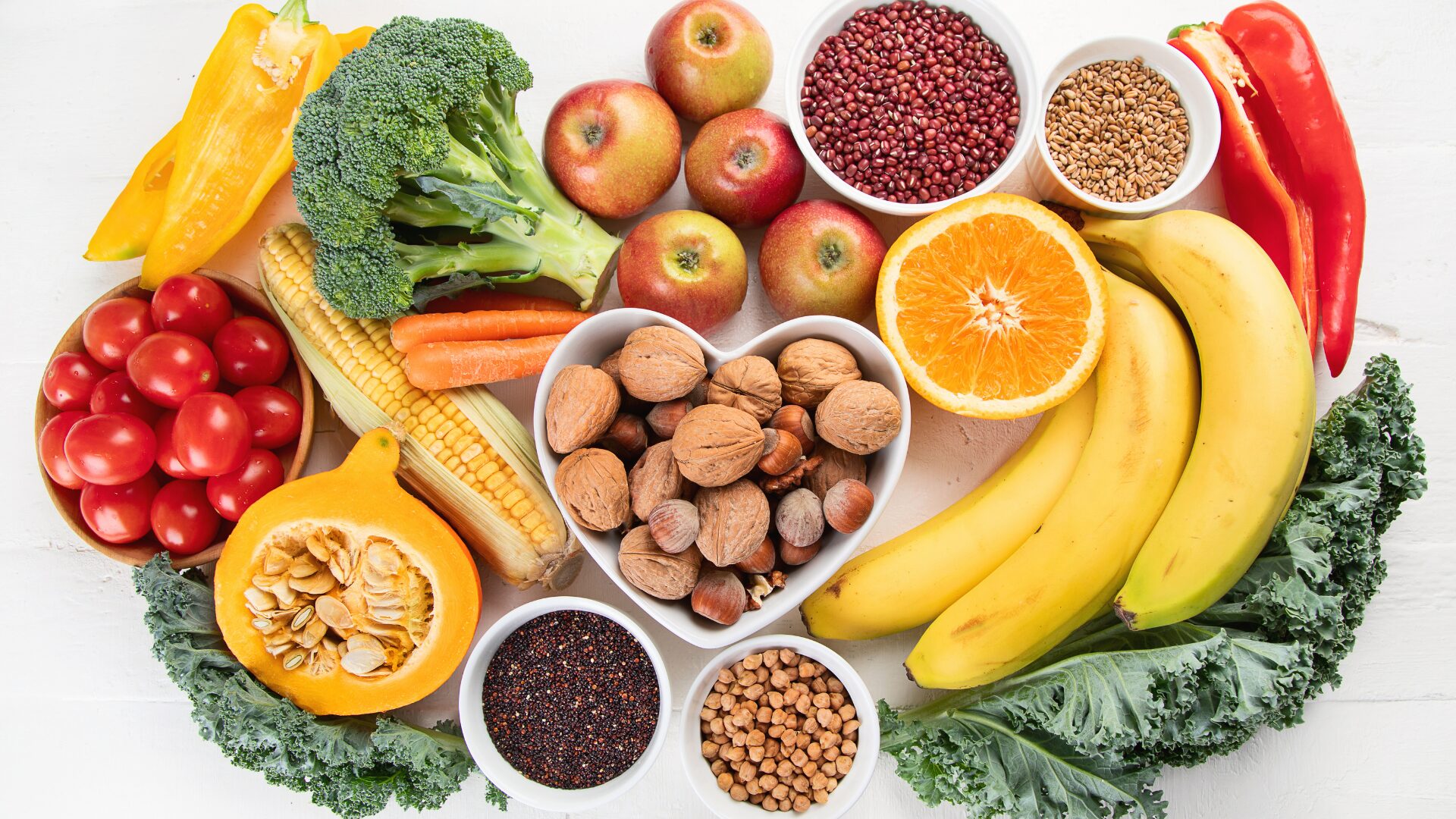
Fiber is emerging as the next big functional battleground, but its complexity – and consumer confusion – means brands must balance tolerability and transparency. As GLP 1 users and wellness seekers drive demand, smart formulation and clearer education will separate leaders from laggards.

Corned beef prices are up 44% from 2020, pushing St. Patrick’s Day meal costs higher for both consumers and operators. Even so, restaurants and bars still expect strong traffic this Tuesday, as Americans indulge in reliably lucrative holiday traditions.

Frozen pizza is booming, with consumers flocking to globally inspired flavors, new crust styles, and restaurant quality innovation. As indulgence rebounds and mash ups surge, brands that push creativity in the freezer aisle stand to win big.

Colorectal cancer is rising sharply in adults under 50, with unclear causes but growing links to diet, lifestyle, and environmental exposure. Experts urge earlier screening and renewed scrutiny of ultra‑processed foods, alcohol, and other risk factors shaping consumer health.

As pricing volatility, supply chain disruptions, and extreme weather plague the cocoa industry, manufacturers are continuing to explore innovations like cell-cultured technology and cocoa-free alternatives. However, some consumers believe that cell-cultured chocolate is “artificial,” signaling that more education is needed.

Restaurants are no stranger to challenges, and the labor environment has forced leaders to rethink how they build high-performing teams. Piada Italian Street Food VP Corban Nichols explores key considerations to build better businesses.
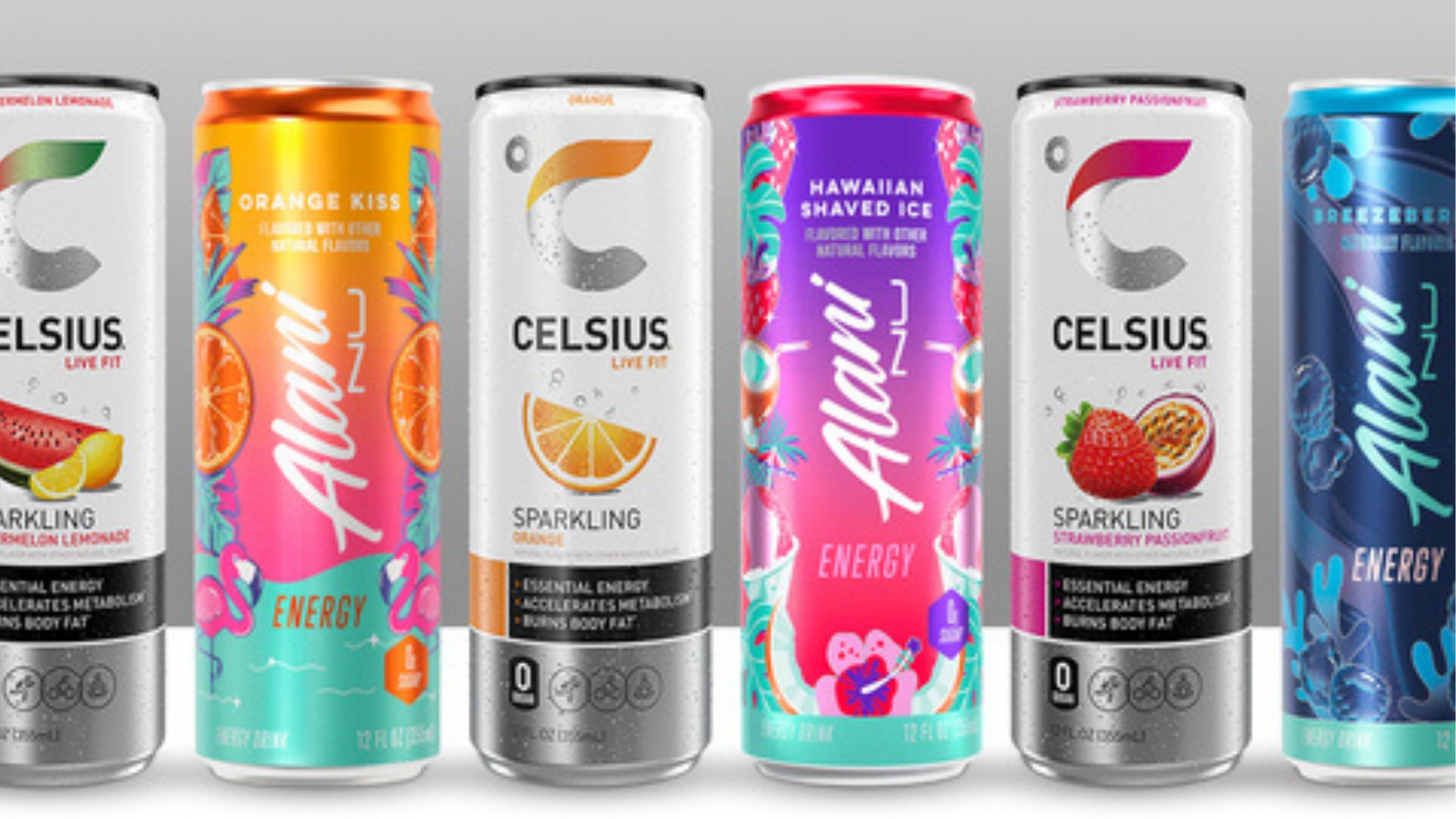
Celsius has evolved into a bona fide energy drink heavyweight, yet its stock still whipsaws like a speculative upstart. Investors remain torn over brand momentum, margin pressure, and whether Alani and Rockstar can deliver durable, Monster level staying power.

According to a report released today, Americans are swapping drip coffee for canned caffeine, as rising bean prices push consumers toward energy drinks, diet sodas, and premium barista beverages. The shift signals both price sensitivity on everyday brews and a willingness to splurge on café indulgences.

RBC Capital Markets Managing Director Nik Modi breaks down what has — and hasn’t — changed in the food and beverage industry since mid-2025.



Office workers are eating out more but remain underserved, creating a wide open lane for restaurants that can deliver protein rich, fiber forward, globally inspired lunches at a $12–$15 price point. Operators who design specifically for repeat weekday demand can turn office lunch into a high frequency growth engine.

Expo West 2026 showcased consumers’ growing demand for products that merge clean ingredients, functional benefits, and nostalgic delight. Brands winning the moment are using wellness claims to stay relevant.

Food M&A is shifting from volume to surgical, synergy driven deals, as buyers chase premium, health-oriented brands and under-used operational assets. With credit conditions easing and PE circling, 2026 could reignite consolidation – just with far sharper discipline.

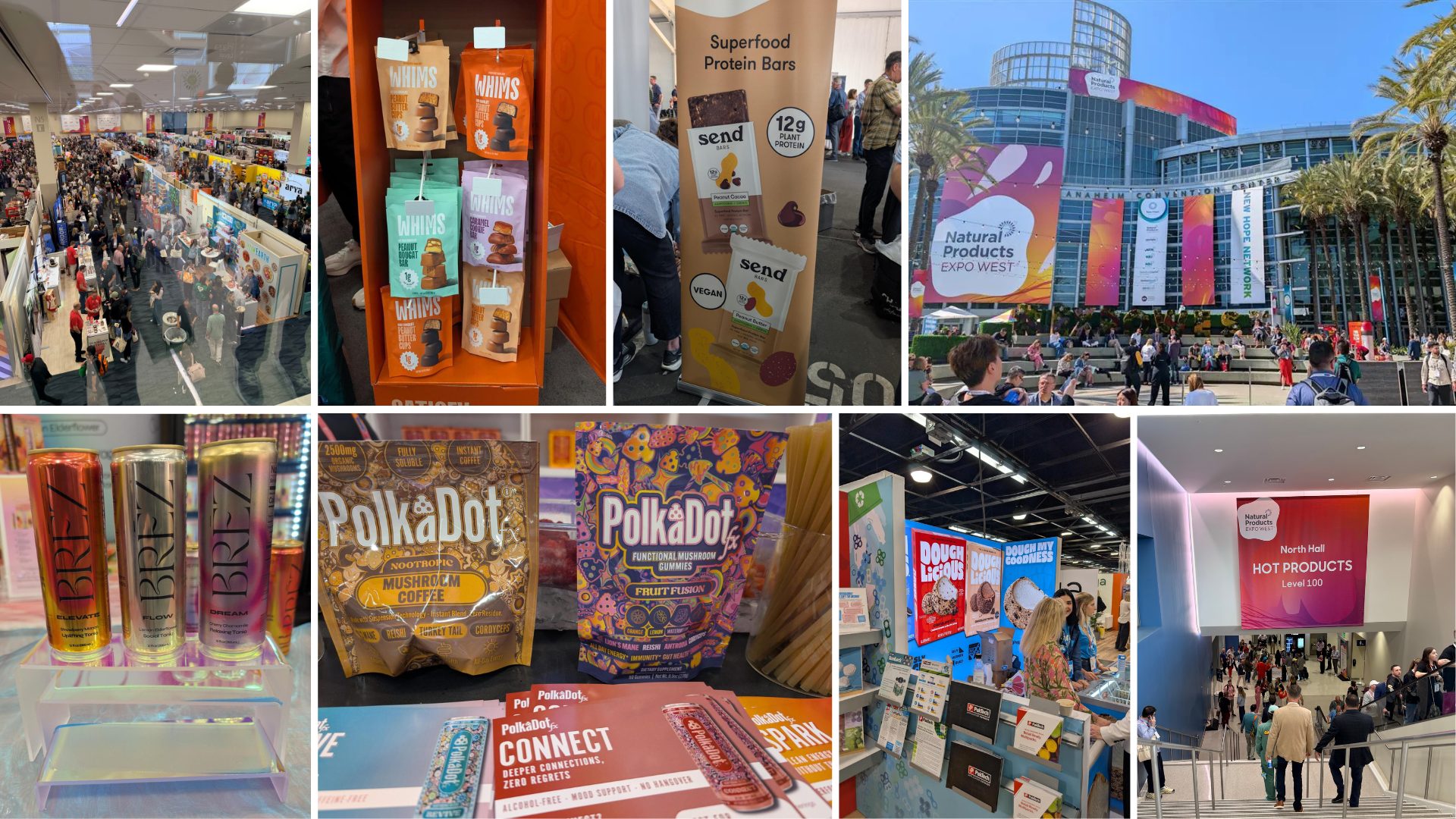
Expo West 2026 signaled a high‑stakes shift as functional snacking and hydration surged, fueled by GLP‑1 consumers and a booming $342 billion natural products market. Yet a counter‑trend toward simple, indulgent “no‑function-needed” treats shows shoppers still crave joy.

Deal activity never found its footing last year, finishing at its lowest level since 2020 and well below market forecasts; however, sentiment is beginning to turn. As firms look ahead to 2026, we are seeing signs of re-engagement that could mark a pivot away from the caution that defined much of the past year.
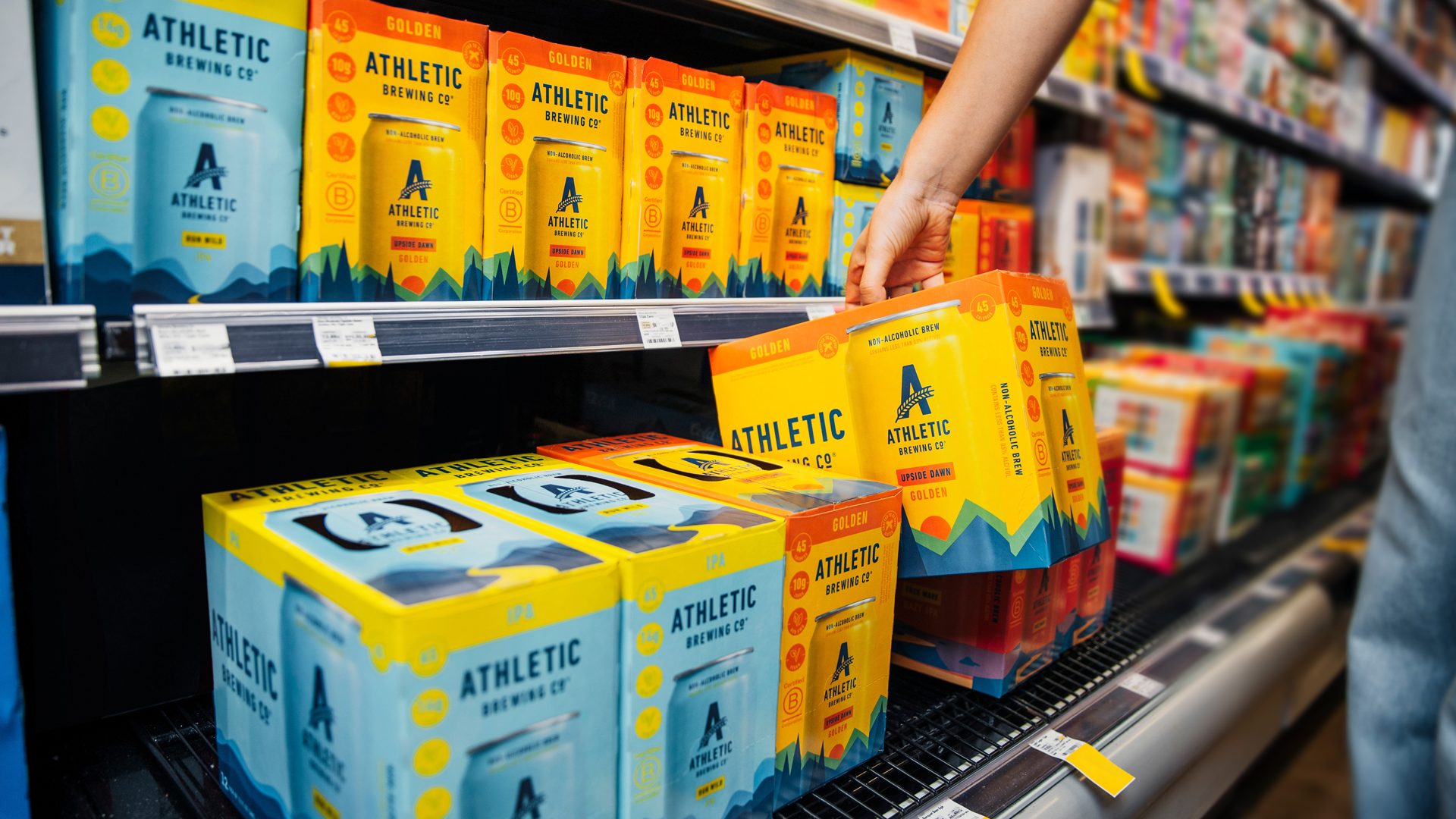
NA beer is shifting from hype to habit as growth slows but consumer commitment deepens, driven by health minded Gen Z and demand for better flavor and clarity. The category’s future hinges on expanding drinking occasions – not replacing traditional beer.

Tariff rulings are throwing U.S. supply chains into flux, with courts, Congress, and the White House reshaping which duties stand, as well as which may be refunded. Food and beverage leaders now face a volatile import landscape that demands documentation, contract reviews, and constant vigilance.

Walmart’s slight stock dip masks a powerhouse retailer that continues to out-execute rivals, expand margins, and hold its ground against Amazon’s scale. Its trillion-dollar valuation reflects a business so strong that investors now question how much higher it can climb.

Sweet proteins may be 1,000 times sweeter than sugar, but they don’t spike blood glucose, and food-tech startups are betting big on their future. With FDA clearances rolling in and fermentation scaling up, these novel ingredients could reshape sugar reduction strategies across the industry.

Manufacturers are zeroing in on several science-backed functional ingredients – from soluble fibers to botanical extracts – that can support metabolic health. The shift signals a growing industry push toward proactive, nutrient-dense formulations.
From a financial perspective, the performance of Albertsons is very much in the eye of the beholder.