

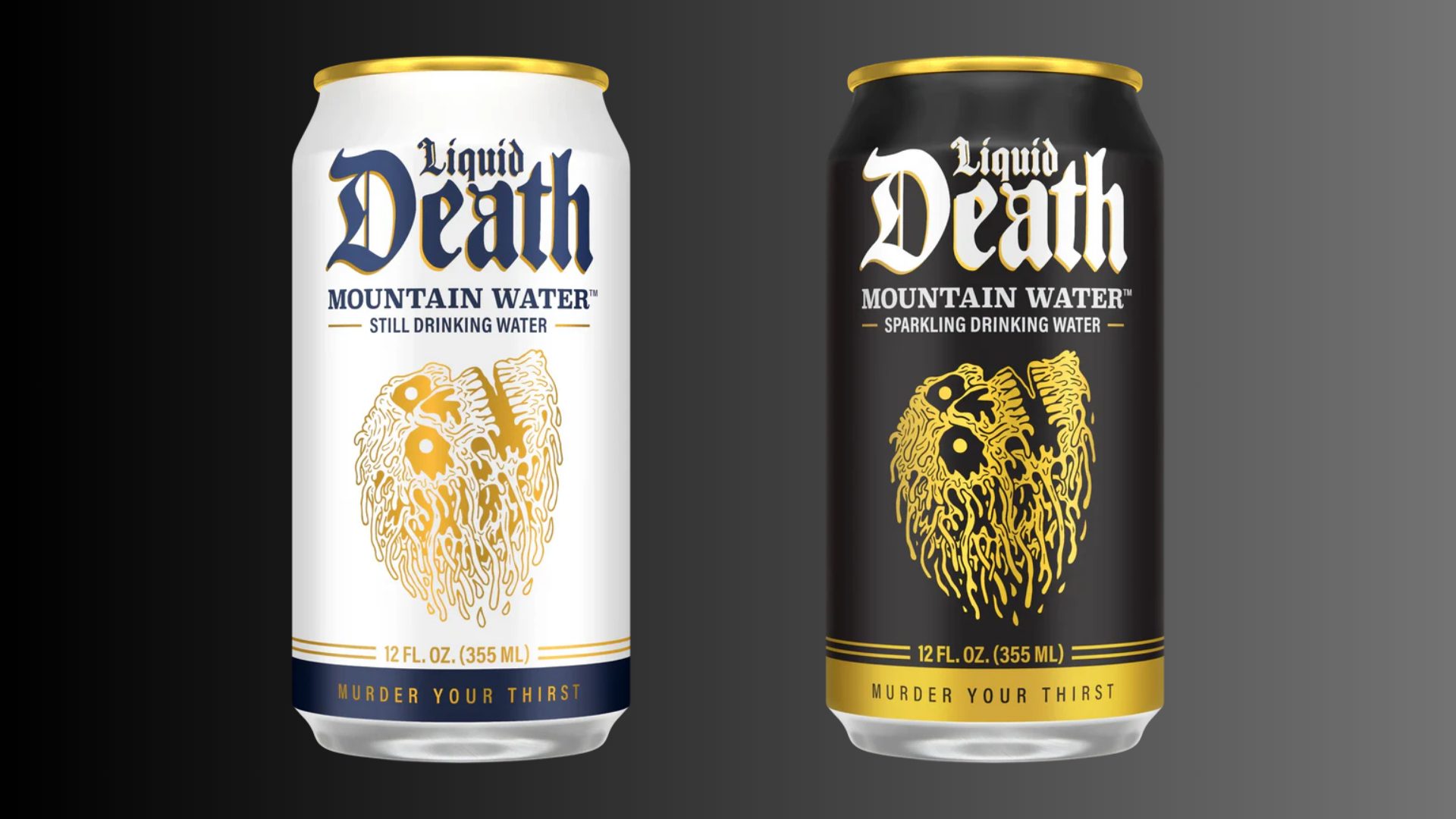
Despite its ghoulish aesthetics, Liquid Death’s community is surprisingly wide: “people drink things and they like to laugh,” adroitly summarized Liquid Death creative VP Andy Pearson in an interview with The Food Institute. This has …

Creatine’s comeback isn’t just for athletes – the supplement is now a $1.1 billion wellness juggernaut. With aging consumers and GLP-1 users fueling demand, food brands are giving the supplement a long look.
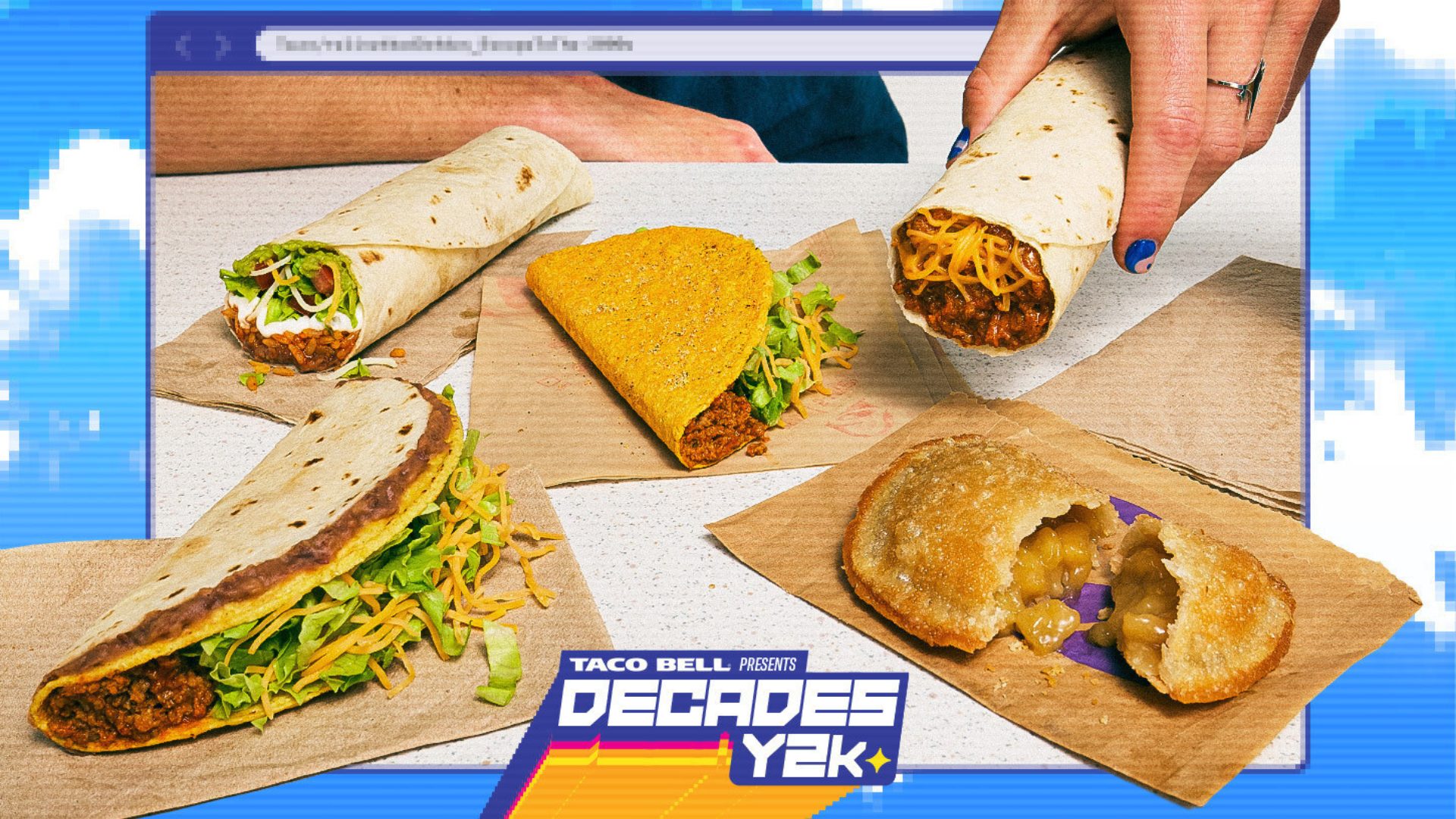
Taco Bell is revamping last year’s Decades Menu with a Y2K spin, featuring iconic menu items from 2001-2010. The overt play for nostalgia has been effective for the QSR chain in the past, and this year it’s doing more to support the initiative.
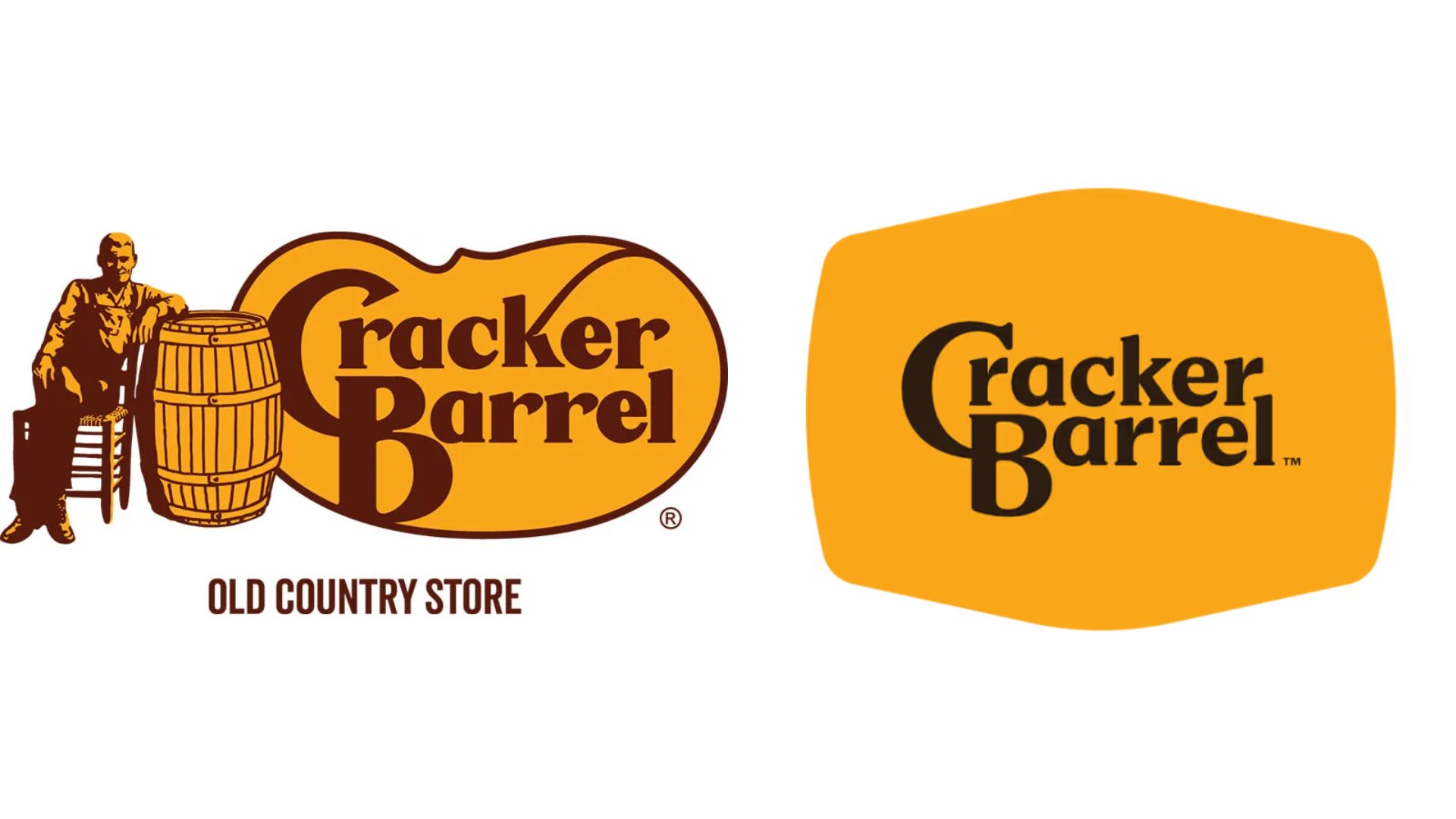
Cracker Barrel’s recent logo revamp sparked a $100M backlash, forcing a swift return to its nostalgic “Old Timer.” The fiasco highlights the high stakes of brand identity in an era of cultural sensitivity.

Dubai chocolate’s viral rise is influencing menus worldwide with its craveable crunch and flair. However, climate-driven cocoa and pistachio shortages hint at deeper disruptions for the confectionery industry.

The New World screwworm, a flesh-eating parasite, is threatening livestock across the Americas, with a human case confirmed in Maryland. USDA is racing to contain the pest before it bites into U.S. food security and cattle profits.
Despite economic headwinds, food retail is booming, as 94% of operators rate their business health as strong. Tech adoption and foodservice add-ons are fueling expansion, even as inflation and data challenges persist.

Dutch Bros is brewing up explosive growth by doubling down on culture. With 1,000 stores and soaring stock, it’s outpacing rivals by staying unique.

The One Big Beautiful Bill Act spices up tax strategy for F&B businesses, unlocking R&D credits and full depreciation on production investments. Tip and overtime tax breaks sweeten the deal for frontline staff.
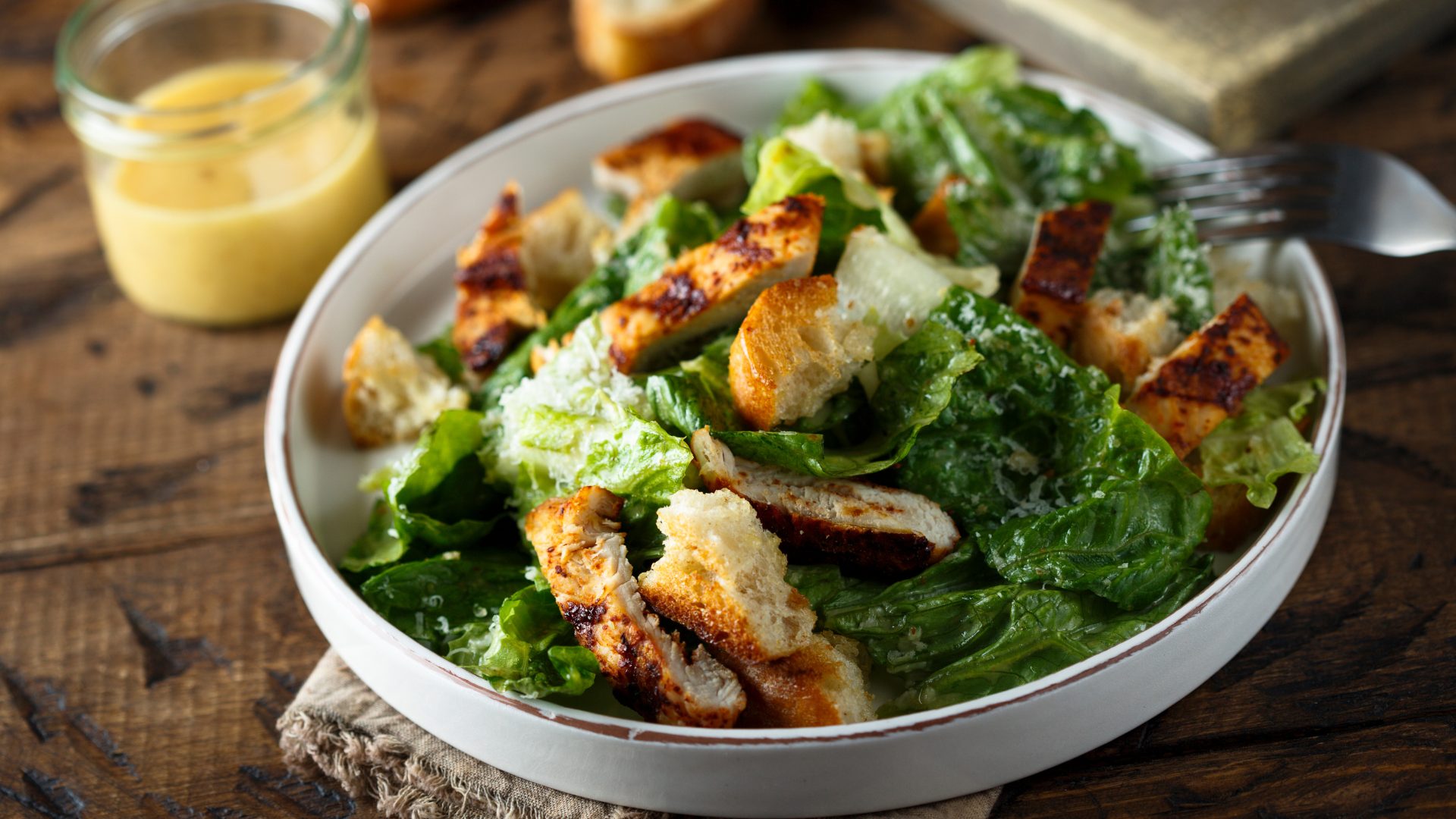
Sweetgreen’s stock nosedived after dismal Q2 results, reigniting doubts about its scalability and consumer appeal. Management blames execution and macro headwinds – but investors may be losing faith in the salad chain’s long-term promise.
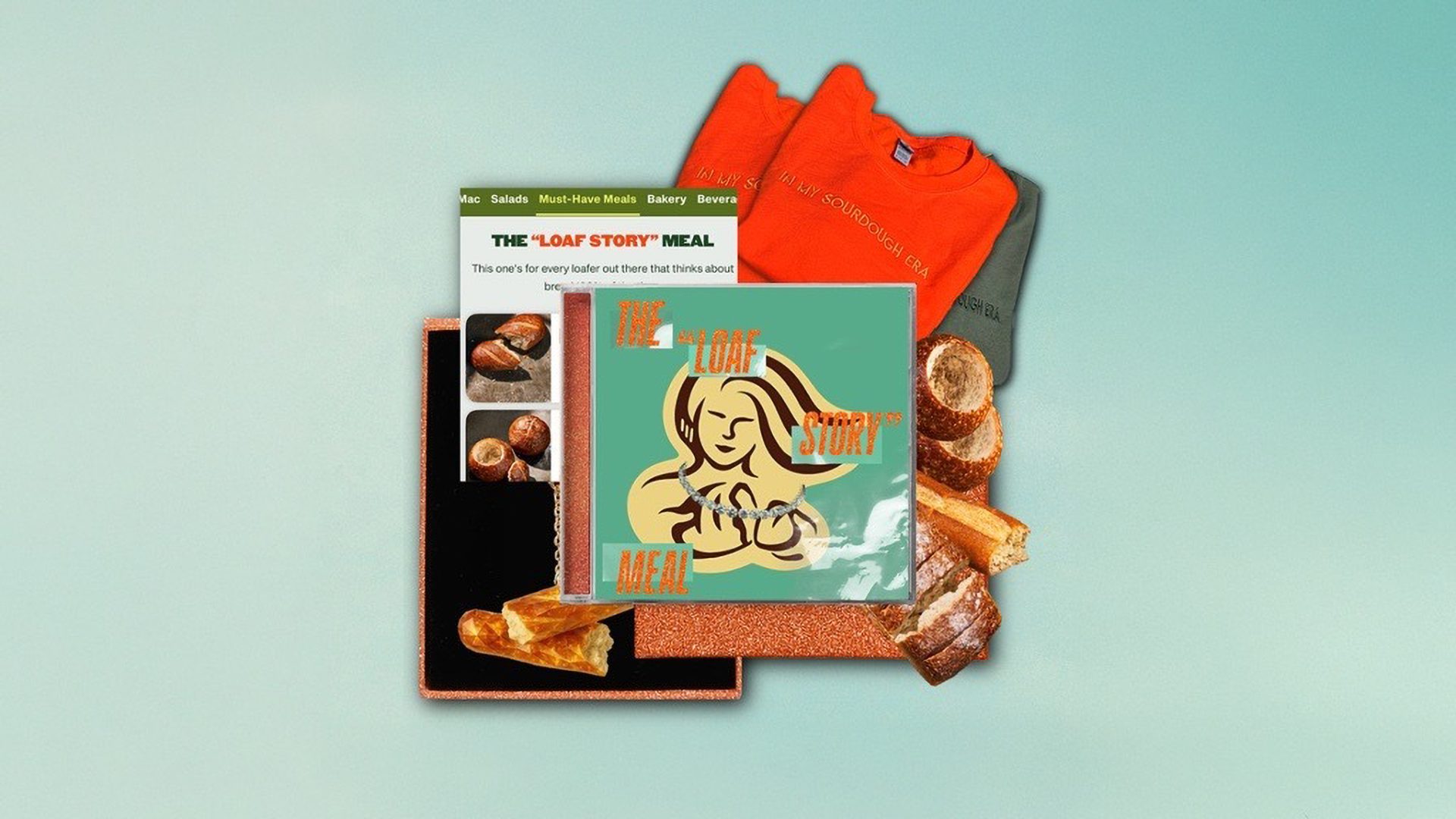
Taylor Swift’s sourdough obsession sparked Panera’s “Loaf Story Meal” and reignited consumer interest in fermented breads. With gut health and clean-label trends rising, sourdough’s pandemic-born momentum is evolving into a retail innovation boom.
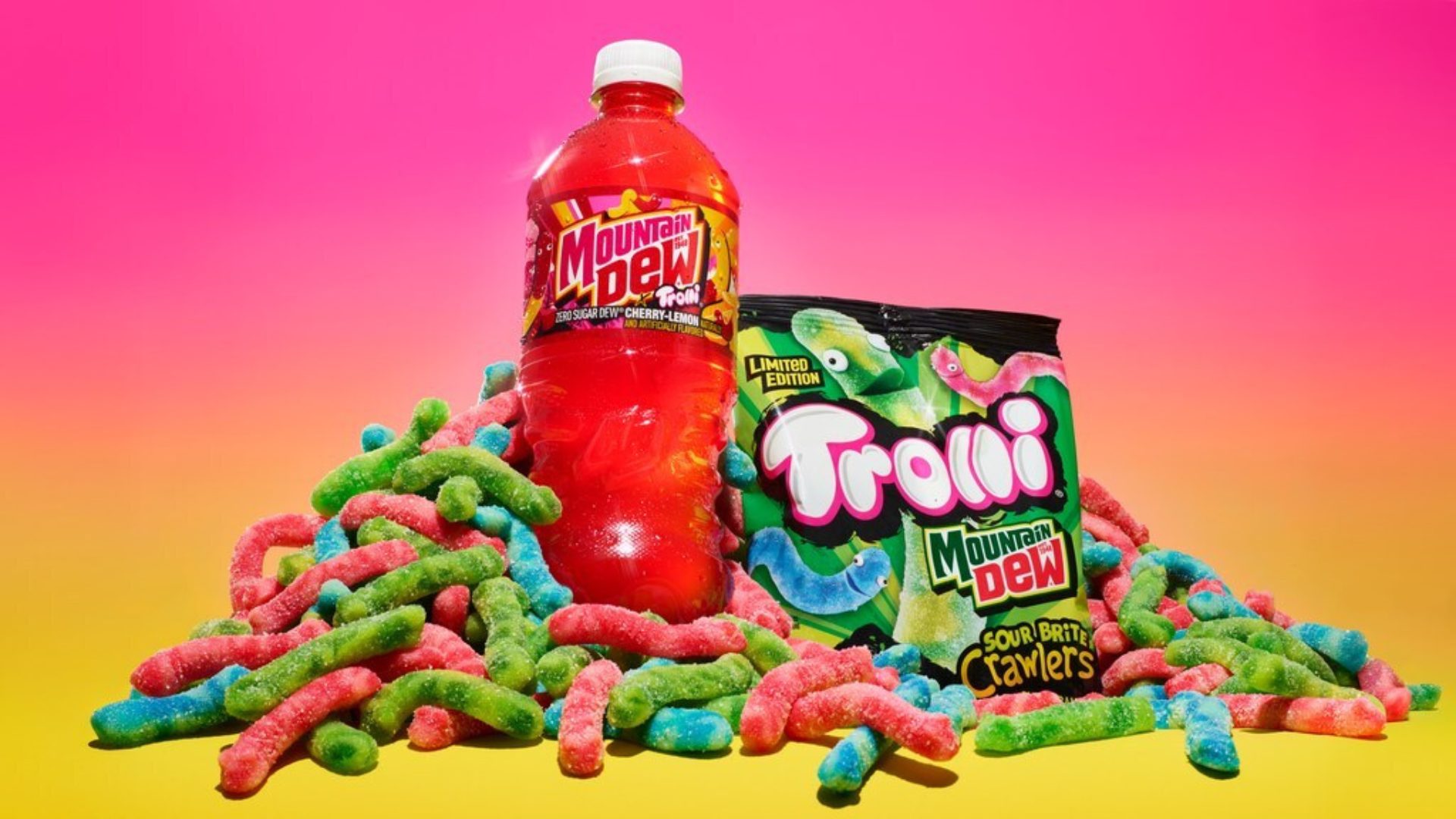
Unexpected flavor mashups – from Guinness ice cream to Mountain Dew gummies – are driving viral buzz. These quirky collaborations thrive on social media, creating a spectacle that often drives ROI.
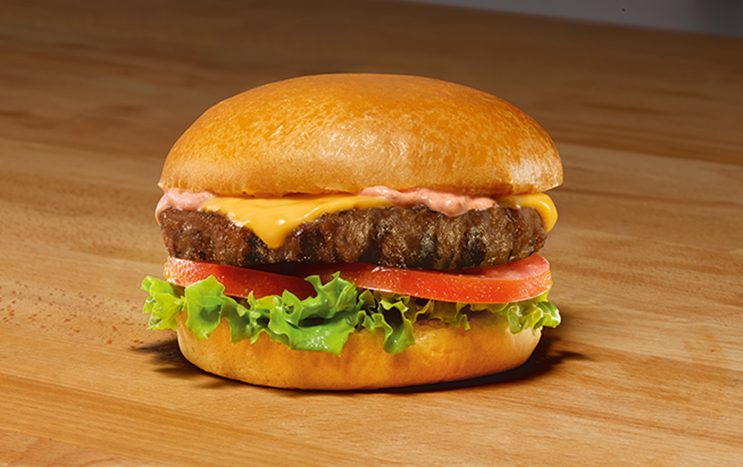
Beyond Meat is buckling under financial pressure, with overdue bills and shrinking sales. Despite denying bankruptcy rumors, the company’s pivot to “Beyond” signals a desperate bid to stay relevant in a cooling market.
Walmart’s Q2 sales crushed expectations, but tariffs and health costs trimmed profits. Grocery and fresh categories surged, signaling strong share gains, even as the retailer braces for a murky, margin-pinched second half.
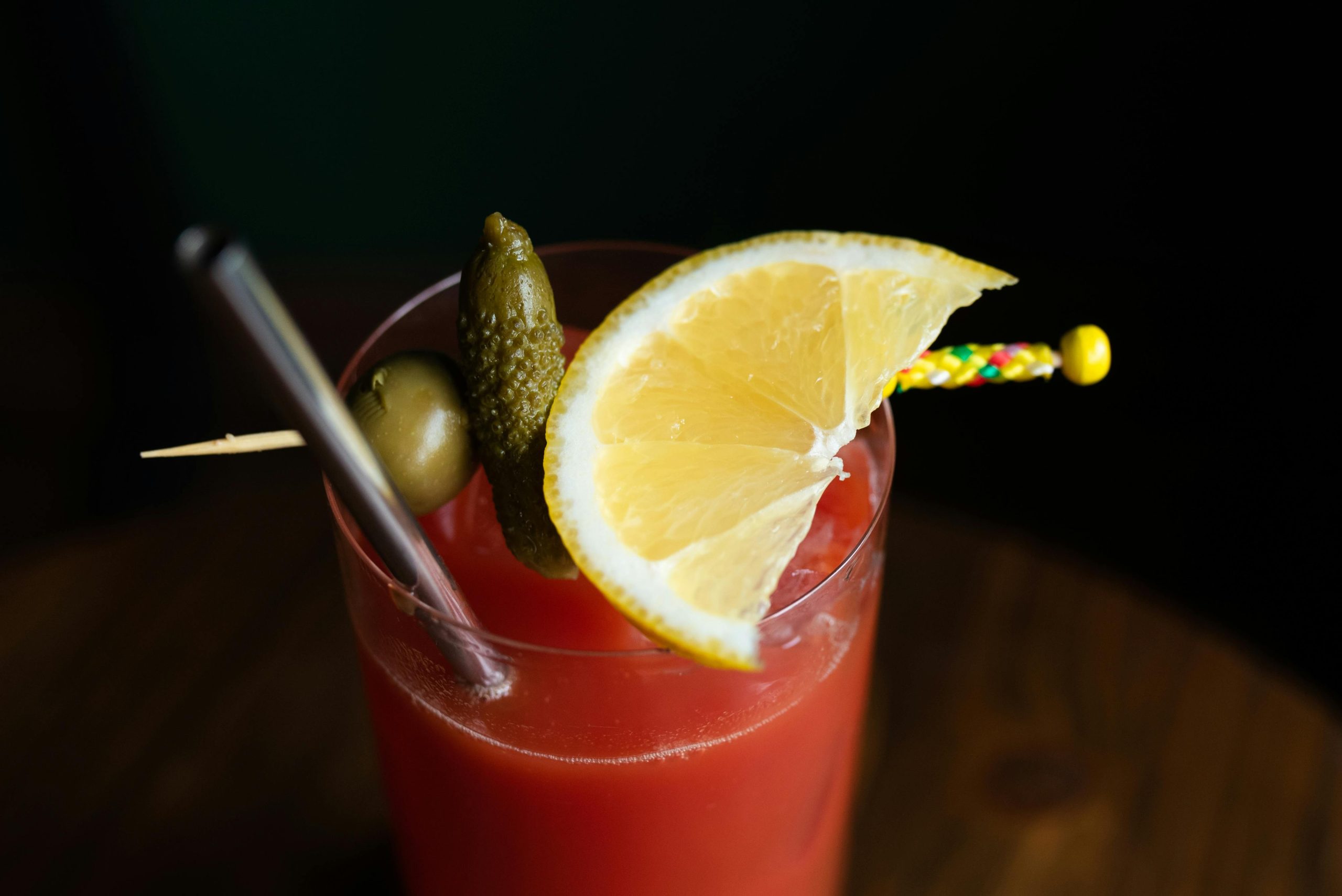
Flavors like matcha, hot honey, and pickles are surging in 2025, driven by viral trends and nostalgic cravings. Social media-savvy consumers are rewriting the flavor playbook – and retailers are hustling to keep pace.
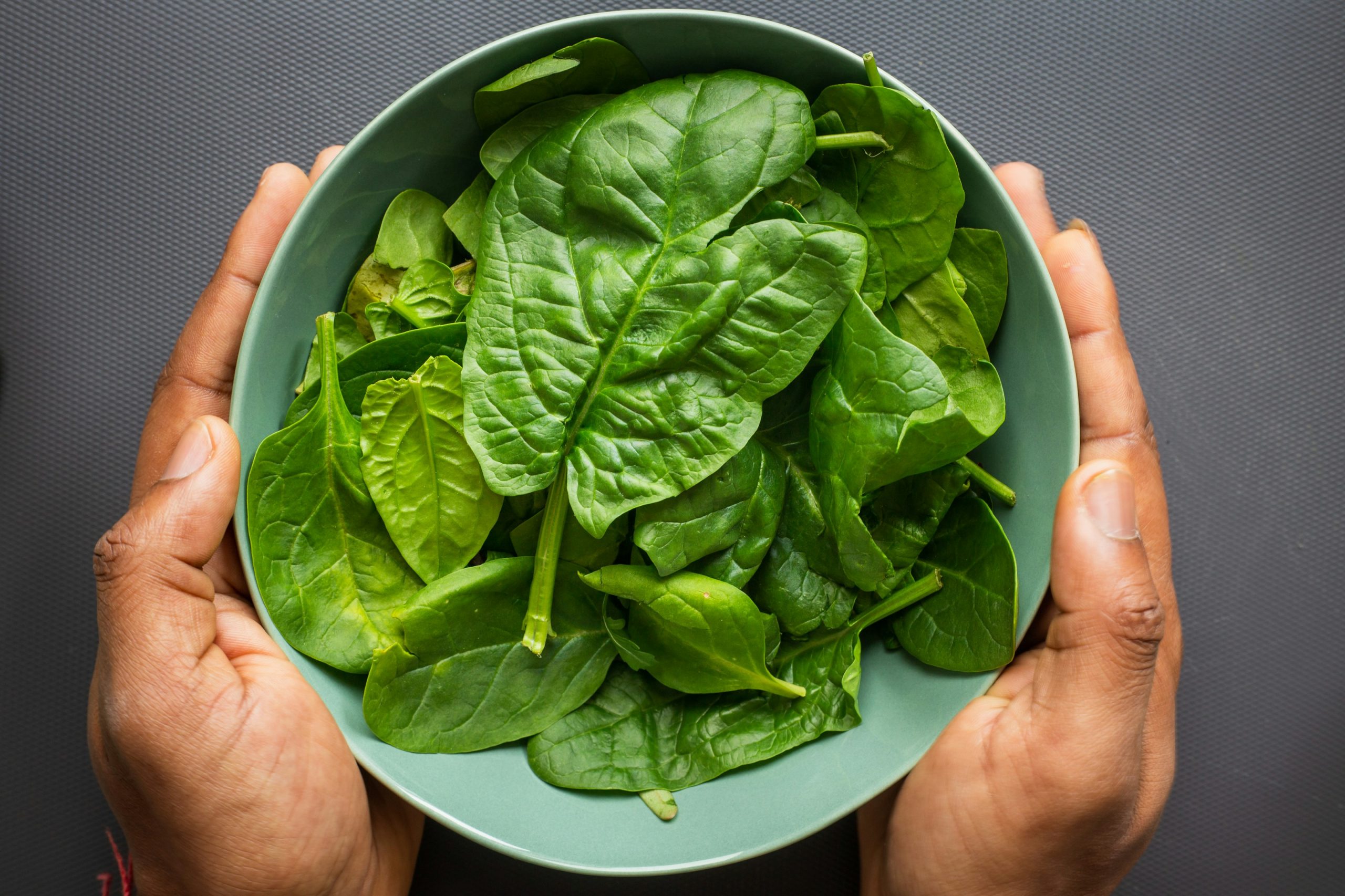
Spinach and lettuce prices spiked dramatically in July, with producer prices rising over 130% month over month due to tariffs, labor shortages, and climate-related stress. As fresh vegetable inflation accelerates, analysts warn of looming price hikes for consumers and intensified strain on the produce supply chain.
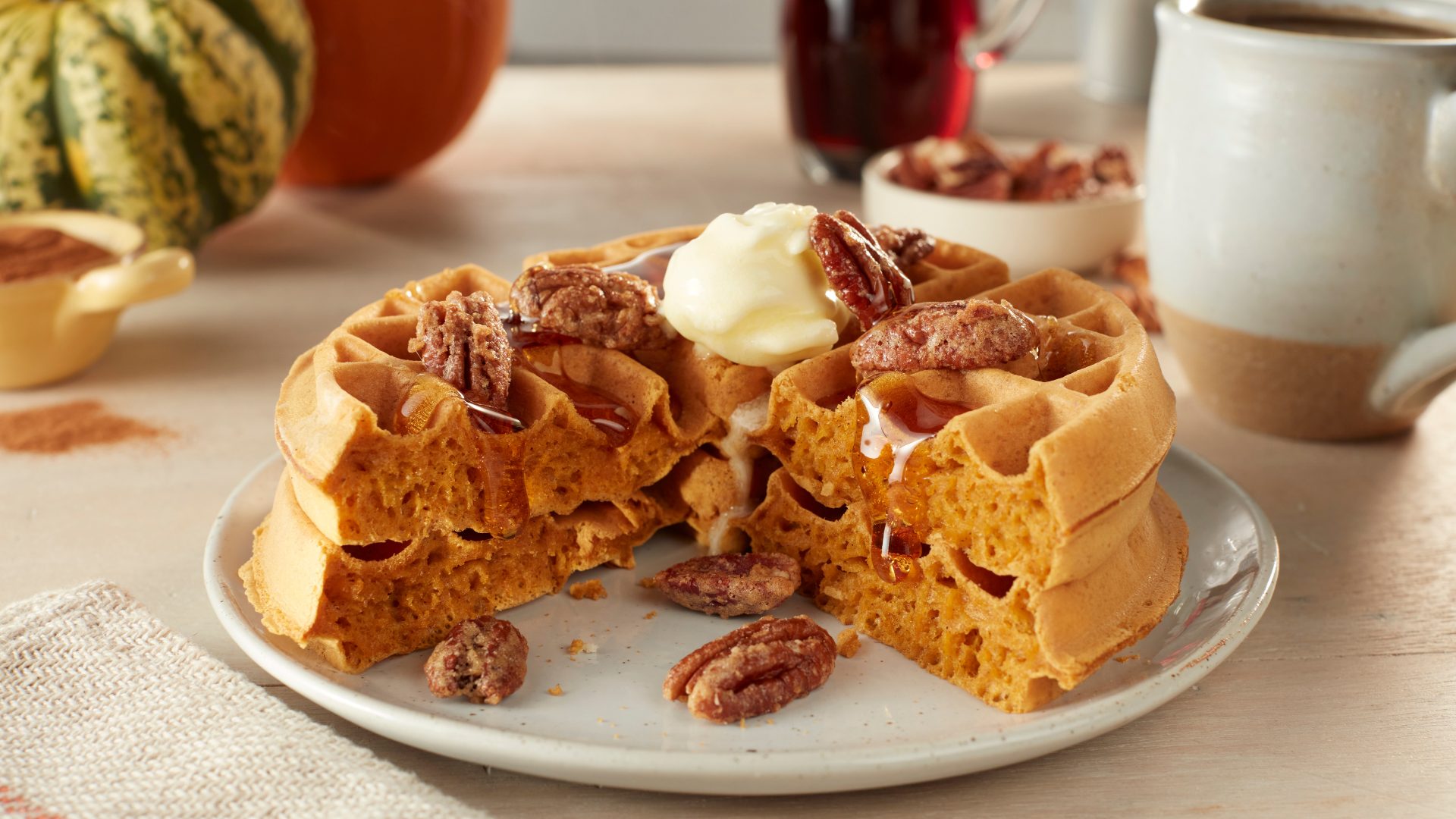
Pumpkin spice may still reign, but pecan is surging as fall’s breakout flavor, with a 28% spike in DoorDash orders. From Snickers to Starbucks, operators are betting big on this Southern staple’s appeal.
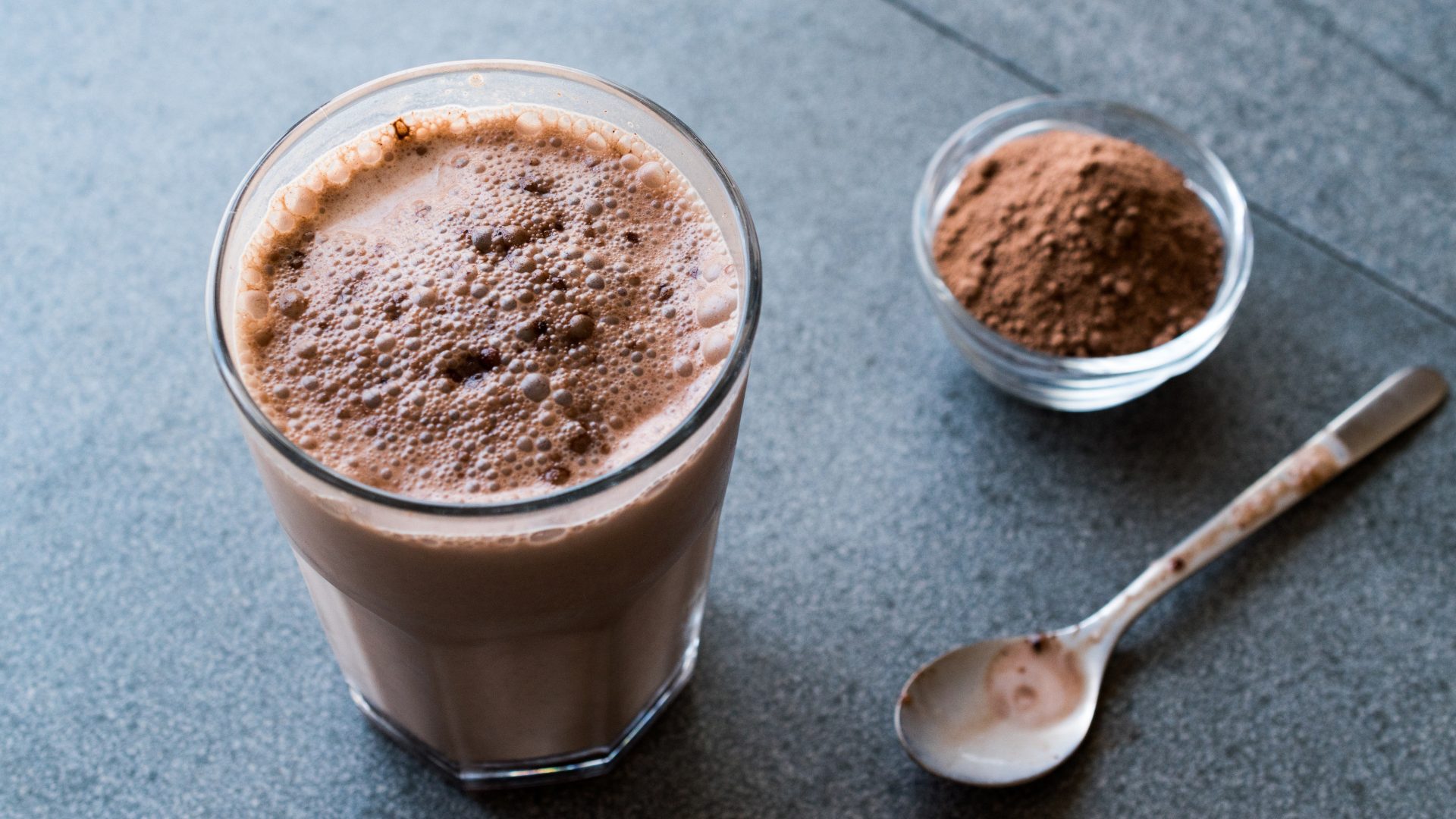
GLP-1 weight-loss drugs are fueling demand for high-protein drinks, but digestive side effects and long-term health concerns loom. Meanwhile, food giants like Danone are racing to serve this booming market.
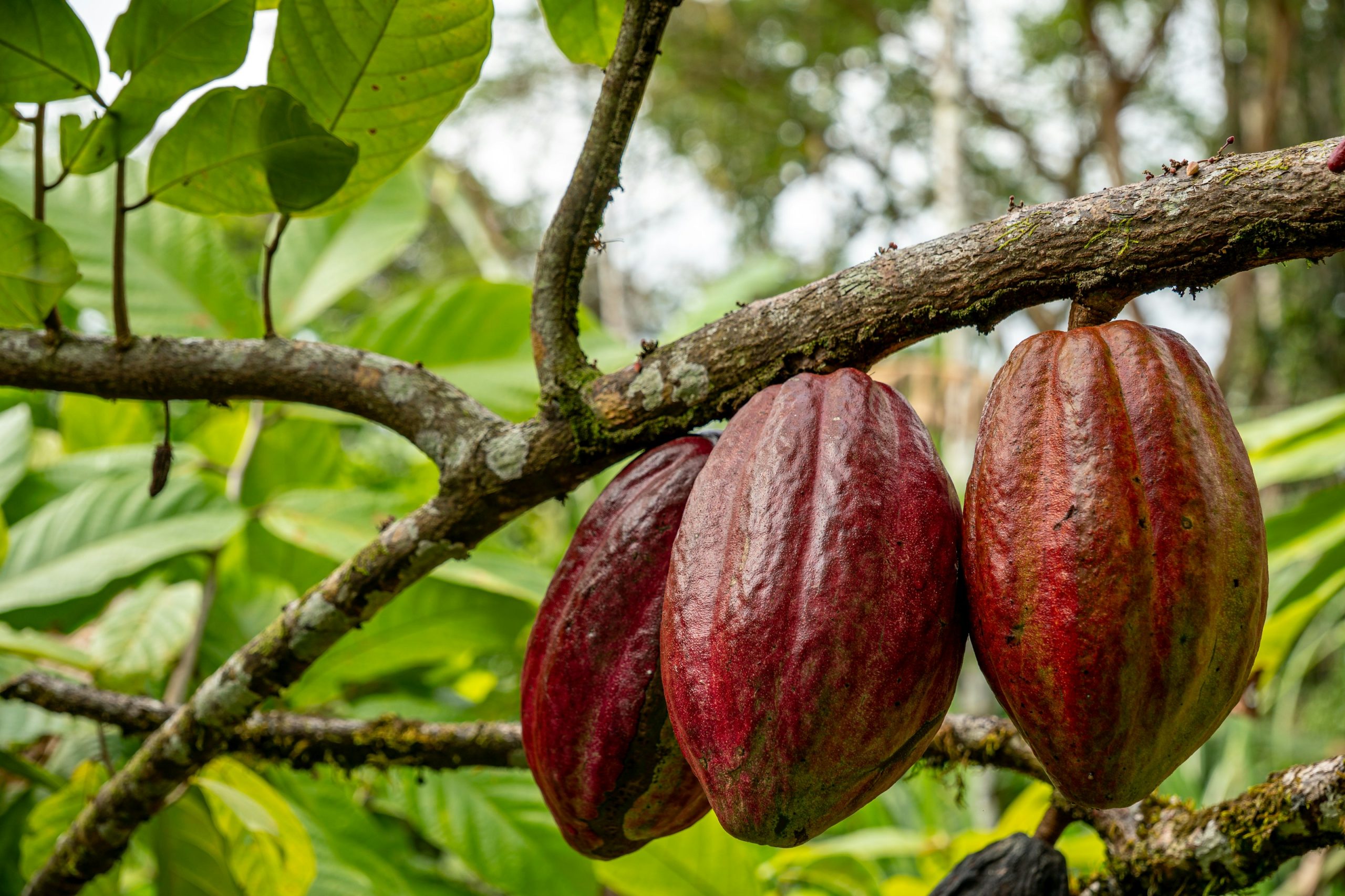
CRISPR is rewriting the rules of agriculture, offering precision DNA edits to boost crop resilience and flavor. Mars and Pairwise are leading the charge, targeting cacao to weather climate and supply chain storms.
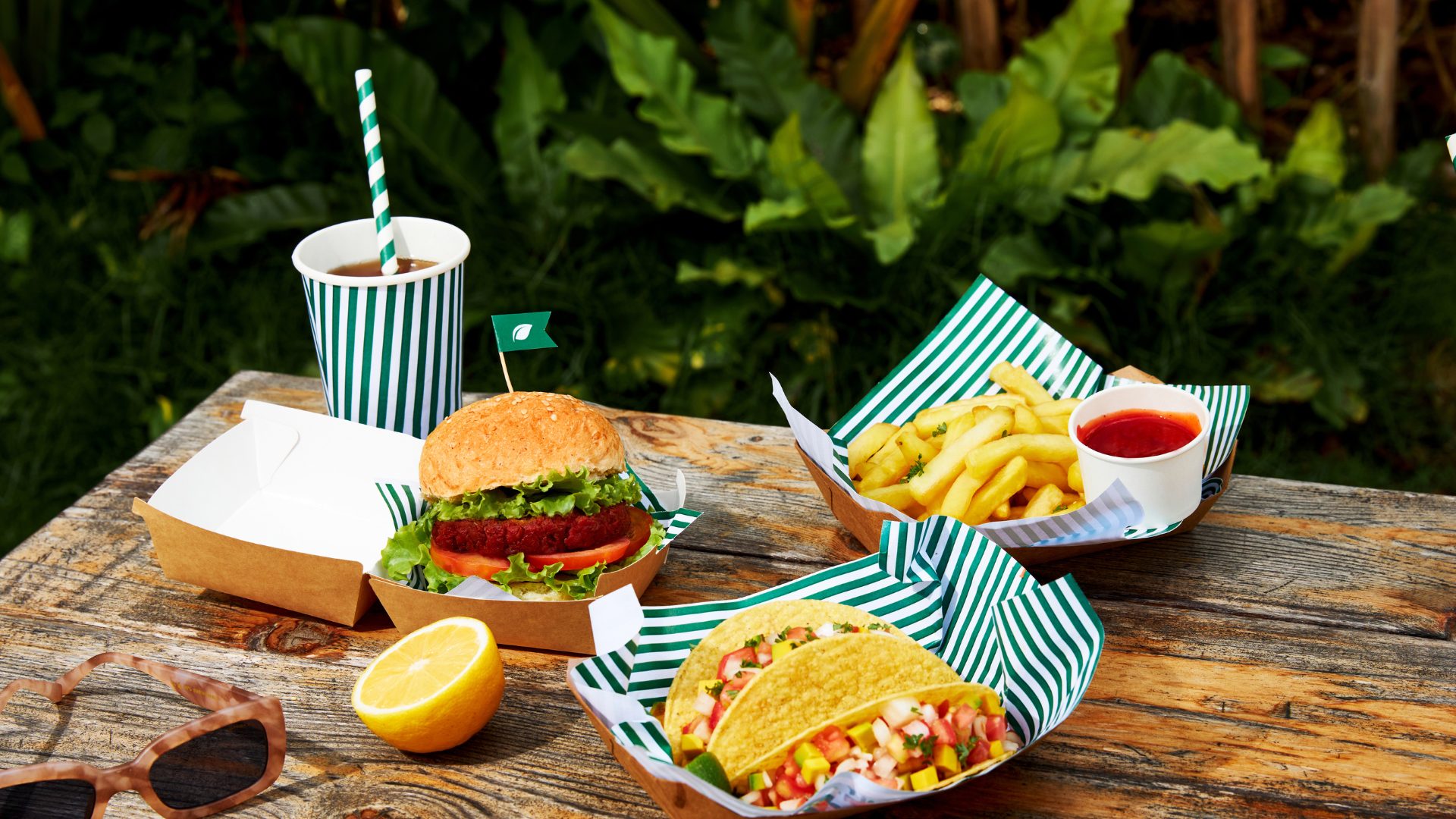
Fast-casual giants Chipotle and Cava are losing investor confidence after steep post-earnings stock drops. Rising costs, flat traffic, and pricing fatigue signal deeper concerns about the fast-casual segment as a whole.

Economic headwinds are shaping consumer shopping behaviors, with looming tariffs affecting consumers’ perceptions of imported foods…



AI is revolutionizing food supply chains—from predictive maintenance to drone-powered inventory—boosting efficiency, quality, and resilience. But for many, the challenge isn’t potential; it’s cutting through the hype to find real ROI.

Honey is having a moment – U.S. consumption hit a record 688.6 million pounds in 2024, driven by health-conscious, eco-savvy consumers. But rising demand may strain bee populations and invite counterfeit sweeteners.
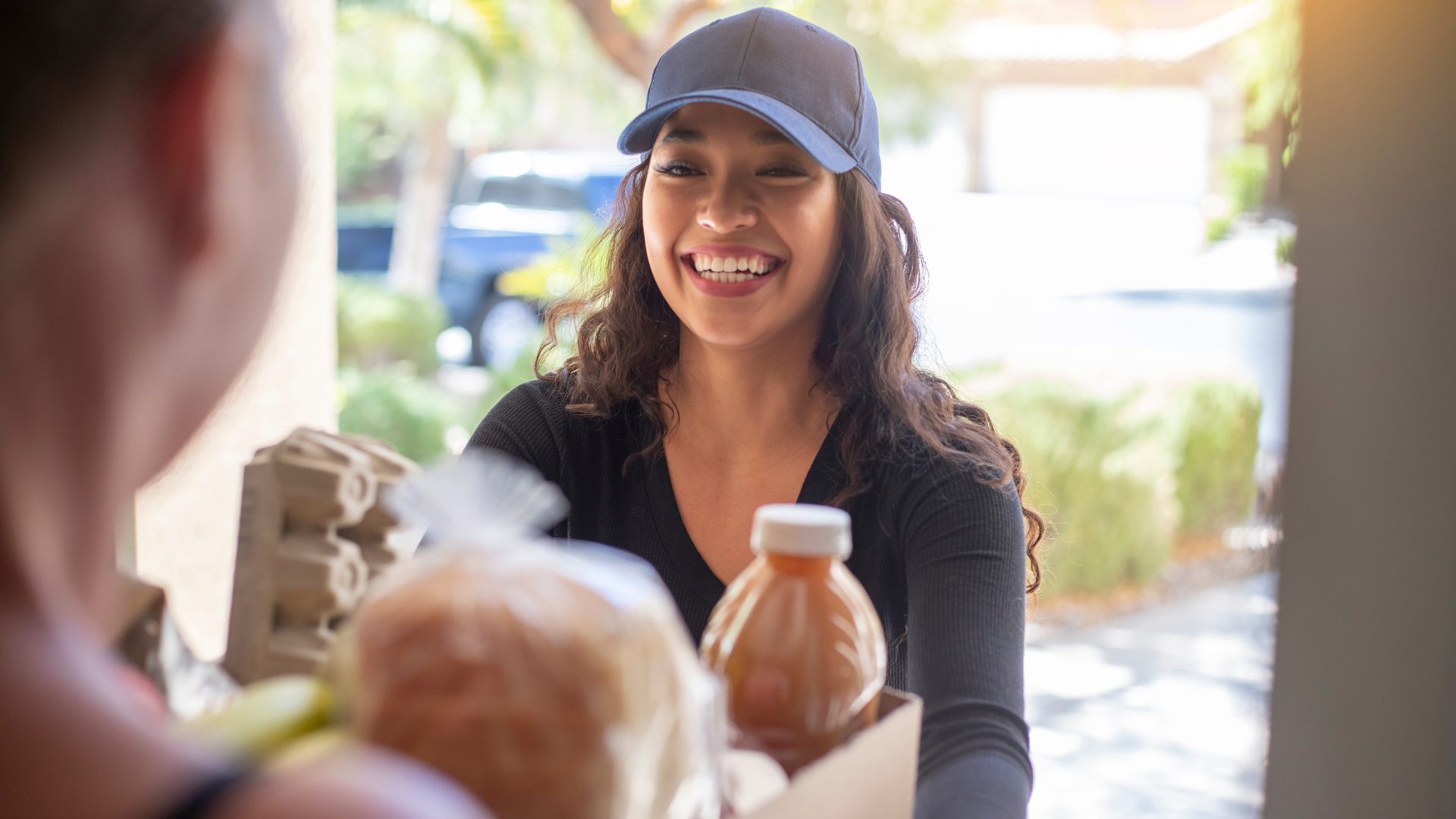
Amazon’s $10B grocery blitz just got fresher, as Prime members in 1,000+ cities now get free Same-Day Delivery on perishables. With Whole Foods integration and bold logistics, Amazon’s rivals have cause for concern.
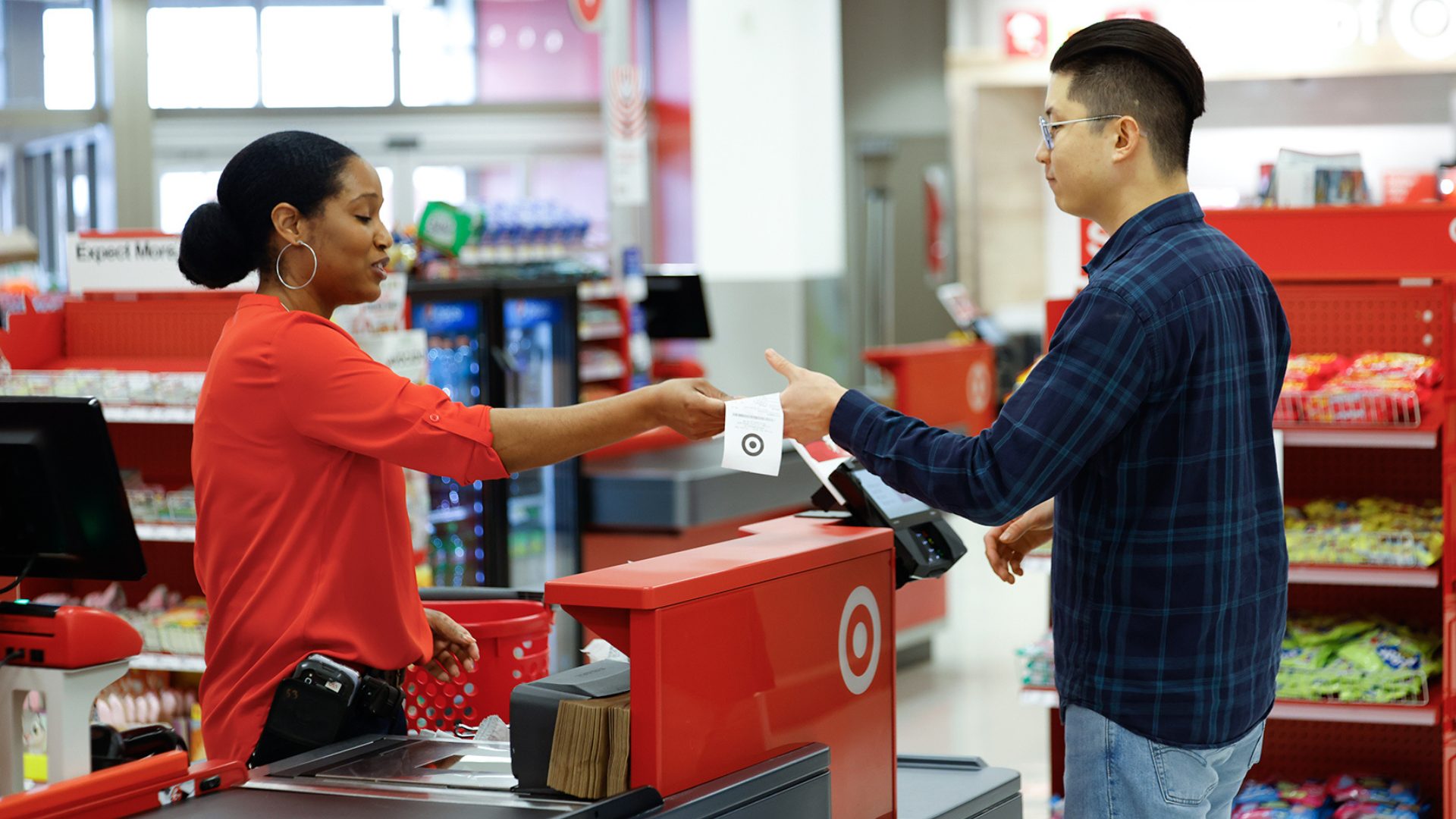
Target’s internal doubts mirror its external struggles, as the retailer loses ground to rivals in pricing, e-commerce, and brand clarity. With leadership in flux, even employees question whether a comeback is possible.

Americans get over half their calories from ultra-processed foods. New research, guidelines, and expert advice offer a roadmap for healthier eating habits.

Tariffs are rattling global supply chains and inflating costs across the food industry, with India boycotts and U.S. shoppers trading down. As inflation bites, legacy brands brace for deeper margin pressure.

Climate change is fueling banana crop diseases like Fusarium and Black Sigatoka, slashing exports and threatening global food security. Fresh Del Monte feels gene-edited resistance is a game-changing lifeline for the $25 billion banana industry.

Halal certification is gradually becoming a coveted recognition as the population of Muslim consumers continues to grow globally. The secular business case for the certification, however, is equally as compelling, as shoppers care more about the traceability and humane standards of the products in their cart.
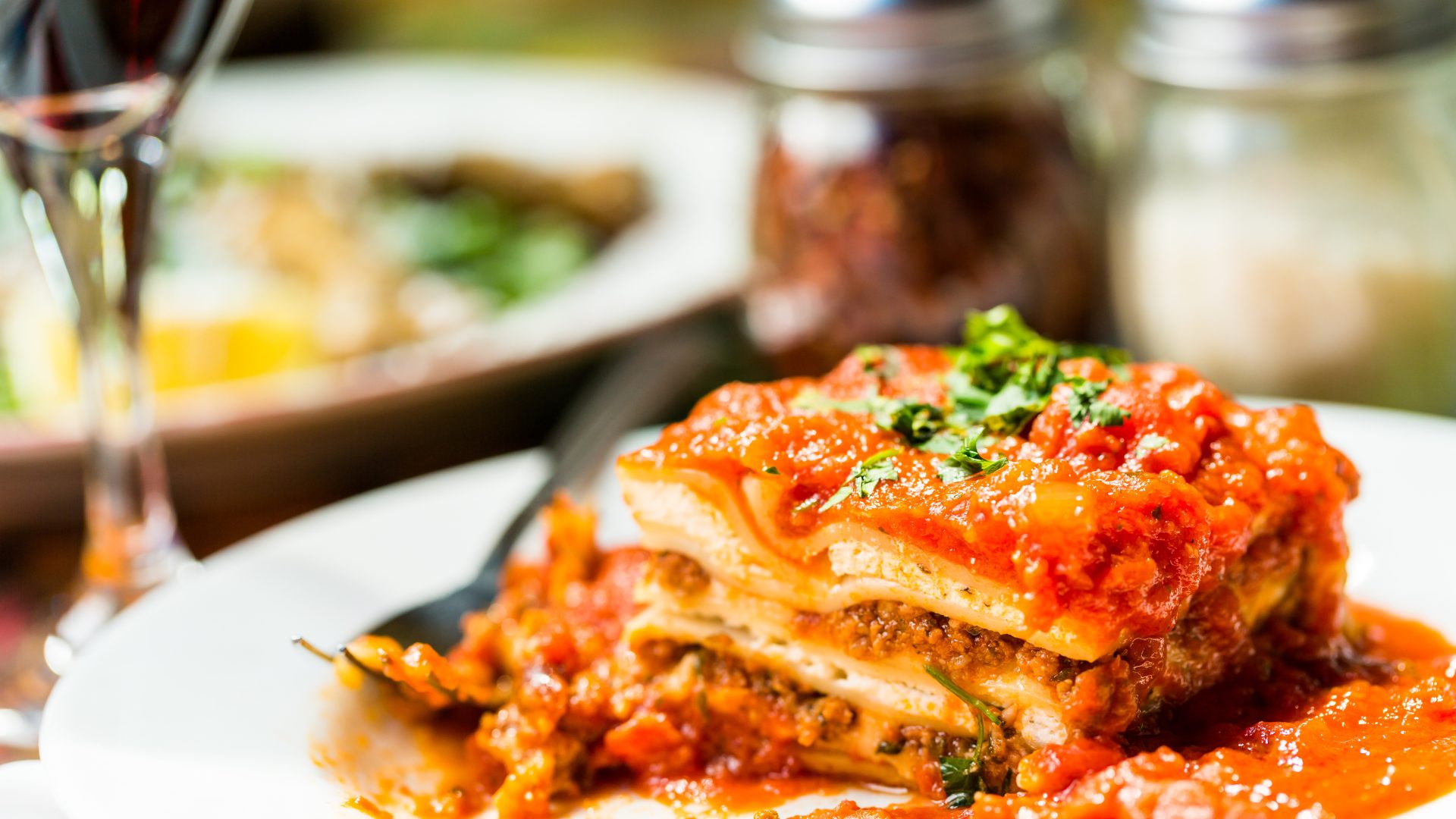
According to a new report, among sit-down restaurant chains, Outback leads in experience, Cheesecake Factory impresses with its menu, and Chili’s wins on value. Yet, few chains excel across the board. Olive Garden’s comeback proves that simplicity, smart promos, and operational focus drive success.
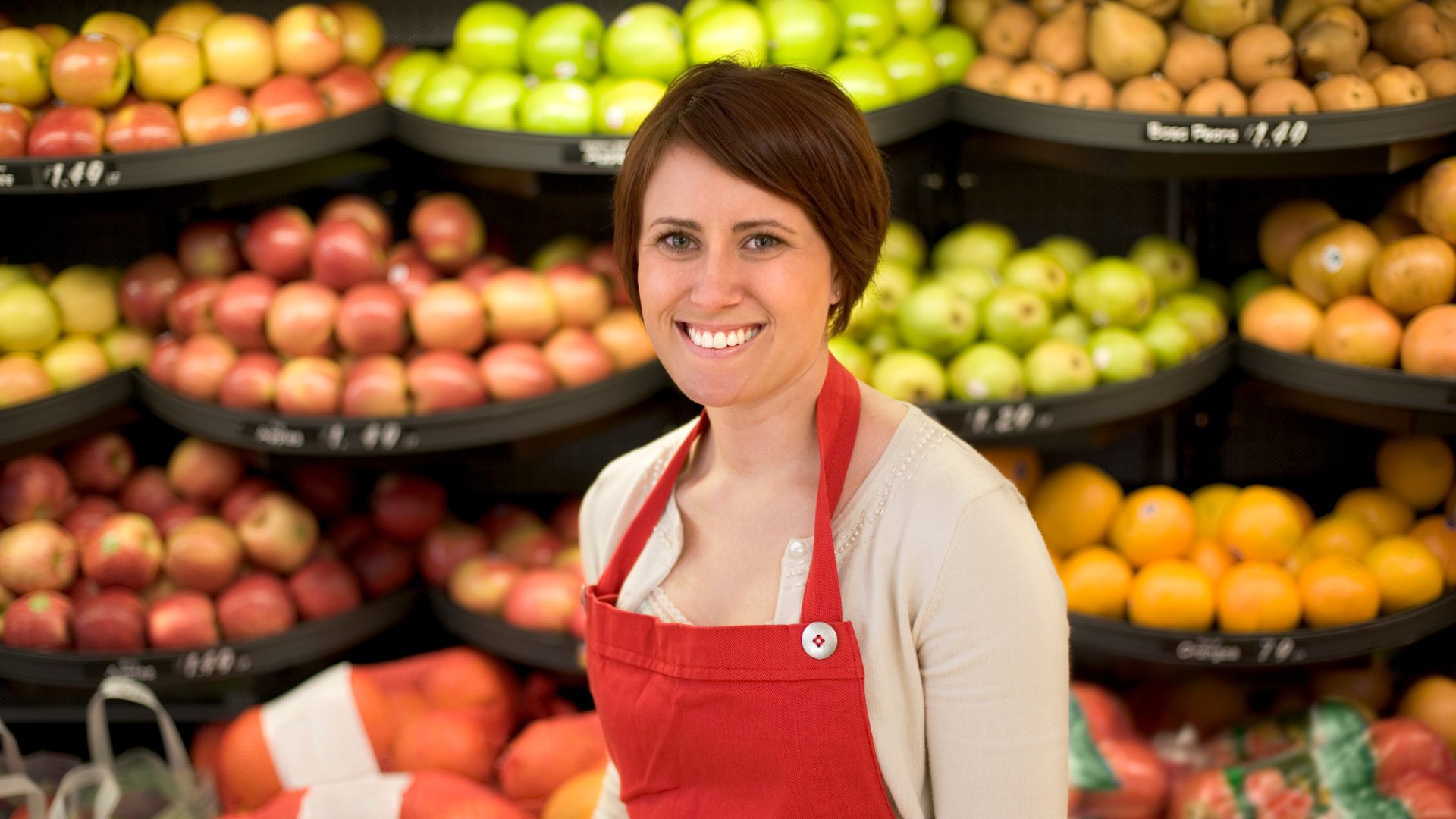
Within the grocery environment, fresh grocers in the first half of the year greatly outperformed their competitors, thanks to industry tailwinds prioritizing unique offerings and healthy food. In a recent webinar, two industry powerhouses discussed the implications of these macrotrends on the F&B landscape.

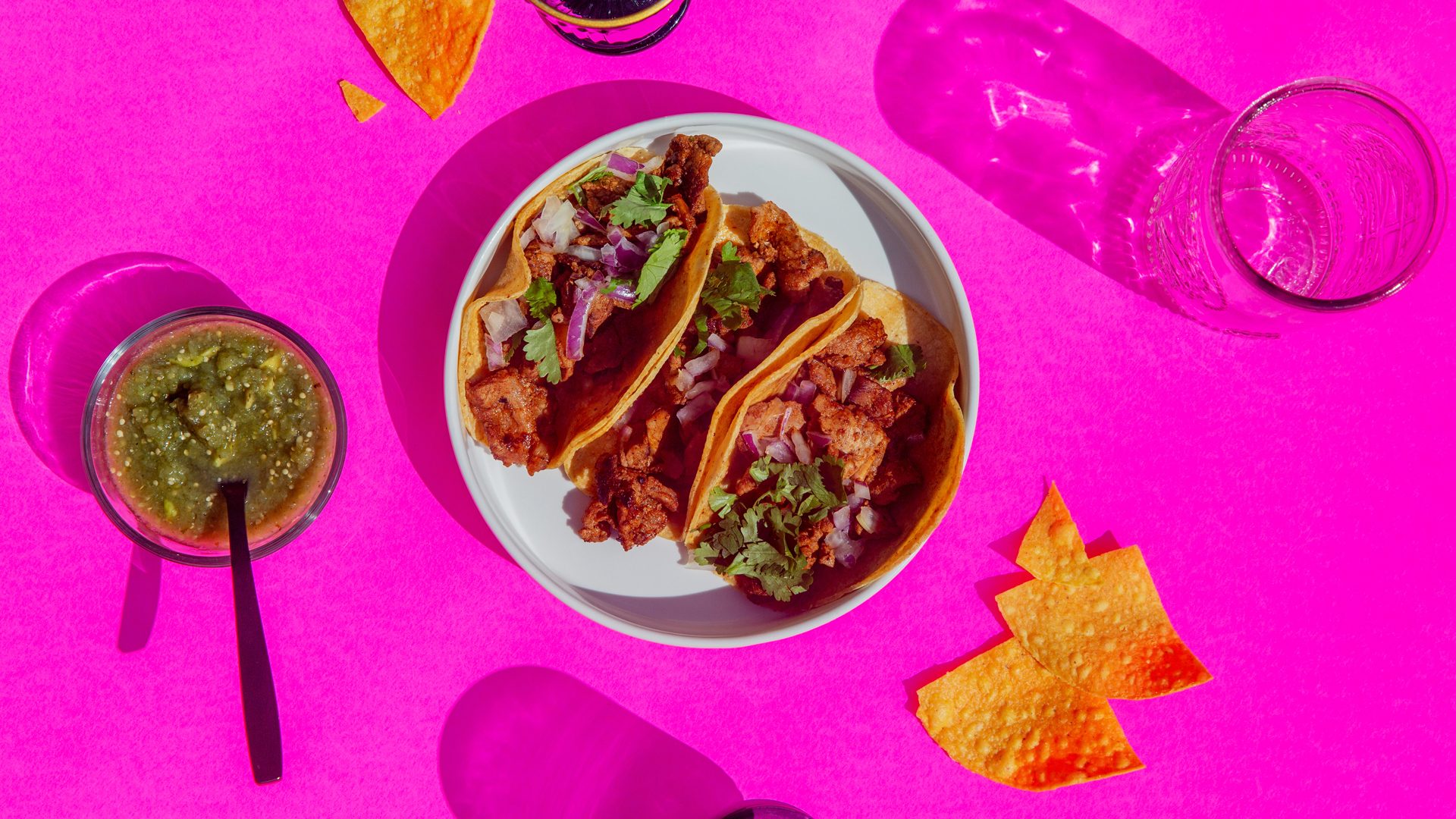
Latin American consumers are reshaping the U.S. food landscape, driving flavor trends and outpacing growth across F&B sectors. Their cultural influence is now a bottom-line opportunity businesses can’t afford to overlook