There were lots of AI ads. Ben Affleck, as well as Liquid Death, provided the laughs. Lay’s tugged at viewers’ heartstrings. As the Seattle Seahawks overwhelmed the New England Patriots in the NFL title game in Santa Clara, Calif., Sunday, the Super Bowl ads provided the lion’s share of entertainment for viewers.
Some commercials for Super Bowl 60 cost north of $10 million, according to msn.com. Research from Azira shows that 30-second Super Bowl ads cost $8 million this year. The NFL, once again, sold out its entire inventory of ads for the big game.
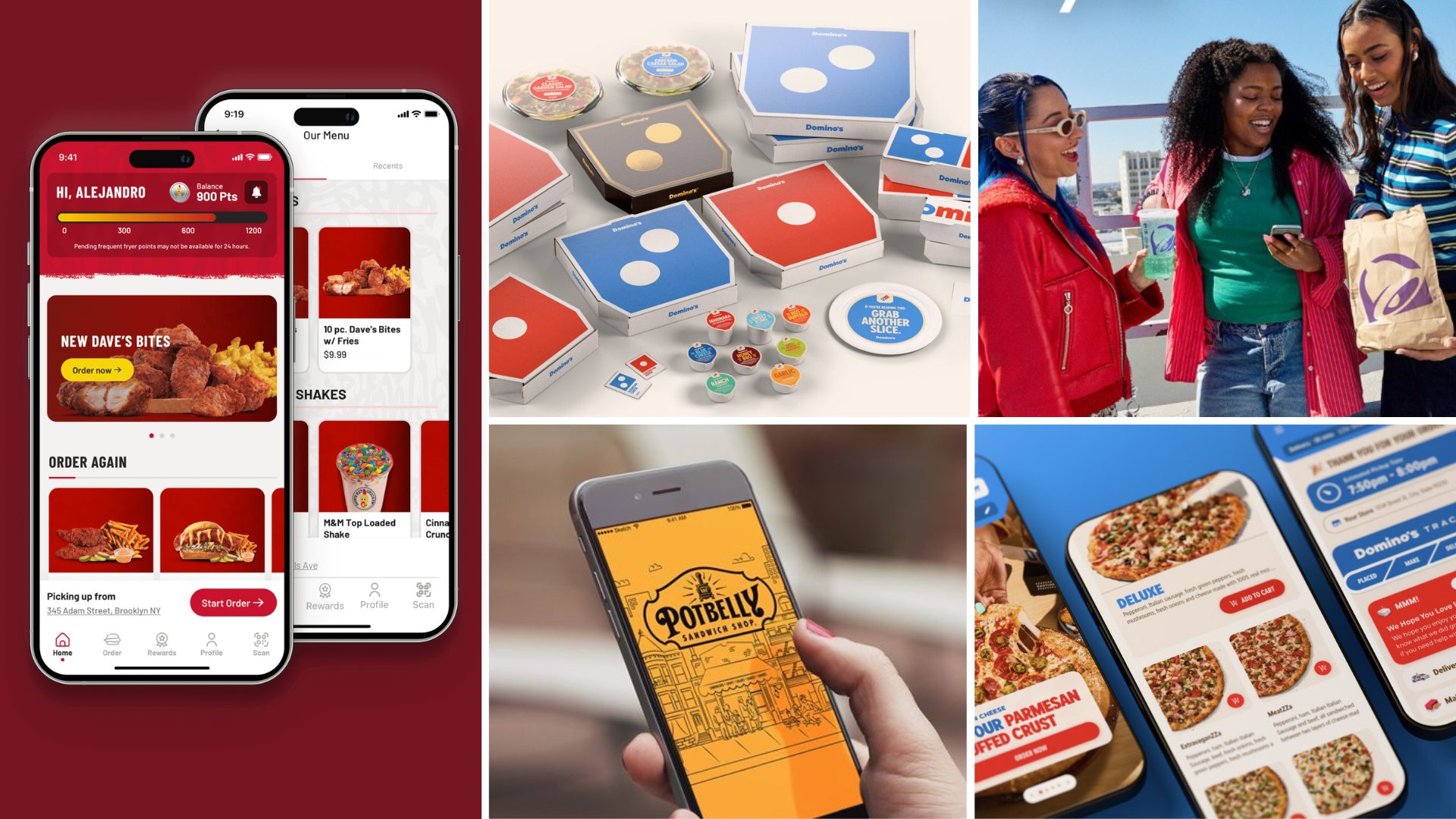
Many F&B brands produced ads for Super Bowl 60 that were scrutinized on social media. More than a few called upon big-name celebrities, in ads that tended to lean into humor. For example:
- Ben Affleck, Jennifer Aniston, and a cast of stars advertised Dunkin’
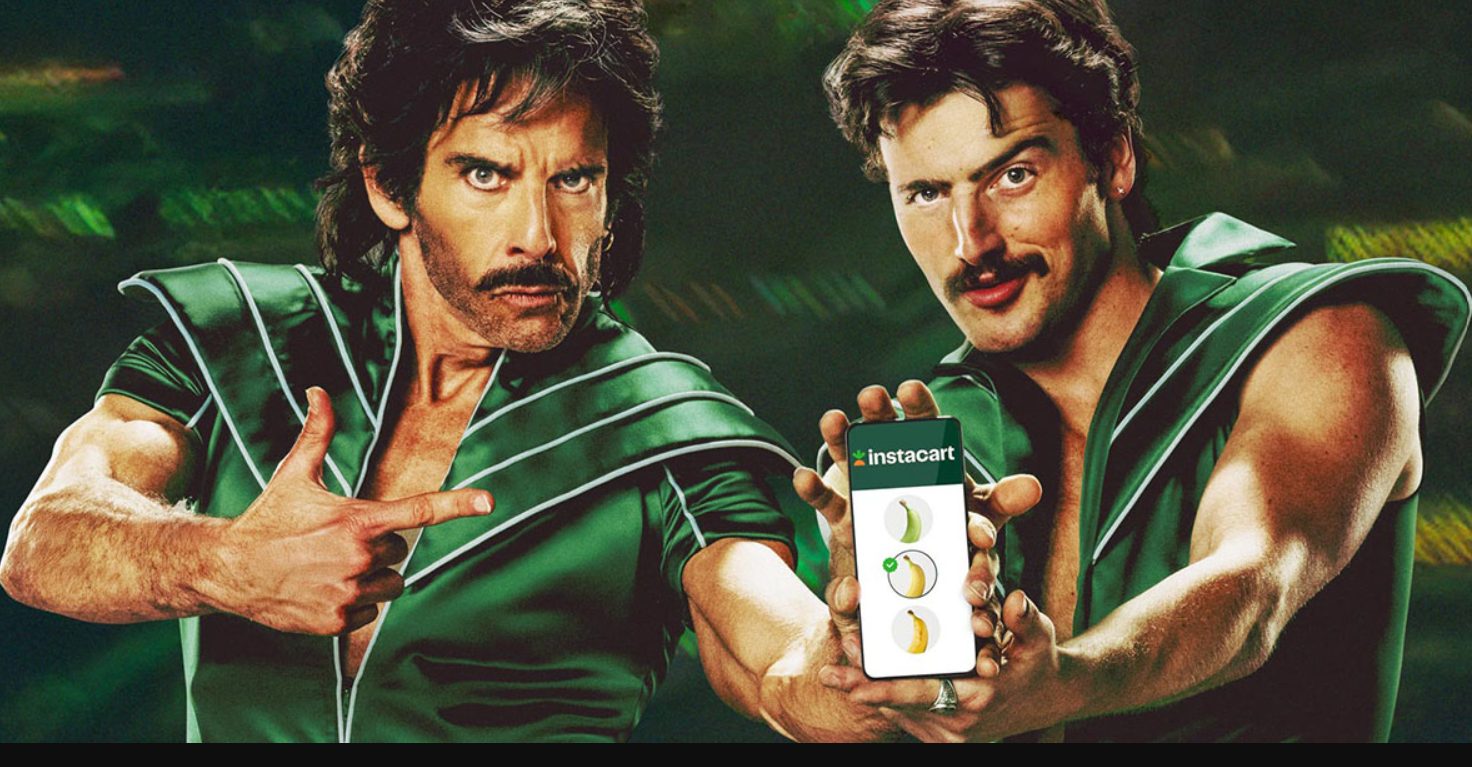
- Ben Stiller teamed with musician Benson Boone on behalf of Instacart
- Kurt Russell stole the show in a Michelob ULTRA ad
- Pringles starred singer Sabrina Carpenter
“When the world feels heavy, people want relief, and the Super Bowl has always been a permission slip for brands to entertain,” Chuck Meehan, chief creative officer of The Pavone Group, told The Food Institute.
“In the food and beverage space specifically, Pepsi’s ‘The Choice’ performed very well according to our research, at 4.2 stars,” said Vanessa Chin, SVP of marketing at System1. “Pepsi (made) a bold and cheeky move on Coca-Cola territory.”
This year, the NFL banned ads from prediction markets during the Super Bowl, as reported by Front Office Sports. The league also prohibited ads promoting tobacco or adult content.
“Yes, (that decision) probably left some money on the table, but the NFL isn’t hurting for demand, and this feels like a very intentional, long-game decision,” Meehan said. “The Super Bowl isn’t just a sporting event, it’s one of the few true all-ages, all-audience moments left in culture. When you’ve got families, kids, grandparents, and casual viewers all watching together, brand safety matters.”

Yes, during the NFL’s championship game, the stakes are unquestionably high for advertisers.
“If someone [in the audience] goes to the kitchen or bathroom at breaks, you’ve lost $7 million,” noted Lisa Kovitz, a veteran media strategist who worked on Volkswagen’s memorable “Baby Vader” campaign.
So, what makes for an effective Super Bowl ad? According to experts, for an ad to resonate with the big game’s audience, it needs to feature a few key elements, such as surprise, star power, emotion, or humor.
“A great Super Bowl ad connects emotionally on a human level,” Steve Crafts, chief of brand strategy at Place Creative Co., told FI.
According to industry experts, one Super Bowl ad stood out above all others this year.
“I love the Budweiser horse/eagle ad,” said Gail Sideman, publicist at gpublicity, referring to Anheuser-Busch’s spot that featured a Clydesdale teaching a baby bald eagle how to fly.
“It doesn’t get more American than that,” Meehan said of the beer ad. “Those two symbols together immediately tap into something emotional and familiar, and Anheuser-Busch knows exactly how to use that to tell a story that feels bigger than the product.”
A great Super Bowl ad lives in a narrow but powerful space – it’s eye-opening and memorable, but not enough to shock or offend a massive audience.
“Finding that balance is everything. You understand the idea instantly, even if it surprises you,” said Mark Himmelsbach, founder of ad-tech platform RYA. “It introduces a slightly risky thought, joke, or emotion, then grounds it in something deeply familiar: a shared truth, a recognizable tension – a human behavior that everyone’s felt.”
Food for Thought Leadership
It’s undeniable that restaurants were challenged heavily in 2025, but what does that mean for 2026? Foodservice industry veteran John Inwright discusses the prospects for a new year, what’s working for successful operators, and the headwinds and tailwinds that could define the year.