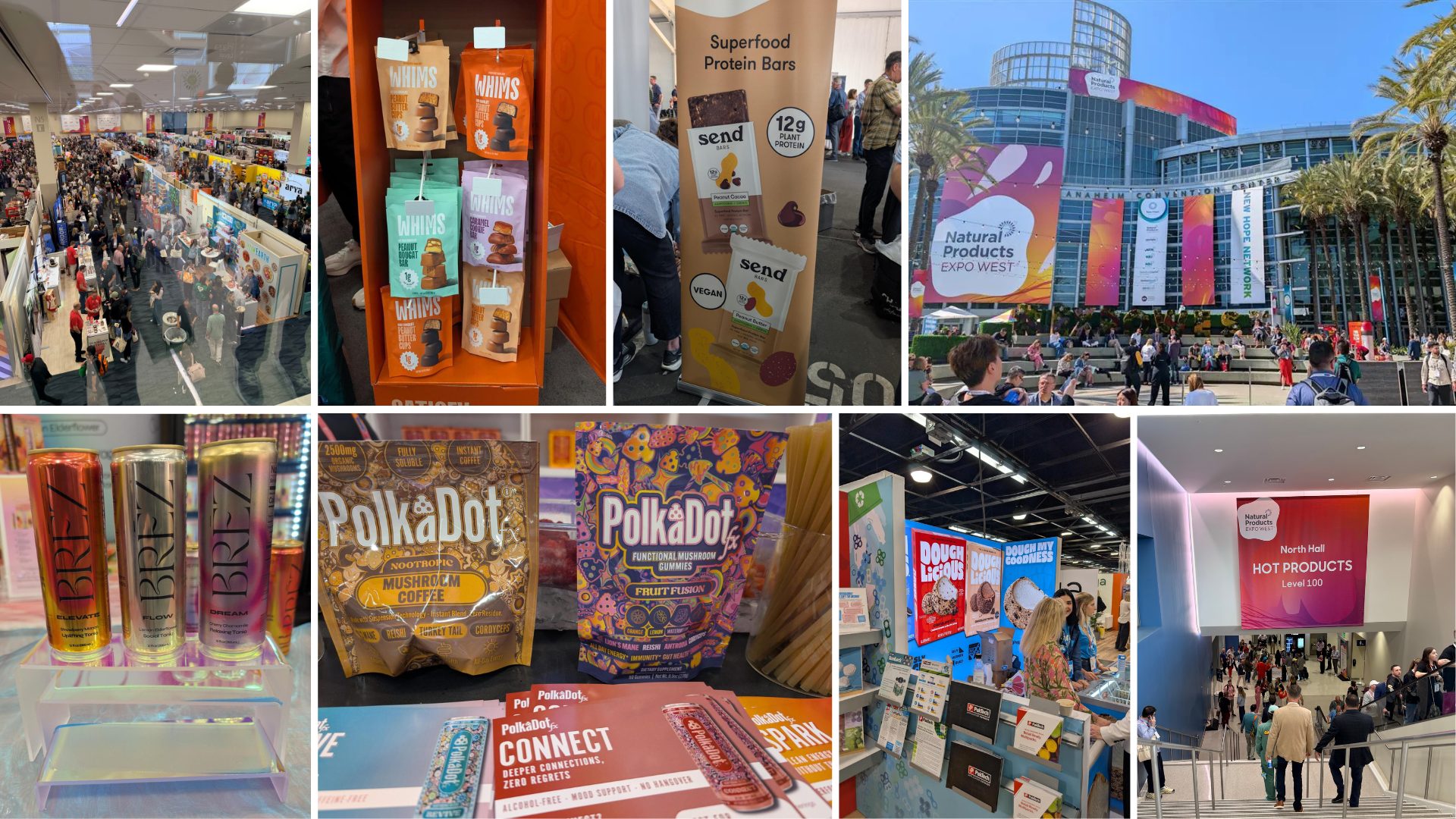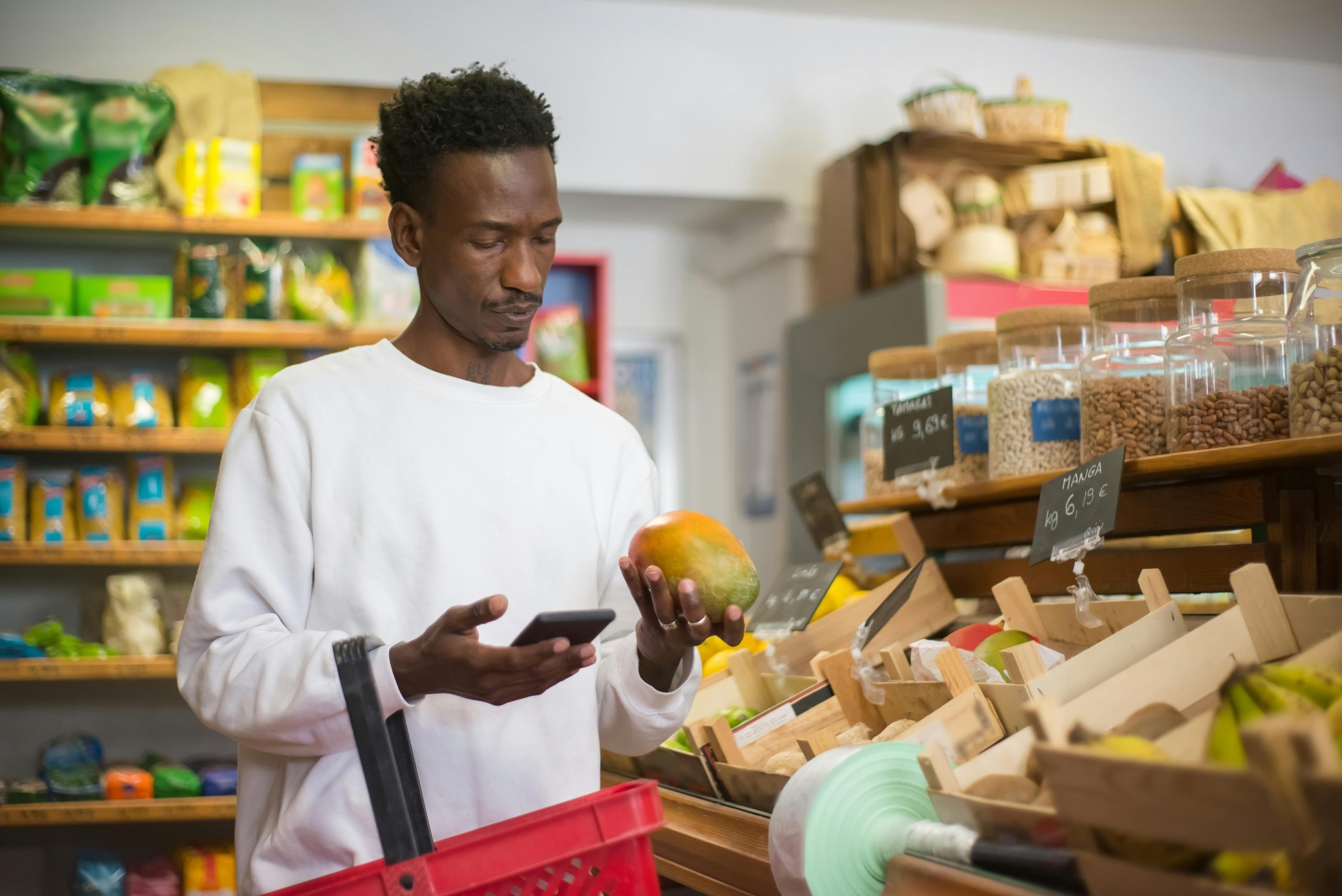
A $20 dollar smoothie? In this economy?! Believe it or not, there is a market for it, and a slew of luxury grocery stores are capitalizing. Luxury grocers are booming by selling “affordable luxuries” to affluent and Gen Z consumers who treat premium food as an experience.
Erewhon, Meadow Lane and a bevy of other high-end retailers are thriving by enticing customers such as upper-class, millennial parents with the appeal of a shopping lifestyle that lends itself to social media.
But, is this sustainable, or will these grocery stores become a fad that eventually falls by the wayside? Below, experts weigh in on the potential longevity of luxury grocers.
Are Luxury Grocers Sustainable in Current Conditions?
In 2026, the U.S. is enduring a K-shaped economy, meaning many are spending less, but the upper class is largely continuing to treat itself. These treats include premium grocery products.
Data from Algolia shows that 20% of all respondents splurge on grocery items when they have discretionary spending.
Luxury grocery stores curate a lifestyle that today’s consumers often crave; new flavors, elevated experiences and an intangible quality that just makes them feel unique and elevated, Elizabeth Lafontaine, director of research at Placer.ai, told The Food Institute.
“For younger consumers, many of these locations are in major cities, and their virality, along with the merchandising and store aesthetics, has made them a ‘must-visit’ for both locals and visitors,” Lafontaine explained.
Experience-led boutiques like Meadow Lane thrive on social media and the so-called “treat economy.”
“For affluent Gen Z and Millennials, a $15 snack isn’t just food; it’s an affordable luxury that replaces larger, unattainable expenses like home ownership or eating out at very expensive New York restaurants,” said Karen Green, director at Buyerology.
Betting on Affluent Consumers
The economy has been rough for many consumers at length, as evidenced by higher credit card, auto loans, and mortgage delinquencies. However, upper-class shoppers are enjoying the wealth effect of rising equities and property values. This cohort, along with the capital boom in data center construction, is holding up the US economy, said Michael Cramer, CEO at Adagio Teas.
“Luxury grocery stores will remain popular as long as the K-shaped economy persists and wealth continues to flow disproportionately to the top of the letter,” Cramer said. “It’s widely reported that the top 10% of U.S. households account for about half of overall consumer spending, so it makes sense for retailers to create products for this small but very affluent cohort.”
In an economic downturn, luxury grocery purchases tend to polarize.
“In tough economies, people above a threshold cut big indulgences and protect small ones. A $20 smoothie at Erewhon or a premium prepared meal from Whole Foods is not just a product. It’s a ritual. It’s a moment of self-treat on a hard day. It’s a reinforcement of identity,” said Aaron Shields, executive director, experience strategy at Landor.
These retailers target higher-end consumers who value a luxury in-store experience. And while consumers may pull back on bigger purchases when they’re feeling economically constrained, they still seek out smaller indulgences that can be found at a store like Meadowlane or Erewhon, experts note.
“This puts pressure on these (high-end) stores to not only cater to their core customer, but to also make their stores inviting, relevant, and enticing enough to generate enough sustained foot traffic and sales to be successful,” said Justine Melman, CMO at Optimum Retailing.
The Key to High-End Grocers’ Longevity
Luxury grocery shopping that’s built on experience and meaning appears likely to hold up for the foreseeable future.
Brittain Ladd, supply chain and business analyst fractional executive at Brittain Ladd, Inc., feels the economy may pressure spending, but it won’t eliminate demand for premium grocery.
“Luxury grocery stores that combine experience, convenience, values-driven branding, and smart pricing strategies will continue to attract customers, especially younger generations who see food as identity, lifestyle, and self-expression,” Ladd said.
Food for Thought Leadership
In this episode, The Food Institute sits down with William Grand, founder and CEO of NutriFusion, to examine the growing health crisis tied to ultra-processed foods—and what it will take to fix it.