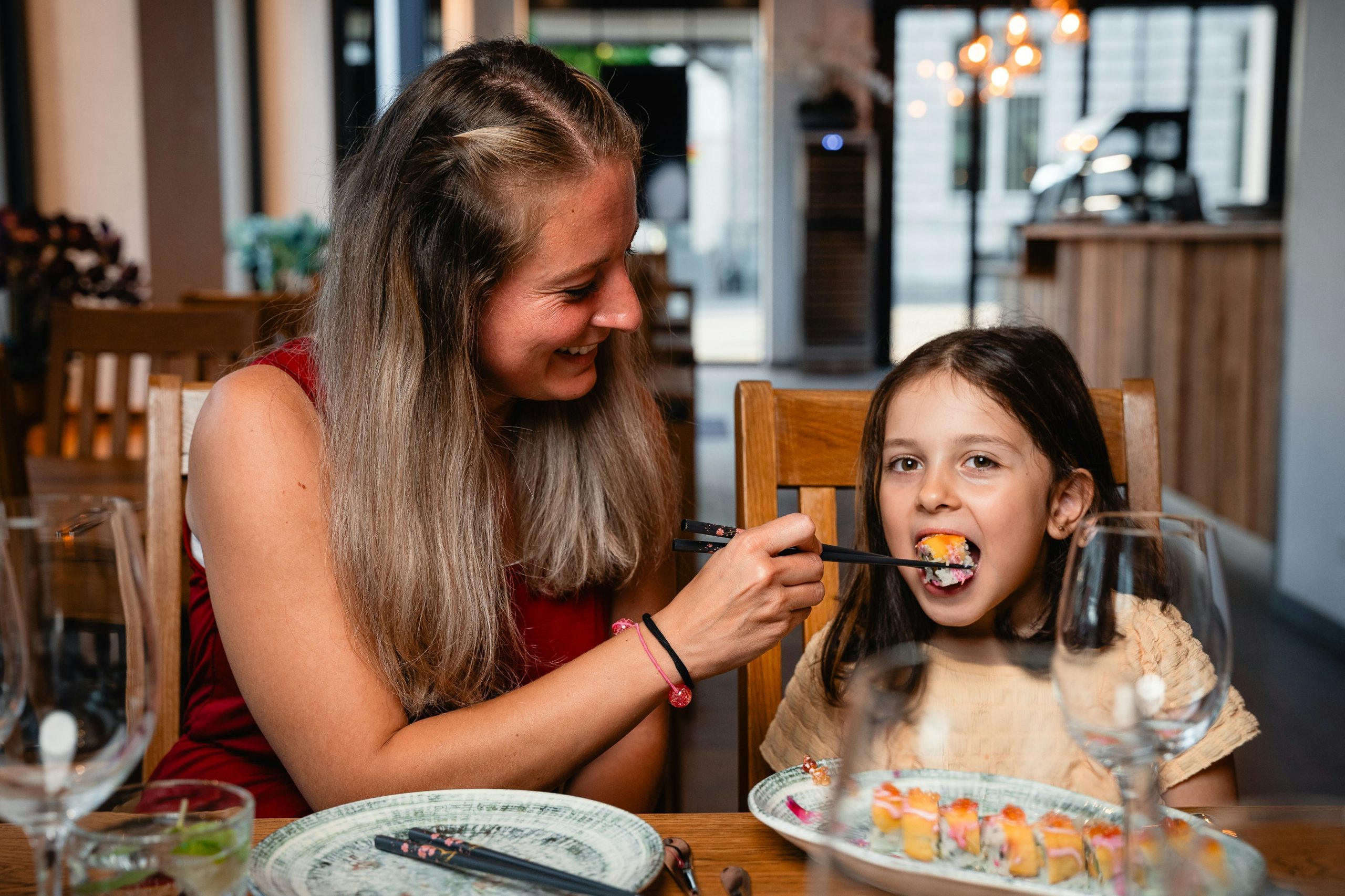
Texture is all the rage with younger diners – especially Gen Alpha – and the young cohort has become obsessed with sushi in particular.
“Gen Alpha is really developing a more adventurous taste profile, and kids are really liking the overall mouthfeel and texture of sushi especially,” said MenuData CEO and co-founder Sunny Khamkar in his presentation during the inaugural Foodservice Insights Virtual Summit hosted by The Food Institute in mid-March.
Khamkar noted that sushi has evolved from a niche, “acquired taste” into a normalized, everyday option for kids, tweens, and teens. And while many of their parents appreciate that the global cuisine is a fresh, lighter, and higher-quality alternative to traditional kids’ favorites like pizza or chicken nuggets, it often comes with a hefty price tag.
As a matter of fact, The Wall Street Journal published an article with the attention-grabbing headline “Parents Are Going Broke From Their Kids’ Sushi Obsession” earlier this year.
So, how did Gen Alpha become so obsessed with sushi in the first place?

Are Parents the Main Culprit?
Ben Tannenbaum, who writes Proof Points, a weekly newsletter on eating and drinking culture and the F&B industry, believes that their parents are mostly to blame – yep, the very same ones who are freaking out a bit over the sushi bill.
“In my opinion, the best part of this story, which most people miss, is who these parents are,” Tannenbaum told The Food Institute.
“Sushi spent 30 years systematically making itself less scary. Magnetic conveyor belts. Supermarket grab-and-go. By the time Gen Alpha had opinions about food, sushi wasn’t exotic. It was just available. That’s the actual origin story and good context for this trend,” Tannenbaum told FI.
“Now layer in the parents. Gen Alpha’s parents are Millennials, the generation that normalized sushi in America in the first place. Sushi was our sophistication marker. Not intimidating. So, we shared it with our kids early and often, raising them in homes where sushi wasn’t a special occasion,” Tannenbaum added.
The Power of Cultural Transmission
Tannenbaum believes that this is as much of a ‘cultural transmission’ story as it is a food trend.
“Millennials’ first real sushi experience felt like crossing a threshold. Gen Alpha has no threshold memory. The child inherited the taste without the journey. This means their relationship with sushi is fundamentally different … if spicy tuna is your floor, you need omakase to get excited,” he explained, noting that this phenomenon happens with nearly all things that are transmitted rather than discovered.
“Second-generation immigrants typically have a more complicated relationship with their parents’ homeland cuisine than their parents do. The food arrives without the context that gave it meaning. The transmission story is also the category maturity story,” Tannenbaum said.
He also pointed out the “comedic irony” of Millennials, who were mocked for more than a decade over their willingness to shell out the big bucks for avocado toast, now beginning to stress about the cost of their kid’s omakase habit: “Millennials accidentally raised kids with even higher baseline taste expectations.”
As a Millennial who’s spent a fair share of my hard-earned dollars on both avocado toast and sushi over the years, it’s hard to argue with that logic.
Where Does Pop Culture Come In?
While I agree with the points above, I also have a strong suspicion that pop culture has played an integral role in shaping Gen Alpha’s sushi obsession.
Last summer, I interviewed Maricel Gentile, chef and owner of Maricel’s Kitchen in New Jersey, for a story about Gen Z’s love for unique textures, who had co-founded Boba Haven LBI with her son, Paul Martin Gentile, after noticing how deeply textures were resonating with Gen Z.
She also launched anime-inspired cooking classes at Maricel’s Kitchen a few years ago at the suggestion of her two sons, who both love bubble tea, mochi, and “all things from Asia – especially Japan,” which gave her a front row seat for how Gen Z is “shaping the future of food through curiosity, creativity, and cultural connection.”
“Gen Z grew up with K-pop, anime, and reviews of ramen shops on TikTok. They’re hungry for authenticity,” Gentile told FI.
“But what’s really exciting is how textures are a big part of that experience – chewy, jiggly, gooey, crunchy, stretchy. Whether it’s a chewy tapioca boba ball or bowl of ramen with that perfect egg, they love when food feels fun and interactive.”
Although Gentile was talking about Gen Z specifically, I can’t help but wonder if this love for Japanese culture trickled down to the generation below them as well.
After all, cultural transmission is a powerful influence.
The Food Institute Podcast
This Episode is Sponsored by: City National Bank
John Linehan, president of Irresistible Foods Group, explains how organizational charts are being supplanted in the Capability Era and how a new vision of leadership is growing within the food and beverage industry in this episode guest hosted by City National Bank’s Shahe Kassardjian.