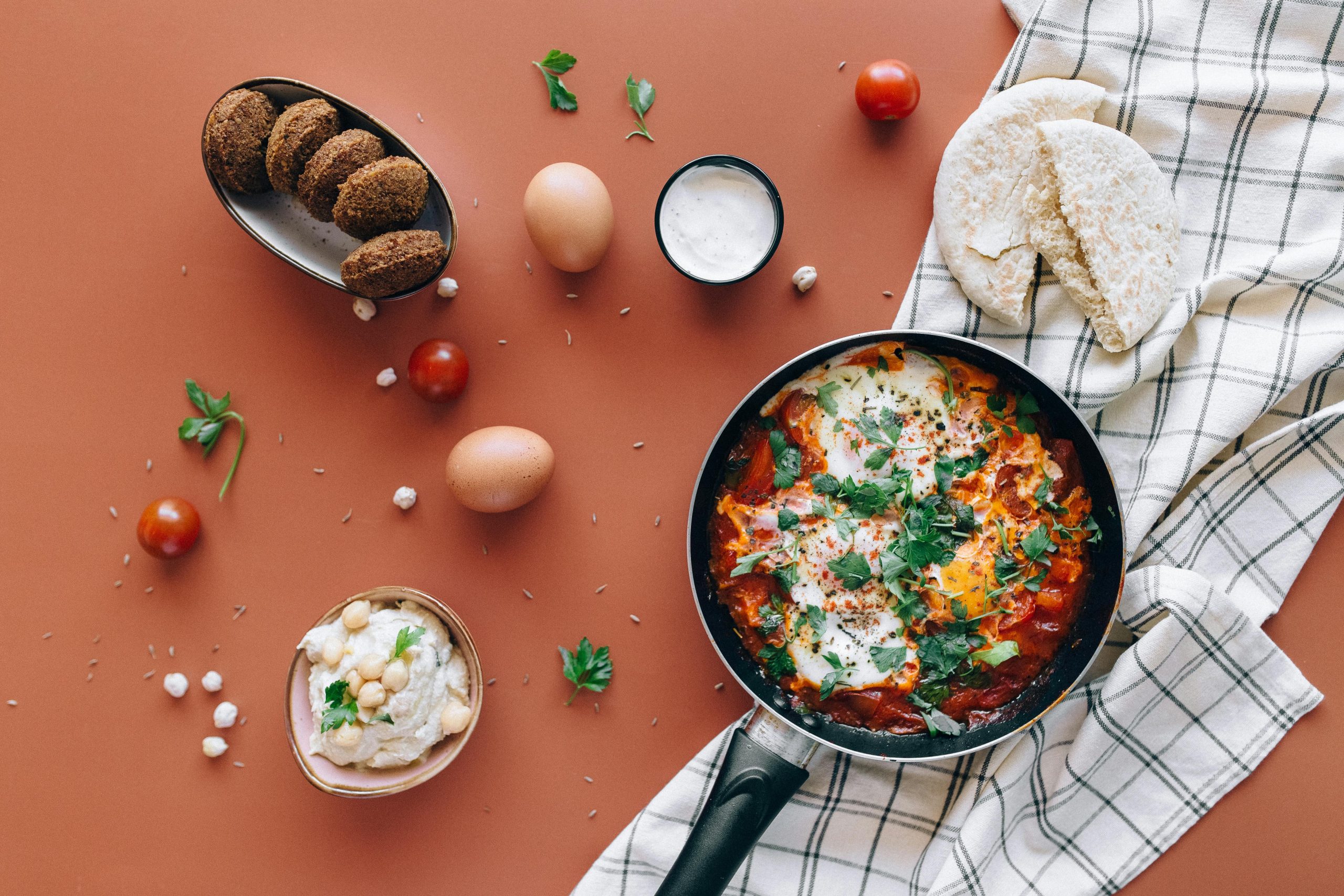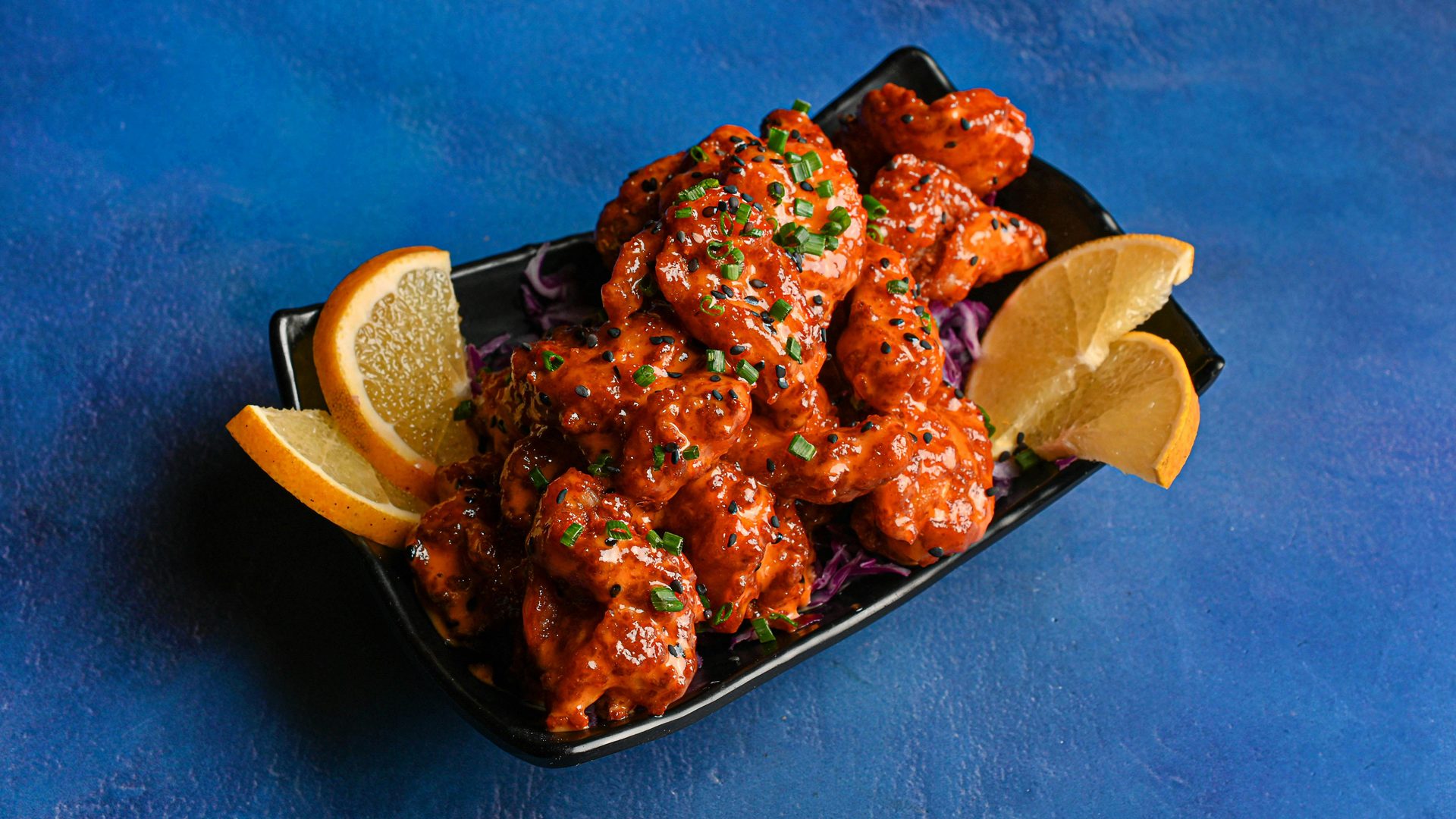
Diners searching for the exotic increasingly have been turning to extra-spicy foods, inspired by global tastes and TikTok, triggering a revolution in the food and beverage industry.
The trend isn’t just apparent in America, either. Bloomberg reported Singapore’s Bugis Market boasts more than a dozen restaurants serving hotpots simmering with Sichuan peppers and driving out bland Cantonese eateries. Berlin saw 6,500 participants in its annual chili festival, up from 500 in 2020, and “swicy” – sweet and hot – dishes have been popping up on TikTok.
Rubix Foods data shows 66% of consumers are likely to purchase an item advertised as spicy.
Additionally, Rubix Foods’ findings showed that 44% of consumers would pay more for a spicy item, and 48% would choose a spicy version over an original menu item. The top candidates on which to turn up the heat: chicken wings, sandwiches, burgers, chicken tenders and nuggets, as well as French fries or tater tots.
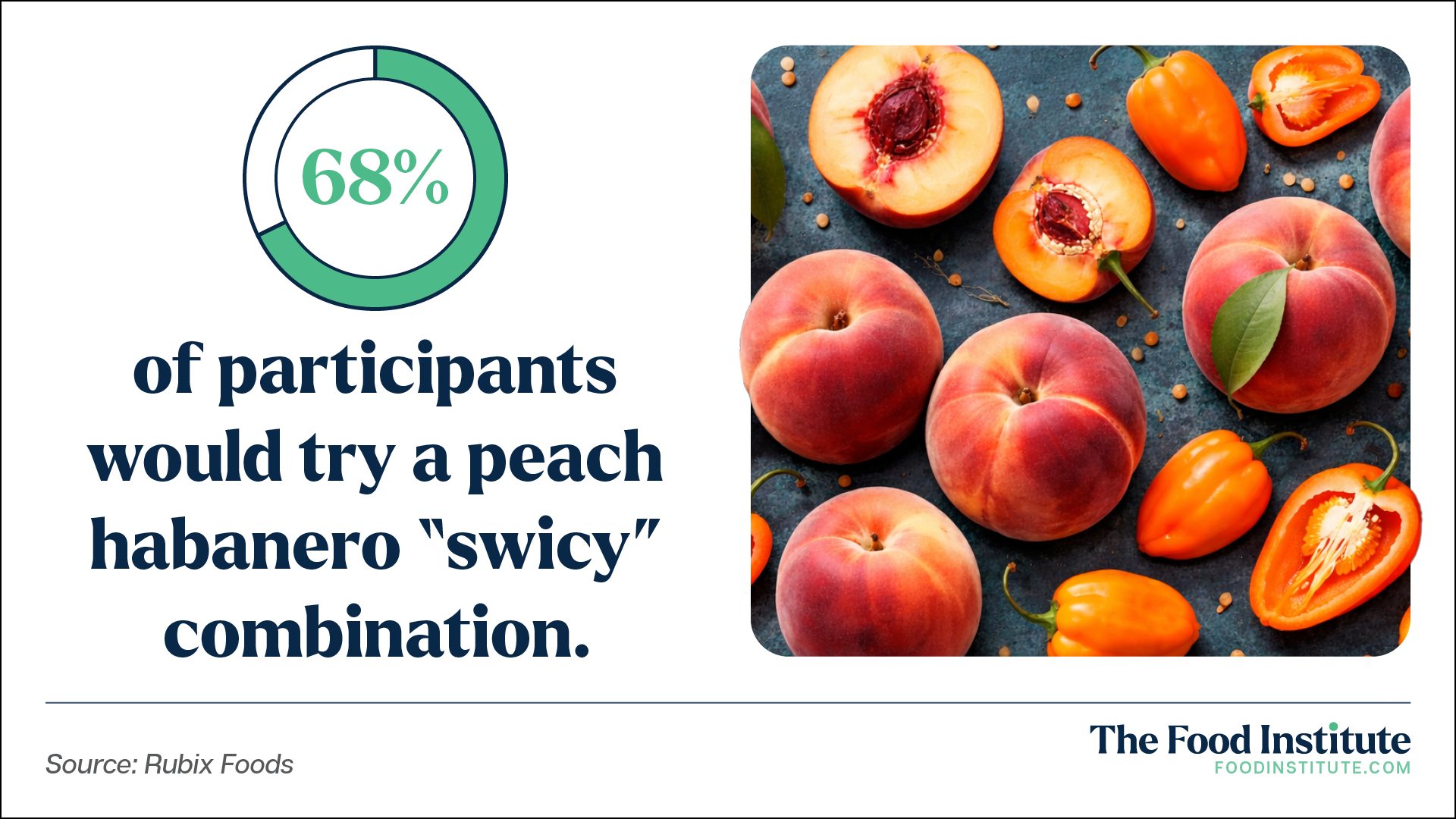
The aforementioned data indicate habanero peppers gaining the most interest with 68% saying they’d like to try peach habanero, and 56% saying the combo would go especially well on chicken tenders.
Other popular spicy flavors these days, according to Rubix Foods’ research, included:
- Ghost peppers
- Calabrian
- Aji Amarillo
- Thai chili peppers
“Consumers are gravitating towards flavor-building spices and chili varieties that add character, not just burn,” Shannon O’Shields, VP of marketing at Rubix Foods, told The Food Institute.
“The days of attention-grabbing, tear-jerking, must-sign-a-waiver spicy flavors are fading away. Consumers want approachable heat levels,” O’Shields said.
The marketing expert added that smoky, tangy, fruity and slightly sweet layers are resulting in popular swicy flavor combos. Pairing peppers like habanero or ghost pepper with unexpected flavors like mango, honey or peach creates the craveable sweet-heat balance that consumers want to see on menus, O’Shields added.
Emmy Clinton, founder, cook and recipe creator at Entirely Emmy, said that, in 2026, nearly every menu contains a “blazing-hot item” drawn from Thai, Sichuan or Indian cuisines.
“Eateries want to actively seek to grab the attention of their customers by keeping what they offer relevant. Spicy dishes do very well culturally because they scream authenticity,” Clinton said.
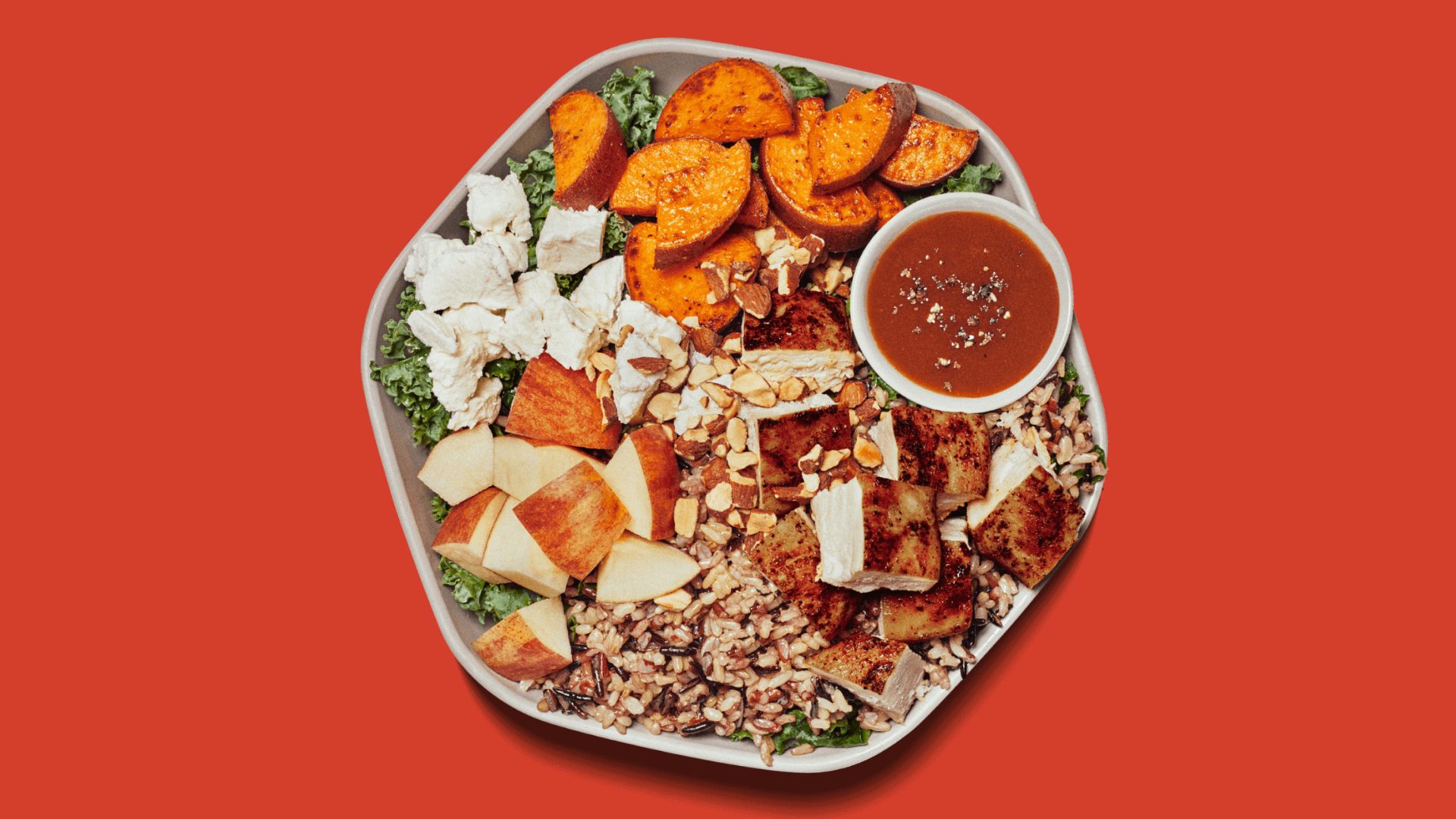
O’Shields noted Shake Shack recently introduced a Korean-style menu while Cava, Sweetgreen and Just Salad all added sweet heat items like harissa chicken bowls and hot honey chicken salads.
“The spice trend has been led by our ‘flavor passports,’” said Grace Bryan of Juicy Brick.
“Over the past five years, this [spice trend] has ramped up,” Bryan said.
“We now see it in every corner of the F&B industry, from CPG brands launching spice forward (or swicy) products and limited-edition flavors, to the hospitality space where even spicy noodles are served on planes.”
Perhaps the most noticeable is the rise of Korean and Japanese flavors.
“Everything from chili oil to Gochujang has become a basket staple,” Bryan said. “We tried it in restaurants, watched it on TikTok and cooking shows, and now it’s in our cupboards. Right now, we are in the early phases of a new infatuation: India. As we know, the array of spices there is insane, so I expect to see more mustard seeds, cardamom, and turmeric appearing on menus and back-of-pack labels.”