If you want to understand where food culture is heading, don’t look at traditional trend reports. Look at TikTok.
The 10-year-old social media platform has become one of the most powerful engines shaping what people crave, cook, and buy. And its influence is no longer confined to home kitchens – TikTok now drives menu innovation, accelerates product development cycles, and reshapes how CPG brands think about flavor, format, and speed.
Food trends no longer trickle down from chefs or media outlets. They mainly emerge from creators, spread globally in hours, and appear on grocery shelves and restaurant menus within weeks. The brands pulling ahead are the ones that understand this shift and operate at “creator speed.”
TikTok: The World’s Most Dynamic Food R&D Lab
Short‑form video has made food irresistible. Quick cuts, sizzling audio, dramatic reveals; TikTok turns simple dishes into craveable experiences. But the real magic is cultural: creators have built a global community where experimentation is the norm and “camera‑worthy” ideas spread instantly.
This is why trends like cloud bread (3.4 billion views), pancake cereal (1.6 billion views), and pasta chips (1.1 billion views) didn’t just go viral – they became commercial products.
And brands are taking notes. Here’s just a few examples:
- Belgian Boys launched a limited-run Pancake Cereal SKU after the trend exploded, leaning into playful packaging and nostalgia.
- MadeGood introduced Baked Oat Cups, tapping into the “healthy but cake” baked-oats trend with a ready-to-eat format.
- Flourish rolled out high-protein Mug Cake mixes, directly mirroring the viral microwave mug cake format.
TikTok isn’t just influencing culture but rather shaping product pipelines.

Viral Food Trends: A Proven Growth Engine
When a dish goes viral on TikTok, foodservice operators feel it almost immediately. Most viral items see explosive short-term menu growth. A few examples:
- Cloud Bread: +200% menu growth
- Pasta Chips: +192%
- Mug Cakes: +165%
- Nature’s Cereal: +567%
Restaurants are responding promptly. Panera, for instance, leaned into the “charged lemonade” trend by amplifying UGC and launching new flavors tied to creator buzz. Chipotle also repeatedly added TikTok-inspired “creator hacks” to its digital menu, including the viral Fajita Quesadilla collab with influencer Keith Lee.
The message is clear: operators who respond quickly to TikTok trends capture outsized attention.
LTOs Help Capitalize on Viral Moments
Large operators are increasingly using limited-time offers (LTOs) as a low-risk way to test TikTok-inspired ideas. LTOs can be launched fast, paused easily, and priced at a premium.
And consumers are willing to pay more. Over 90% of TikTok-trending menu items command higher prices than their regular counterparts. Plus, viral-inspired LTOs outperform standard LTOs on price and velocity.
Brands are already using this playbook. Dunkin’ partnered with Charli D’Amelio to launch “The Charli,” turning a creator-driven drink into a national LTO that boosted app downloads. Additionally, Popeyes amplified the viral chicken sandwich phenomenon of the Original 2019 Chicken Sandwich launch with limited drops and scarcity marketing, fueled by TikTok reactions.
LTOs are becoming the bridge between digital hype and real-world revenue.
Viral Trends Are Becoming Real Products
What’s fascinating is how quickly these trends are being commercialized. A few examples from recent TikTok-born trends:
Brands such as The Cloud Bread Company are exploring shelf-stable whipped mixes and pastel “cloud rounds” for cafés and retail. Retailers like Boarderie, Trader Joe’s and Costco have expanded curated charcuterie kits, while specialty brands offer QR-linked “build along with creators” experiences.
Meanwhile, brands like Flourish and Kodiak have embraced the microwave-first indulgence trend.
This is the new innovation cycle: TikTok → creator adoption → consumer replication → brand commercialization → menu integration.
Ingredients Are Going Viral Too
It’s not just dishes. Ingredients like matcha, pistachio, hot honey, and dragonfruit have seen massive TikTok-driven growth.
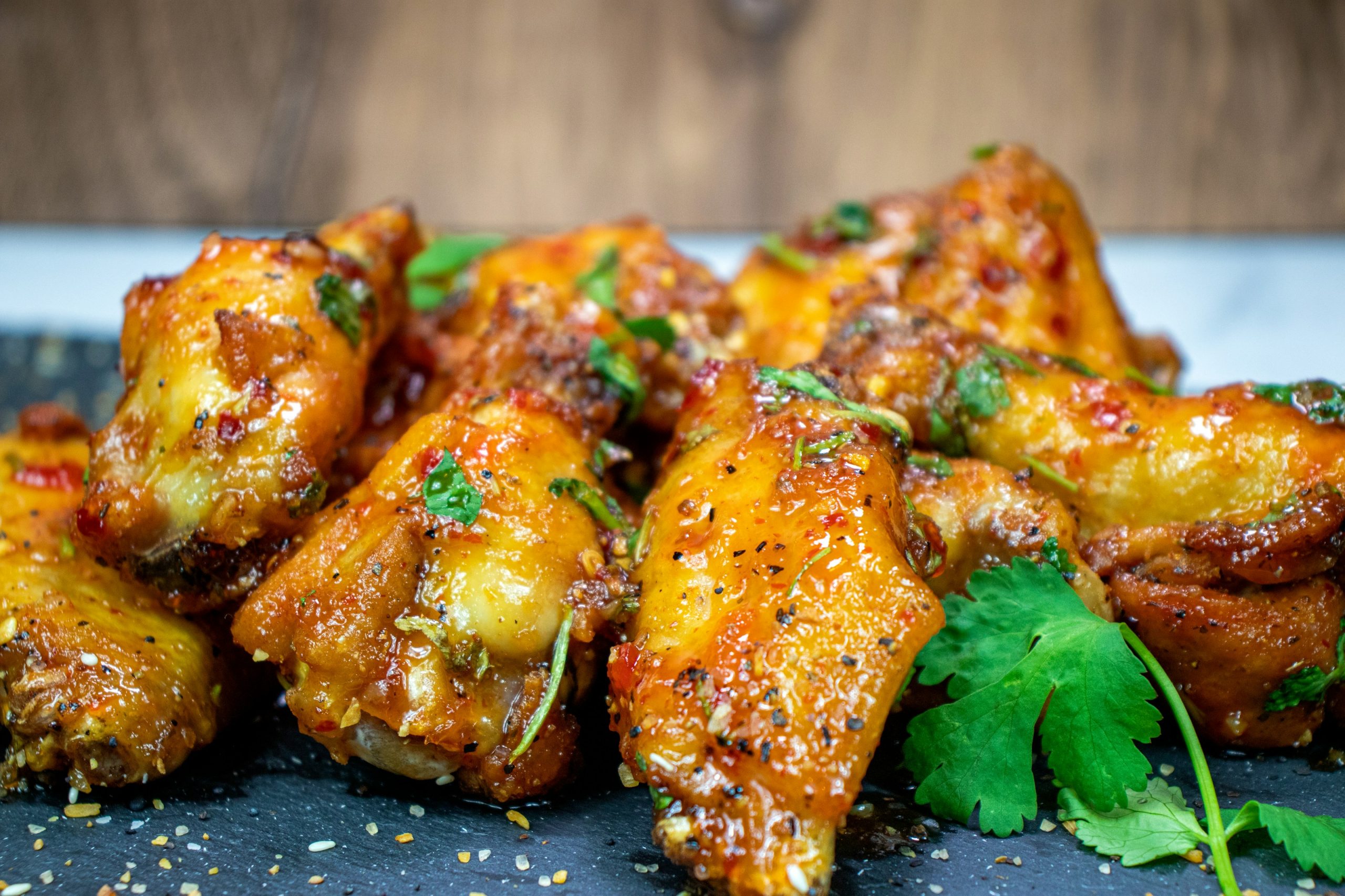
Brands are capitalizing: Mike’s Hot Honey became a household name after TikTok creators like YummyBitesTV and Brandycooks used it on pizza, wings, and even ice cream. Chobani and Starbucks both leaned into the pistachio trend with seasonal pistachio beverages. Also, the Tajin and Chamoy brands saw renewed interest thanks to mangonada and fruit-cutting videos.
Ingredients with existing familiarity tend to sustain momentum, making them strong bets for long-term innovation.
The New Playbook for CPG and Foodservice Leaders
TikTok has fundamentally changed how food trends emerge, spread, and commercialize. To stay ahead, brands need to:
- Monitor TikTok daily as a real-time trend signal
- Prototype quickly and embrace rapid iteration
- Use LTOs strategically to test and scale viral ideas
- Collaborate with creators early to shape demand
- Build products that are inherently “shareable”
The brands that win in this new landscape won’t be the ones with the biggest budgets – they’ll be the ones with the fastest reflexes.
About the authors: Joseph Chen leads Leo & Dragon, an independent insights management consultancy which provides foresight, insight, and market researching services to clients in retail, food & beverage, foodservice as well as beauty and apparel…. Sunny Khamkar is the CEO of MenuData, which aims to empower the world’s largest food & beverage companies with innovation through AI.
Food for Thought Leadership
This Episode is Sponsored by: Koelnmesse
Snacking in the U.S. has been on the rise for many years, but is this a global phenomenon? Sabine Schommer, Director, ISM, and Guido Hentschke, Director, ProSweets Cologne and ISM Ingredients, explore European and global snacking trends, and how the trio of ISM, ISM Ingredients, and ProSweets Cologne serve as a meeting place for the global snacking industry.