Nearly a year into the government’s efforts to ban petroleum-based synthetic food dyes from the U.S. food supply, progress has been steady, but slow.
In fact, only four of the 23 voluntary pledges to remove petroleum-based food dyes have been completed across the industry, according to an FDA tracker. However, even this is misleading, as some of these shifts don’t indicate fewer synthetic dyes in the grocery aisle.
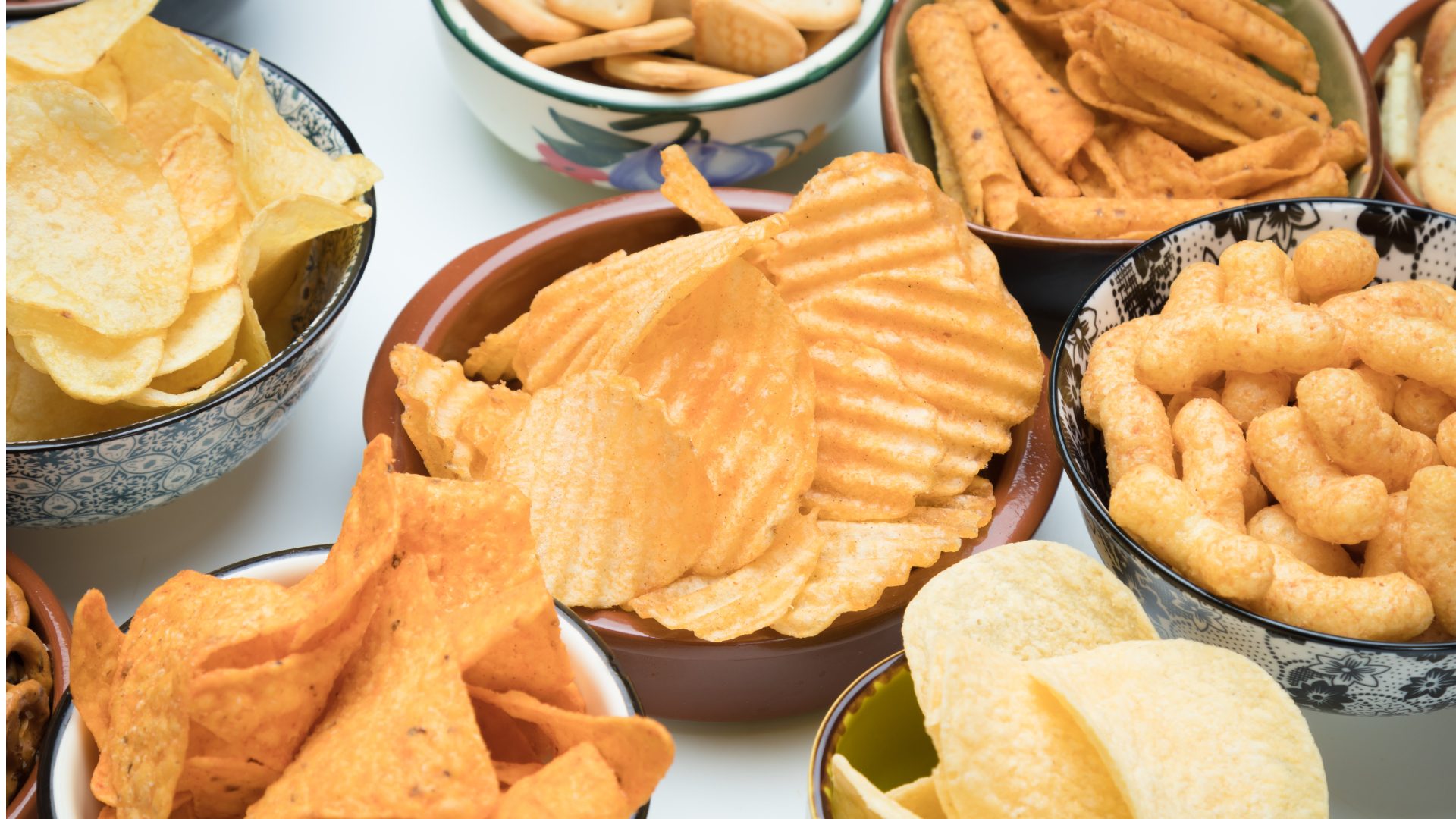
Exhibit A – PepsiCo’s entry boasts new Cheetos and Doritos products made without artificial flavors and dyes, while plans to merchandise their signature legacy, synthetic dye-included product lines remain.

Federal compliance remains voluntary, for the most part, aside from legislation banning Red Dye No. 3 and a proposal to ban rarely used Orange B. On the state level, however, regulatory progress is moving, with a total of 20 bills adopted related to food chemical policy and an additional 48 actively under review, according to the Environmental Working Group.
Nevertheless, the FDA assures it is working with food stakeholders to eliminate these food dyes without the need for legal intervention. Last year, for example, Sam’s Club eliminated artificial colorants from its Member’s Mark line of private label products, while Tyson Foods audited its Tyson, Jimmy Dean, and Hillshire Farm brands.
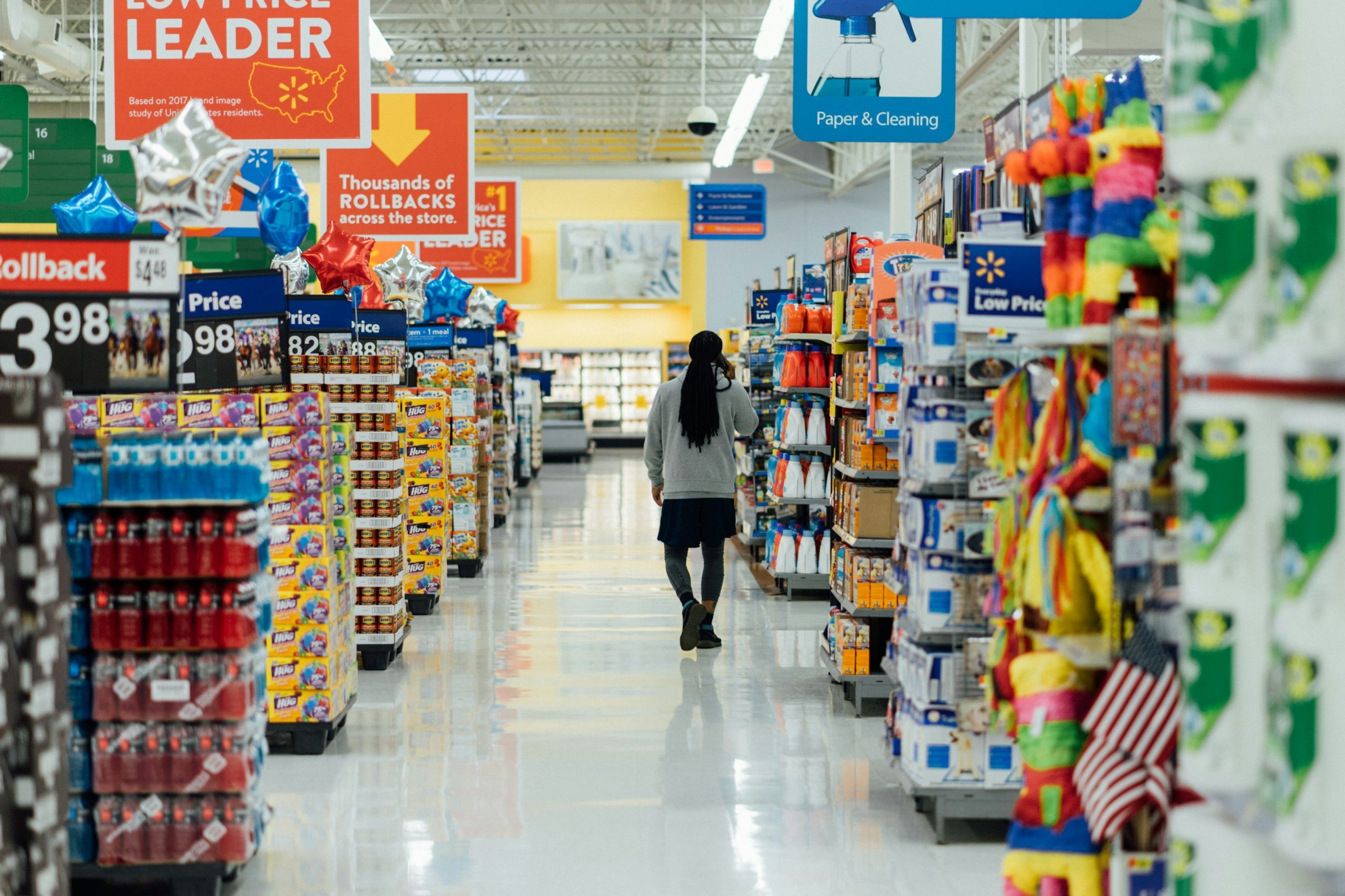
In the years ahead, Kraft Heinz, Conagra Brands, Utz, WK Kellogg Co., The Hershey Company, General Mills, Kellanova, The J.M. Smucker Company, Save A Lot, and Walmart have made explicit pledges to remove artificial colorant-containing products from retail shelves by Dec. 31, 2027. An additional six, including PepsiCo, Mondelez, and McCormick, note that, while not removing their current assortment, they’re working on reformulations to introduce dye-free additions.
A spokesperson for the Department of Health and Human Services told Reuters that, including industry associations, such as the American Bakers Association and the Consumer Brands Association, nearly 40% of the entire CPG industry has made public commitments to removing dyes in the near term.

What Americans Want
These changes are bigger than federal and state legislation.
Consumers are actively seeking alternatives that make them feel better about their personal and family food decisions, independent from larger institutions. Research from CivicScience, for example, found that just under 50% of shoppers say they consider artificial colors and flavors “about half the time” or more when making food decisions, and 80% agree with FDA’s endeavors to remove them.
This conversation is also part of a larger movement against ultra-processed foods, which make up roughly 55% of the U.S. diet, but are widely regarded as “unhealthy” despite their vague definition.
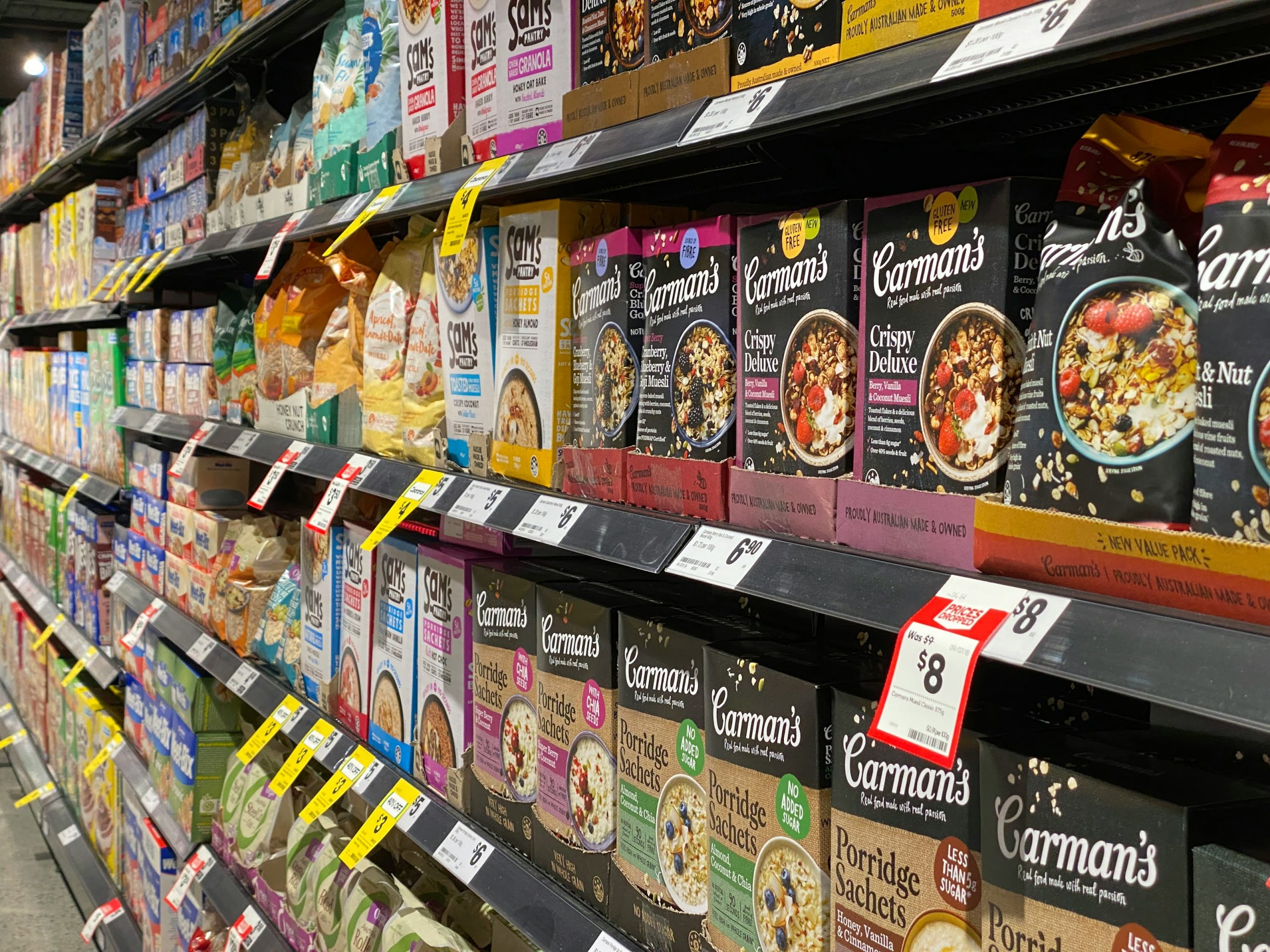
But food consumption and enjoyment are a complex, multisensory experience. Brands like PepsiCo may be testing colorless versions of their products, but consumers will vote with their food dollars to determine if that’s a dealbreaker. Early SKU innovations seem to signal these shifts aren’t leading to price increases, as Walmart retails Doritos Spicy Nacho and Nacho Cheese NKD offerings the same.
However, industry stakeholders worry that these changes will become costly for brands and consumers.
Conagra told Reuters that color is top of mind for their reformulations.
“Something like red velvet cake, it needs to be red, so we’re not going to sell gray velvet cake,” said Conagra CEO Sean Connolly, commenting on why Red 40 is still used in baking mixes.
He added that, although Conagra is looking into alternatives such as beets, supply and cost are a top concern.
Moreover, natural alternatives may have unintended consequences on other factors, such as taste, texture, and shelf life. To this end, the industry is hard at work innovating on solutions. Last year, the FDA approved two plant-based color extracts and calcium phosphate for use in myriad formulas.
Food for Thought Leadership
It’s undeniable that restaurants were challenged heavily in 2025, but what does that mean for 2026? Foodservice industry veteran John Inwright discusses the prospects for a new year, what’s working for successful operators, and the headwinds and tailwinds that could define the year.