Retailers, listen up: the days of the uninformed shopper buying stuff because of the pretty label or simply because of a product’s price are over. Enter the “informed shopper” who researches social media in addition to using artificial intelligence and apps to make decisions, according to research by KeHE Distributors.
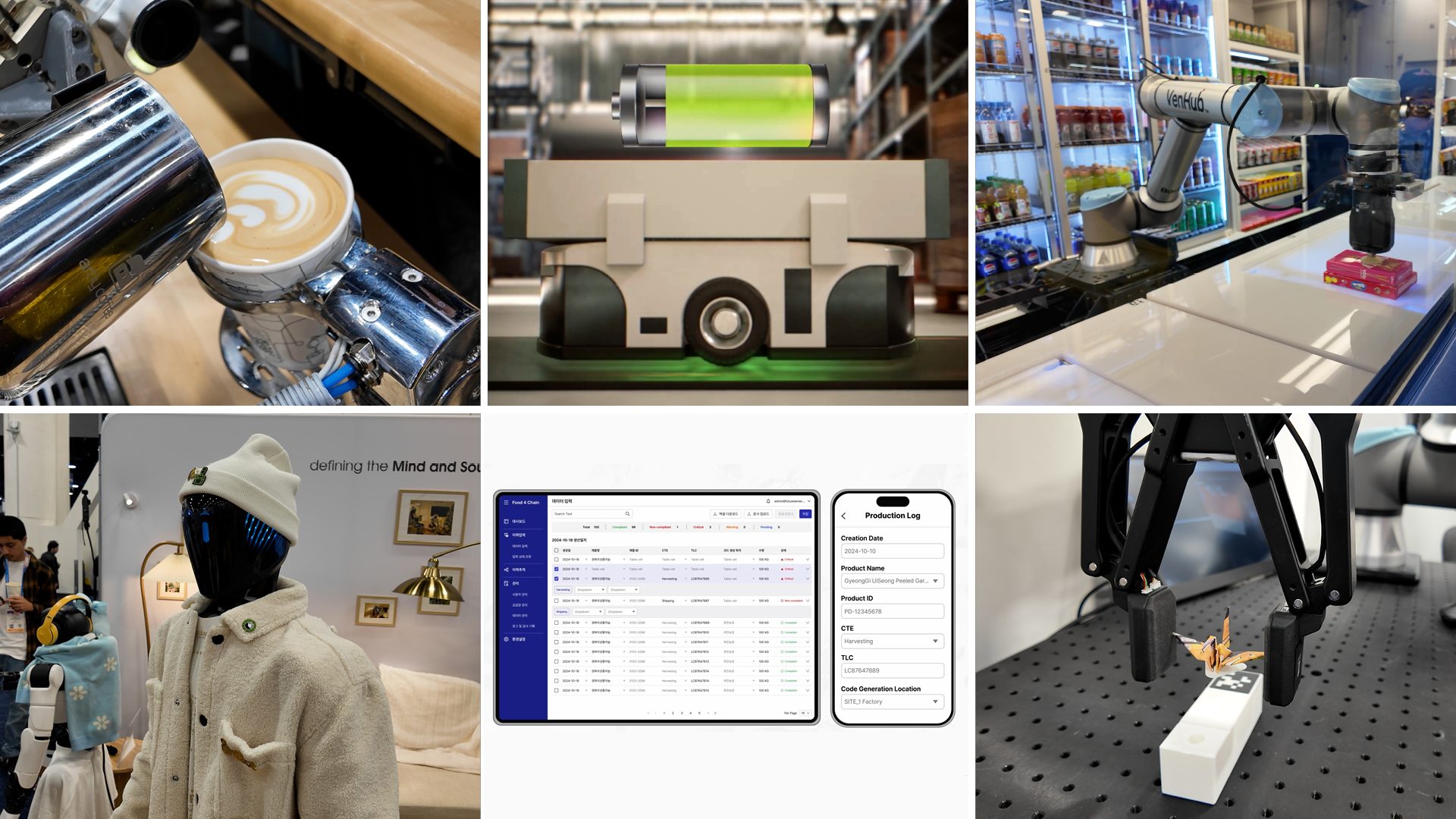
“Over 10 years the physical store landscape will radically evolve to be interactive, and, augmented reality apps will change the shopping experience. Product discovery will not involve printed end caps,” Paul Mandeville, chief product officer, marketing technology at RRD, a 161-year-old global company that offers marketing, packaging, print and supply chain solutions, told The Food Institute.
The “Informed Shopper” was one of five trends KeHE identified. The others are:
- a desire for simplicity
- a return to quality protein
- a craving for innovative flavors
- a technology-driven drive for wellness
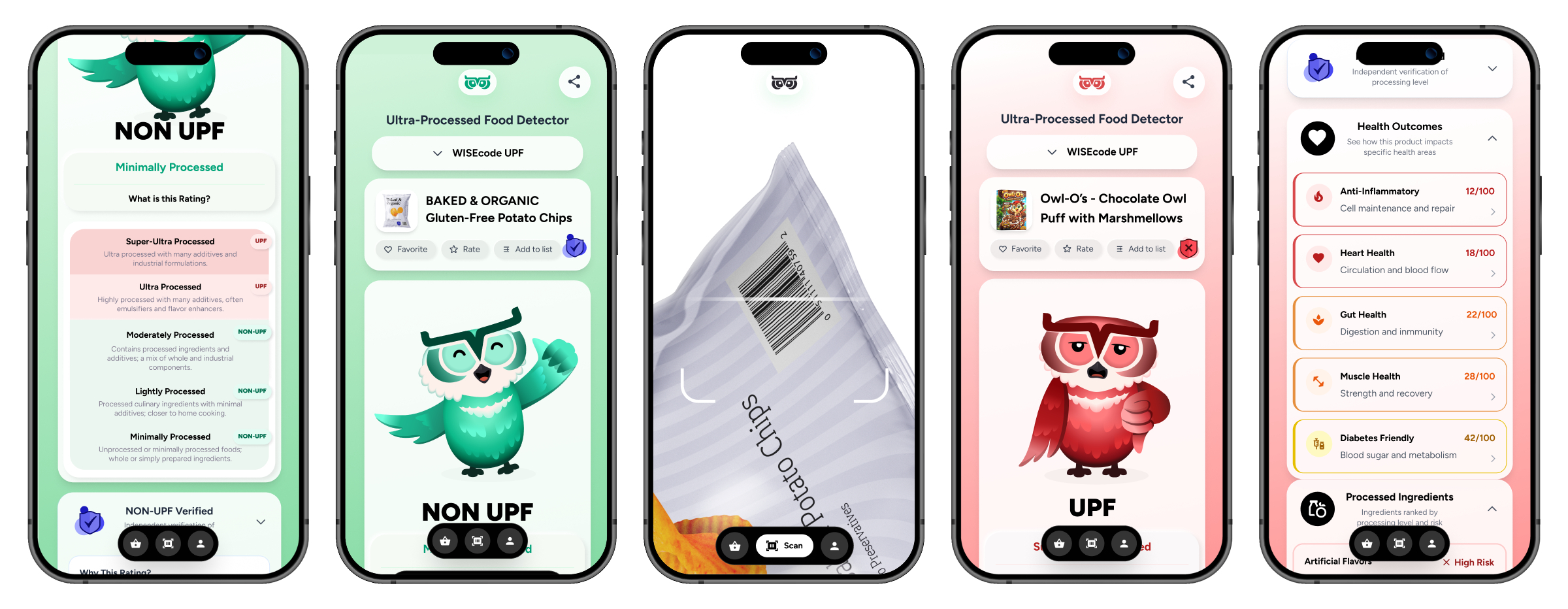
“Tools like Yuka, with over 75 million users worldwide, and retailer-integrated health scoring systems are influencing real-time decisions at the shelf,” KeHE said.
A report from Adobe Express found 66% of business owners believe ChatGPT will be a leading driver of product discovery by next year.
Additionally, Google’s SGE (45%) and Meta AI (26%), and 43% said they’re already optimizing for AI product search.

Ryan Fogarty, founder of Leechtown Blacksmith, a Vancouver Island maker of cookware, said he’s already seeing the effects of this trend. He said customers are coming in already knowledgeable about materials, coatings and toxins, as well as, durability. A few years ago, his customer base was largely people interested in craftsmanship; now, many come because they’ve learned about the differences among Teflon, aluminum, stainless steel and carbon steel.
“They’re looking for something nontoxic and forever-lasting,” Fogarty said.
Denis Erturan, strategy and measurement lead at The Cast, said he’s already using AI to compare products and supplements. He said potential growth of the movement will rely on trust.
“Only a minority of shoppers actively use AI tools or health-scoring apps at the shelf, but the direction of travel is clear: The combination of loyalty apps, wearable data and rising distrust of ultra-processed food is already shifting power toward the better-informed consumer,” Erturan said.
“Much of ‘informed’ shopping is driven by social-media influencers and AI summaries that can’t always tell marketing fluff from proper third-party assessment. We’ve already seen scandals like the creatine-gummy debacle, where most brands contained little or no active ingredient. Expect more of that until independent verification becomes the norm.”
Richie David, CEO of Totally Home Furniture, says he sees consumers looking at products as a whole. Consumers are using scoring apps not only to price and examine an item’s features, but to examine its total footprint.
“Retailers selling grocery, home goods and wellness products will thrive since these types of products allow consumers to measure the health benefits and/or positive environmental impact of their purchase,” David said. “On the other hand, mass private label programs will struggle unless they can clearly communicate where their products come from and what materials are being used.
“The educated consumer will [soon] be the biggest influencer in how all retailers make their purchasing decisions.”
Financial analyst Chris Motola of NationalBusinessCapital.com said AI and tooling are altering the formulas previously used to drive consumer discovery, upping the demand for strategies that influence large language models.
“Right now, it’s a question of how cost-effective those strategies are, whether small businesses can compete with large corporations, how quickly these tools displace older methods of research like search, and whether these tools can continue to be free at the point-of-use longterm,” Motola said.
When it comes to new products, instead of consumers deciding to buy the product and then decide whether to buy it again, shoppers likely will ask their AI app what it thinks, based on ingredients and an individual’s health status, speeding up the shopping process.
“The app will not only provide details on health benefits but also possible recipes. Shopping and decision-making will be easy,” said food scientist Urvi Shah of Findlay, Ohio.
“By 2026, I expect retailers to curate shelves around outcomes like digestive health, glycemic response, and weight management driven by fiber and protein nutrition, making ingredient transparency a genuine differentiator,” said Colleen M. Zammer, VP of varietal solutions growth and corporate innovation at Bay State Milling Co.
“Over the next decade, manufacturers that invest in high-quality reformulation will be in a strong position for growth. Those clinging to legacy, low-nutrient formulas will face market share pressure, while companies that deliver functional upgrades without sacrificing taste or texture will win.”
Food for Thought Leadership
This Episode is Sponsored by: Performance Foodservice
How important is it as a food distributor to build a brand for foodservice – especially since consumers may never see or recognize it? Mike Seidel, vice president of procurement at Performance Foodservice Corporate, shares how the company views the development of its existing foodservice brands, including Roma and Contigo, and how they helped in the creation of its most recent Mediterranean concept Zebec.