Restaurant operators are a positive bunch, experts note, and that likely explains Popmenu’s latest survey, Indicating 88% of operators are cautiously optimistic or very optimistic about their prospects – despite inflation, tariff uncertainty and general economic conditions.
The survey of 328 restaurant operators and 1,000 consumers found diners are spending about $90 a week on dining out, down from $115 in June.
“The industry has already been through COVID, supply chain mayhem, and the worst labor market in decades. A drop in weekly spending doesn’t concern operators that remain in business because they’re already very adaptable,” Milos Eric, general manager at OysterLink, told The Food Institute.
Brandy Rand, VP of hospitality at Questex, noted people still are treating themselves and see dining out as a chance to socialize.
“The prevalent trend of more face-to-face interaction provides the hospitality industry an opportunity to deliver on consumer desire for social experiences,” Rand said.
Ninety-seven percent of restaurant operators told Popmenu they’re sharpening their focus on the consumer experience, offering new dining options, incentives and AI technologies.
The survey found 63% of operators are cautiously optimistic while 25% are very optimistic, and 28% plan to add a location or expand an existing one.
Survey Shows Consumers Remain Cautious
The bad news is 71% of operators said they would have to raise menu prices in the near future. Operators, however, better step carefully.
“When asked about deal breakers when evaluating dining options, consumers pointed to hikes in menu prices, lack of budget-friendly dishes, insufficient portions and poor reviews, especially if the restaurant didn’t respond. Inconsistent menus and restaurant details like hours of operation on different digital channels” are pet peeves, the survey found.
Reputation is key. Sixty-eight percent of operators said they respond to reviews in a more timely manner while 63% actively monitor social media channels and respond, 51% said they keep their menus and restaurant information up-to-date and 41% encourage diners to leave reviews.
More than half of consumers queried (57%) said they already had seen significant price increases and as a result, 81% said they planned to eat out less often while 64% said they’d likely opt for more pick-up takeout and 36% said they’d look for less expensive options.

Restaurants Bet on AI, Experience‑Driven Dining
Thirty-five percent of operators said in the survey they planned to add affordable options, and 31% planned to try variable pricing based on demand, time of day, day of the week and the season.
“To succeed, restaurant operators must be razor sharp and up to date with technology, purchasing, employee costs and benefits, and customer preferences,” Louis Biscotti, managing director of national food and beverage at CBIZ, told FI.
Among the steps restaurants are planning to take:
- 41%: more limited-time menus
- 33%: more healthy dishes
- 33%: more low-alcohol drinks and mocktails
- 30%: more comfort food
Increased marketing also is on the radar with 81% planning an increase across all digital channels and 78% improving their websites. When it comes to AI, 44% said they’ve already incorporated it, and 25% said they plan to do so. Though 85% of consumers check Google when they’re trying to find an eatery, 20% already use AI.
“We are a marketing-led business. Having more links and more interaction on your menu, the ability for guests to not only view your items but be able to look at multiple pictures, leave reviews, like it, sign up to be a VIP – it’s all so important,” Charlie-Wood Jones, co-founder of Cawsburger, told Popmenu.
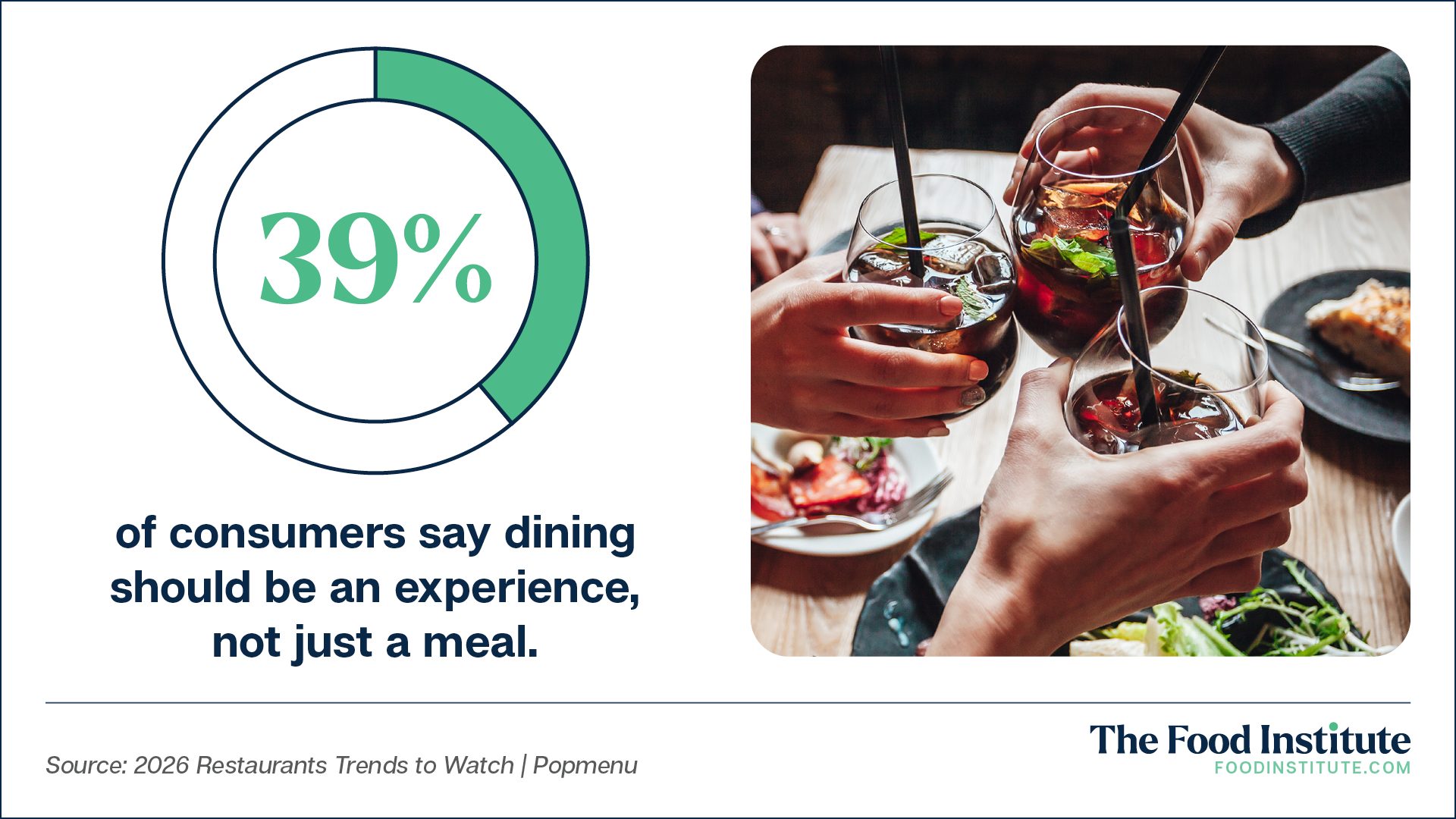
Consumer expectations:
- 41% said restaurant tech should make their experience more convenient and more informed
- 53% are hooked on loyalty rewards
- 39% say dining should be an experience, not just a meal.
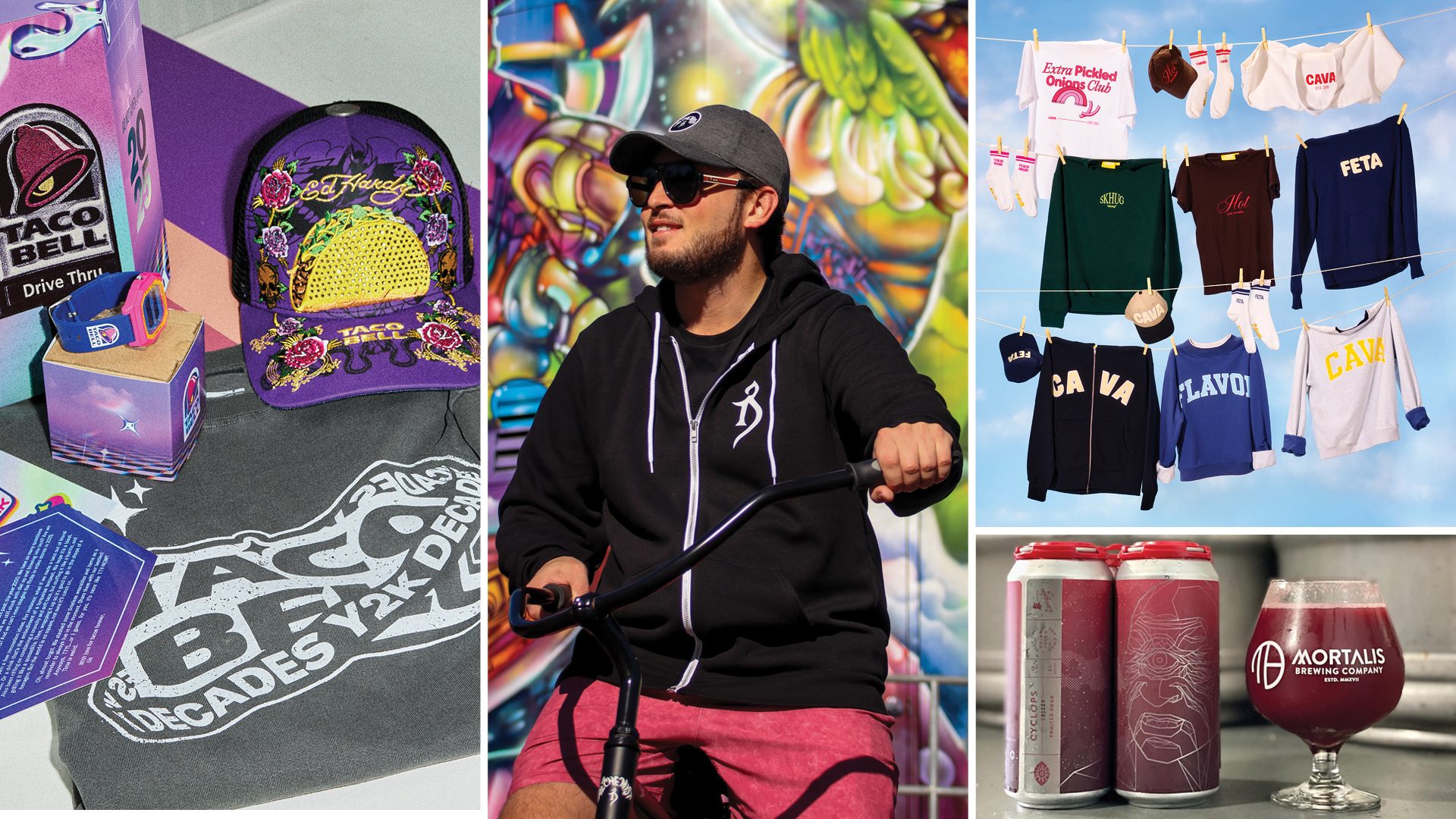
Operators are taking note, with 87% using technology for personal messaging, 72% planning to offer loyalty rewards and 61% planning theme nights, nostalgia pop-ups, virtual reality and other attractions.
“Operators are actively seeking ways to gain an edge at every step of the guest journey – from when they search for restaurants online to when they place an order and choose whether to return,” Brendan Sweeney, CEO of Popmenu, said in a press release.
Food for Thought Leadership
In this episode, The Food Institute sits down with William Grand, founder and CEO of NutriFusion, to examine the growing health crisis tied to ultra-processed foods—and what it will take to fix it.