Currently valued at $5.02 billion, the precision fermentation ingredients market is projected to surge to $35 billion by 2030, exhibiting an eye-opening 48.6% CAGR during the period driven by accelerating demand for sustainable, animal-free ingredients, according to Markets and Markets.
As the technology continues to expand beyond animal-free meat and dairy alternatives, a growing number of biotech startups are turning their attention to a more complex target: human milk.
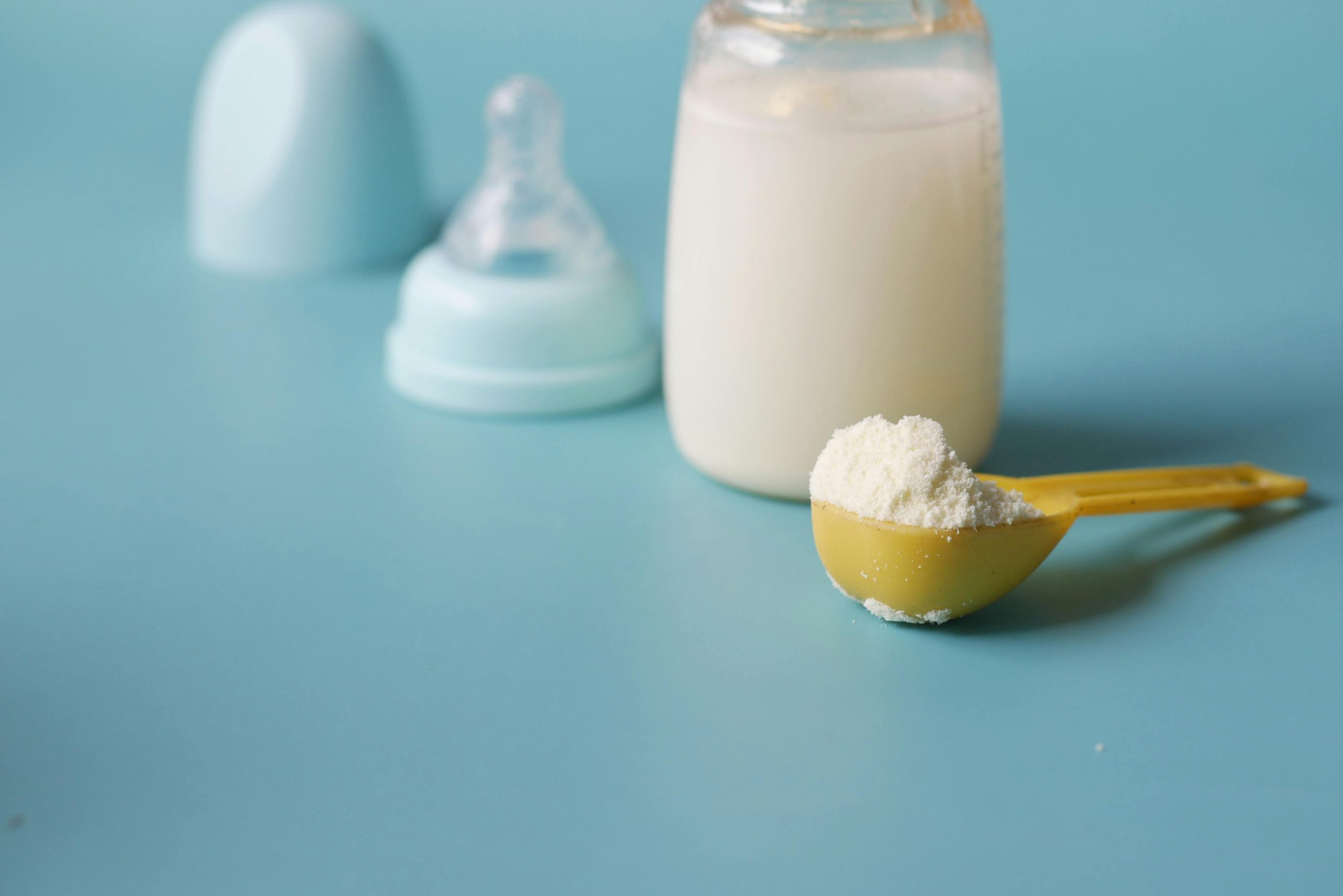
Companies across the U.S., Europe, Australia, and China are attempting to recreate key components of breast milk, including lactoferrin and beta-casein, for use in infant formula, supplements, and functional nutrition products by using engineered microbes to produce bioidentical milk proteins.
The goal is to narrow the compositional gap between traditional infant formula and human milk, though scientists say replicating the full biological complexity of breast milk remains a challenge.

Let’s take a closer look.
Human Milk Proteins
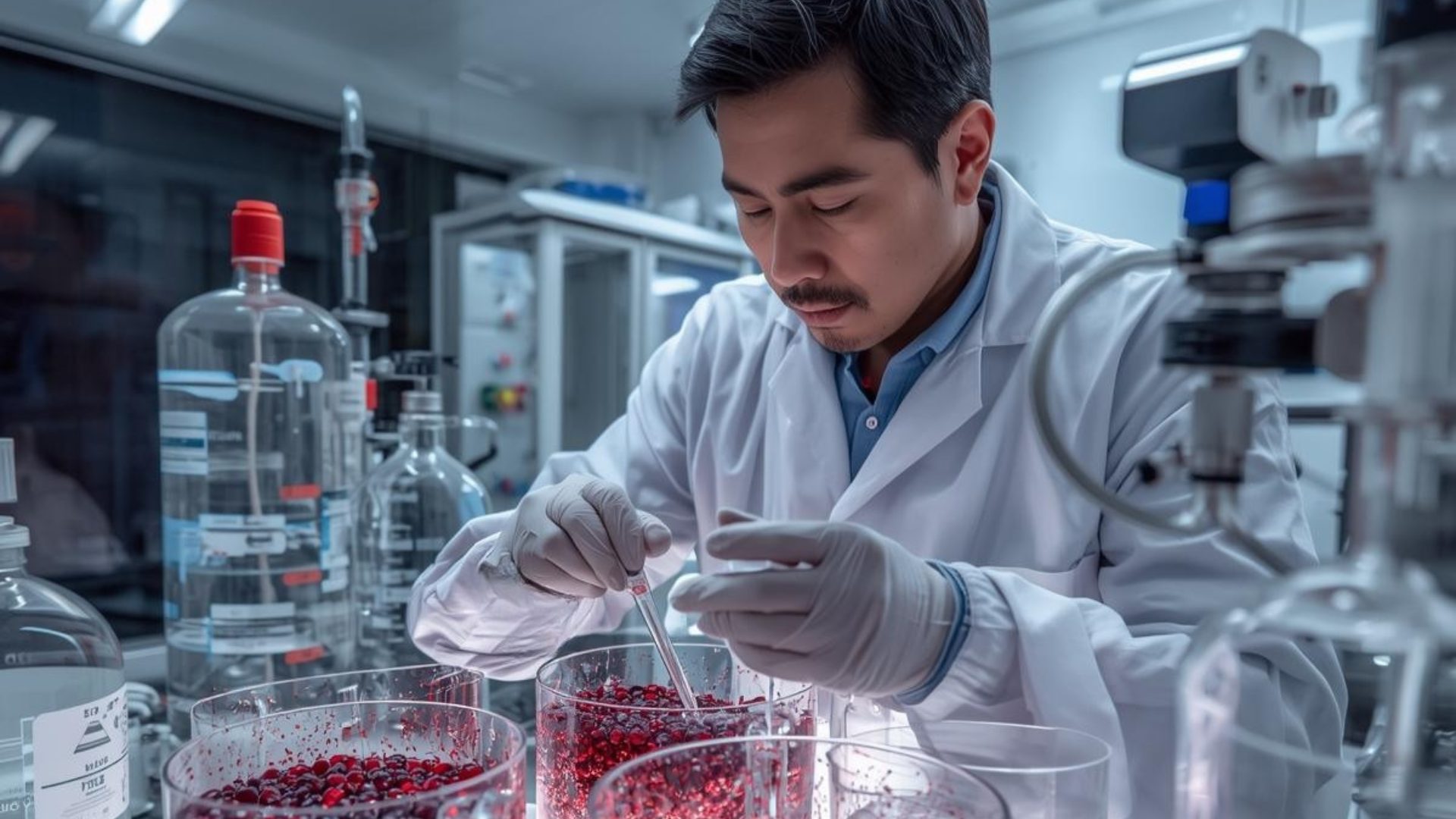
Precision fermentation involves inserting specific DNA sequences into microbes so they produce targeted molecules during fermentation.
The technology has already been used for decades to manufacture ingredients like insulin, enzymes, and rennet, and now, food-tech startups are applying it to the production of dairy proteins without cows.
In the infant nutrition space specifically, several startups are focusing on proteins that are naturally found in human milk.
Lactoferrin, an iron-binding whey protein associated with immune support and gut health, is one of the most popular targets.
“Lactoferrin is attractive because it’s abundant in human milk and has clear antimicrobial and immune-modulating functions,” said Elena Medo, CEO of Leonie Health PBC, who has spent more than four decades studying human milk.
However, Medo cautions that the protein’s biological activity depends on the broader biological system in which it naturally occurs.
“Its effects depend on the full living matrix of human milk – its cofactors, oligosaccharides, enzymes, and cells – not the protein alone,” Medo told FI. “In short, lactoferrin doesn’t act alone.”
Despite these complexities, investor interest in fermentation-derived milk proteins continues to grow, with startups betting that the technology could make certain human milk components more accessible at scale.
Companies Entering the Space
A growing list of biotech companies are now developing fermentation-derived milk proteins for use in nutrition products.
Case in point, Australian startup All G is working to produce human beta-casein and lactoferrin using microbial fermentation, and the company says that these ingredients could enable infant formula to resemble the protein composition of human breast milk more closely.
Meanwhile, Chinese biotech firm Guoke Xinglian is focusing on producing bioidentical human milk glycoproteins, starting with lactoferrin. The startup recently raised $14.6 million in Series A funding to scale its production platform.
Other companies that are exploring similar approaches include Helaina and TurtleTree – both of which are developing fermentation-derived lactoferrin ingredients.
These proteins are being positioned for a range of applications, including infant formula, nutritional supplements, and women’s health products.
Technical Hurdles
While producing individual milk proteins may be feasible, replicating the full biological complexity of human milk remains far more challenging.
One major technical hurdle involves glycosylation, the attachment of sugar molecules to proteins, which influences their stability, folding, and biological function.
“Replicating human-like glycosylation is extremely challenging,” Medo said, “because in human milk, glycosylation patterns vary by lactation stage, maternal health, and infant needs, influencing immunity, digestion, and microbial colonization.”
While she noted that fermentation systems can reproduce certain aspects of these molecular structures, they cannot fully replicate the diversity and dynamic changes that occur naturally.
“Structural similarity does not guarantee biological equivalence,” Medo told FI.
Beyond glycosylation, researchers say the behavior of proteins in milk depends heavily on how they interact with other components in the fluid.
For instance, beta-casein proteins in human milk form micelle structures that interact with lipids and minerals during digestion.
“These effects depend on the complete milk matrix,” Medo explained.
Safety and Regulation
The push to introduce fermentation-derived human milk proteins into infant nutrition has also prompted questions and concerns about regulatory oversight.
Some companies plan to commercialize these ingredients using the FDA’s Generally Recognized as Safe (GRAS) pathway, which allows food ingredients to enter the market if experts determine that they are safe according to intended conditions of use.
However, Medo argues that proteins with biological activity may warrant more rigorous evaluation.
“Lactoferrin is not a simple nutrient; it affects gene expression, immunity, and microbial balance,” she said. “In any other context, these activities would be classified as a biologic, requiring full preclinical and clinical review, long-term safety studies, and post-market surveillance.”
Recent global infant formula recalls linked to contamination with the cereulide toxin have also sparked safety concerns related to manufacturing practices across the industry.
While some experts say the emergence of fermentation-derived milk proteins could eventually introduce new production models, others worry that adding biologically active proteins could increase regulatory complexity.
“The formula industry, still struggling with contamination and recalls, may not be prepared to meet such standards while adding the complexity of fermentation processes,” Medo said. “The smallest and most fragile infants deserve the highest standard of care.”
The Food Institute Podcast
This Episode is Sponsored by: CBIZ
While many food industry professionals were hoping that the Supreme Court ruling on tariffs would elucidate the current global trade environment, it appears that it may have added more uncertainty than before. CBIZ’s Lou Biscotti and Mark Baran, and former Customs expert Michael Contino, all join The Food Institute Podcast to provide clarity and actionable insights.