Behind many food manufacturing facilities, you’ll find expensive reminders of failed automation attempts: outdated robotic systems awaiting resale or scrap.
In a recent FI webinar, Formic Sales Director Nick Fulop jokingly dubbed this phenomenon the “automation tarp of shame” while sharing an anecdote about a manufacturing client in Connecticut that had accumulated multiple trailers of useless, outdated automation equipment over time that were stored out back.
This cautionary tale highlights a widespread dilemma that’s prompted many food manufacturers to rethink implementing automation at their plants: the pressure to modernize their operations while worrying that they may not get the return on investment they’d hoped as their production needs – and the technology – evolve.
As labor markets tighten and SKU complexity increases, processors must develop strategies that increase their output and consistency, but many are hesitant to commit to rigid automation systems for the reasons outlined above.
However, the solution may not be large-scale transformation after all – but targeted and flexible deployment that evolves with the times.
Growth Meets Operational Constraints
For many processors, lack of demand isn’t the issue. Orders are increasing, customers are expecting shorter lead times and more customization, and seasonal spikes are as unpredictable as ever.
Hiring, however, remains difficult – particularly for repetitive, physically demanding roles. This is partially why these positions can be notoriously hard to fill and keep filled, and this can give way to production bottlenecks that stall growth even when sales pipelines are strong.
This tension is prompting manufacturers to reconsider a long-standing assumption: that scaling production requires scaling headcount.
Instead, some are focusing on phased automation: identifying high-impact, repetitive bottlenecks and integrating robotic systems into existing workflows without overhauling entire facilities.
Why End-of-Line Is a Solid Starting Point
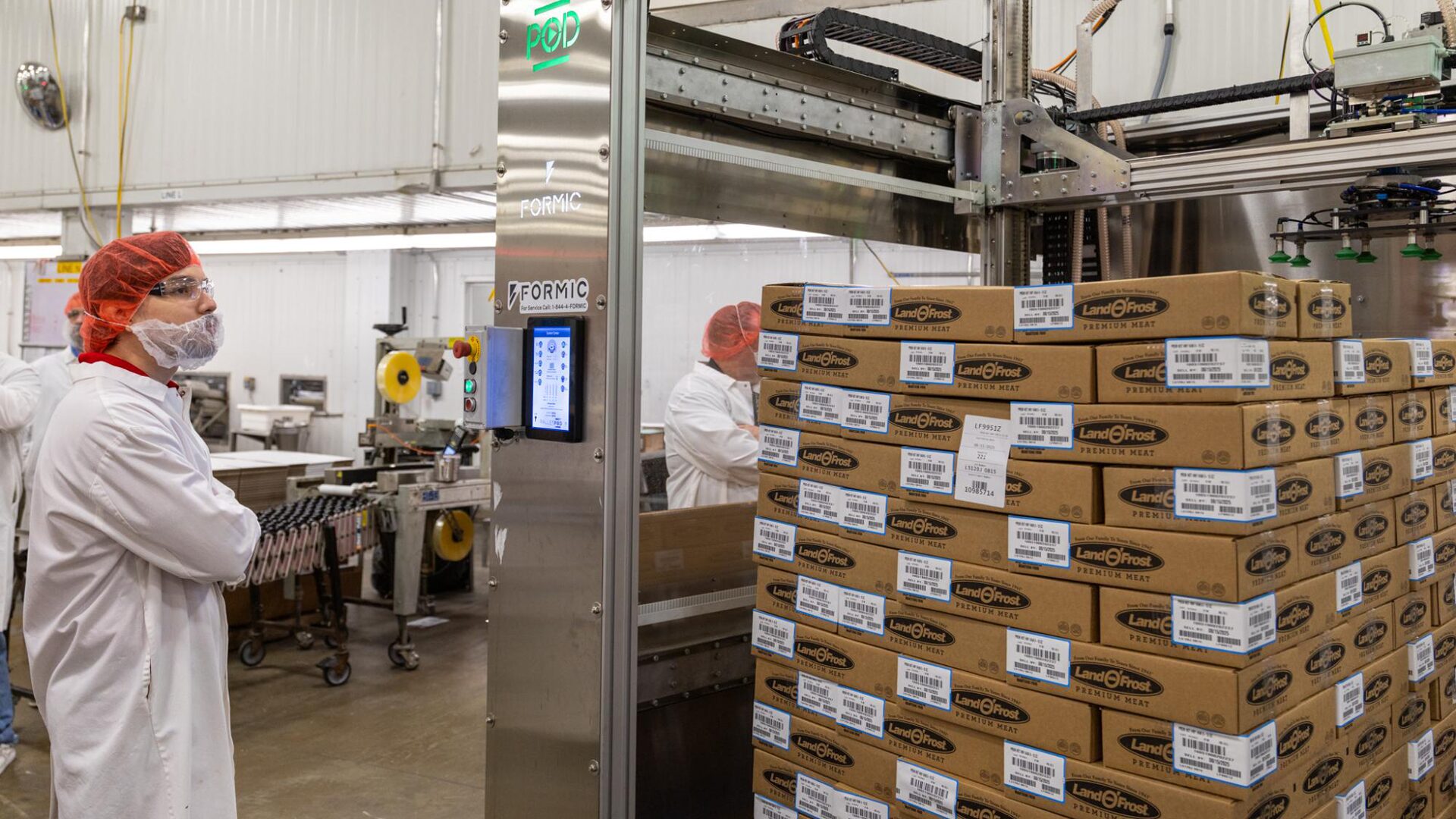
Rather than automating entire facilities, some manufacturers are focusing on end-of-line operations – including case packing and palletizing – where repetitive motion and strain risk commonly occur.
Turnover and injury exposure are both high in these roles, which can both put a damper on a company’s throughput. But by targeting this segment of the line first, companies can address both labor instability and output consistency at the same time.
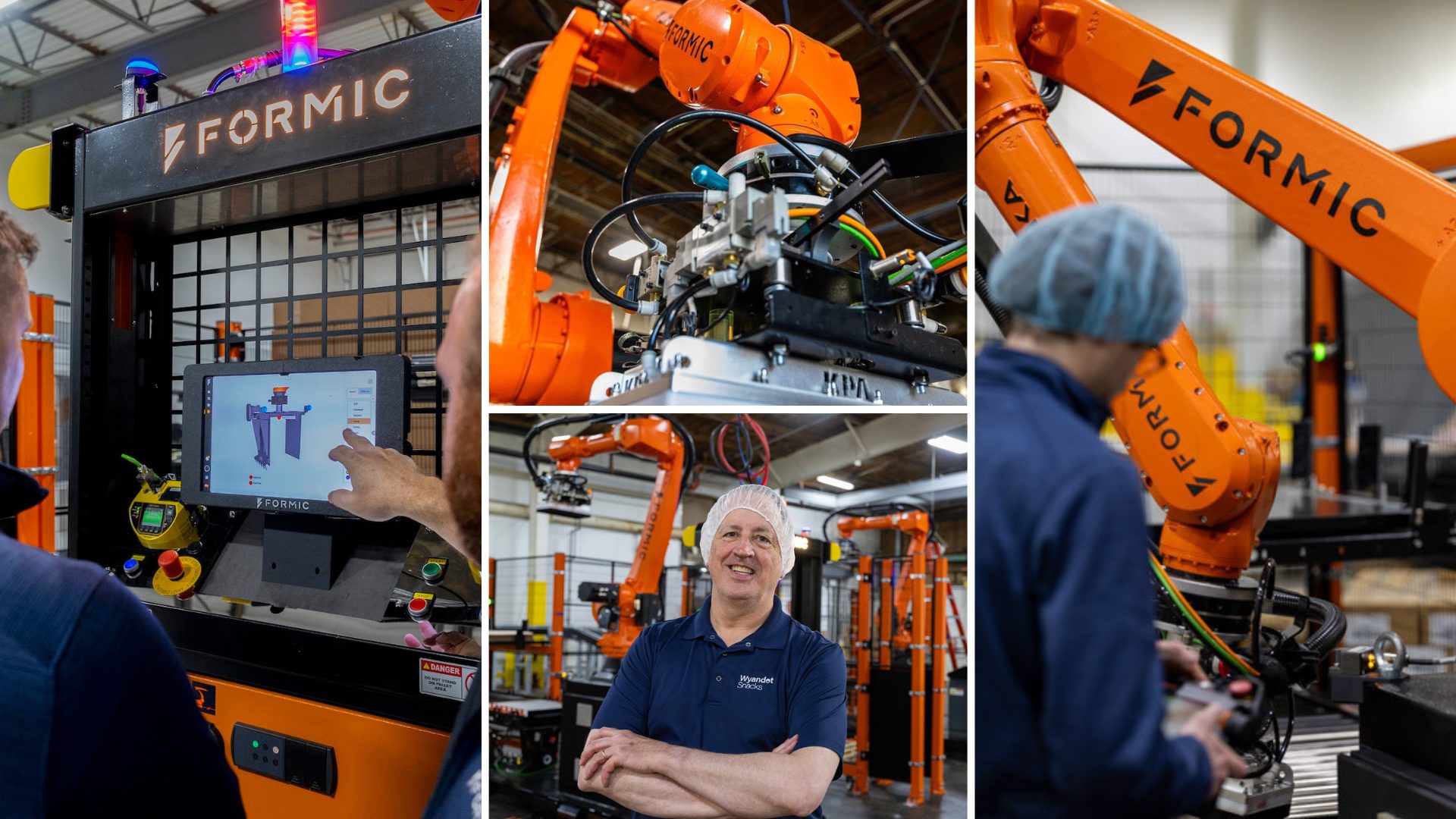
During the webinar, Wyandot Snacks, a 90-year-old Ohio-based manufacturer producing snacks for leading brands, served as a case study of sorts highlighting this phased approach.
Like many other manufacturers that manage multiple SKUs on tight timelines, the company faced rising demand alongside labor constraints.
Instead of pursuing a sweeping overhaul, Jaap Langenberg, a co-presenter in the webinar and the CEO of Wyandot Snacks, said that the company opted to identify high-impact repetitive tasks and integrate automation into existing workflows, initially targeting improved flexibility and service-backed support to reduce disruption.
Designed to Evolve
So, what’s the best way to ensure that automation is financed, maintained, and adapted over time to make it worth the investment?
To avoid falling into the “automation tarp of shame” trap, Fulop says flexibility is key.
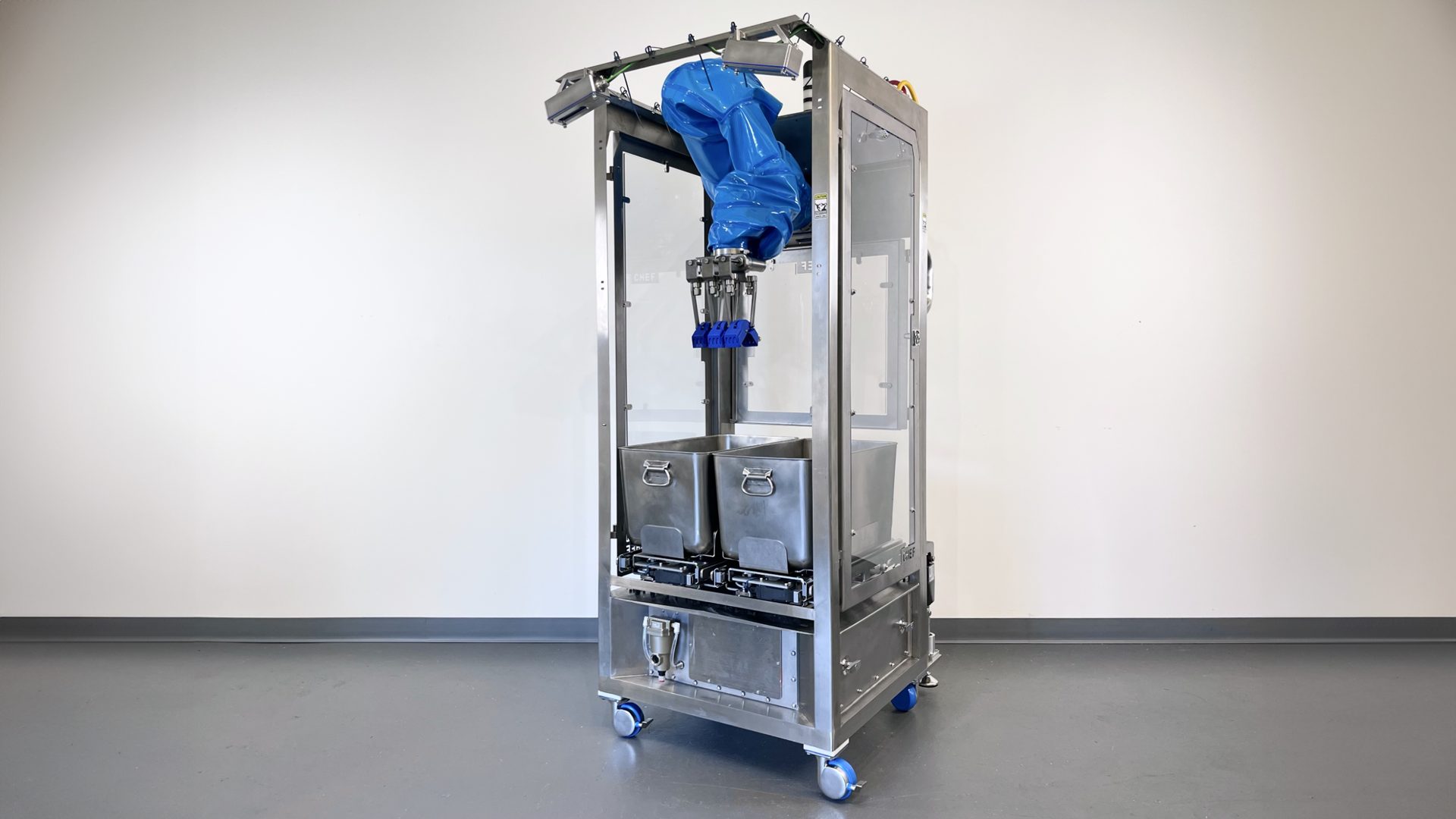
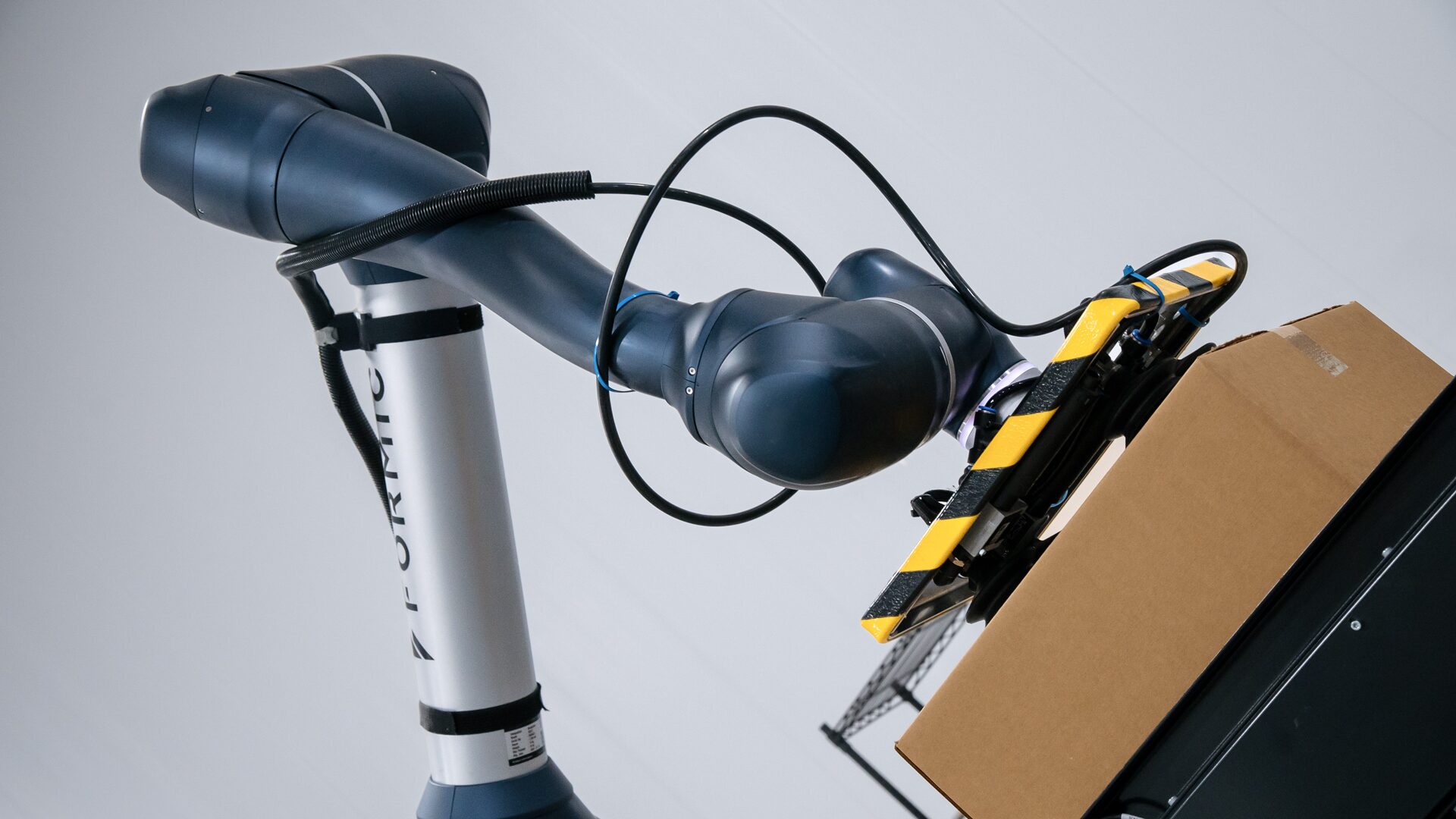
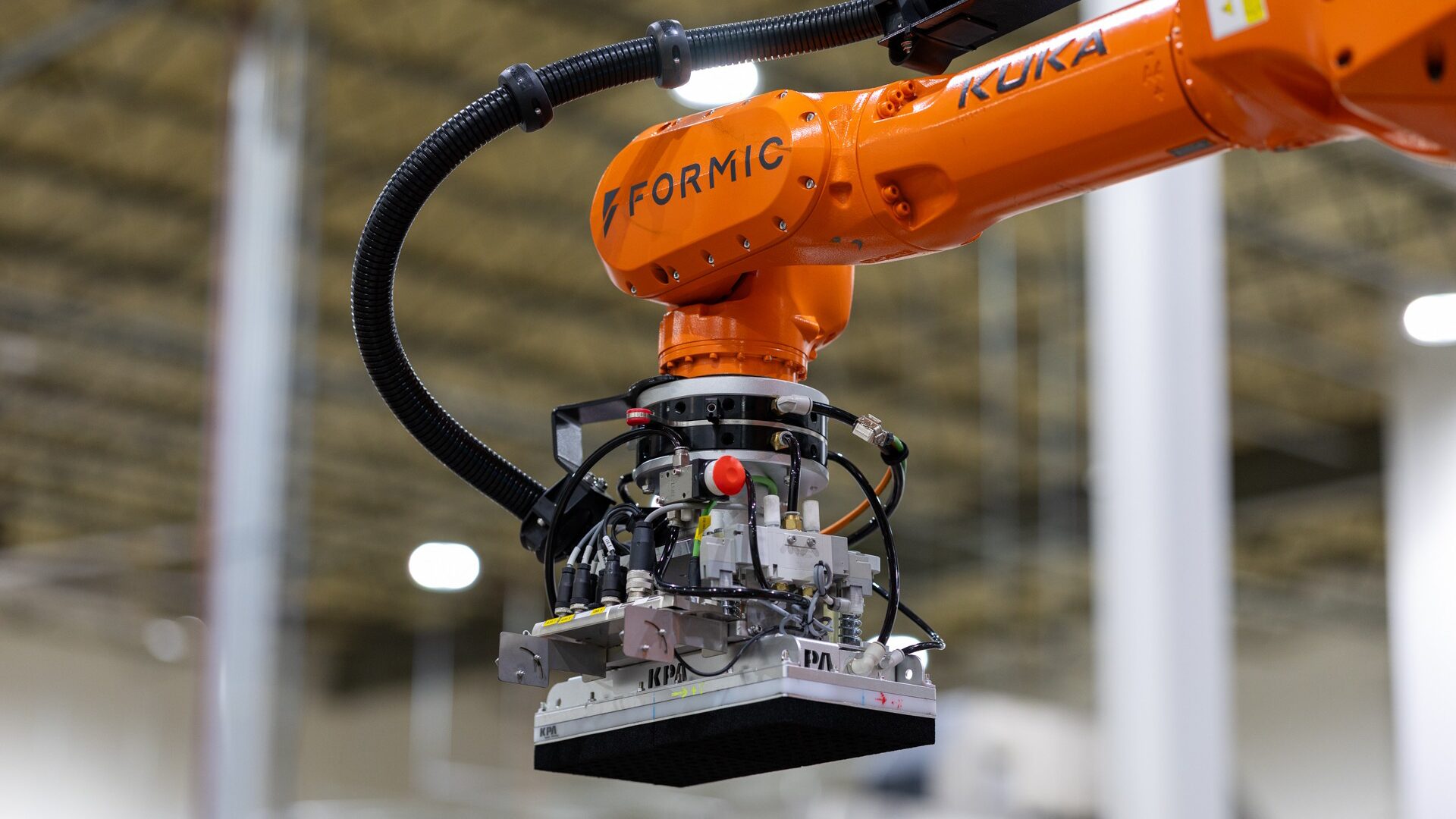
“At Formic, we have the flexibility to change robots,” he said, explaining that if production rates or product characteristics evolve beyond the original system’s capabilities, “we’re able to swap that equipment out.”
For example, if a manufacturer initially runs five cases per minute but later needs to double that volume, and the installed robot cannot keep up, the system can be replaced to meet the new throughput requirement.
“We’re never going to be stuck with kind of an outdated piece of equipment,” Fulop added, noting that Formic structures its systems around committed output and performance metrics rather than fixed hardware ownership.
This approach reframes automation as a dynamic, not static, investment that is designed to evolve alongside SKU changes, packaging shifts, and customer demands.
Beyond Throughput
Automation discussions often revolve around speed, but that’s only part of the equation, according to the presenters.
Reducing repetitive strain allowed employees to transition into safer, higher-value roles that involve oversight and quality control, which is critical in tight labor markets.
Operationally, stabilizing end-of-line processes can increase consistency and improve a manufacturer’s ability to respond to seasonal or customer-driven demand swings without scrambling for labor.
Modern systems can also provide real-time data and production visibility, enabling manufacturers to spot bottlenecks, monitor uptime, and measure performance with greater precision.
Scaling Without the Scrap Heap
As you can see, automation risk is often less about adoption and more about inflexibility.
For modern food manufacturers, growth depends on agility, as product portfolios have begun to shift faster and retail and co-manufacturing relationships require responsiveness.
In this environment, starting small – and designing systems that can scale, adapt, and even be swapped out – may be the most reliable path forward.