St. Patrick’s Day festivities figure to be a bit costlier this Tuesday – for both consumers and establishments. Consider, for example, that corned beef, a staple of most St. Patrick’s Day dinners, currently retails at approximately $8 per pound, which is an 8.7% year-over-year increase and 44% higher than 2020.
“This is where most consumers will notice sticker shock,” Ilir Salihi, founder of IncomeInsider.org, told The Food Institute. “Once you add in additional staples such as cabbage, potatoes, and carrots, I estimate grocery costs for a family of four to rise to about $45 on average.
“Restaurant prices will reflect the price changes in the beef market, likely charging north of $15 for a plate that would have cost about $10 just five years ago.”
That’s not to say most American cities won’t generate significant St. Patrick’s Day business this year. More than 31.6 million people in the U.S. claim Irish ancestry and Americans are projected to spend $7 billion on the holiday in 2026, as noted by WalletHub.

“I believe we can expect solid traffic this St. Patrick’s Day,” said Milos Eric, the general manager of OysterLink. “It’s different from other holidays because it has that kind of ‘mandatory fun’ element. People spend money going out [for St. Patrick’s Day], no matter the economy.”
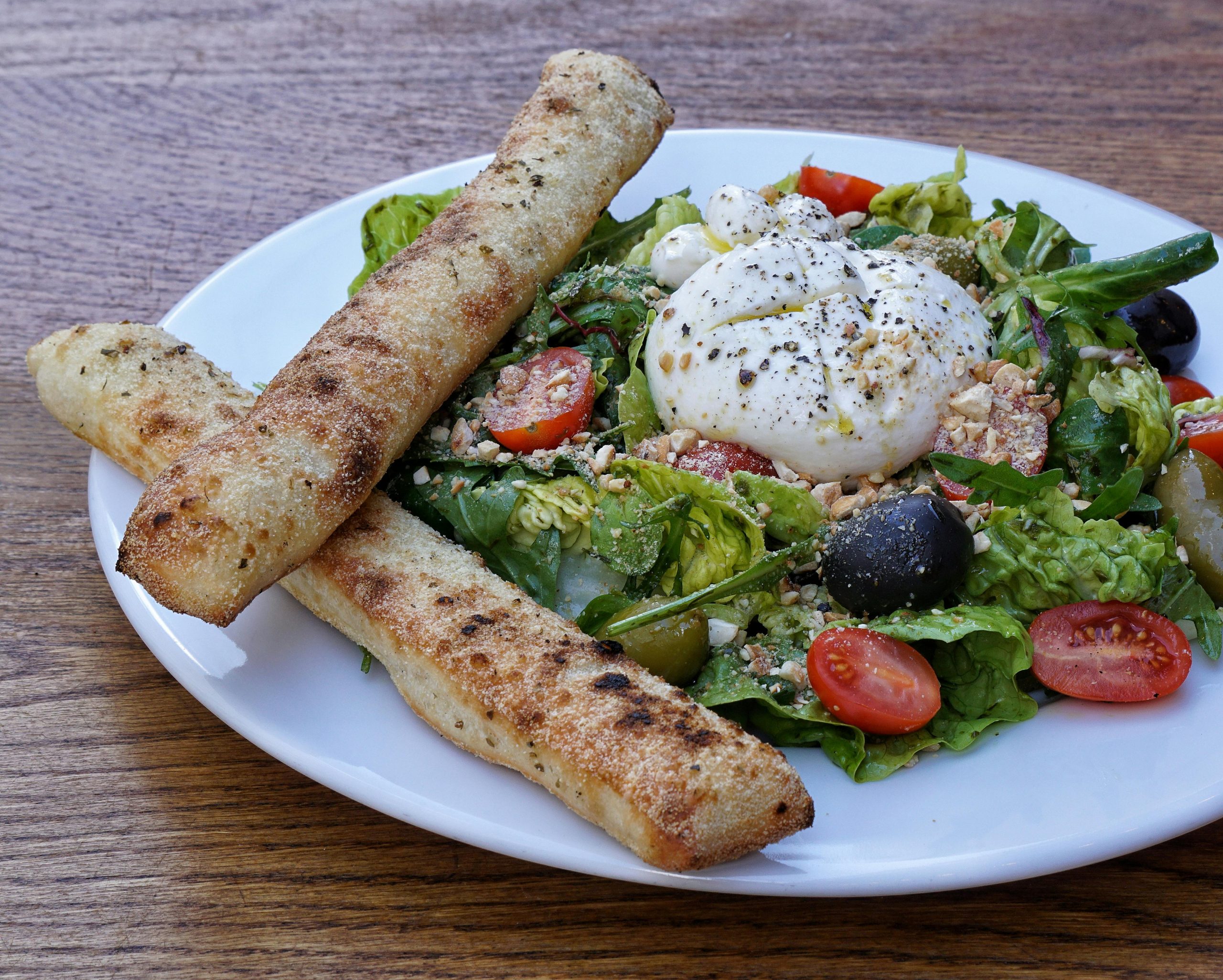
Many American establishments have made it a tradition to offer traditional Irish fare like corned beef and cabbage – and even playful items like Irish cream brownies and corned beef and cabbage tacos, as noted by the Chicago Tribune. Shepherd’s pie and Guinness beef stew are also favorites of many American patrons on St. Patrick’s Day.
As full-service restaurants brace for the St. Patrick’s Day rush, there are a few best practices that industry experts suggest:
- utilize prix-fixe menus
- encourage reservations
- offer value packages
“This is a predictable, pre-determined busy time and should be treated as such,” Eric said of the holiday.
Several QSR chains are offering St. Patrick’s Day-inspired promotions currently, such as Dutch Bros Coffee (with drinks like The Emerald Rebel), Krispy Kreme (Shooting Shamrock donuts), Raising Cane’s (Leprechaun Lemonade), and SONIC (Sour Shamrock slushie).
Statistics indicate 160 million Americans participate in St. Patrick’s Day celebrations, with U.S. consumers spending roughly $44 on average – mostly on food.
Given the relatively modest scale of the holiday, businesses tend to treat St. Patrick’s Day less like a major shopping event and more as day to inspire a sales spike, particularly among pubs and liquor stores.
“St. Patrick’s Day remains one of the most reliably strong bar and casual-dining events of the year. … However, it’s unlikely that we will see a resurgence of the pre-pandemic levels of consumer enthusiasm for St. Patrick’s Day that peaked in the 2010s,” Salihi said, alluding to the fact that today’s young adults consume 33% less alcohol than Gen X.
“The shifting cultural attitude toward alcohol consumption has made it harder for one-day promotions, like a St. Patrick’s Day event, to run profitably,” Salihi added.
The Food Institute Podcast
his Episode is Sponsored by: CBIZ
While many food industry professionals were hoping that the Supreme Court ruling on tariffs would elucidate the current global trade environment, it appears that it may have added more uncertainty than before. CBIZ’s Lou Biscotti and Mark Baran, and former Customs expert Michael Contino, all join The Food Institute Podcast to provide clarity and actionable insights.