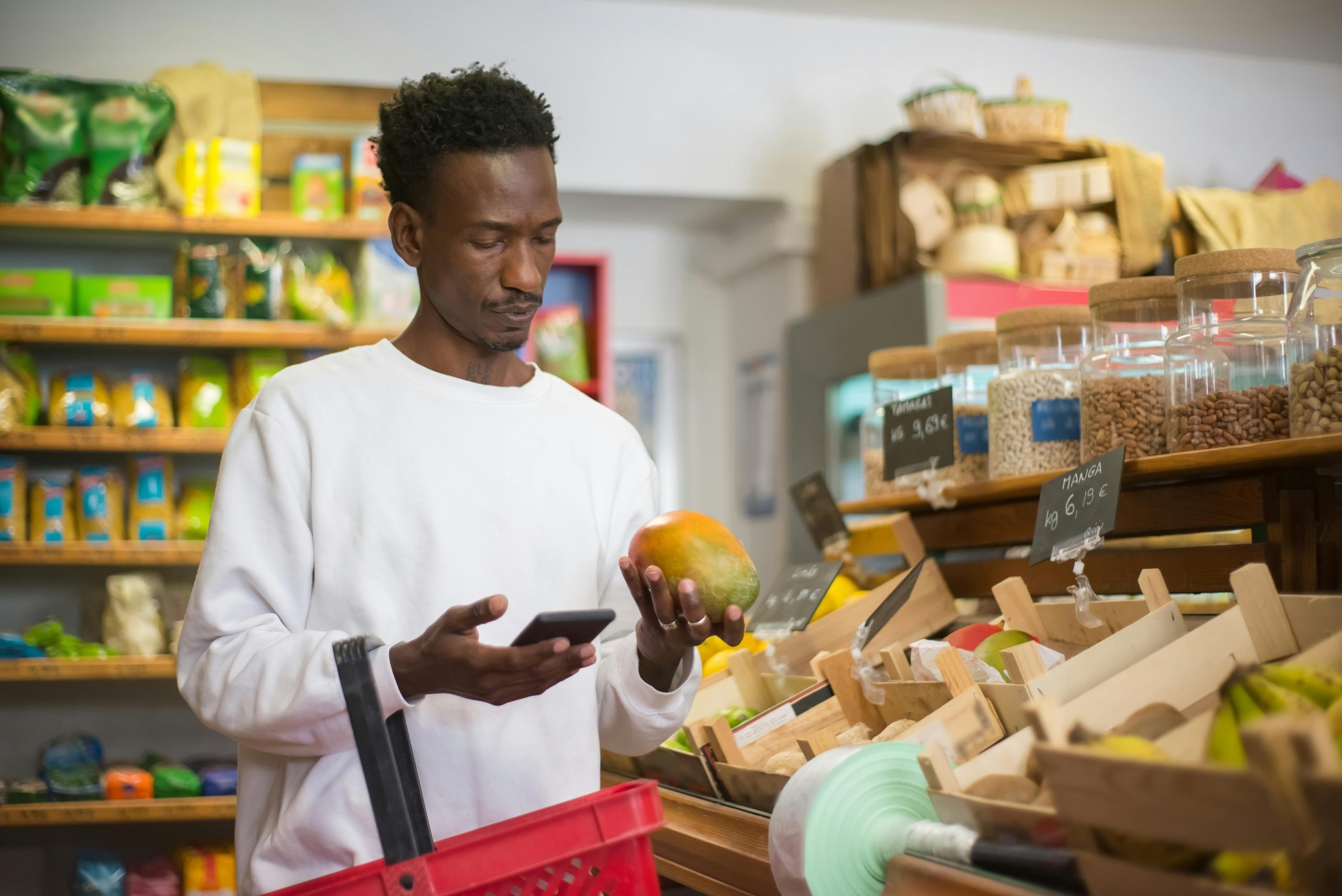
Food remains a rather inelastic purchase for most consumers. Sure, lower-income shoppers are looking to limit expenses in 2026, but many shoppers continue to spend on their favorite food and beverage brands.
“Shoppers are finding the money somewhere to still shop,” said Sean Turner, the co-founder of Swiftly. “Food is probably the last thing that’s going to go for a lot of shoppers.
“But shoppers are looking for every way to economize – so that means that especially things like manufacturer coupons (and) loyalty program discounts are getting used very heavily right now,” he added.
Research by Swiftly – a tech provider for grocers and C-stores – reveals that low-income shoppers are currently struggling with the timing of when they have funds available to spend.
“That’s why you tend to see bigger purchase days on the first of the month and other days where you get paid on a lot of the benefit programs,” Turner noted.
As a result, retailers would be well-advised to offer cash-back programs – think: “spend $40 and get $5 back” – to aid value-focused shoppers. Such offers help retailers – especially independent grocers – build trust with their customers.
Private label, or “store brands” continue to perform well for retailers, as well. According to Ipsos, 74% of shoppers say private label is just as good as their name-brand analogs. Brand preferences tend to go “by the wayside” when grocers offer great value in private label, Turner said.

Cash-Back Program Successes
Swiftly currently operates an alcohol cash-back program for various major retailers. Through the promotion, customers can get $5 back on a 12-pack of Michelob Ultra beer., for instance
Turner said the program has resonated with consumers currently dealing with inflationary pressure.
“Shoppers really appreciate that ability to take that savings and use it for a later purchase,” Swiftly’s CTO said. “It actually makes shoppers significantly more likely to come back and spend money (at a retailer). They actually, paradoxically, spend more in that initial trip, knowing that they’re getting that money back.”
Retail Marketing Tips for 2026
These days, consumers don’t have the patience to hunt for deals. That means grocers and brands need to work harder than ever to inspire manufacturer coupon usage and app downloads.
“The closer you can get that message to the product, the better,” Turner said. “The gold standard is, if there’s a coupon available for an item, let the shopper know right on the price tag for that item (to) download our app and clip the coupon. Maybe even give them a QR code that links them directly into that coupon.”
Taking that approach means more customers will join retailers’ loyalty programs, allowing the business to reach its clientele easily and efficiently moving forward.
Of course, in an era during which so many shoppers are trying to stretch every dollar, grocers must word their marketing messages carefully, expressing empathy. Retailers also need to stress the value that their products offer customers.
“In a lot of ways, consumers have gotten pretty cynical. … It’s like ‘show me the value,’” Turner said.
It’s ill-advised for retailers, he added, to make broad claims that they’ve lowered their prices.
“Because the assumption from a lot of consumers is ‘Okay, maybe you’ve lowered your price on two things but raised it on five others,’” Turner added. “So, being able to let that shopper know that ‘Hey, here’s an item you care about and here’s the price point for that item’ is really paying big dividends.”