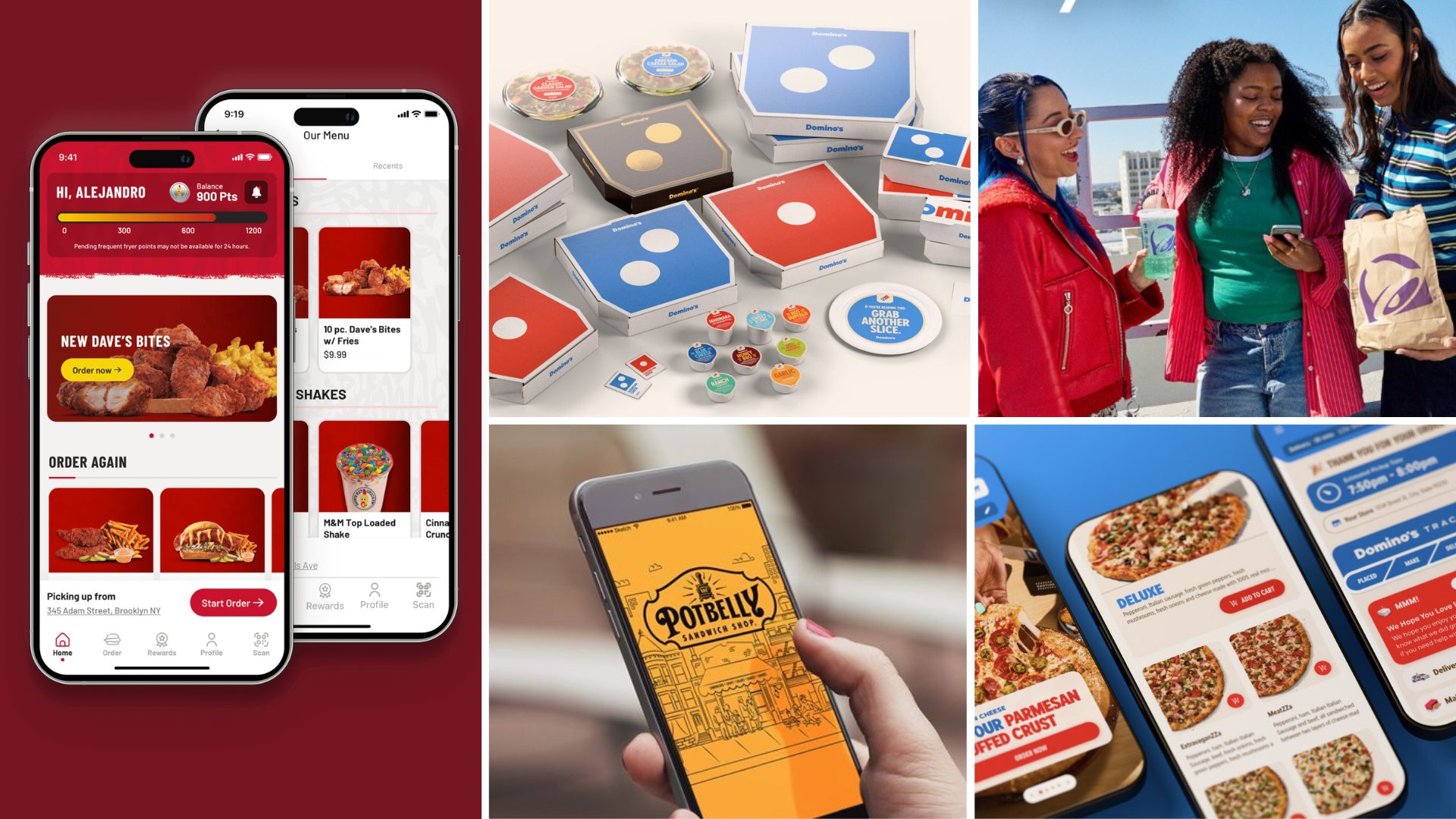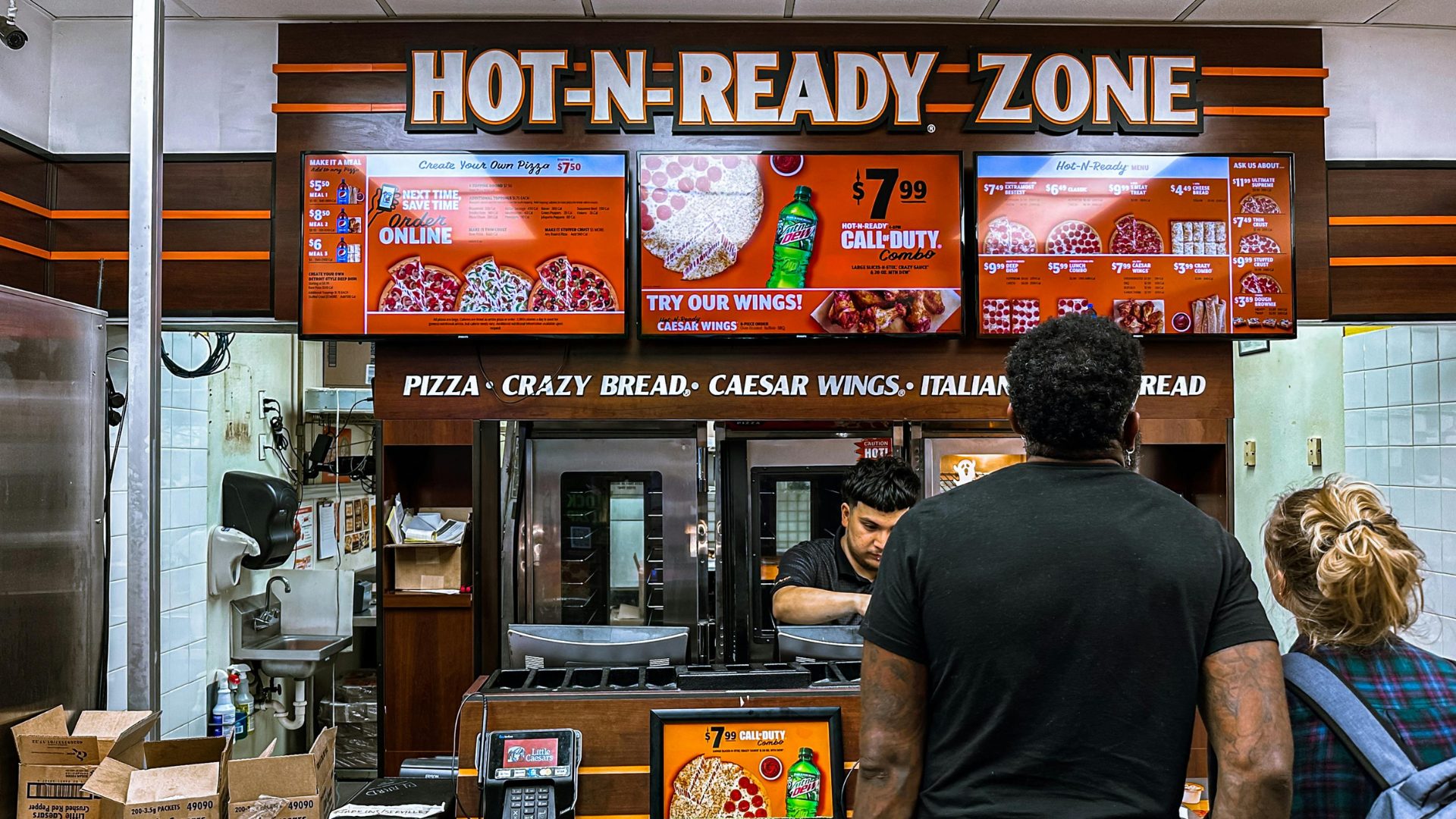
The printed menu? The static menu board? How passé. Digital signage is proving an essential tool for fast-food restaurants, allowing them to update pricing and menu items on the fly, and allowing them to create excitement with flash promotions.
Think of it as a blue-light special on steroids.
“One client we’ve worked with experienced a 23% increase in average ticket size simply as a result of promoting combos on digital displays,” Kevin Heimlich, CEO and founder of The Ad Firm, told The Food Institute.
Joaquin Rodriguez, co-owner, and sales and marketing director at Stay in Costa Rica, said the most important thing digital signage can do is manage consumer expectations.
“Quick-service guests typically are going to be making quick decisions when dining.” Rodiguez said. “Therefore, to minimize frustrations, complete information should be provided to the guests prior to reaching the ordering area.”
Digital signage allows restaurants to update pricing instantly across locations and remove products if inventory falls to zero, “thereby building trust with guests through honest communication,” Rodriguez said.
“Restaurants that win in the QSR arena recognize that the use of digital signage will reduce decision anxiety for guests.”
QSR magazine noted time-sensitive promotions can provide a 20% sales boost in conjunction with digital signage, whether discounts or bundled items. Operators also benefit from consistency across all locations, enabling them to assess what works and what doesn’t in real time, and increasing brand recall among consumers.

The media outlet also noted that digital signage, like point-of-sale systems, is increasingly being viewed as infrastructure and a tool to drive competitiveness.
However, signage, alone, cannot drive success.
“Digital signage can build confidence for tech-savvy customers while freeing up staff to focus on human interaction, especially for older guests. When done right, this technology reinforces both the drive-thru and in-store experience,” Kevin Jones, VP and general manager of QSR, franchise and hospitality at Mood Media.
Roughly one in four consumers say technology like digital menu boards is the most important drive-thru feature. Additionally, 61% like seeing what they’re ordering in real-time, nearly half (48%) want visibility in their total, and a third (33%) value features like estimated wait times or dedicated mobile order lanes, Jones noted.
But the true value of digital signage is operational integrity, according to Heimlich.
“When products are out of stock, consumers (get) frustrated. Digital signage allows restaurants to immediately update signs and avoid frustration,” Heimlich said.
“When there are delays in serving food or when a product is unavailable at a store, communicating this information via digital signage immediately helps build trust.”
“What separates winners from losers is whether they use these tools to eliminate decision fatigue,” Heimlich added. “Consumers are typically distracted while viewing menu boards for approximately 90 seconds. Restaurants that feature menu items based on time of day, the weather or local events ultimately convert browser customers into buyers.”
Food for Thought Leadership
This Episode is Sponsored by: Koelnmesse
Snacking in the U.S. has been on the rise for many years, but is this a global phenomenon? Sabine Schommer, Director, ISM, and Guido Hentschke, Director, ProSweets Cologne and ISM Ingredients, explore European and global snacking trends, and how the trio of ISM, ISM Ingredients, and ProSweets Cologne serve as a meeting place for the global snacking industry.