Sauces have become one of the fastest and most affordable ways for QSRs and other restaurant types to experiment with new and bold flavors without hurting their margins, which is imperative in this tough environment where they are already razor thin.
“Sauces can serve as an innovation gateway for restaurants to try out new ideas without having to redo their entire supply chain,” said Sunny Khamkar, co-founder and CEO of MenuData, during a recent presentation that was part of the Foodservice Insights Virtual Summit hosted by The Food Institute. (Missed the event? FI members can watch the recording here.)
So, how can sauces help brands cut costs?
“From my own experience as a sauce and menu developer, I have found that a good sauce is crucial for determining the success of a menu item, and in fact, it often masks cost-cutting measures on the other ingredients in the build,” said Chef Vivian Villa, the founder of plant-based butter brand Unbutter.

“This is the process often used by large sandwich chains to drive sales and increase margins,” Villa told FI.
And this strategy has paid off, according to Villa, who has 30-plus years of experience as a manufacturer developing proprietary sauces for large accounts.
“The return on investment can be substantial when an LTO test lands the sauce on the menu permanently, as the profit margin increases with the volume of sauce that’s produced and sold to the customer,” the chef explained.
When asked about emerging sauce trends she’s been noticing, Villa told FI that she’s seen an uptick in “old, ethnic flavors that are spicier,” as well as “cleaner ingredient decks with a lower sodium and sugar content.”
So, which restaurant concepts and retail brands have been leading the charge?
Brands Winning the Sauce Game
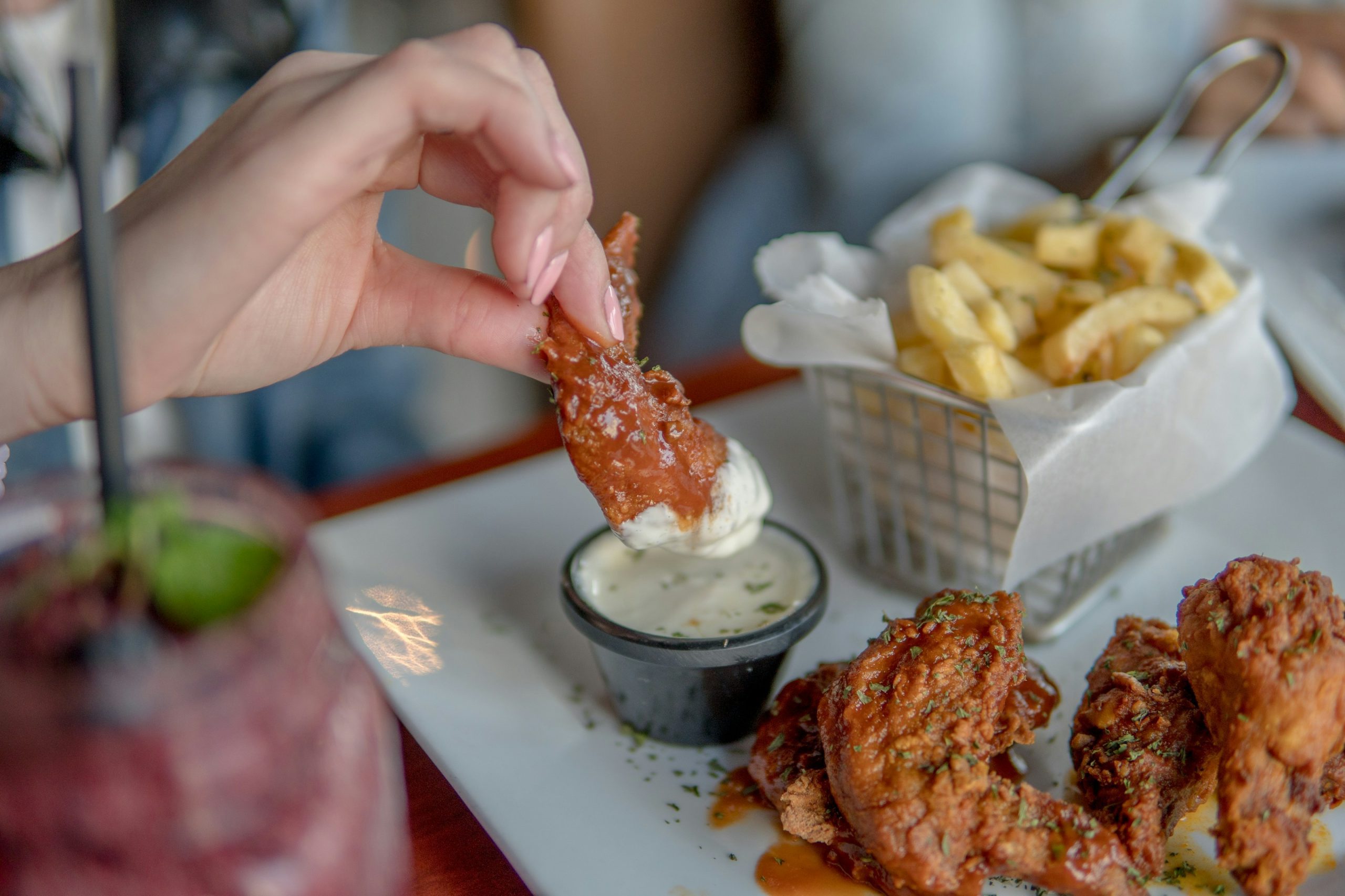
“Fried chicken QSRs such as Popeyes, Mary Brown’s, and Raising Cane’s have been dominating the sauce game by pairing new and improved sandwiches (including a better bun) with signature sauces,” Villa said.
And on the food retail side, Chef Villa says that Frank’s Red Sauce is the “tried and true classic hot sauce that is the base of many branded sauces,” which she attributes to its “perfect balance of heat and tang.”
In addition to heat and tang, Kara Brown, a recipe developer, beekeeper, and the founder of Bee Inspired, brought up another winning combination: sweet and spicy, AKA swicy.
Hot honey certainly scratches this itch – and consumers and companies alike have clearly been eating it up, based on the success of Mike’s Hot Honey. But why take my word for it when you can hear about the brand’s origin story from its founder himself, Mike Kurtz, in this episode of The Food Institute Podcast?
“I’m seeing diners move away from one-note flavors. Sweet alone isn’t enough. Heat alone isn’t enough,” Brown told FI.
“The sauces getting attention now are layered: sweet, spicy, tangy, and savory all at once.”
“Hot honey is the clearest example. It showed people are not just open to complexity; they actually want it. And that’s opened the door for everything else,” Brown added.
Even the QSR giants have begun to understand the magic of hot honey.
In his presentation, Khamkar noted that, while hot honey only penetrates 4.7% of U.S. restaurant menus at the moment, its menu penetration has increased by 3.6% from the prior quarter.
He cited McDonald’s as an example, which launched an LTO hot honey menu in late January featuring items like a Hot Honey McCrispy Sandwich and Hot Honey Snack Wrap.
“Even though the sauce remains the same, McDonald’s changes how the heat is perceived by layering ingredients and formats,” Khamkar shared.
He highlighted how the hot honey sauce is mild on its own, and therefore when paired with fries or nuggets, that its heat can be elevated in items like the Bacon Hot Honey McCrispy Sandwich, as the umami bacon and jalapenos amplify its spice profile.
Wingstop has also adopted a customizable approach to hot honey with its “Choose Your Heat” flavor system, which includes three variants: Sweet Garlic, Hot Honey Rub, and Saucy Sriracha.
And beyond hot honey, QSRs have also been serving up bold flavor without hurting their bottom line by leveraging sauces that offer sweetness, smoke, and spice applied in various contexts.
Burger King’s Maple Bourbon BBQ Whopper, for example, supplies a mashup of sweet maple, smoky BBQ, and a spicy kick from its crispy jalapenos, as well as candied bacon for more sweetness, as well as a contrasting texture.
Khamkar also pointed to Taco Bell’s Diablo Ranch Sauce developed in collaboration with Hidden Valley, which takes the flavor profile of the original Fire Ranch Sauce to the next level.
The Food Institute Podcast
Chris Campbell sits down with Sharon Aho, Senior Managing Director at Korn Ferry, to discuss how food and beverage companies can navigate labor challenges, transformation initiatives, supply chain disruption, M&A activity, and the growing pressure to balance cost efficiency with talent excellence.