Whether it’s due to changing consumer tastes or overexpansion during the pandemic, food companies are now laying off thousands of workers to ease margin pressure.
Tyson Foods announced the closure of a Nebraska plant and realignment of a plant in Texas in November. The downsizing began taking effect Jan. 20, starting a process that will ultimately trim an estimated 5,000 jobs.
“Tyson Foods regrets that team members at the Lexington [Nebraska] complex will be displaced yet hopes to accomplish this layoff with the least possible disruption to the lives of the team members, their families, and the community,” the company said in a letter to the Nebraska Department of Labor.
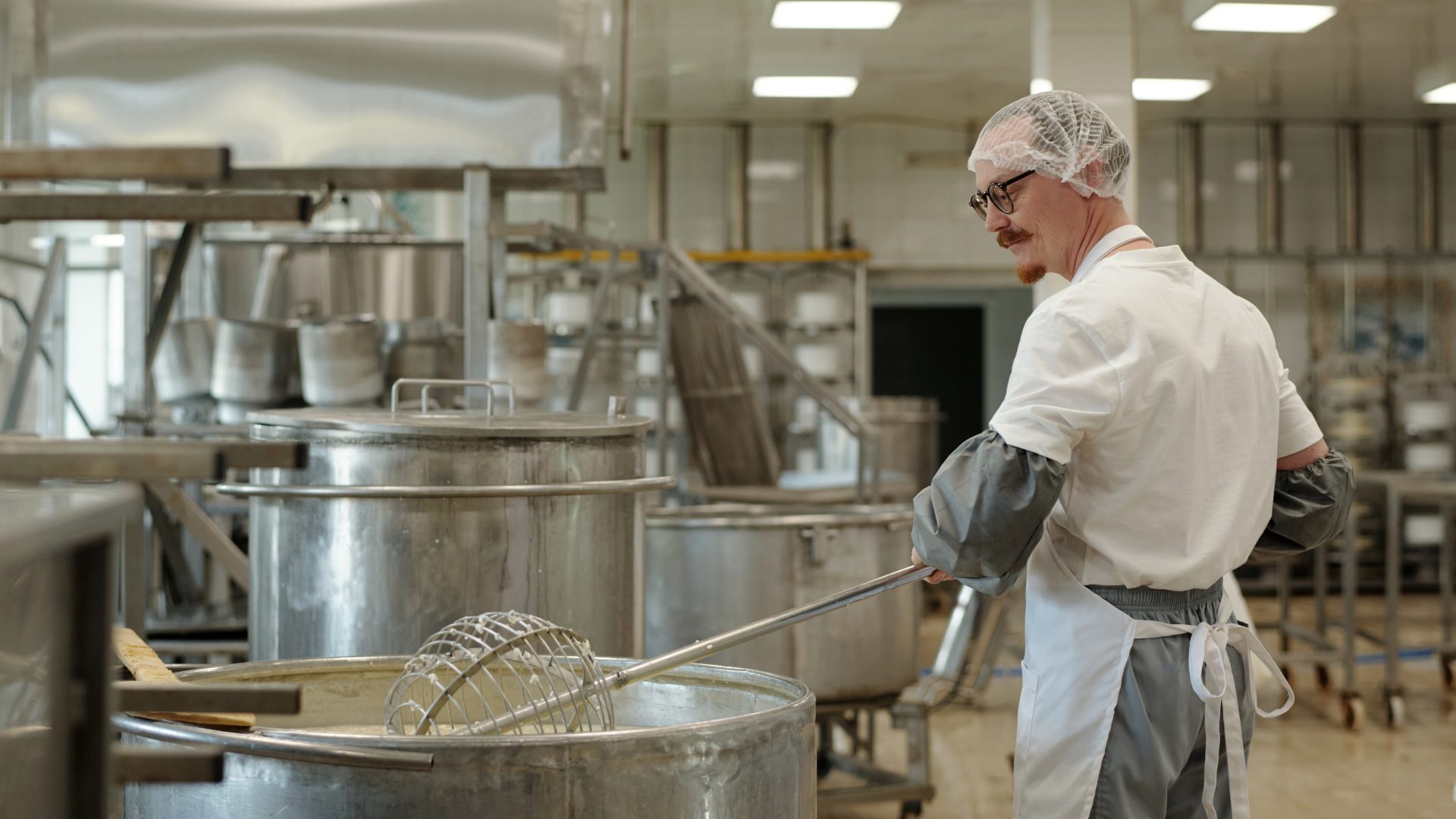
Approximately 2 million people are employed in U.S. F&B manufacturing, about 1.1% of nonfarm employment, per the USDA.
Nestle announced the biggest workforce reduction – 16,000 jobs worldwide – while PepsiCo recently shuttered two Frito-Lay facilities in Florida, affecting 500 workers, and Molson Coors eliminated 400 salaried positions.

“The layoffs that we are seeing are largely being driven by three factors,” Elana Schrank of the global consulting firm Baringa told The Food Institute. “First, customer demands are changing, both in tastes for products and in an increased desire for digital experiences. …
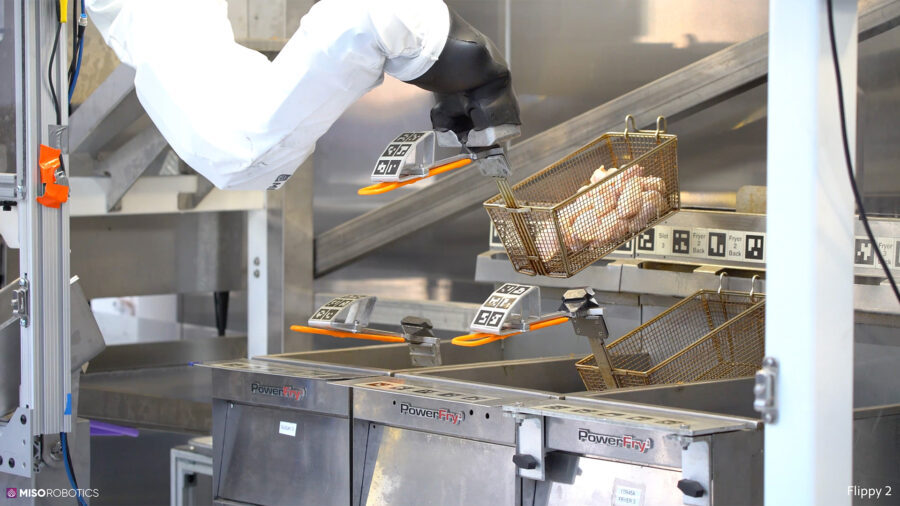
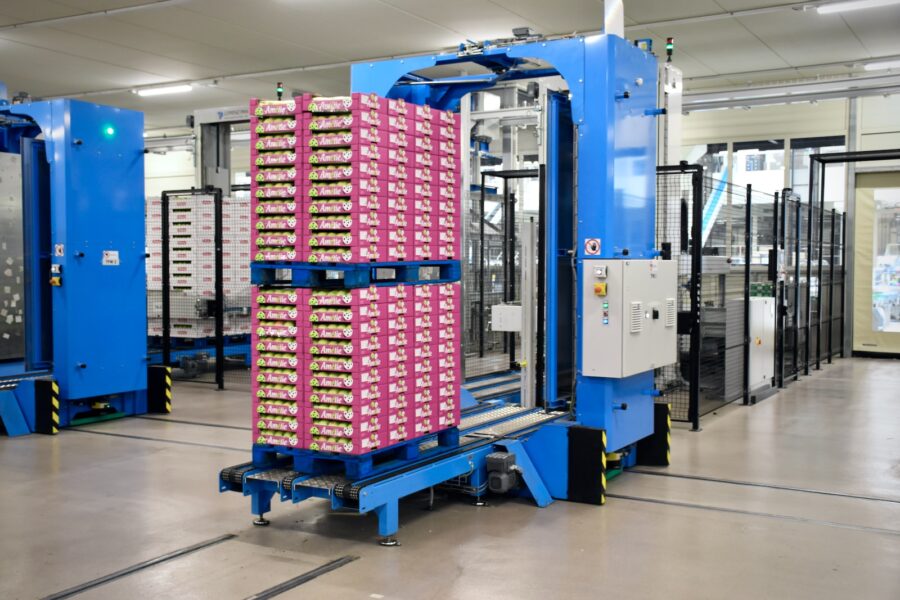
“Second, we’ve seen recent geographic moves in other sectors like banking and energy with talent hubs cropping up in the American South. … Lastly, the push for increased smart automation – not just in manufacturing – but in other areas of the value chain, will continue to drive workforce reductions.”
Schrank said smart companies are leveraging their workforces, where possible, relocating as many highly skilled employees as possible where plant closures are involved.
“We’ve also seen a push to upskill employees on AI and other automation techniques to increase efficiency in their current roles, with returns being seen in future gains in output,” Schrank said.
Some industry insiders expect to see mass layoffs ease this year.
“Instead, expect a trend of rolling layoffs, facility closings, and ‘quiet cuts’ via reduced work schedules and roles,” said employment attorney Kelsey Szamet. “Such a strategy might help balance the books in the short run but can hasten employee turnover, unionization, and lawsuits once the economy improves.”
Szamet blamed the current round of layoffs on margin pressure resulting from overexpansion in recent years and quick decisions to automate.
“What is interesting is that many of these layoffs occur in an environment where productivity is being increased for remaining employees, creating wage-hour, retaliation or other claims,” Szamet said.
About a dozen food and beverage companies announced 2026 layoffs in the waning days of 2025. In addition to the four mentioned above, job cuts were announced by Archer-Daniels-Midland, which laid off 700 amid restructuring. Meanwhile, layoffs were also announced by Beyond Meat, General Mills, Heineken, Hormel, Perdue Farms, Post Holdings and Utz, newsbreak.com reported.
Food for Thought Leadership
It’s undeniable that restaurants were challenged heavily in 2025, but what does that mean for 2026? Foodservice industry veteran John Inwright discusses the prospects for a new year, what’s working for successful operators, and the headwinds and tailwinds that could define the year.