When Super Bowl Sunday nears, restaurant operators need to strategize with their team, not unlike how Sean McVay or Andy Reid often approach the biggest day on the NFL calendar.
“The day needs strategy, prep, and all the organizing to deal with the mayhem,” said Rich Libner, CEO of the MCP Talent Agency.
Super Bowl Sunday has become one of the most demanding days of the year for establishments like restaurants and sports bars. In recent years off-premise orders have grown significantly on the day of the NFL’s title tilt.
“A great Super Bowl experience comes down to preparation and execution,” Joe Hannon, an executive with Restaurant365, told The Food Institute. “Guests expect energy, fast service, and a smooth experience on a high-traffic day.”
Restaurants are already reporting more group reservations for this year’s big game, per Brandy Rand, the VP of hospitality at Questex, who credited the “return to socialization trend.”
Operators need to ensure that their employees are prepared for any possible issue before kickoff, to help avoid distractions once the rush starts. This year, many in the hospitality industry expect solid customer traffic both in-house and off-premise.
“What that means for operators is they’re often trying to support two different businesses at the same time,” Hannon explained. “You might have a full dining room while also managing a surge in takeout and delivery orders. The restaurants that perform best are the ones that plan for both.”
The biggest shift on Super Bowl Sunday in recent years for establishments has been the rise of delivery and takeout. Meanwhile, restaurants and bars that find themselves unprepared to capture dine-in service tend to “get destroyed,” Libner said.
With such words of warning in mind, industry experts noted several key steps that establishments can take to develop a winning game plan for Super Bowl Sunday.

8 Business Tips for Super Bowl Sunday
- Staff up, understanding that Super Bowl Sunday traffic comes in waves (study prior years to note when sales typically peak). During peak times, staggered shifts help avoid staff burnout.
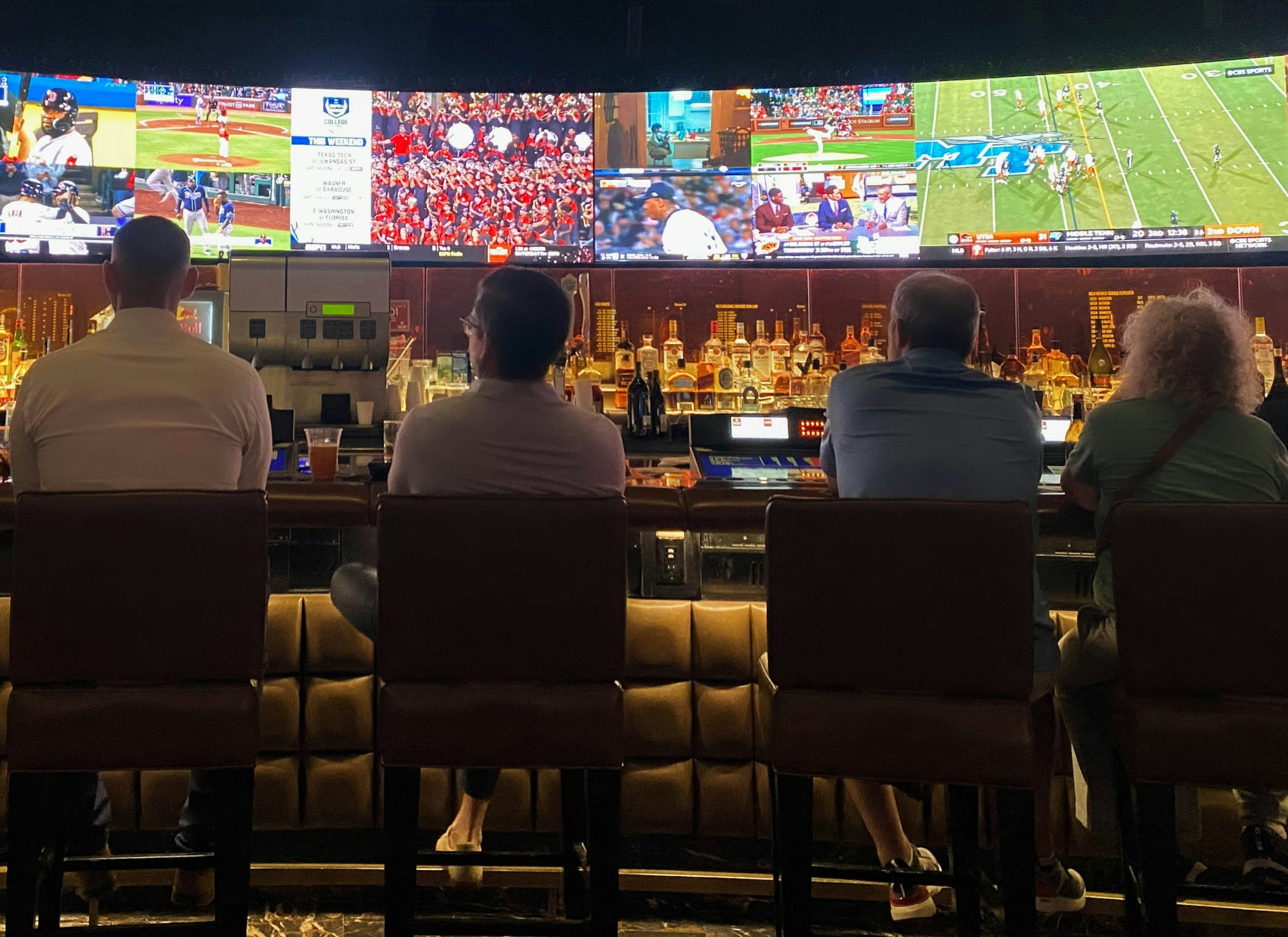
- Prepare TVs, sound, and seating well ahead of kickoff.
- Clearly denote pickup windows for takeout orders.
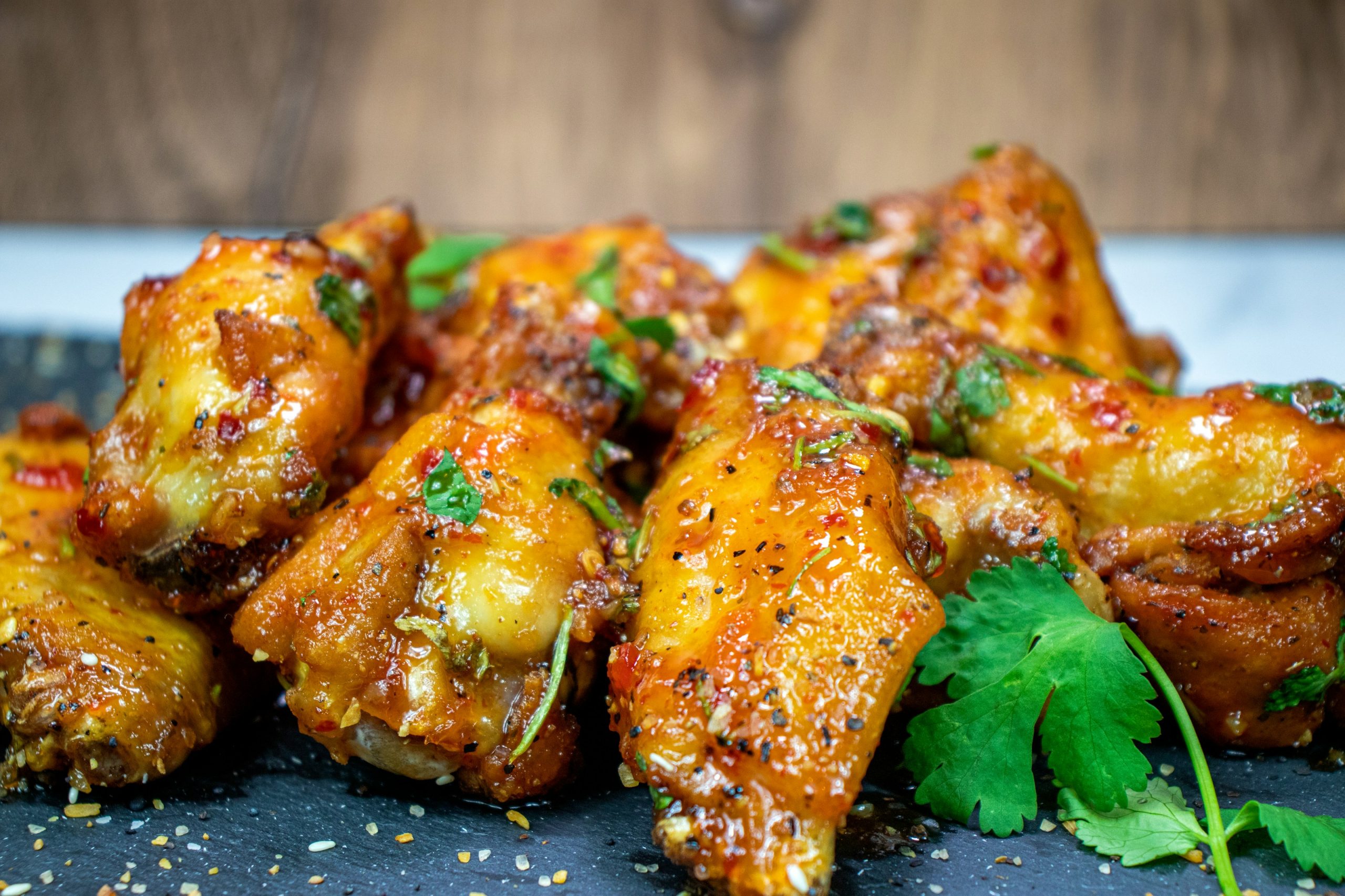
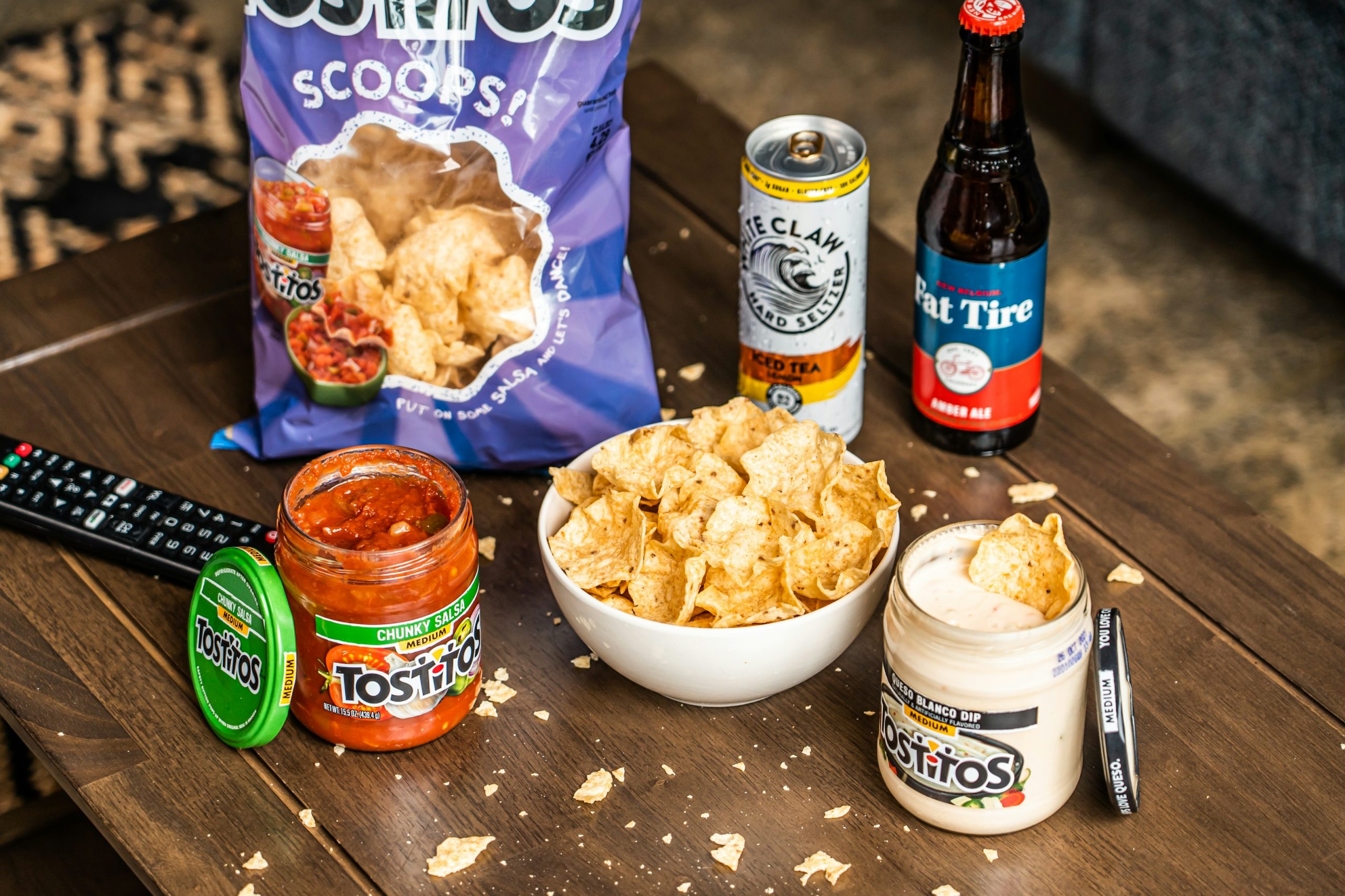
- Highlight shareable items that can be executed quickly, like wings, sliders, nachos, and dips – “items that are easy to hold in one hand, are more dry than wet, and retain flavor and structure,” said Adoniram Sides, an executive with Lightspeed Commerce.
- Offer “game-day packages” featuring menu items that maximize both turnover and average ticket size.
- Highlight menu items with overlapping ingredients, which lends to operational efficiency.
- Define each employee’s role for the day.
- Stock up on beer, RTD beverages, and themed mocktails, which promote responsible consumption during a lengthy game.
“When operations are running smoothly behind the scenes, teams can focus on hospitality – which is what guests remember,” Hannon noted.
Consider Riding the Pine?
Super Bowl Sunday isn’t an automatic win for every restaurant and bar. One key, experts note, is planning ahead. Another imperative: knowing your clientele well.
Some establishments may even find that it’s cost-effective to sit out Super Bowl Sunday festivities.
“If your restaurant isn’t aligned with football culture, forcing a Super Bowl play can backfire,” warned Antonio Campolio, executive chef and partner at NDA Foods. “In some of my own restaurants, it was statistically one of the worst days of the year; In those cases, it made more sense to run a strong brunch, close for the evening … or even shift staff to busier locations.
“The mistake,” he added, “is assuming every restaurant should chase the same play – the opportunity is in choosing the right one.”
Food for Thought Leadership
It’s undeniable that restaurants were challenged heavily in 2025, but what does that mean for 2026? Foodservice industry veteran John Inwright discusses the prospects for a new year, what’s working for successful operators, and the headwinds and tailwinds that could define the year.