Knowing when to reorder and restock are major issues ahead of major events like the Super Bowl and Valentine’s Day, and Kevin Sturdevant, VP for support and analytics at Focal Systems, told The Food Institute AI is the answer. AI, he noted, delivers invaluable, real-time data.
AI-powered shelf intelligence is becoming grocers’ secret weapon for Super Bowl Sunday and Valentine’s Day demand surges. Real‑time, SKU‑level insights help retailers prevent out‑of‑stocks, deploy labor strategically, and keep high‑stakes shopping windows fully supplied.
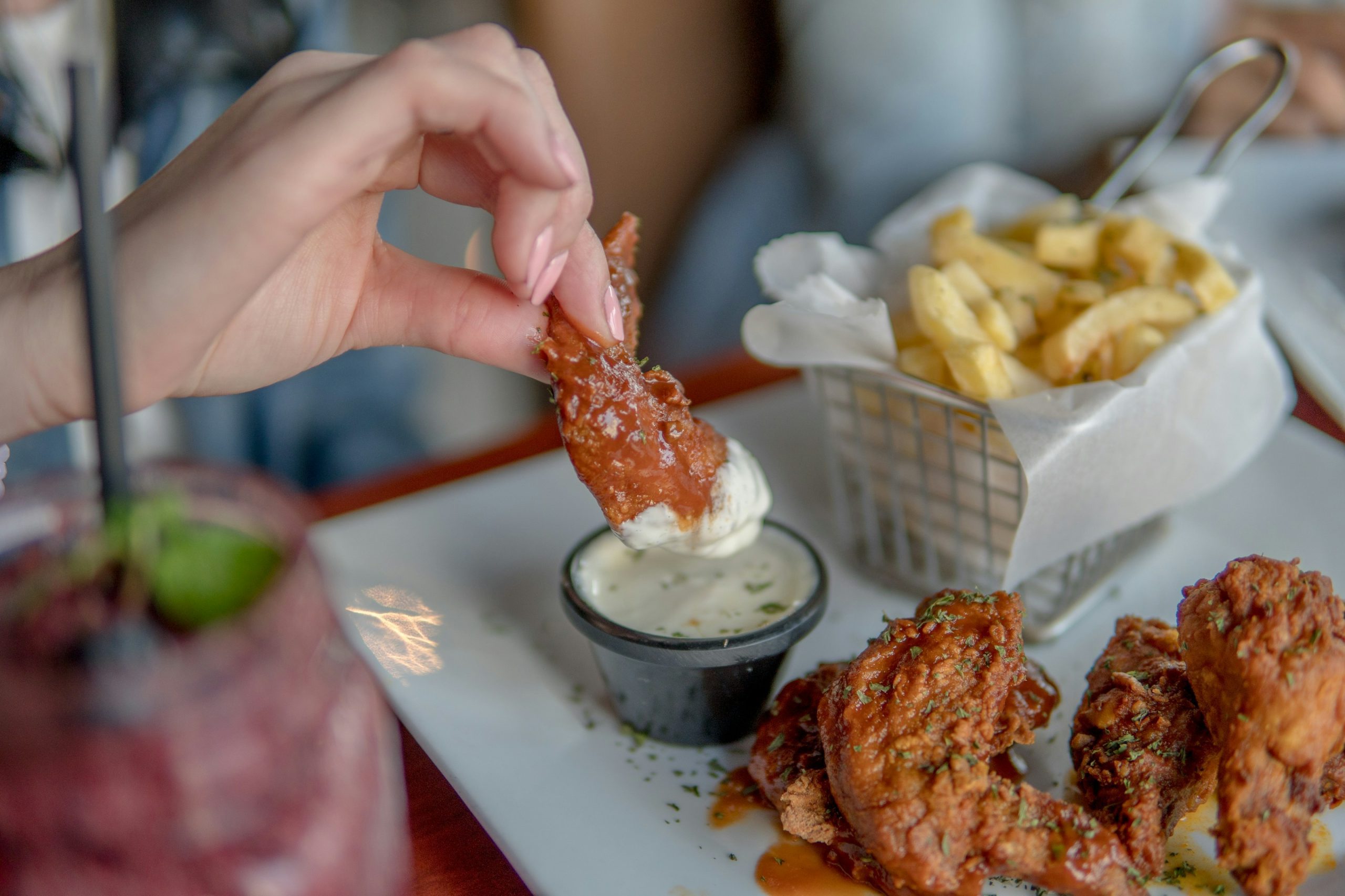
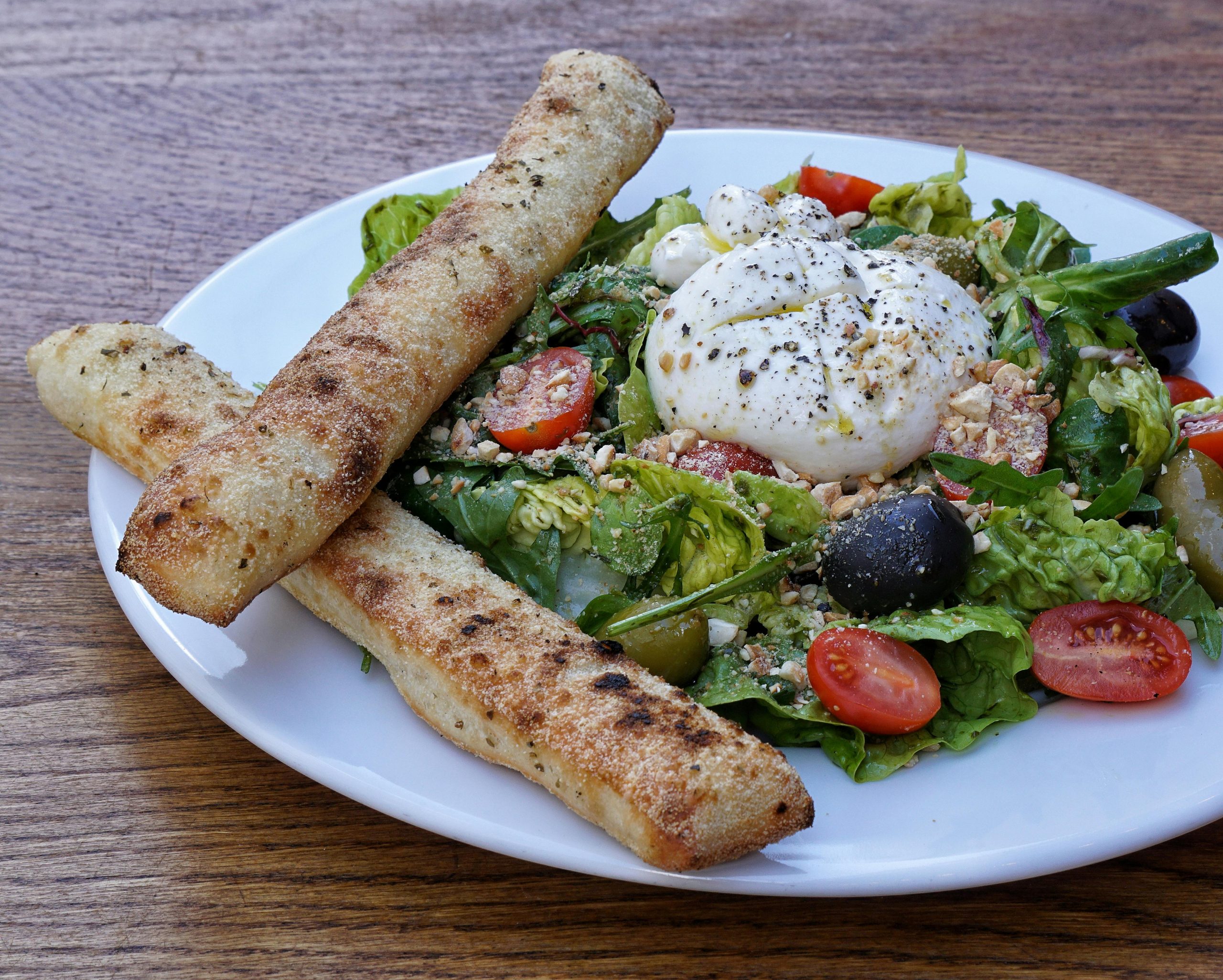
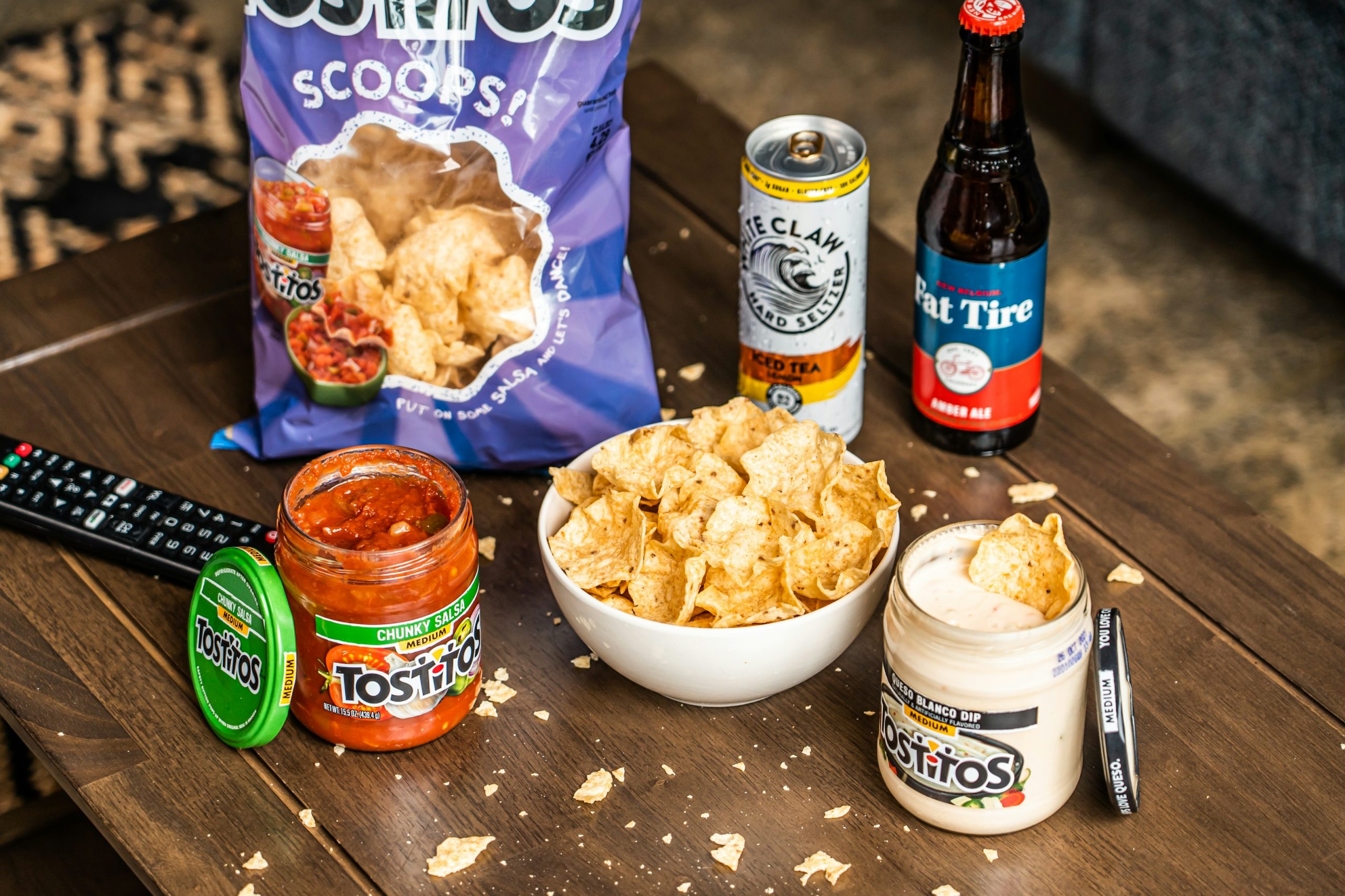
Instacart statistics indicate chips and dip, buffalo sauce, queso in the West and chicken wings elsewhere, and ranch dressing are the most popular foods for Super Bowl Sunday. Meanwhile, a Harris Poll indicates there’s just a 2-point difference between those who will go to restaurants and those who plan a romantic Valentine’s Day at home with a sumptuous meal, pizza, an array of desserts, fried chicken, barbecue or tacos.
“It really is the thought that counts – 63% of Americans describe the perfect Valentine’s Day dinner at home as thoughtful and personal (i.e., my partner making my favorite foods),” the poll found in relation to Valentine’s Day. Furthermore, just over half of Americans (51%) would prefer to cook the special meal together with their partner.

How AI Is Keeping Shelves Stocked This February
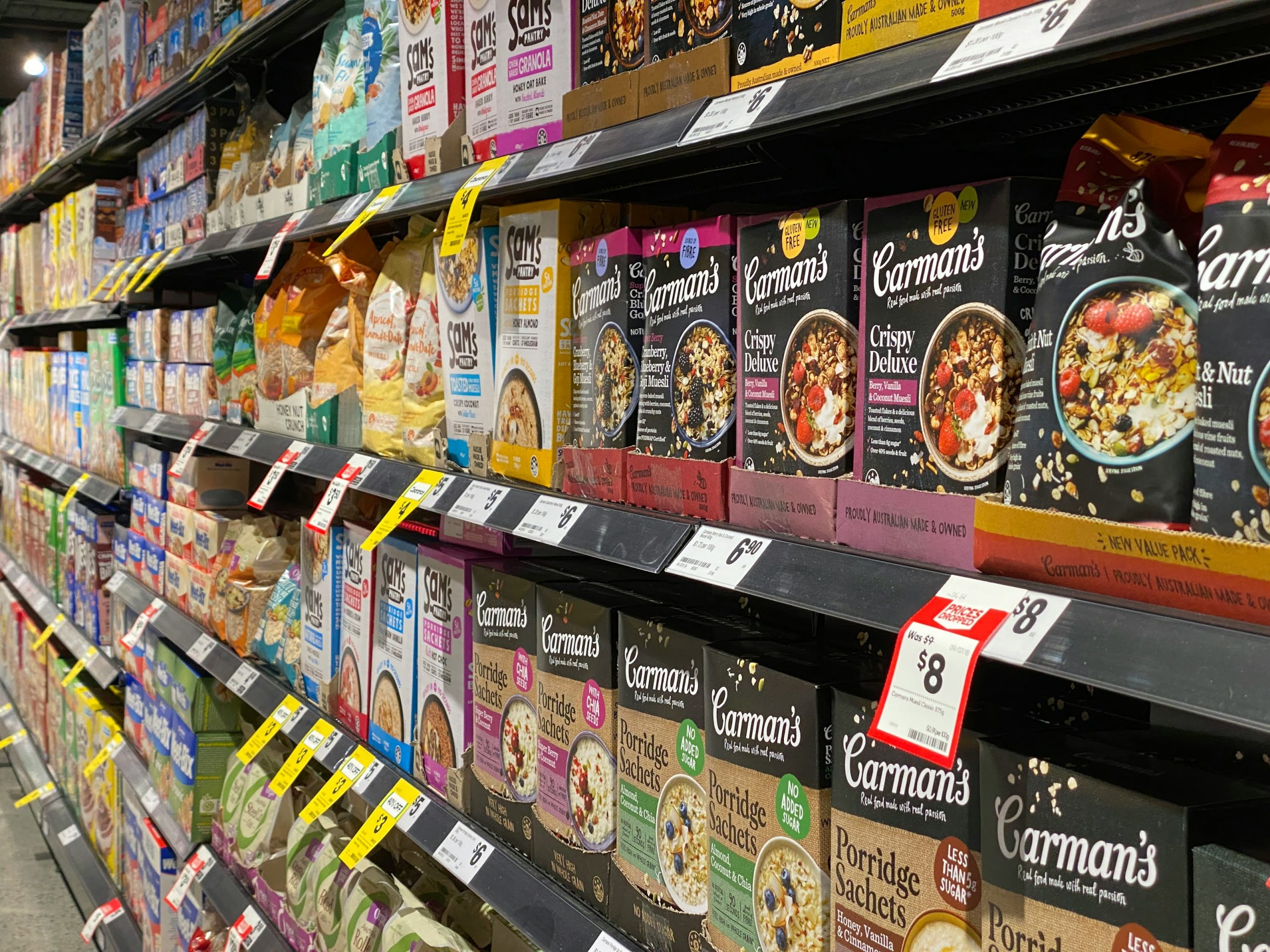
“AI transforms raw shelf images into actionable intelligence,” Sturdevant said. “Models are trained on chain-specific data, allowing them to accurately identify when a shelf is out – or trending toward an out – at the SKU and facing level.
“This enables retailers to create precise, prioritized tasks aligned with their SOPs [standard operating procedures], rather than relying on generic alerts or delayed sales signals.”
Sturdevant said this allows retailers to make sure they have the right staffing level by the hour, giving them the ability to assign labor where it will have the most impact. Out-of-stock indicates bad planning, he said, adding AI enables retailers to determine what they’re most likely to run out of and whether – and when – they will need additional product.
“The result is smarter scheduling, better task prioritization, and stronger on-shelf availability during the most critical shopping windows,” Sturdevant said.
“Grocers are moving away from lagging indicators, like post-event sales dips, and toward real-time, actionable shelf data. With integrated systems, teams can immediately update balance-on-hand, trigger replenishment, or adjust electronic shelf labels to reflect outages. The focus is shifting from reacting after the fact to preventing availability issues in real time.”
Food for Thought Leadership
It’s undeniable that restaurants were challenged heavily in 2025, but what does that mean for 2026? Foodservice industry veteran John Inwright discusses the prospects for a new year, what’s working for successful operators, and the headwinds and tailwinds that could define the year.