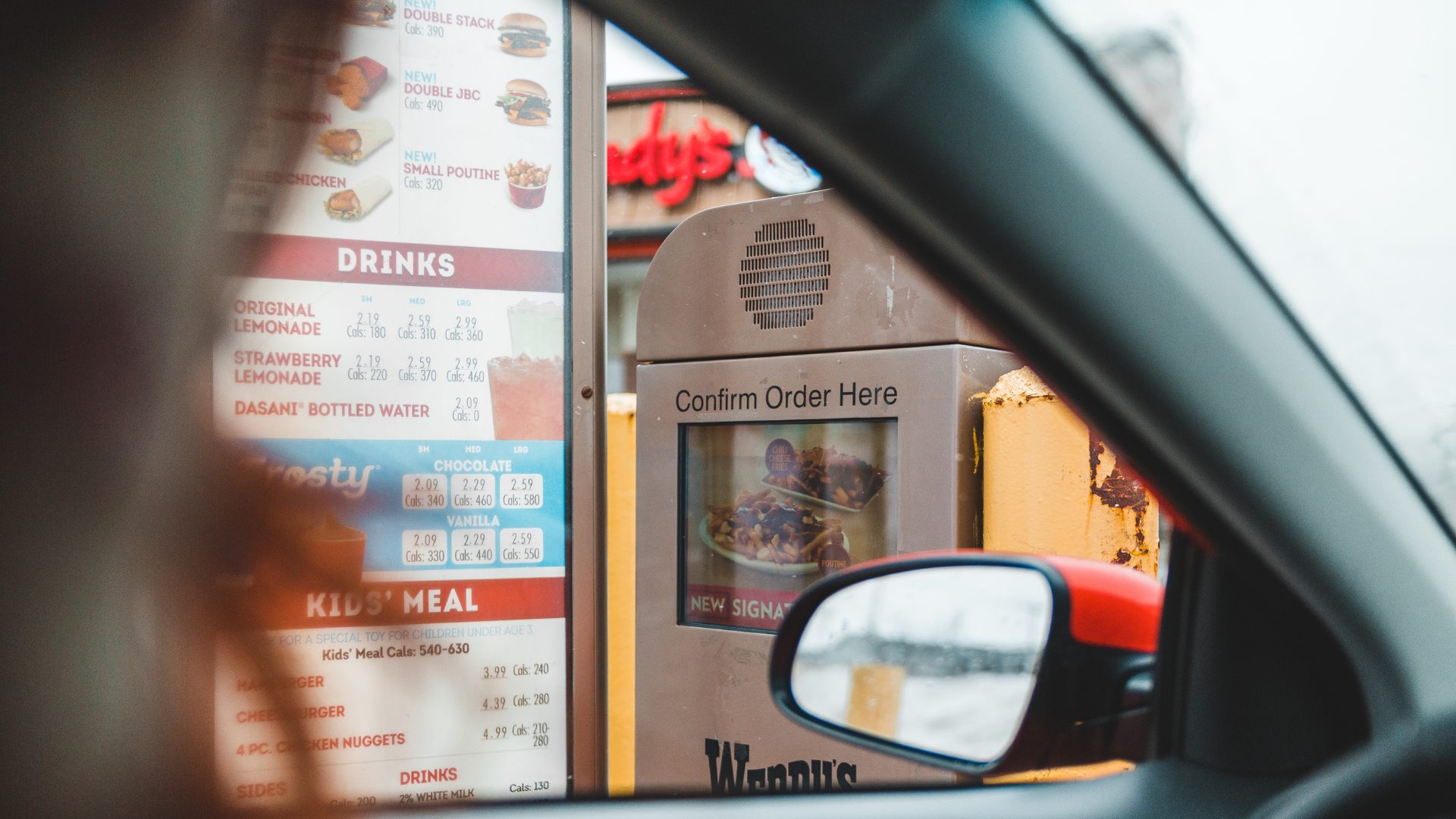
Fast-food drive-thrus used to boast bumper-to-bumper traffic at dinnertime. In 2026, many a McDonald’s or Wendy’s property often feels desolate.
Rising prices are making even lower-income consumers think twice about buying fast-food burgers, fries, chicken tenders, and tacos.
“Based on data from multiple sources, there does appear to be a contraction in overall QSR traffic,” said Eric Lam, the CEO of Berry AI.
As a result, Lam told The Food Institute, “there will be an increase in ‘value meal’ offerings across brands. [But] this is a tricky dance.”
With the price of ingredients rising, some restaurants have responded by increasing menu pricing. “This approach can come at a tradeoff, as it risks pushing out more price-sensitive consumers,” said Shannon Chirone, a senior marketing executive at HungerRush.
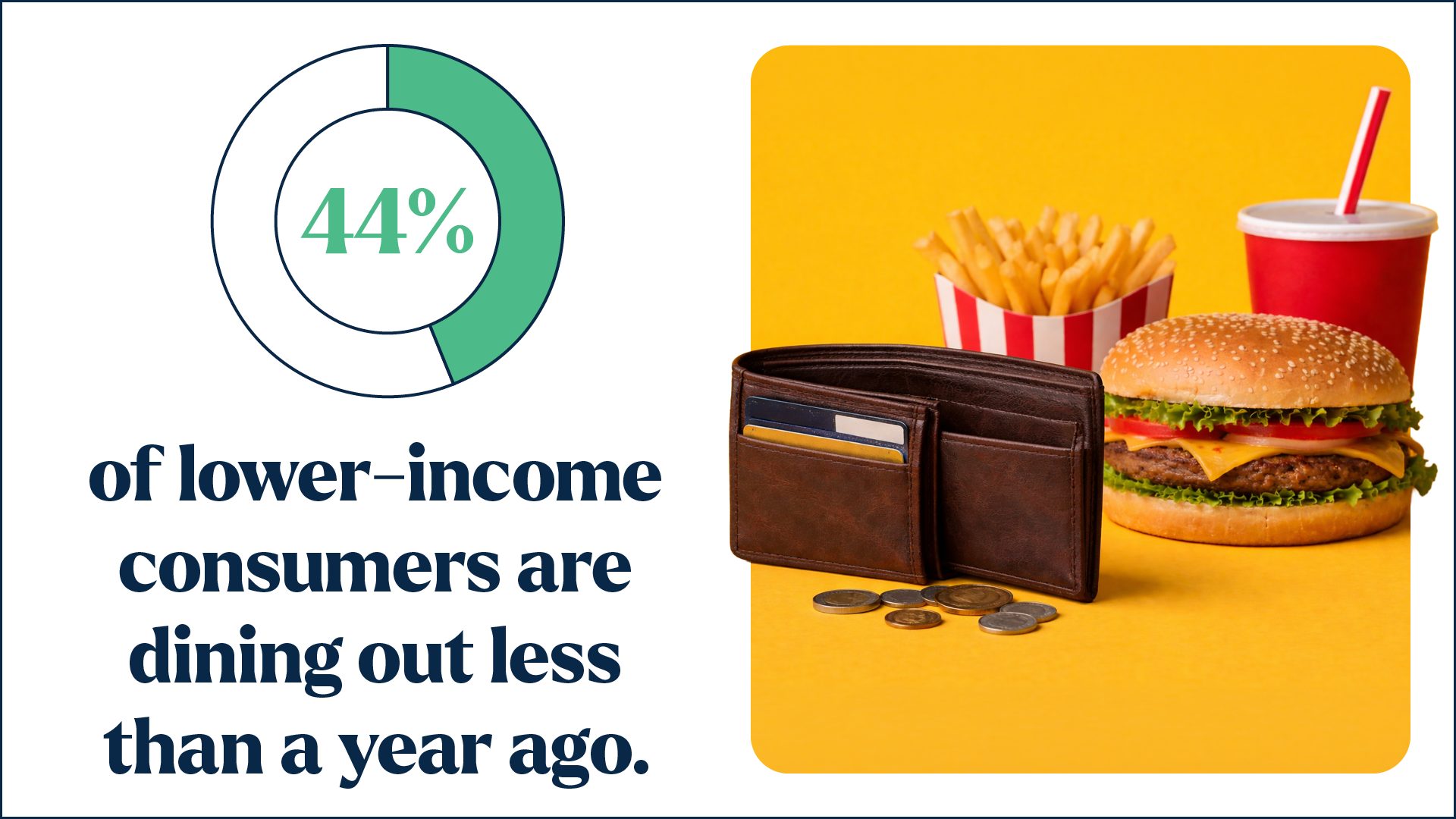
According to recent data, 44% of lower-income consumers are dining out less than they were the year prior.
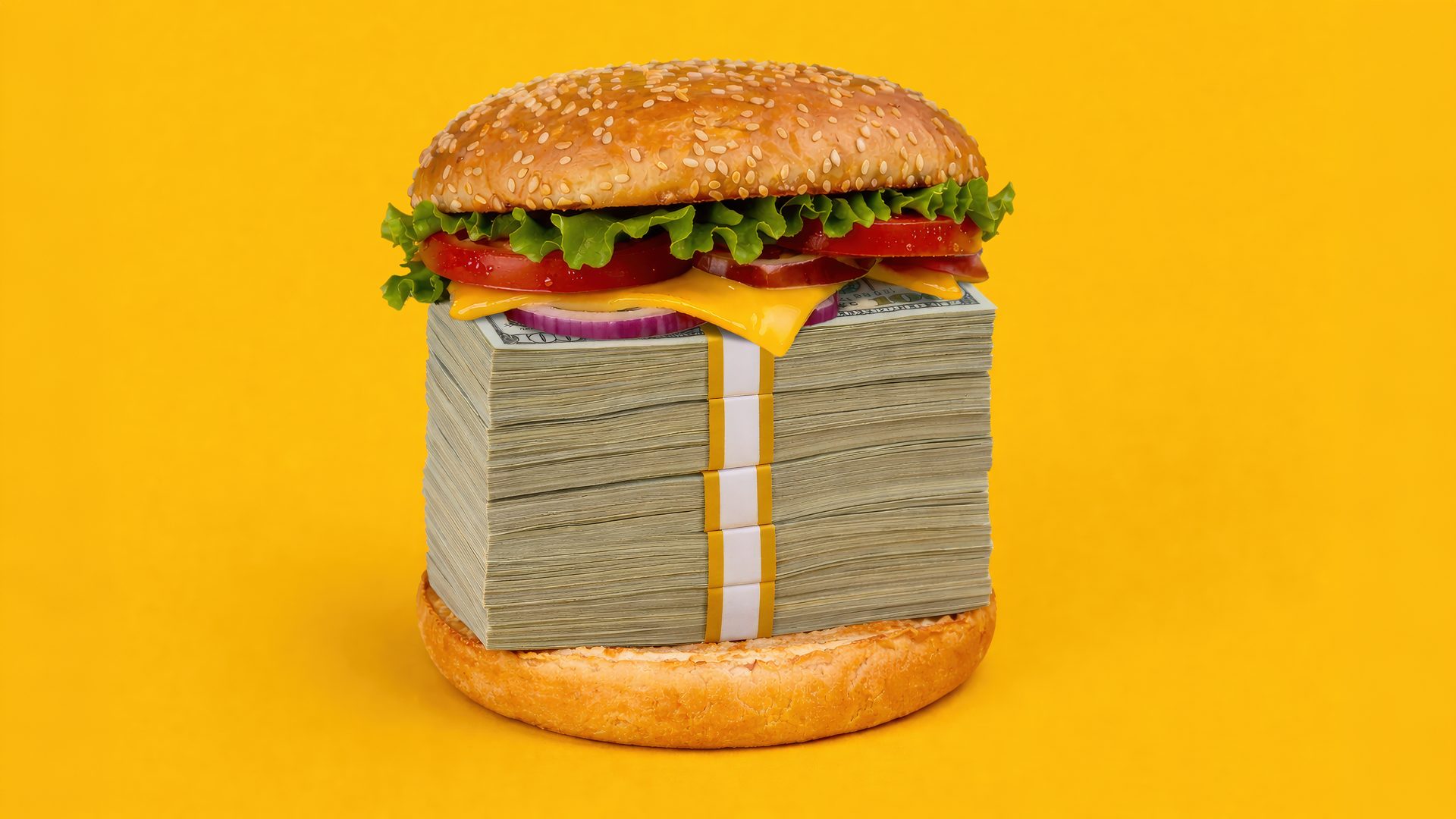
Fast-food prices have risen significantly in recent years, with some menu items doubling in price since 2020. The average price of a menu item at McDonald’s increased by roughly 40% between 2019 and 2024, according to company data.
Simultaneously, consumer income isn’t keeping pace with the cost of living. “You are seeing across the country that rents are at pretty high levels. You are seeing food prices are high. … Child care is high,” McDonald’s CEO Chris Kempczinski said late last year. “There’s some significant inflation there that the low-income consumer is having to absorb.”
Chipotle, Burger King and Wendy’s have also reported fewer lower-income patrons, according to The Week.
Lower‑Income Diners Walk Away
In 2026 the K-shaped economy persists, with many upper-class consumers continuing to spend rather freely. Conversely, even middle-class consumers are reigning in expenses.
“This is not a cyclical blip. It is a structural shift,” wrote Dr. Sylvain Charlebois, a visiting scholar in food policy and distribution at Canada’s McGill University.
The core issue is simple, Charlebois added. Over the past few years, QSR operators have aggressively raised prices to offset rising input costs – for ingredients, labor, energy, and logistics.
“In doing so, [QSRs] have crossed a psychological threshold,” Charlebois wrote. “What was once perceived as an affordable option is now, for many households, anything but.”

QSRs’ New Weapon in the Value Wars
Research by Placer.ai shows that, in 2026, lower- and middle-income consumers are spreading their visits across a wide variety of food retailers as they hunt for value.
“For much of 2025, lower-income shoppers shifted their visits away from fast-food chains, pivoting toward value-oriented grocery stores, dollar stores, convenience stores, and warehouse clubs,” said R.J. Hottovy, head of analytical research at Placer.ai.
“While McDonald’s and other quick-service brands have recaptured some of those lost visits through targeted value offerings, these consumers remain highly driven by deals,” Hottovy told FI.
While 2024 saw a surge in $5 bundled meals across the fast-food sector, recent strategies have shifted toward offering individual items in the $3 range, like a “McValue” menu that’s suddenly loaded with items such as Sausage McMuffins and McChicken sandwiches.
“This approach successfully provides shoppers with an accessible price point while remaining much more beneficial to overall franchise profitability,” Hottovy said.
Convenience Still Reigns for QSRs
Value meals aren’t the only way to win back price-conscious consumers. Restaurant operators can leverage technology for enhancements in areas such as labor control and menu optimization.
“We consistently see that the biggest drivers of [customer] dissatisfaction aren’t price alone,” Chirone noted. “According to HungerRush data, it’s things like long wait times, inaccurate orders, or poor customer service.
“Fixing those issues can have just as much impact on how customers perceive value as a discount could.”
Nevertheless, it appears likely that many quick-service chains will turn to value meals to boost traffic in the months ahead. Case in point: Wendy’s recently added Biggie Deals, and Taco Bell is now promoting a Luxe Value Menu.
“Consumers are being more mindful with their spending, but they’re not giving up small treats altogether,” Michael Keller, the CEO of Jeremiah’s Italian Ice, told FI.
Keller’s restaurants recently added the Tadpole Mini, a treat priced at around $3.
Some industry insiders feel we’ll continue to see consumers dine out in the months ahead – even price-sensitive consumers – but do so in a more intentional manner. Many in the restaurant industry feel most consumers will continue to pay for convenient food service; according to HungerRush findings, 51% of consumers cite convenience as a driver for choosing QSRs.
Still, fast-food chains are largely following McDonald’s lead by offering value menus. And they almost certainly will continue to do so for the foreseeable future.
“McDonald’s has long functioned as a bellwether for the broader restaurant industry,” Chirone noted. “Value menus have rescued McDonald’s during past economic downturns, but they’re not a guaranteed profit windfall. … We’re also in a very unique economic environment right now.”
And, the marketing expert added, “it’s important to remember that ‘value’ means so much more than just lowering prices. The brands that win and build lasting loyalty create offers that feel meaningful to the customer while still being operationally sound.”