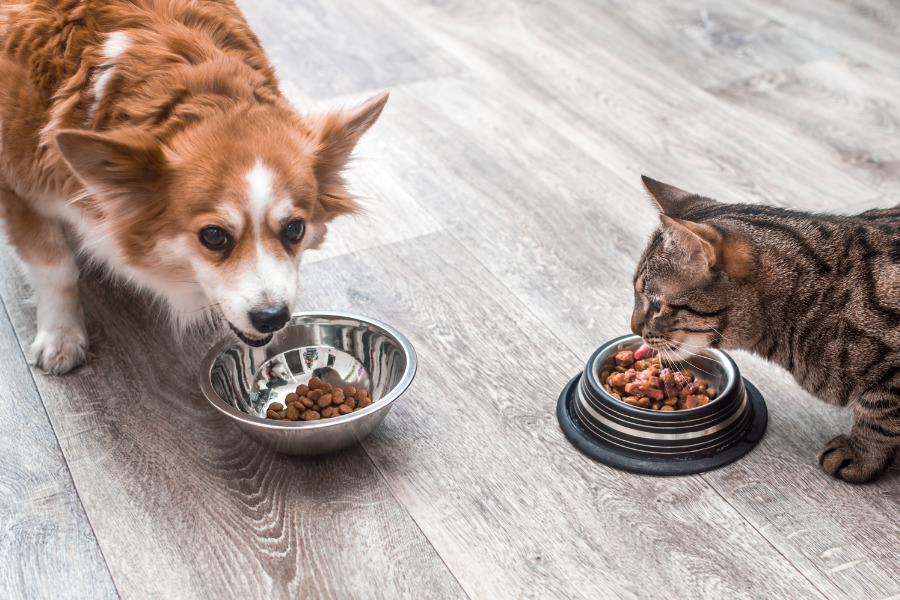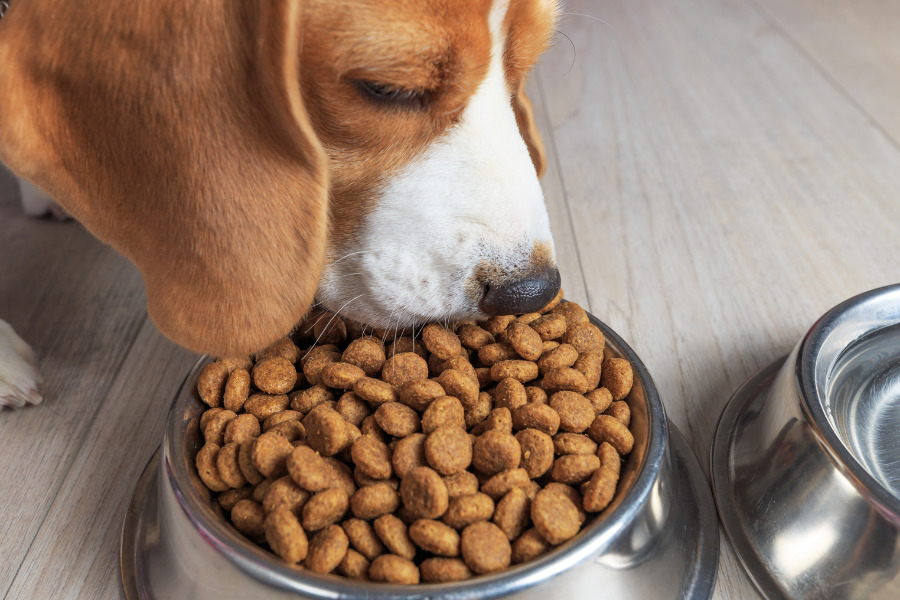
If you’ve noticed your friends, family and neighbors pampering their pets recently, you’re not alone. Major food manufacturers have taken note of the trend, too, pouring millions into the pet-food category as a result; earlier this year, for instance, J.M. Smucker invested $20 million in a pet-food plant in Topeka, Kansas.
If you find that figure eye-opening, consider this news that occurred less than a month later: Nestlé Purina invested $2.5 billion in a new pet-food factory in Vargeão, Brazil.
As the “humanization” of pets gains momentum, investments in pet-food seem likely to continue. The bond between man and domesticated (and loveable) beast has never been stronger. Gen Z and Millennial pet parents are leading the humanization movement, according to the U.S. Chamber of Commerce.
If you’re looking for a recession-proof business, pet food is near the top of the list.
“People tend to want to keep their pet happy and healthier – and usually will compromise their own lifestyle instead of their dog’s,” Ali Smith, a pet expert at Rebarkable, told The Food Institute.

The pet-food sector has historically demonstrated resilience, even during economic downturns.
“Demand for premium, specialized and science-backed pet nutrition continues to grow, and manufacturers are investing in facilities that allow them to scale efficiently while staying close to supply chains and R&D resources,” explained Rhiannon Friedman, president of GO Topeka.
“The numbers don’t lie; pet food has delivered the kind of consistent, premium-leaning growth that’s become genuinely rare in the broader food industry,” said Russell Breuer, CEO of the Spot & Tango brand.
“Large manufacturers are recognizing that pet food isn’t just defensive. It’s where innovation is happening right now,” Breuer told FI. “The ingredient standards, the formulation science, the direct relationships with consumers – it’s more dynamic than some human-food categories at the moment.”
That competition is good for pet owners, the CEO said, and it pushes the entire sector forward.
The global pet-food market, which was valued at nearly $135 billion in 2025, is projected to reach $303.8 billion by 2036. The market is expected to grow at a CAGR of 7.7% over the next decade, with dog food dominating, according to Future Market Insights.
So, what are all those Gen Zers and Millennial parents purchasing for Fido?
“Dog guardians are getting wise to ‘low-grade’ pet food and no longer want to accept it,” said Smith, a dog trainer and behavior expert. “Scientific research is showing that there’s an increase in healthiness associated with feeding fresh food as opposed to kibble.”
Industry experts foresee the most growth potential in the following types of pet food:
- Fresh and properly balanced raw products
- Fresh-dry
- Those tied to measurable health outcomes
Pet-food brands that can substantiate the healthiness of the claims on their bag, transparently, appear poised to win.
After all, the pet-humanization movement shows zero signs of slowing.
“Pet owners aren’t just feeling more attached to their dogs,” Breuer said. “They’re reading ingredient panels. They’re asking their vet about nutrition. They’re choosing brands based on sourcing transparency and clinical backing, not just marketing – that’s a different consumer than we had even five years ago.
“Pet owners are asking more sophisticated questions, and the brands that can answer them with real data – not just a ‘natural’ callout on the front of the bag – are going to have a durable advantage.”
The Food Institute Podcast
This Episode is Sponsored by: City National Bank
John Linehan, president of Irresistible Foods Group, explains how organizational charts are being supplanted in the Capability Era and how a new vision of leadership is growing within the food and beverage industry in this episode guest hosted by City National Bank’s Shahe Kassardjian.