Ahead of its Q4 2025 earnings report slated for March 3, Target is kicking the year off with a multi-pronged growth effort with a structural realignment plan, a GenAI advertising foray, and a store opening frenzy, giving way to a “throw everything at the wall and see what sticks” approach to 2026 leadership.
Despite not yet knowing the Q4 financials, recent reports signal that support for Target is waning, and CEO Michael Fiddelke isn’t waiting to return the business to the green. In Q3, the brand saw net sales drop 1.4% year-on-year, while same-store sales fell 2.7%.
Softening demand, lower foot traffic, margin pressures, and sociopolitical headwinds are all likely to blame for these declines. Target’s solution: invest in the shopper experience.
Let’s dive into some of the tactics Target is leveraging as it vies for next-era growth.
Leadership
Not one month into Fiddelke’s new role, and he’s starting strong with a leadership shakeup, promoting Cara Sylvester to chief merchandising officer (previous chief guest experience officer), and moving Lisa Roath to COO from chief merchandising officer of food, essentials, and beauty. Roath replaces Fiddelke, signaling top-level trust in her expertise.
Sylvester will strengthen Target’s merchandising, product development, assortment design, and partnerships, while Roath will elevate the shopping experience, effective Feb. 15.
Additionally, longtime executives Rick Gomez (CCO) and Jill Sando (chief merchandising officer for apparel and accessories, home, and Fun101) will leave their roles after a transition period.
“It’s the start of a new chapter for Target, and we’re moving quickly to take action against our priorities that will drive growth within our business,” said Fiddelke in a statement.
“These leadership changes align the right talent and expertise with key roles and simplify our structure so we can advance our strategy with greater speed, clarity, and accountability.”
Alongside these appointments, the retail chain is undergoing a corporate restructure, eliminating 500 roles, according to an internal memo. This includes roughly 400 removed positions across its supply chain operations and 100 roles at the store district level. The retailer told NBC News that no store-level jobs would be affected.
The recent layoff announcement, however, shouldn’t come as a shock – it’s part of a larger overhaul that included 1,800 corporate layoffs in 2025.

Footprint
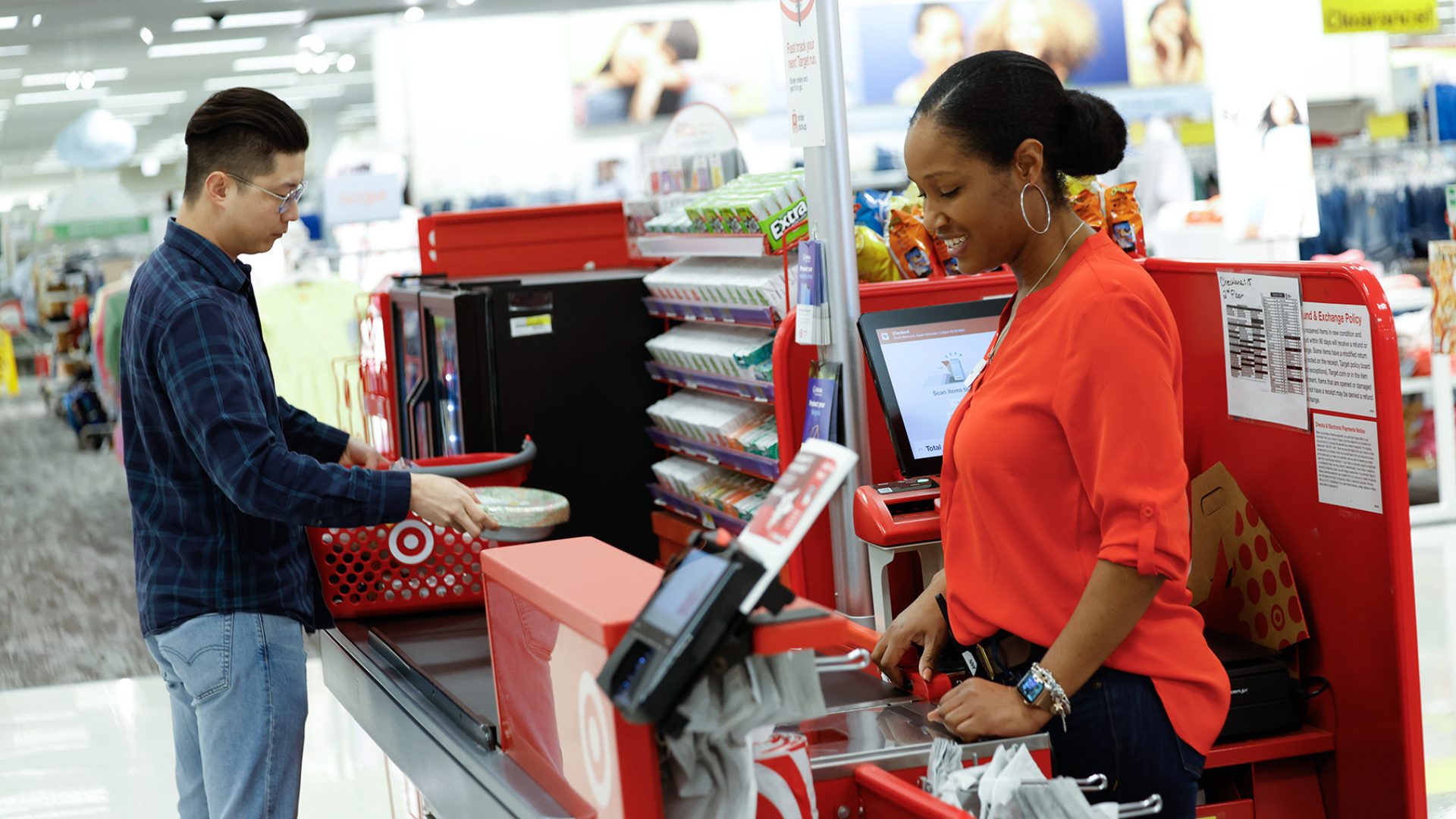
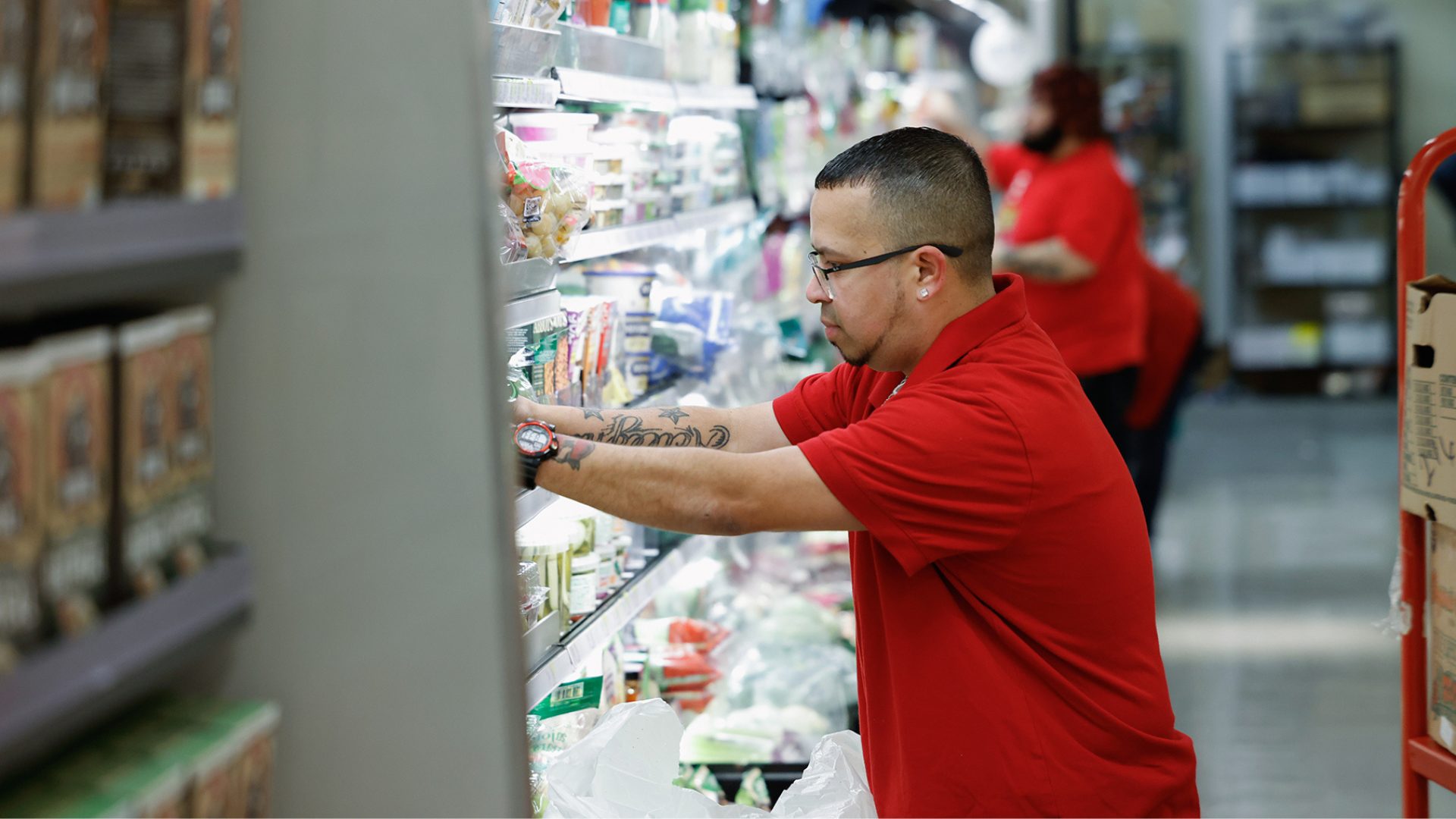
The mass layoffs will reportedly enable Target to redirect its investments into the store-level experience, including customer experience training, and additional budgets for staffing.
“This change also fuels our ability to put significantly more payroll in our stores – primarily in additional labor and hours where needed most, but also in new guest experience training for every team member at every store,” said the internal email.
Chief stores officer Adrienne Costanzo and chief supply chain and logistics officer Gretchen McCarthy sent the email to Target employees on Monday.
This move aligns with Target’s footprint expansion plans. In 2026, the chain will open more than 30 locations as part of an initiative to expand the new store network by 300 by 2035.
Target’s recently announced openings also signal its play for the in-store experience, with larger formats to compete with Walmart and recent hires with shopping experience expertise. Five stores opening this year will top roughly 125,000 square feet.
The retailer is readily prepared to compete with the market behemoths, Walmart and Amazon, and is leveraging its existing supply chain to capitalize on the brick-and-mortar and online shoppers alike. Last month’s better-for-you assortment push also positioned it at war with Whole Foods.
Target’s 2026 strategy: pick a fight with all the major players, reminding them it’s still in the game.
Generative AI (GenAI)
This month, Target will also be among the first retailers to test advertising on ChatGPT, which industry stakeholders note will be valuable as consumers shift their traditional search needs to GenAI platforms.
Target, for one, noted that website traffic from OpenAI’s service is growing roughly 40% on average per month.
The retailer is working with Roundel retail media business partners to push out personalized advertisements that will appear alongside ChatGPT users’ shopping conversations.
“We believe ads play an important role in continuing to support broad access to AI,” Asad Awan, ads and monetization lead at OpenAI, said in a statement.
These ads leverage users’ prompts to serve targeted ads. Target assured that these marketing devices will appear “separately and distinctly,” without influencing the answers provided by the GenAI service.
For now, these capabilities are in the pilot phase, focused more on testing new advertising experiences without compromising ChatGPT’s responses.
Food for Thought Leadership
In summer 2025, Nik Modi of RBC Capital Markets warned that consumers were in a “spending recession,” but is that still the case in early 2026? Modi discusses the potential impacts of GLP-1s, price cuts, agentic commerce, and more on the food and beverage sector for the rest of the year.