With the federal minimum wage still stuck at $7.25 an hour, dozens of U.S. states, territories and cities are set to impose or increase their own standards in 2026, marking the first time more workers will be earning $15 an hour or more than those who earn only the federal minimum.
But a study by economists at the Employment Policies Institute warns the increases will mean fewer jobs for young people and entry-level workers.
The researchers found that between 2011 and 2019, increases in the minimum wage saw employment drop 2.65 points and forecast a further 2.5 point drop once the new standards take effect.

“For lower-skilled employment, wage hikes through 2015 caused an employment rate decline of -1.5 percentage points. For wage hikes through 2019, the lower-skilled employment rate drops by -4.2 percentage points,” the study found.
“For younger workers (aged 16 to 21), wage hikes through 2015 caused an employment rate decline of -1.2 percentage points. For wage hikes through 2019, younger workers’ employment rate drops by -2.3 percentage points.”
The study estimates 250,000 jobs will be lost as the new minimums take effect.
The Economics Policy Institute estimates 8.3 million workers will benefit from the minimum wage hikes, the bulk of them (58.1%) women, and the vast majority (87.4%) adults.
“Minimum wage increases are an essential tool for putting money in workers’ pockets. As concerns about rising prices and affordability dominate the news cycle, it’s critical to recognize that ‘affordability’ is a function of both prices and wages. And, while prices in most cases are unlikely to decline significantly, policymakers can make decisions that boost wages for workers,” the Economics Policy Institute said in a blog post.
Craig Dunaway, chief operating officer at Penn Station East Coast Subs, told The Food Institute such wage increases, although they have an immediate effect on an operation’s profitability, tend to level out as prices adjust.
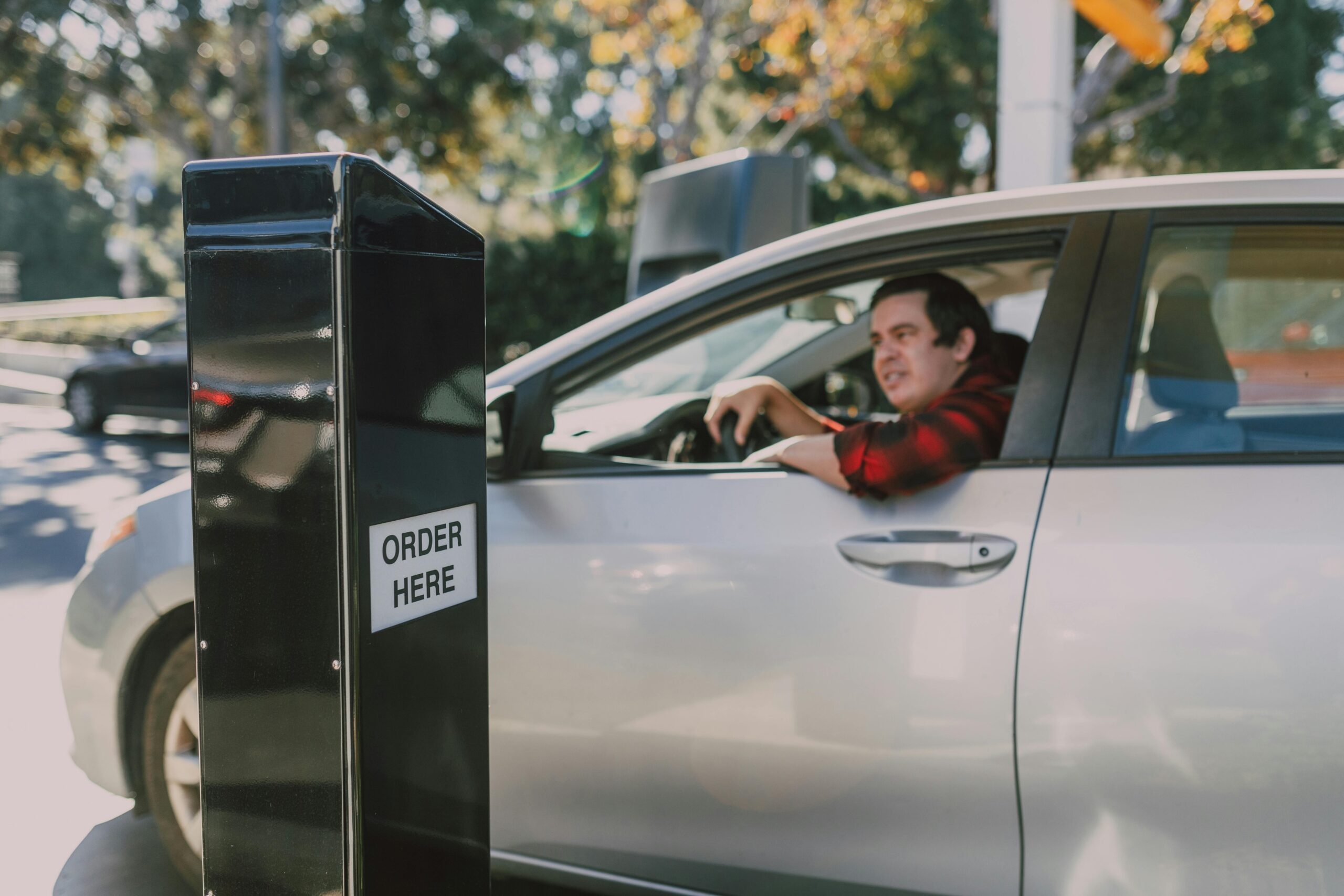
Another way to mitigate the impact is automation, including pay kiosks and artificial intelligence-driven ordering tools, especially for restaurants.
“This reduces the need for front-of-house staff and helps offset rising wage costs. However, full reliance on automation won’t work for every concept,” said Sawsan Abublan, CEO of Shawarma Press Franchising.
In the District of Columbia, the hourly minimum is set to go to $18.40; in Washington state, $17.13; Connecticut, $16.94, and California, $16.90. Other jurisdictions are still gradually raising their minimums, with some not due to hit $15 until 2027.
Fast-food workers in California already are at $20 an hour, and in Los Angeles, officials are debating a $30 minimum.
States still at the federal minimum include the likes of Georgia, Indiana, Louisiana, North Carolina, and Pennsylvania.
Food for Thought Leadership
This Episode is Sponsored by: Koelnmesse
Snacking in the U.S. has been on the rise for many years, but is this a global phenomenon? Sabine Schommer, Director, ISM, and Guido Hentschke, Director, ProSweets Cologne and ISM Ingredients, explore European and global snacking trends, and how the trio of ISM, ISM Ingredients, and ProSweets Cologne serve as a meeting place for the global snacking industry.