“Consumers expect to be taken advantage of because of social media and society today. We have entered an era of fear and distrust,” said Maeve Webster, president of Menu Matters. “[Restaurant owners] need to think about how we can create trust.”
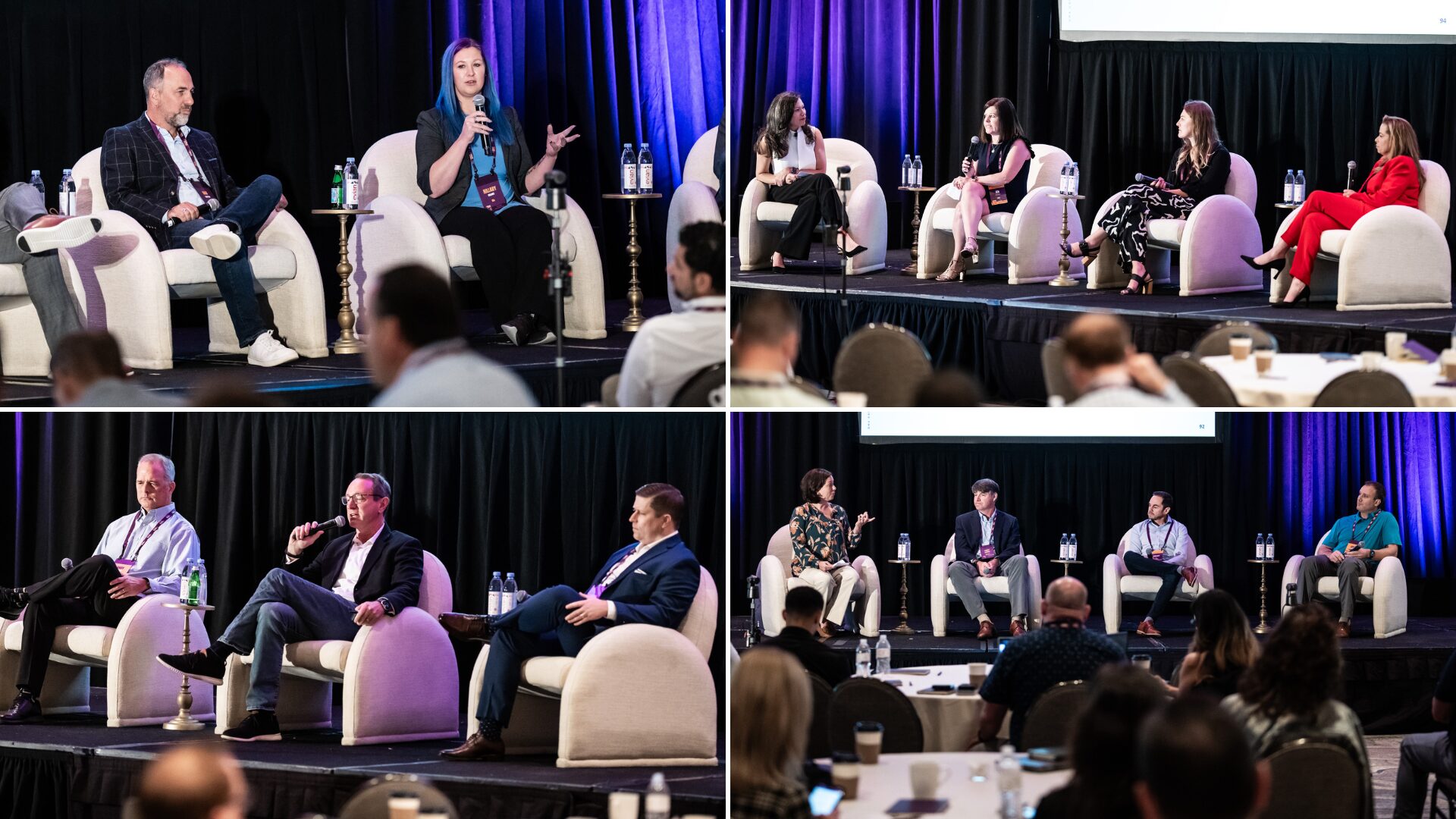
During an education session at The Food Institute’s inaugural Foodservice Summit, Webster and VP Mike Kostyo noted that 2026 will be all about operators catering to the emerging consumer need state they dub “give me something real.”
“When skepticism is the default, we have to create trust,” Kostyo said.
Kostyo cited research that found consumers are fatigued by information “slop,” the way technology has overoptimized daily living, and has made experiences impersonal. To combat this negativity, consumers are craving personal, meaningful food experiences that make them feel seen and uplifted.
These sentiments have real consequences: 31% of consumers don’t want to download more restaurant apps, and 51% feel there’s too much advertising in modern life.
“Operators have to think: Can we make those apps so worthwhile that yours is the one that earns that place on the consumers’ phone?” Kostyo said.
He and Webster noted that, in a period of “brand sameness,” where businesses are optimizing away their individuality, it has become even more important for brands to consider their true differentiation in the marketplace. And Menu Matters research shows that the differentiator won’t be AI.

“Technology is a solution, but it is not the ultimate solution. It can speed operations and create better service with fewer staff, but it will not create loyalty,” said Webster.
Instead, survey data found that nearly 80% of consumers would prefer a family or human-created restaurant to an AI-created one. What’s more, 56% say that seeing the face behind a product (e.g., the chef, restaurateur, executive lead) makes them more likely to purchase from the establishment, highlighting the need for human connection in foodservice.
When it comes to maintaining positive same-store sales, the duo emphasized prioritizing brand evangelism instead of TikTok influencers, citing survey results showing that 69% of consumers would prefer community recommendations to expert opinions.
The Greater Restaurant Industry
“Foodservice is no longer operating in cycles; it’s operating in constant disruption,” warned FI CEO Brian Choi.
In the opening session about the State of Restaurants, the CEO emphasized that today’s winners in the restaurant industry are thinking differently: re-engineering menus for profitability and innovation, and redesigning operations to meet labor realities.
In an overall period of stagnant growth, when consumer sentiments have reached local lows, restaurant patronage means more than simply sustaining oneself. It has become more about the respite from daily life, the overall hospitality and experience, and nourishment from healthy food at a reasonable price. These macro factors are likely why same-store sales growth is consistently highest for brands like Brinker International (Chili’s parent), Dutch Bros, and Cava.
Later in the day, Circana SVP and food industry advisor David Portalatin provided additional context on the retail environment, noting how foodservice means more than price. It has to, when, once a family chooses to eat out, they are paying roughly a 4.3x price premium, according to Circana data.
Instead of only price, eating out is about experience, “craveability,” and convenience, he noted. So much so that, despite the persistent bifurcation of food-at-home and food-away-from-home inflation, where eating out faces accelerated price growth, foodservice traffic continues to grow. Circana found that the segment grew 0.5% in Q4 2025 compared to the year before, and is projected to grow throughout 2026 and 2027 by roughly 2-3% year over year.
Additionally, he advised brands to consider older cohorts to capture short-term growth. Research found that consumers 55+ increased their per capita visits by 2% in Q4 2025, while traffic from those under 55 dropped by 3% over the period.
“Strategically, you still want to grow with younger generations, but … economic stability with older generations is allowing them to eat out more,” he said.
The Food Institute would like to thank the sponsors of its inaugural Foodservice Summit, including title sponsor MenuData, silver sponsor iTradeNetwork, and bronze sponsor Performance Foodservice.
The Food Institute Podcast
This Episode is Sponsored by: CBIZ
While many food industry professionals were hoping that the Supreme Court ruling on tariffs would elucidate the current global trade environment, it appears that it may have added more uncertainty than before. CBIZ’s Lou Biscotti and Mark Baran, and former Customs expert Michael Contino, all join The Food Institute Podcast to provide clarity and actionable insights.