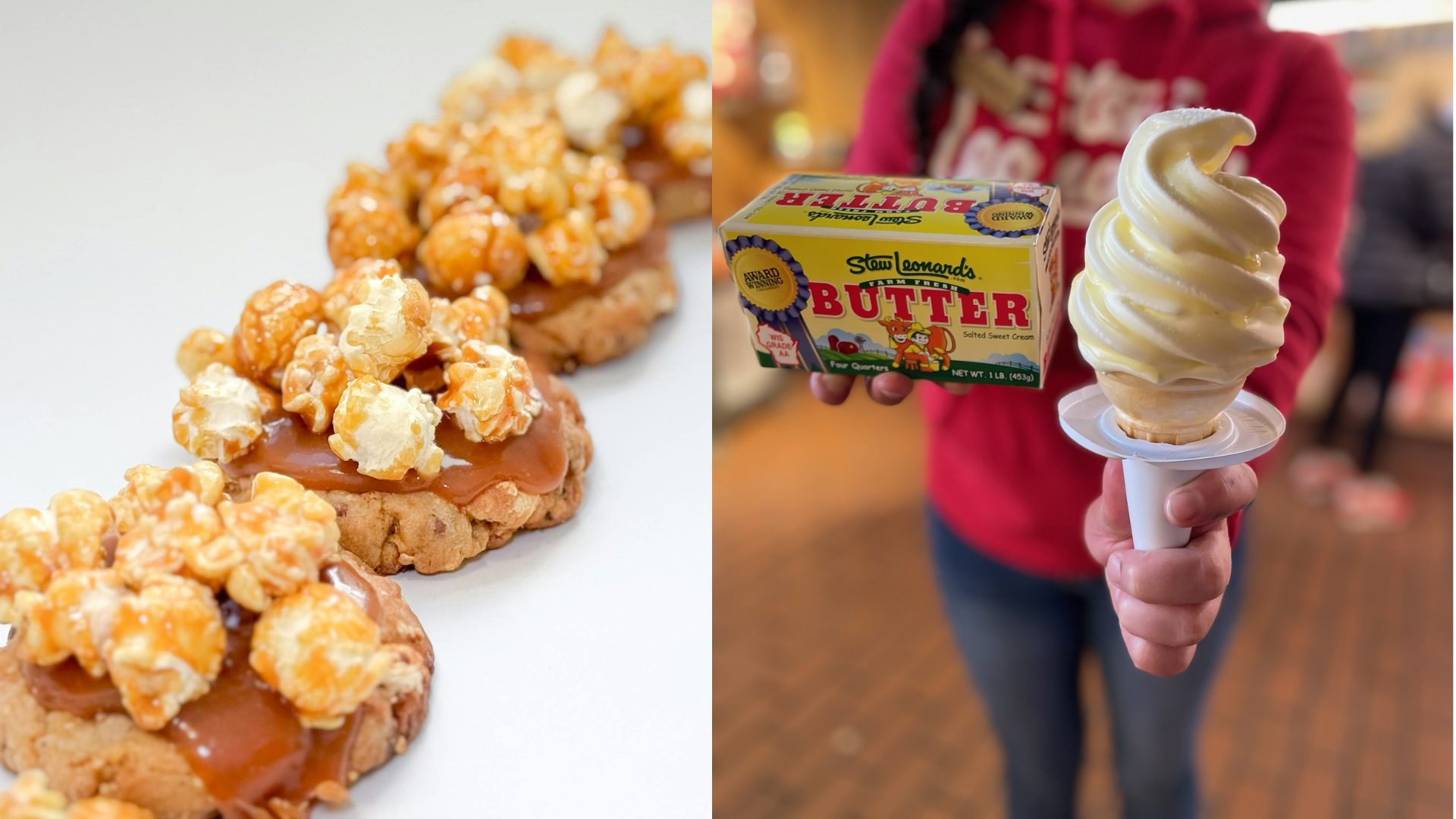
Step aside, swicy – ‘swavory’ is topping the flavor charts in 2026.
A portmanteau of sweet and savory, swavory flavor mashups are moving beyond classics like maple and bacon to include even more adventurous pairings such as desserts that combine sweetness with ingredients like miso or tahini – and consumers are eating it up.
According to Yelp’s January Trend Tracker, searches for ‘miso caramel’ increased by 107% year over year.
“In 2023, our feeds were full of ‘swicy,’ the blend of sweet and spicy. Now we’re seeing the next evolution with ‘swavory,’ where sweet and savory come together in one bite,” said Yelp trend expert Tara Lewis.
“One standout is the butter-dipped soft serve, where sweet vanilla ice cream gets a salty, crunchy shell from melted butter. It might sound surprising at first, but it’s like adding flaky salt to a cookie. The savory notes amplify the sweetness, just as miso or tahini does with caramel. We expect these ‘swavory’ bites to keep popping up as more places experiment with flavor combinations that just work,” Lewis told FI.
Yelp searches for ‘butter soft serve’ increased by 210% year over year – and regional grocer Stew Leonard’s played a key role in its rise.

As an amateur ice cream maker, this reporter found the idea of salty, buttery soft serve especially intriguing, so I knew I had to get the inside scoop. Fortunately, I was able to get in touch with Andrew Hollis, VP of the Danbury, Connecticut store and the grandson of Stew Leonard Sr. himself, the chain’s founder.
When I asked about the treat’s beginnings, Hollis was quick to point out that, while Stew Leonard’s was the first to introduce butter soft serve in a retail setting in late November, the regional grocer did not invent it.
The indulgent dessert actually hails from the Papa d’Amour bakery owned by Dominique Ansel, a James Beard Award-winning chef, but more importantly, the father of the cronut – a croissant/donut hybrid that enjoyed its own viral success in 2013.
So, how many licks did it take to convince Stew Leonard Jr., CEO of the chain and Hollis’ uncle, to serve butter-dipped cones in his stores? Not many, it seems.
“Who doesn’t like ice cream? Who doesn’t like butter? Who doesn’t like salt? That’s it: butter, salt, and just sheer enjoyment,” Leonard exclaimed after trying his first bite on camera.
Stew Leonard’s whips up its version by dipping cones of its vanilla soft serve in melted (and cooled) butter and then quickly christening them with a dash of salt, ideally before the butter hardens.
On top of adding a punch of swavory flavor, the butter also forms a protective shell of sorts, which I expect will help keep it frozen for longer in the warmer months, addressing a common pain point of eating ice cream.
The treat is also brilliant from a business standpoint, as it’s made with affordable and widely available ingredients. I suspect that a large part of its appeal actually stems from its simplicity, along with its playful, carnival-like charm.
According to Hollis, Stew Leonard’s soft serve was already quite popular, as customers get a free cone (excluding the new version) for every $100 spent in-store, but the butter-dipped remix sent it into the stratosphere, boosting both sales and brand awareness.
Getting a shoutout from actor Ben Stiller, who Hollis says was on site to promote his new soda brand, also didn’t hurt.
Stew Leonard’s soft-serve prowess makes sense when you consider its history, as its founder’s father ran a milk delivery business in the early 1920s, which his son converted into a retail dairy store in 1969.
So, what’s next for Stew Leonard’s?
“I think we’ll definitely keep the butter-dipped vanilla soft serve cones around for a while, and we’re also playing around with a chocolate version, too,” Hollis told FI.
My takeaway from all of this? I need to make a trip to New England STAT.
Food for Thought Leadership
In summer 2025, Nik Modi of RBC Capital Markets warned that consumers were in a “spending recession,” but is that still the case in early 2026? Modi discusses the potential impacts of GLP-1s, price cuts, agentic commerce, and more on the food and beverage sector for the rest of the year.