India’s economy will need to undergo a massive restructuring, plugging significant gaps in its economic system and building out infrastructure, if it hopes to emulate China’s explosive growth, an expert told The Food Institute.
Trade talks between the U.S. and India heated up this month amid the subcontinent’s push to become a global economic powerhouse. U.S. President Donald Trump punished the world’s most populous country in August for continuing to buy Russian oil, imposing 50% tariffs on such exports as textiles, chemicals and food.
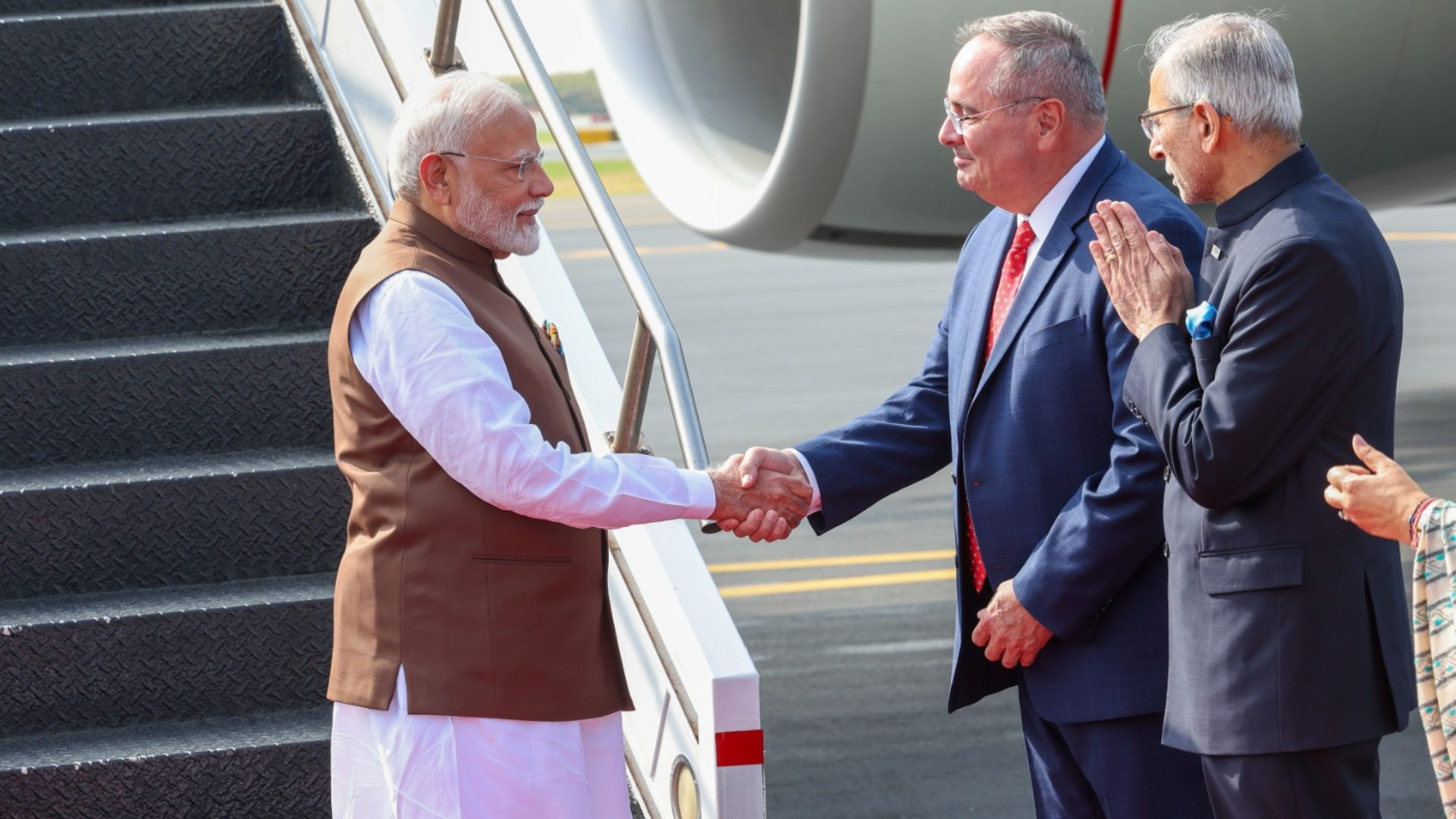
Indian Prime Minister Narendra Modi said on X he had talked by phone with Trump a day after Indian Commerce Secretary Rajesh Agrawal and U.S. Deputy Trade Representative Rick Switzer met, Reuters reported.
A Deloitte report released in October pegged India’s economic growth at as much as 6.9% both this year and next.
That report also indicated that micro-, small- and medium-sized entities are critical to India’s growth, accounting for 30% of gross domestic product and 45% of exports while providing jobs for 240 million of the country’s 1.4 billion inhabitants.

India’s recent economic growth has been driven by its “young demographic, educated workforce, technological stronghold, and growing manufacturing sector,” Babak Hafezi, adjunct professor of international business at American University, told FI.
India currently is ranked the world’s fifth largest economy, behind the U.S., China, Japan and Germany, based on GDP. India, however, doesn’t even make the list of the world’s top 10 exporting countries. China, the U.S. and Germany are the world’s top exporters.
Hafezi said India’s economy needs massive restructuring if it hopes to one day challenge China.
“India has many gaps in its economic system, among them a lack of proper infrastructure nationwide, significant legal and regulatory hurdles, and a complex political landscape driven by regional power plays rather than a strong federalist system,” Hafezi said.
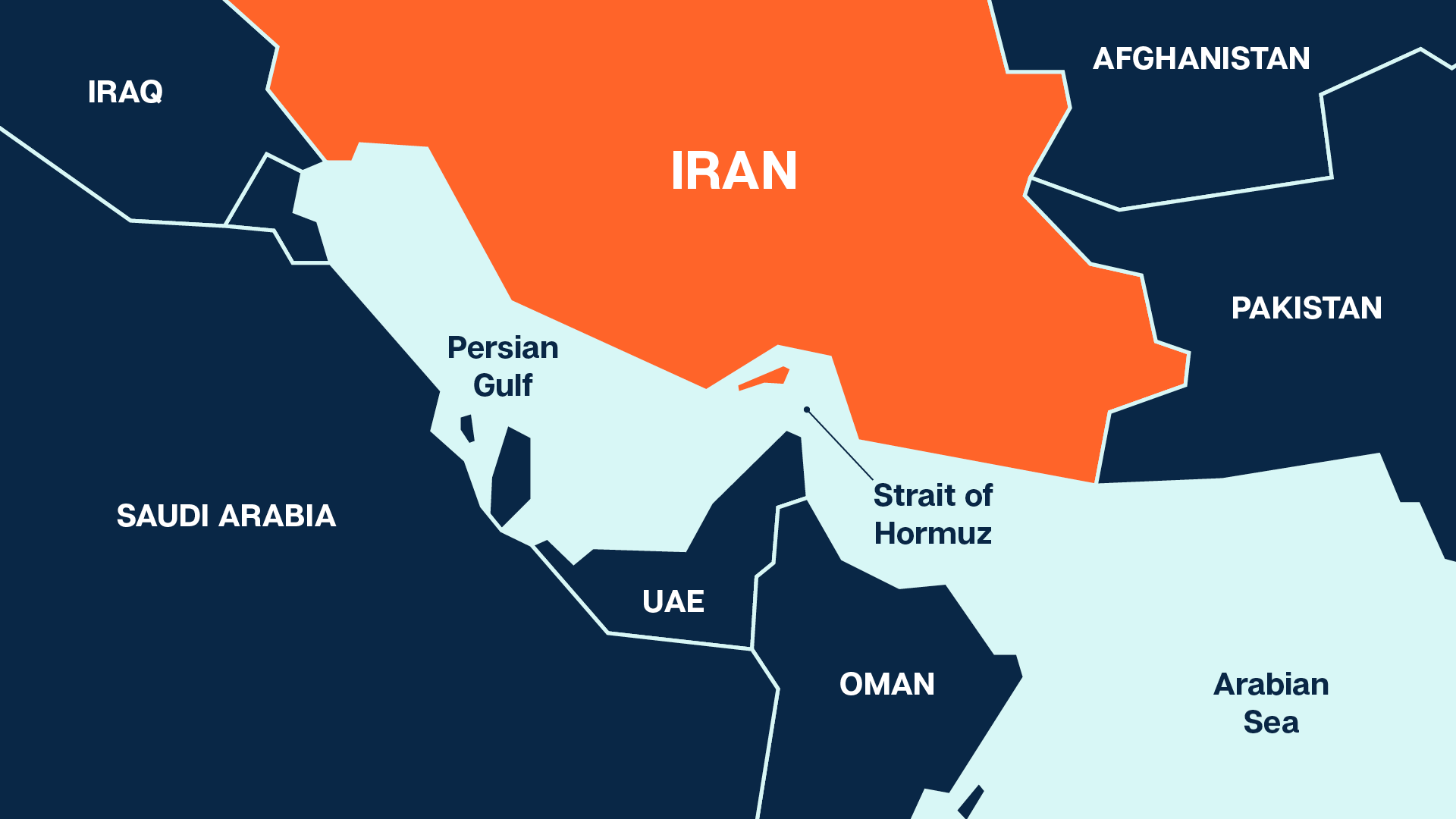
When it comes to trade, India has been hedging its bets, juggling U.S., Chinese and Russian interests. The U.S. trade talks followed a visit to New Delhi by Russian President Vladimir Putin.
“India is undoubtedly poised to become an economic powerhouse in the coming decades,” Hafezi said.
“Although trade talks are a meaningful way to potentially change the [Indian] domestic economy for the better and liberalize its markets, the cultural and political jabs have moved (at least temporarily) away from the American sphere of influence,” Hafezi added.
“The American approach to India must be much more inclusive and develop a platform to further open markets, liberalize trade, and invest in domestic infrastructure for growth.”
Indian exports to the U.S. fell 9% between October 2024 and October 2025, government data showed. Washington is pushing New Delhi to ease tariff and non-tariff barriers on U.S. goods and to start importing U.S. farm products, Reuters reported.
In July, trade negotiations collapsed over the farm products issue and India’s refusal to accept Trump’s claim he had brokered a deal ending hostilities between India and Pakistan. Talks resumed after it appeared India had reduced Russian oil imports.
Food for Thought Leadership
In this episode of Food for Thought Leadership, Food Institute VP of content and client relationships Chris Campbell sits down with Barry Thomas, senior thought leader at Kantar, to unpack the rapid rise of agentic AI — a new class of AI systems that don’t just generate information but take action on behalf of the user.