Gen Z loneliness is a big problem, and it’s redefining how the generation chooses to dine out in restaurants.
A watershed report found that more than 60% of the generation said they felt lonely during their teenage years (30% for Boomers), with only 40% noting that they spend this time regularly with friends in person (54% for Millennials). But this doesn’t mean that connection isn’t happening at all; rather, a bulk of this social connection occurs digitally – the young generation spends an average of 5.1 hours a day on social media compared to only 2.9 hours for Millennials, the next highest cohort, according to S&P Global.
As such, it’s important for restaurants to meet Gen Z customers where they are – online, by appealing to the cohort with engaging visuals and an authentic story.
Daniel Chin, CEO of Juici Patties, told FI that storytelling is at the heart of a compelling social media strategy, especially for younger audiences.
“People want to see more than just food photos; they want to connect with the people and culture behind the brand,” Chin said.
“For us, that means showing our employees, our community, and even the little moments that make our stores feel like home.”
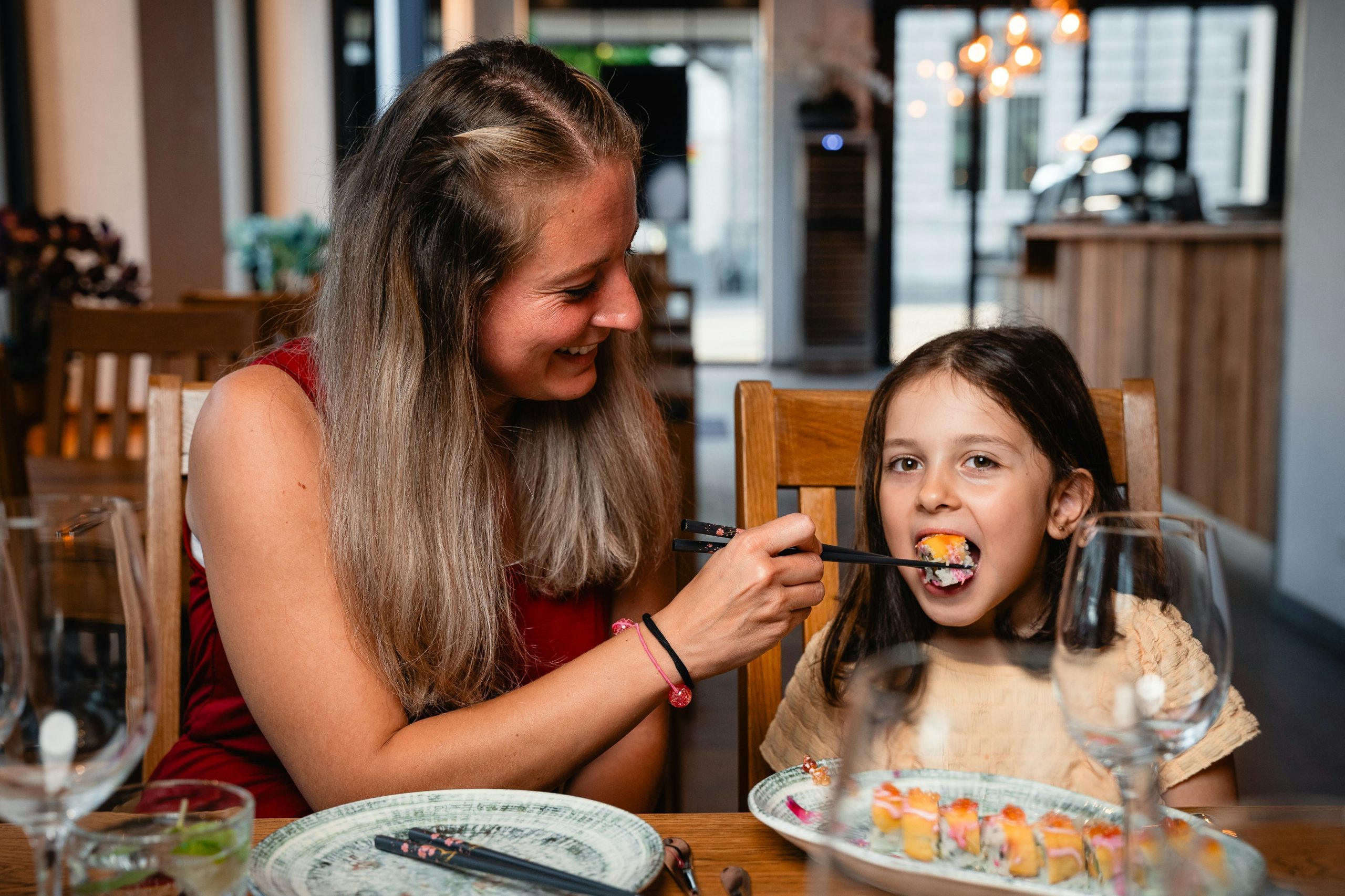
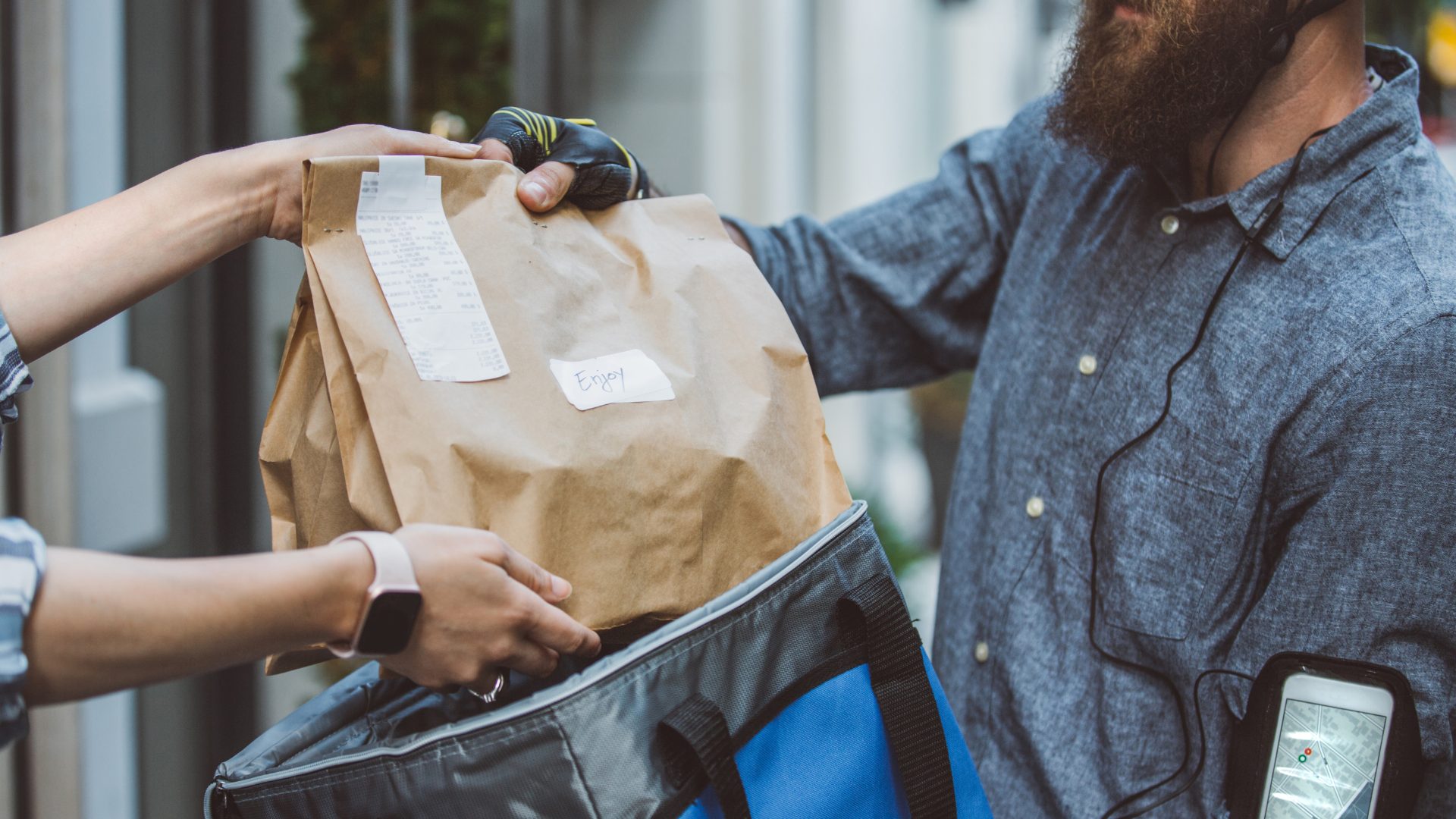
For restaurants, decreased in-person social activity during these formative years likely contributes to the increased participation in solo dining and takeout ordering when eating out. A TouchBistro trend report found that 64% of Gen Z are getting takeout/delivery weekly or more often, and although other generations want to cut back, 50% of the demographic say they’re planning to do this more often.
Meanwhile nearly half of Gen Z say they dine alone weekly.
The generation is not eating out as much, and when they do, their group sizes tend to be smaller, and they’re spending less time overall at the table.

Experience-First
It’s no surprise that Gen Z craves unique experiences, both because of their social media-worthy shareability, and the feeling of making an everyday occasion special. As a result, “supper clubs” are having a renaissance with younger generations.
These events involve individuals hosting a dining experience, often with a theme, wherein community members participate in cooking and socializing with strangers or acquaintances.
“I recently did one with a bunch of my friends that I’ve made through TikTok,” 25-year-old Ananya Sharma told Business Insider in an article on the topic. “It was a great way to sit down and have conversations in an intimate setting.”
When dining at restaurants, the generation also favors unique formats, such as communal dining tables that can facilitate conversation with strangers. In fact, 90% of the cohort likes them.
“They naturally turn dinner into a shared experience… You never know who you’ll be seated next to; that’s the fun of it,” Resy CEO Pablo Rivero told The Guardian.
The truth is, Gen Z diners want their dinner experiences to mean more. A YouGov report found that, despite being more likely to eat at home, the generation is adventurous, liking to “travel with their tastebuds” to experience new cuisines. Restaurants are well-suited to cater to this need by showing these diners proper flavor profiles of unfamiliar foods.
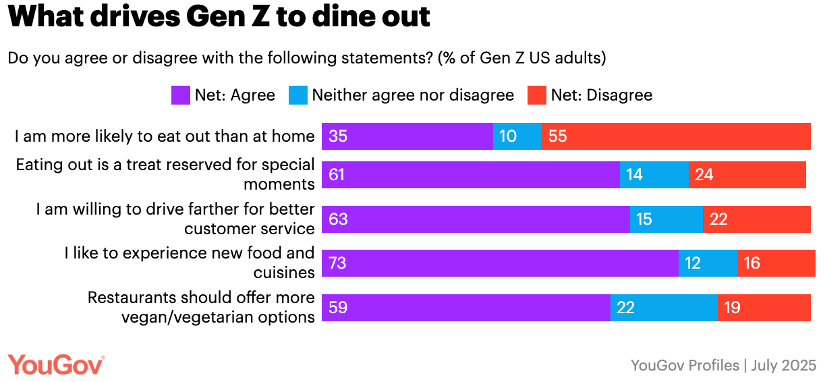
The report also found that diners are more likely to view dining out as an experience reserved for special occasions. Equipped with this information, restaurants should communicate how eating out can make everyday moments special and invest in creating a special experience to inspire repeat purchase intent.
Because of these occasional dining out habits among the generation, the cohort doesn’t mind higher price-point full-scale dining experiences, even though they tend to spend on the lower-end compared to other cohorts. As such, half say they’re more likely to dine out at a Michelin restaurant, ranked higher than older generations such as Boomers, according to TouchBistro.
This should challenge restaurants to consider how they can make a premium, unique experience for their younger diners to get them to share their experience on social media and show their “find” to their local community.
Gen Z’s Peculiar Dinning Habits
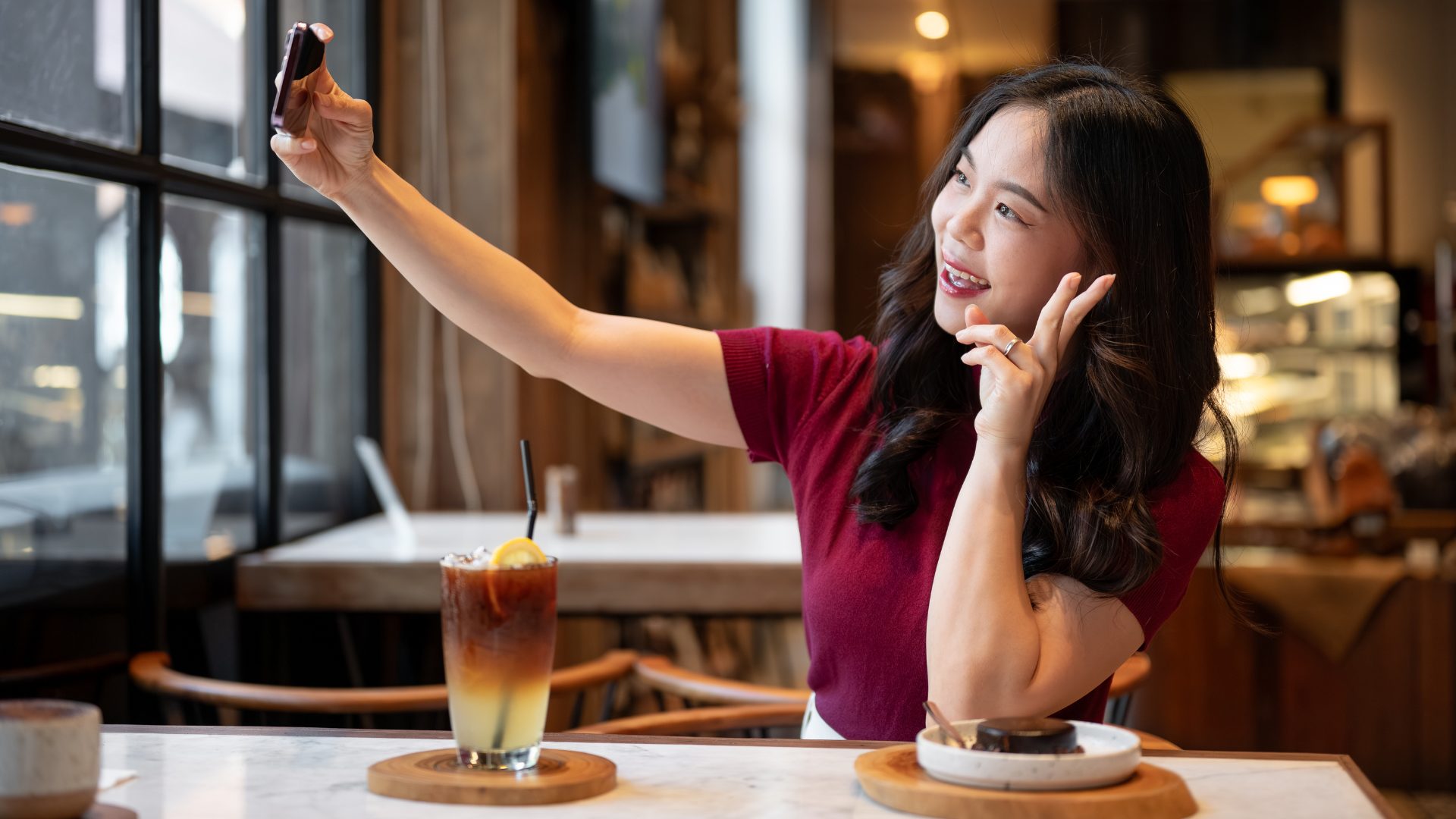
Roughly 58% of Americans consider a restaurant’s “Instagram/TikTok worthiness” as important, according to a recent OpenTable report. This is an important consideration for restaurants endeavoring to appeal to social media-oriented customers.
Golden Waffles CEO Michael DiBeneditto told FI about some of the eye-catching social media trends resonating with audiences.
“This generation’s consumption is immersive. They’re looking for food moments that “pop” on camera, whether through sound, contrast or surprising textures,” DiBeneditto said.
As such, he recommended a multisensory storytelling experience that showcases more of the food eating experience, including sight, sound, and texture. The lattermost sense is particularly appealing, as ASMR videos continue to go viral on social platforms.
Gen Z is craving a reinvention of comfort classics, as part of a trend dubbed “newstalgia.”
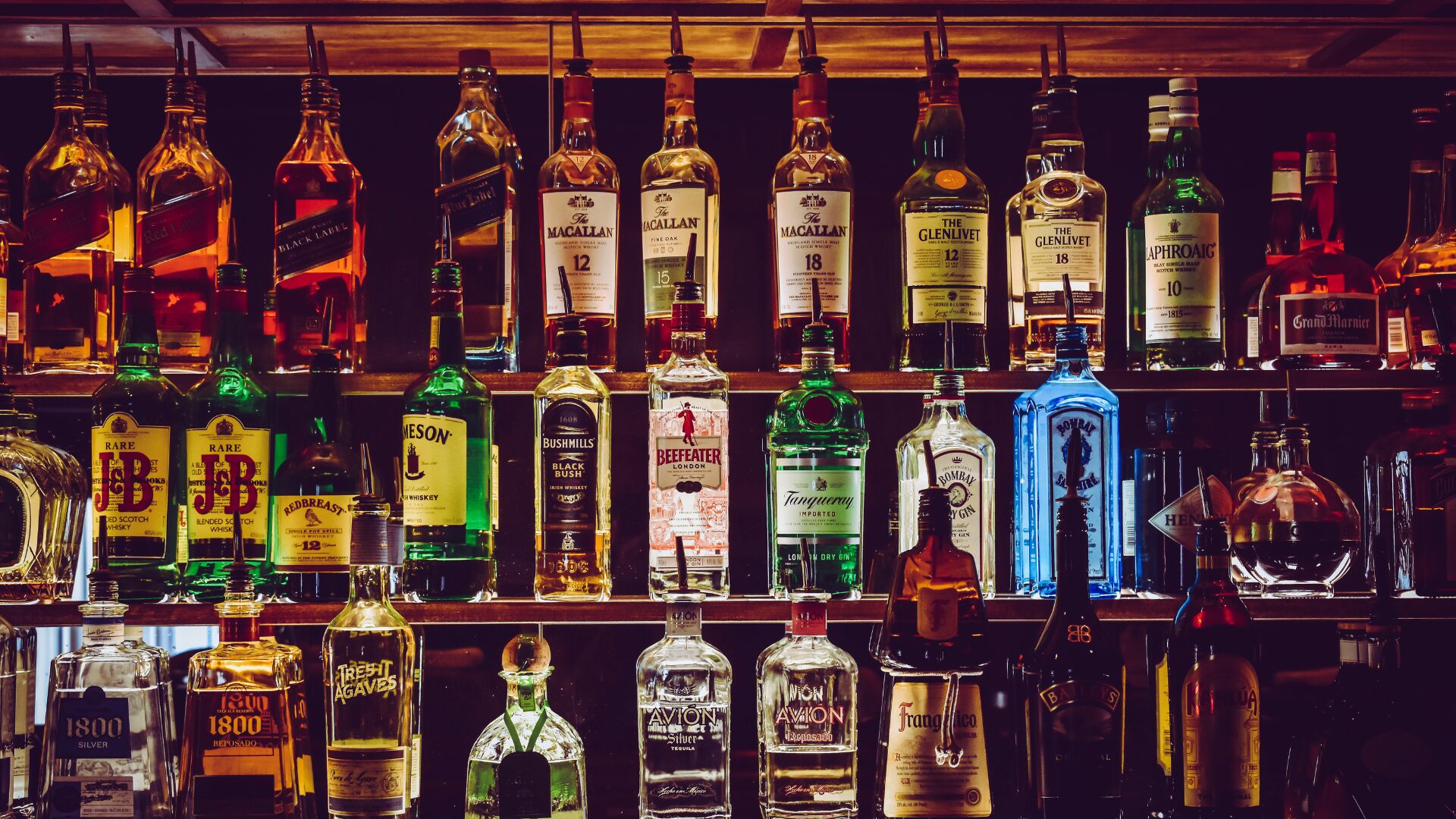
Plus, when Gen Z dine out, they’re drinking less, which helps save them some money on their bill while also aligning to their personal wellness goals. Millennials (50%) and Gen X (40%) are much more likely than Gen Z (25%) to name an alcoholic drink as their go-to restaurant beverage, according to The Harris Poll. Instead, Gen Z gravitates to soda.
Zebra Striping, the practice of alternating between alcoholic and non-alcoholic drinks, also continues to gain popularity with the cohort.
This is a problem for restaurants, mostly because these beverages tend to be much higher margin than center plate offerings or even appetizers. The solution, entice with non-alcoholic premium beverages, priced between traditional soda and alcoholic options.
In an era where away-from-home food inflation continues to climb, capturing this demographic can be an operator’s key to unlocking growth in 2026.
Food for Thought Leadership
It’s undeniable that restaurants were challenged heavily in 2025, but what does that mean for 2026? Foodservice industry veteran John Inwright discusses the prospects for a new year, what’s working for successful operators, and the headwinds and tailwinds that could define the year.