Across grocery aisles nationwide, a quiet revolution is taking place. Consumers are seeking authentic flavors and stories that connect them to the cultures behind their food. What was once considered “specialty” or “ethnic” is now simply what’s for dinner – and grocers are racing to keep pace.
That transformation was front and center at the recent Forvis Mazars New Jersey Food & Beverage Forum in Maplewood, New Jersey, where leaders from across the industry explored how shifting demographics and the pursuit of authenticity are reshaping what – and how – Americans eat.
The panel brought together Brian Choi, CEO of The Food Institute; Andy Unanue, Founder of AUA Private Equity; Kenshiro Uki, President of Sun Noodle North America; Adnan Durrani, CEO of Saffron Road and Gail Vance Civille, Founder and President of Sensory Spectrum – each representing a distinct lens across manufacturing, investment, and global brand building.
The takeaway was clear: authenticity sells, but only when it’s delivered with relevance.
As the U.S. food landscape becomes more diverse, grocery retailers and brands are rethinking what “mainstream” means in 2025 and beyond. Meeting them requires cultural fluency and operational agility.
The Rise of the Global Pantry
At the Forum, Choi presented data showing that demographic change is reshaping grocery demand. U.S. Census data shows the white population declined from 64% in 2010 to about 59% in 2022, while the Hispanic population rose from 16% to 19% – a shift reflected in evolving grocery demand.
That shift is already visible in-store. Asian supermarket chains such as H Mart and 99 Ranch are expanding nationwide, while mainstream retailers dedicate more shelf space to international products – from Korean gochujang and Indian curry pastes to Latin American empanadas and Japanese mochi ice cream. According to NielsenIQ, multicultural food sales grew 12% in 2024, three times faster than total grocery sales.
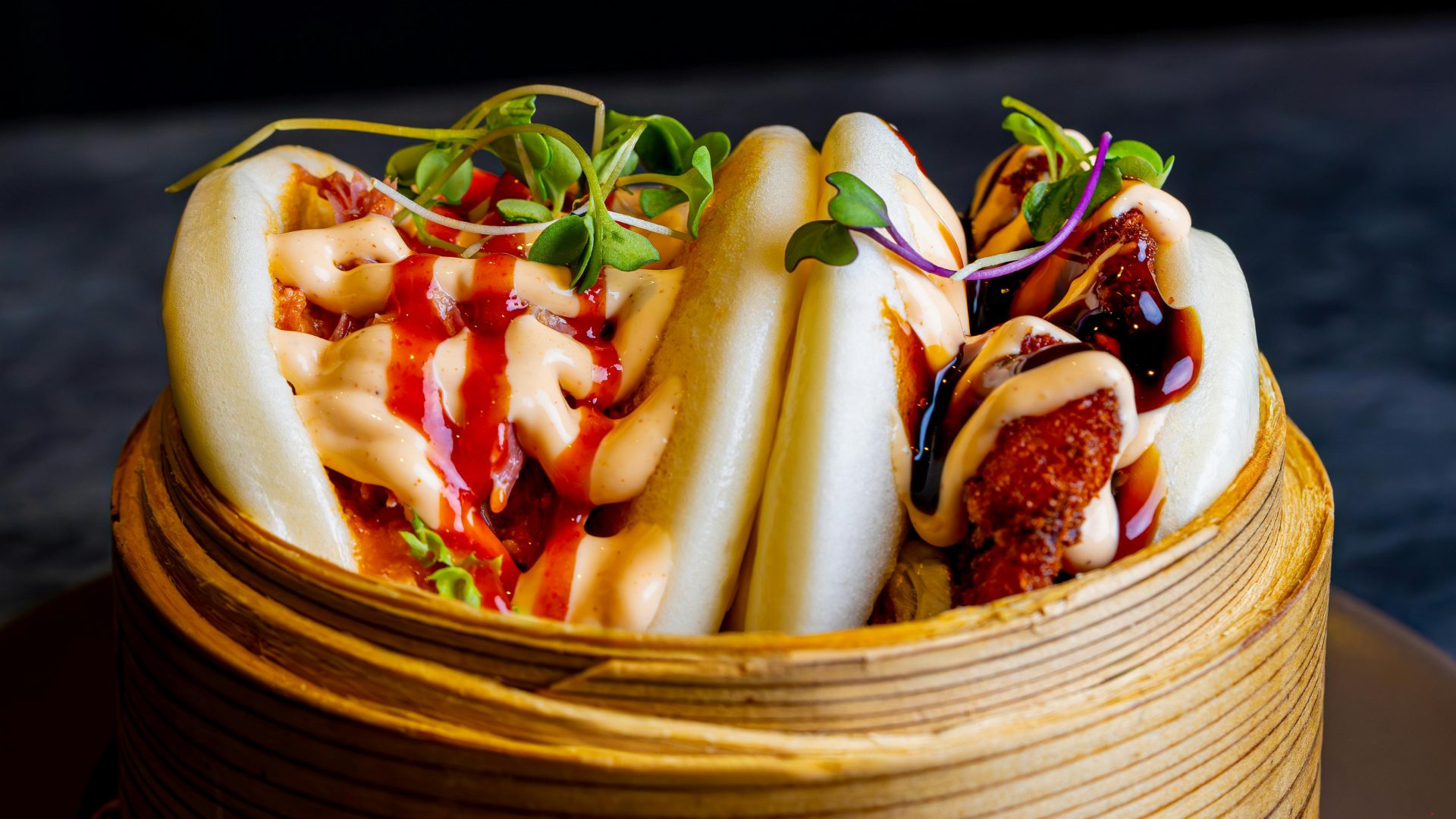
Frozen foods reflect the same trend: interest in bao buns has surged 583% over the past year, according to multiple reports, while dumplings, tacos, and empanadas continue to lead growth across frozen and snack categories.
But offering variety isn’t enough. As Civille reminded attendees, “The challenge is maintaining authenticity from a student’s lunch to the supermarket shelf.” She urged the industry to think beyond “ethnic” positioning and instead deliver experiences that are culturally faithful yet accessible.
Authenticity: More Than a Label
In today’s aisles, authenticity isn’t just about country of origin – it’s about intent. Shoppers are increasingly savvy about what feels real versus what feels manufactured for trend’s sake.
“There’s a trade-off between authenticity and satisfying uninitiated consumers,” Civille said. “You have to decide whether to make the authentic product and bring them along or cater to Americanized preferences.”
That decision shows up everywhere in grocery:
- Product formulation. Authentic products retain distinctive flavor notes – heat from gochujang, funk from kimchi, bitterness from matcha – instead of smoothing them out for mass appeal. Civille warned that when global items hit big-box shelves, “they often get watered down.”
- Sourcing and storytelling. Consumers want real supply-chain transparency: basmati rice from India, not “Indian-style” rice; tortillas made with nixtamalized corn, not wheat flour. Brands that highlight origin stories and the people behind the food earn credibility.
- Merchandising and naming. Resist the urge to rename or over-simplify cultural dishes. A bao bun labeled as “Asian sandwich” or “fusion pocket” may confuse rather than connect.
- Partnerships. Grocers can amplify authenticity by collaborating directly with immigrant-owned brands or chefs who bring firsthand cultural knowledge. Retailers such as H Mart and Patel Brothers have built entire followings on that trust.
Inauthentic, by contrast, is when a product borrows a cuisine’s aesthetic without honoring its substance – think “teriyaki-flavored chips” with no soy or mirin in sight, or “Mediterranean bowls” that rely on generic vinaigrettes rather than regional ingredients. Consumers often spot the difference instantly.
“People connect to food through story and respect,” said Adnan Durrani. “If a product feels like a marketing construct, it won’t last. But if it honors where it came from, consumers will pay a premium and tell others about it.”
For grocers, that distinction is crucial. Authentic assortments signal cultural fluency; the best retailers build depth with regional variation, ingredient integrity, and cross-merchandising that teaches, rather than stereotypes.
Where Retailers Go from Here
At its core, the Maplewood Forum was a reminder that grocery innovation starts with curiosity. The most successful retailers are those willing to experiment – partnering with emerging brands, spotlighting authentic cuisines, and using data to anticipate what flavors will resonate next.
Private equity leader Unanue, who invests in Hispanic food brands, summed it up best:
“You don’t have to compromise authenticity to scale. If you stay true to your story and invest in quality, consumers will find you.”
For grocers, that story begins with shelves that reflect the diversity of the shoppers walking the aisles. It’s about pairing local insight with global flavor – honoring heritage while embracing innovation.
The future of food may be global, but its success depends on execution at the local level. Authenticity isn’t a passing trend – it’s a strategy for sustained growth. Those who treat global flavor as a permanent category, not a seasonal feature, will win the next generation of shoppers.
About the Author: Kristen Walters is a Partner at Forvis Mazars and serves as the National Food & Beverage Manufacturing Leader. Forvis Mazars is a leading global accounting, tax, and consulting firm with deep expertise in the food and beverage industry.