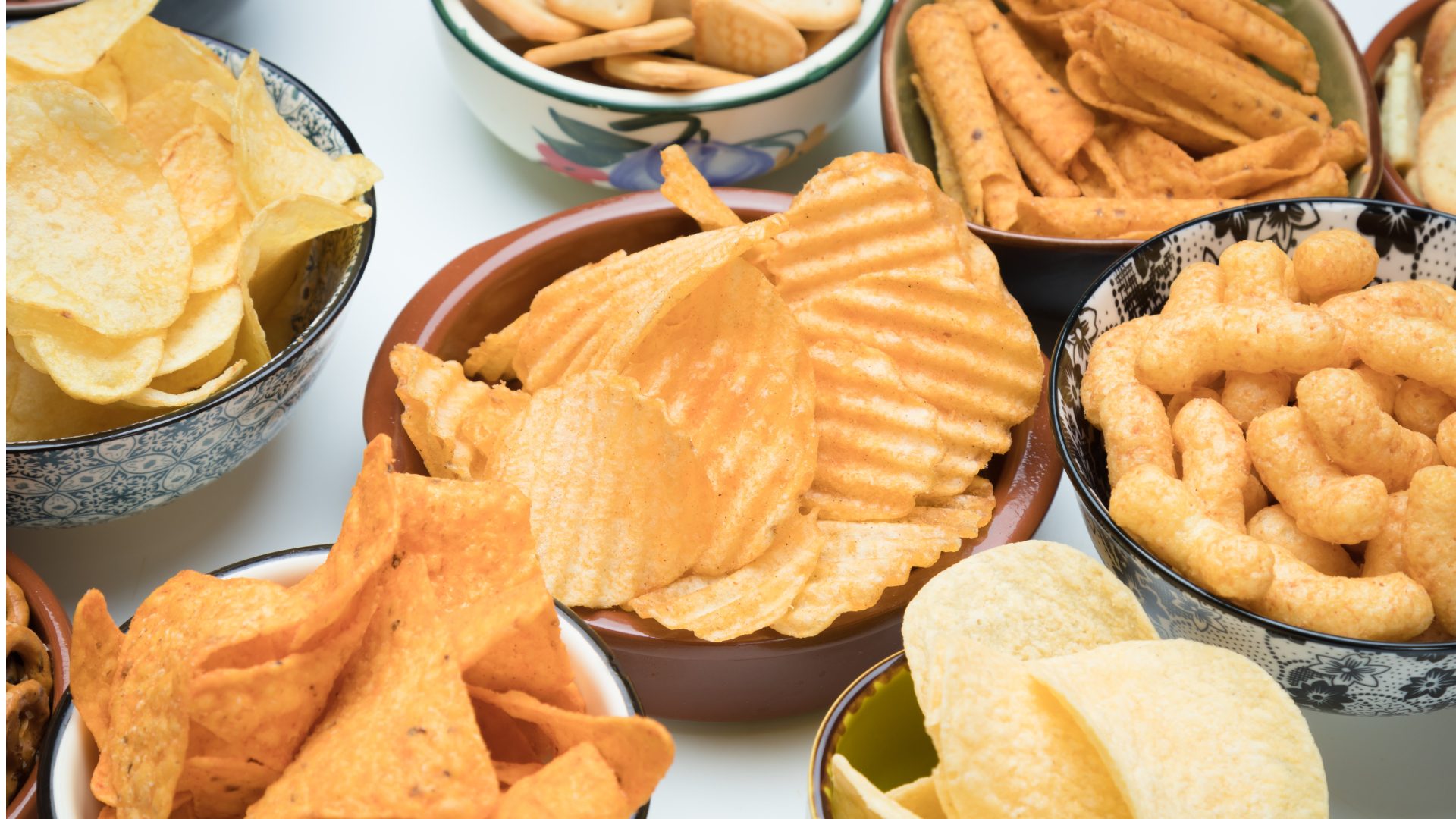
In mid-2020, 99 years after the company was founded, Utz Quality Foods announced it was going public.
The Pennsylvania-based manufacturer of potato chips and other salty snacks had spent the previous decade building out its portfolio through 11 acquisitions, and merging with a SPAC (special purpose acquisition company) was the logical next step. (A SPAC is a company that has already gone public as essentially just a pot of cash; it then merges with a private company, with the combined entity keeping the public listing. The end result is roughly the same as a more common initial public offering; the path is different.)
The merger would allow Utz to repay debt taken out to fund the acquisition spree. And having a publicly traded stock would allow for more such deals. One of the co-founders of Collier Creek, the SPAC merging with Utz, was Roger Deromedi, who had used acquisitions to build up Pinnacle Foods before its 2018 sale to Conagra in a deal worth nearly $11 billion. Pinnacle stock had more than tripled; at the time the merger was announced, one of Deromedi’s co-founders at Collier Creek specifically said the plan was for Utz to be “Pinnacle 2.0”.
Utz, however, would be even more attractive, given that it targeted a still-growing salty snack category instead of the more challenging frozen end markets served by Pinnacle brands like Hungry-Man and Birds Eye.

Utz Growth Plans Hit a Snag
Utz also had plenty of room to expand geographically. Most of its sales were concentrated in the Northeast; essentially zero came from west of the Mississippi. There was no international business at all. With legacy family members running operations (the Utz CEO at the time was a fourth-generation leader of the business) and Deromedi guiding broader strategy, Utz seemed poised to grow from a regional player into a national leader.
From one perspective, the effort has been pretty much a failure. In particular, Utz stock has been a disappointment: the merger was struck at $10 per share, and five and a half years after the deal closed, Utz trades at $10.40 as of this writing, with shares down more than two-thirds from a 2021 peak and more than one-third just since the end of 2024. Acquisitions haven’t quite worked: a $480 million deal for On The Border tortilla chips hasn’t lived up to expectations. A smaller deal in the same category for higher-end RW Garcia was executed in 2021 only for the brand to be sold three years later.
Perhaps more importantly, the geographic expansion hasn’t really arrived. Utz has had some success in Florida (helped by the fact that many residents are originally from the Northeast and thus have familiarity with the brand). But growth in California has been slow. Overall financial results have been positive at least – organic sales and profits have grown – but there’s a sense that Collier Creek executives and Utz shareholders thought the company would be much further along by now.
A Lesson in Timing and Turbulence
Utz’s slower-than-expected expansion is certainly understandable. As anyone who follows the food space (or has walked into a grocery store) knows, the last few years have been among the most volatile in the industry’s history. Soaring prices, post-pandemic normalization, a bifurcated consumer market, and other factors have led food companies of all sizes (and in all end markets) to stumble, if not outright struggle.
In that context, it’s worth noting that Utz stock has been basically flat, including dividends shareholders have eked out a positive return. At a time when major players (Kraft Heinz, Campbell, etc.) have hit multi-year lows, positive is not a terrible result.
Utz, meanwhile, has responded to the disappointment so far. The board of directors moved away from over a century of family leadership, bringing in former Post Holdings COO Howard Friedman as chief executive in late 2022. Friedman has shrunk the manufacturing network, ramped up marketing spend, and improved execution in a bid to bring Utz’s execution up to the level of most publicly-traded companies in the space.
With new leadership, it’s not as if the strategy espoused in 2020 can’t work in 2026. The move into California is accelerating, thanks in part to the acquisition of a distributor in the state. There’s room for more growth in convenience, particularly as that channel begins to work through absolutely disastrous performance (particularly around snacks and candy) in recent years. The salty snack category as a whole still shows some strength. Fears that Ozempic and other GLP-1s might decimate demand appear far too pessimistic.
In other words, the biggest problem for Utz might simply have been timing.
The company went public at a massively uncertain time – essentially the worst time to try and capture shelf space or ramp marketing spend. It has made missteps, certainly, but those missteps have also come at a time when investor sentiment toward the sector is as bad as it has ever been. The round-trip back to $10 per share seems a sign that investors have written off the Utz story. The last five years suggest it’s probably way too early to do that.
Vince Martin is an analyst and author whose work has appeared on multiple financial industry websites for more than a decade; he’s currently the lead writer for Wall Street & Main. As of this writing, he owns shares in Utz Brands.
Food for Thought Leadership
In summer 2025, Nik Modi of RBC Capital Markets warned that consumers were in a “spending recession,” but is that still the case in early 2026? Modi discusses the potential impacts of GLP-1s, price cuts, agentic commerce, and more on the food and beverage sector for the rest of the year.