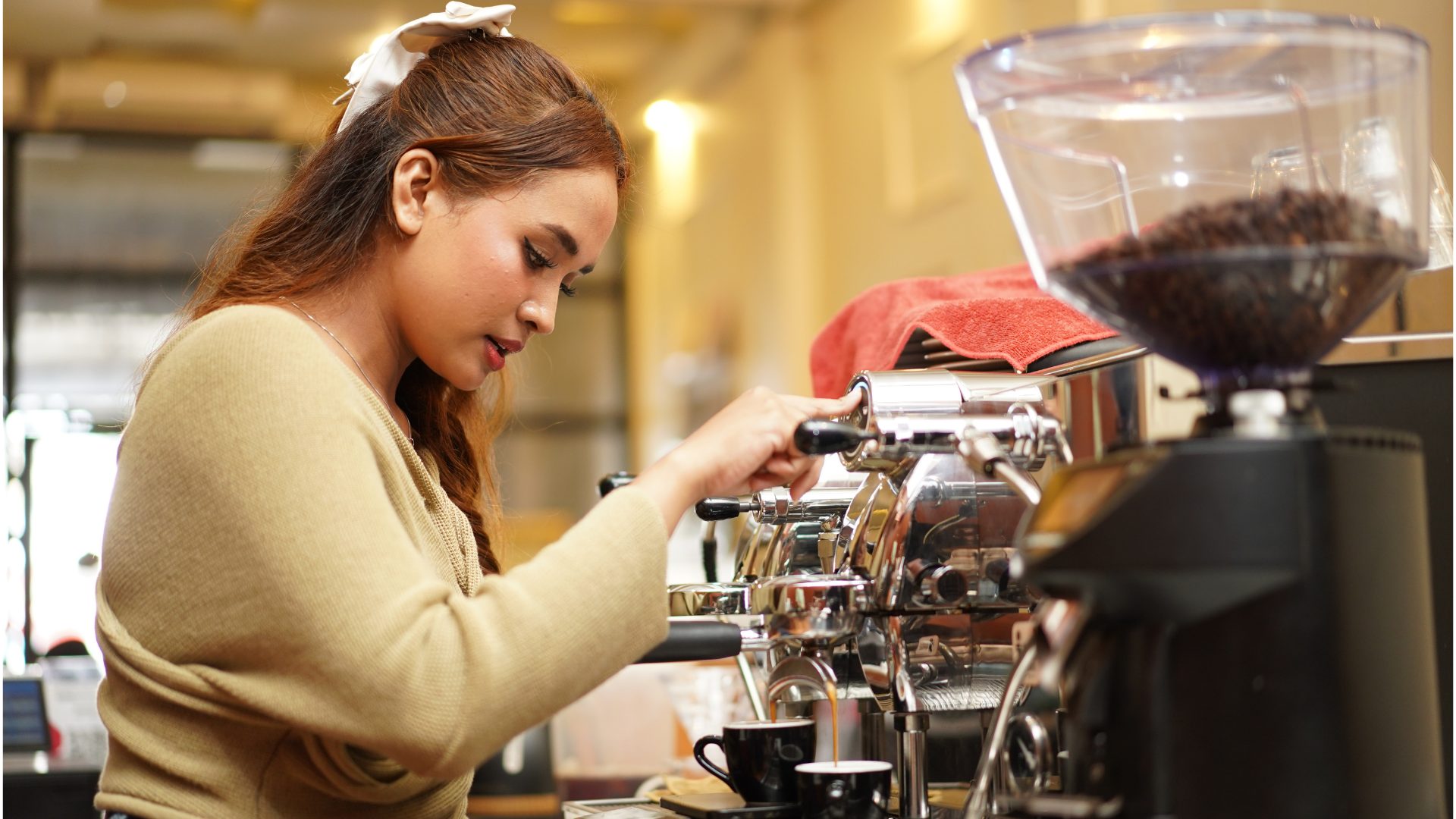
The relationship between food and fashion has never been closer. From chic tea concepts, such as Hey Tea, positioning tea as a “fashionable commodity,” to the iconic in-store Neiman Marcus Café, more retailers are using cafes to attract shoppers at a time when foot traffic wavers.
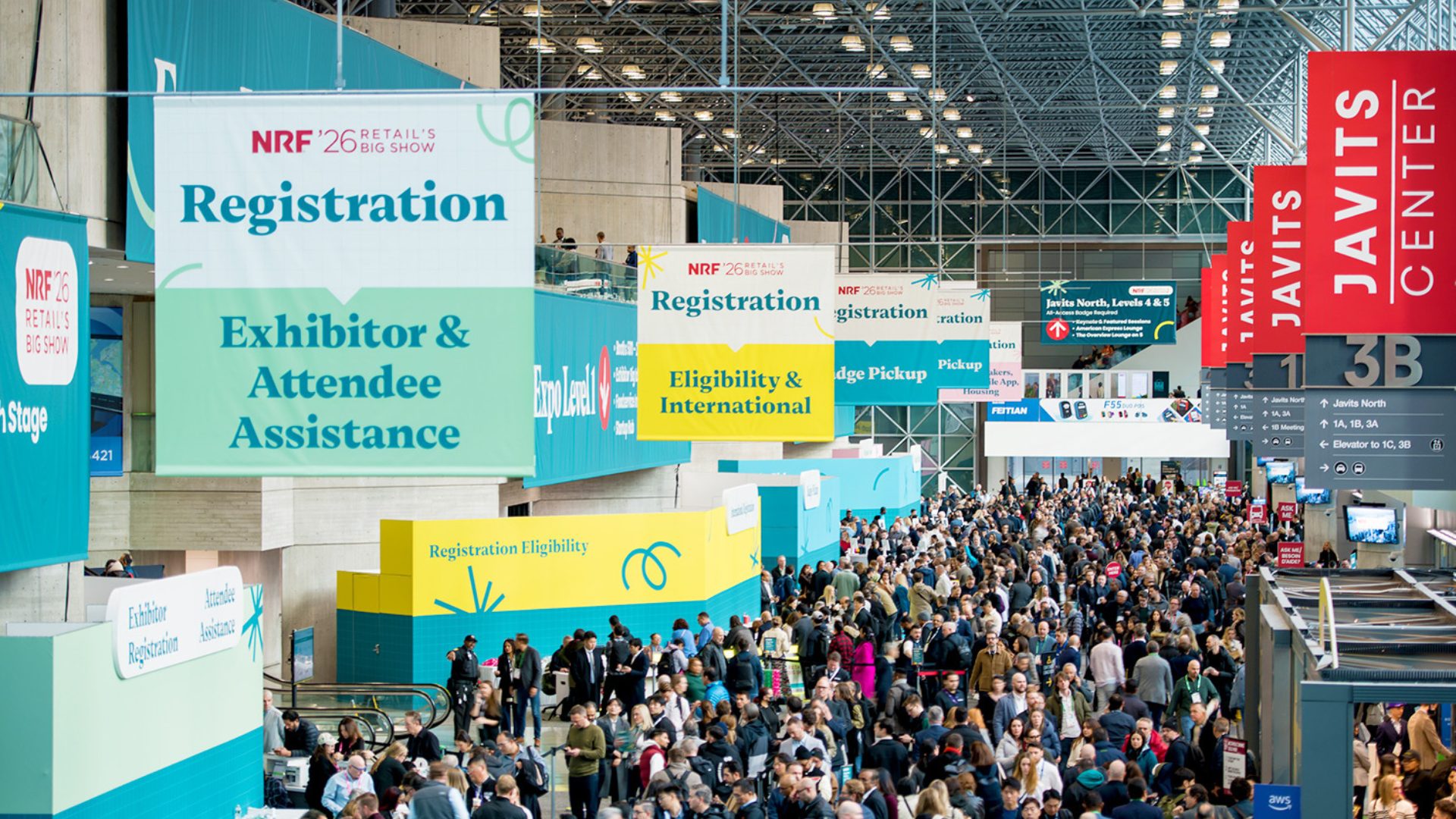
“A trend you see … is not just buying your clothes but having a cup of coffee when you’re there. [This] makes it more of a destination while also encouraging your shoppers to stay there a little longer,” Cynthia Ortiz, international president of Retail Design Institute, said during a session at NRF 2026.
She explained that Aritzia’s success in opening A-OK café supported its entire fashion ecosystem, both in clothing and incremental supplemental beverage purchases.
Ralph Lauren paved the way for the modern in-store coffee concept through its Ralph’s Coffee concept in New York City in the 1990s. Most recently, it expanded this concept across key cities in China, with a slate of openings announced mid-2025. Additional domestic entrants include Uniqlo, which brought the concept to NYC last March, Jack’s Stir Brew at the J. Crew Men’s Store, Tiffany & Co.’s Blue Box Café, and Coach Café, which opened a host of locations across the U.S.
In addition to keeping these consumers in-store, it becomes a unique way for fashion brands to communicate their values and authenticity.

“Ultimately, what I see happening is there’s this really cool nexus of fashion meets hospitality… People are excited to be able to experience their favorite brands in a different way,” Marcus Sanders, Coach VP of global food and beverage, told CNBC.
It allows aspirational consumers to interact with the brand at an attractive price point: a single-digit latte looks incredibly affordable next to a $500 shoulder bag.
Sanders noted that he’s seeing double- to triple-digit sales increases across fashion categories at locations with an in-store café. Moreover, in-store cafés offer an experiential environment for shoppers, a key lever for brands to connect with Gen Z shoppers.
Today’s K-shaped economy, where lower-income earners continue to pull back spending compared to higher-income households, evidences a precarious year ahead for these brands, where low- and middle-income shoppers make up a bulk of sales. Moreover, a recent poll from CivicScience found that customers anticipate reigning in their clothing & apparel spending by 8%. A report from McKinsey similarly found that the next few years will likely see a dramatic slowdown in the global luxury sector.
The solution? Café consumables.
Coach has innovated on this concept with signature edible pastry versions of its iconic bags, called the Coach Tabby Cake. By allowing consumers to interact with a best-selling item in a meaningful format, it communicates that the brand itself is meant for the consumer.
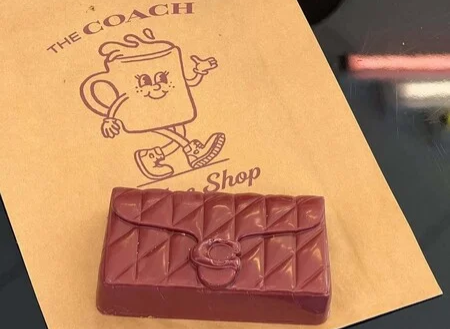
Source: Coach
This is important considering Coach’s strategy to target Gen Z consumers, as part of the “Amplify” strategy. The brand endeavors to foster emotional connections with consumers by building brand love and a lifetime value proposition.
Pastries and coffee offer a clear path to achieve this by creating a culture around TikTok-worthy low-cost ways for consumers to interact with a brand. Even the café’s logo serves to eschew allegations that the brand is outdated and unattainable for the modern shopper.
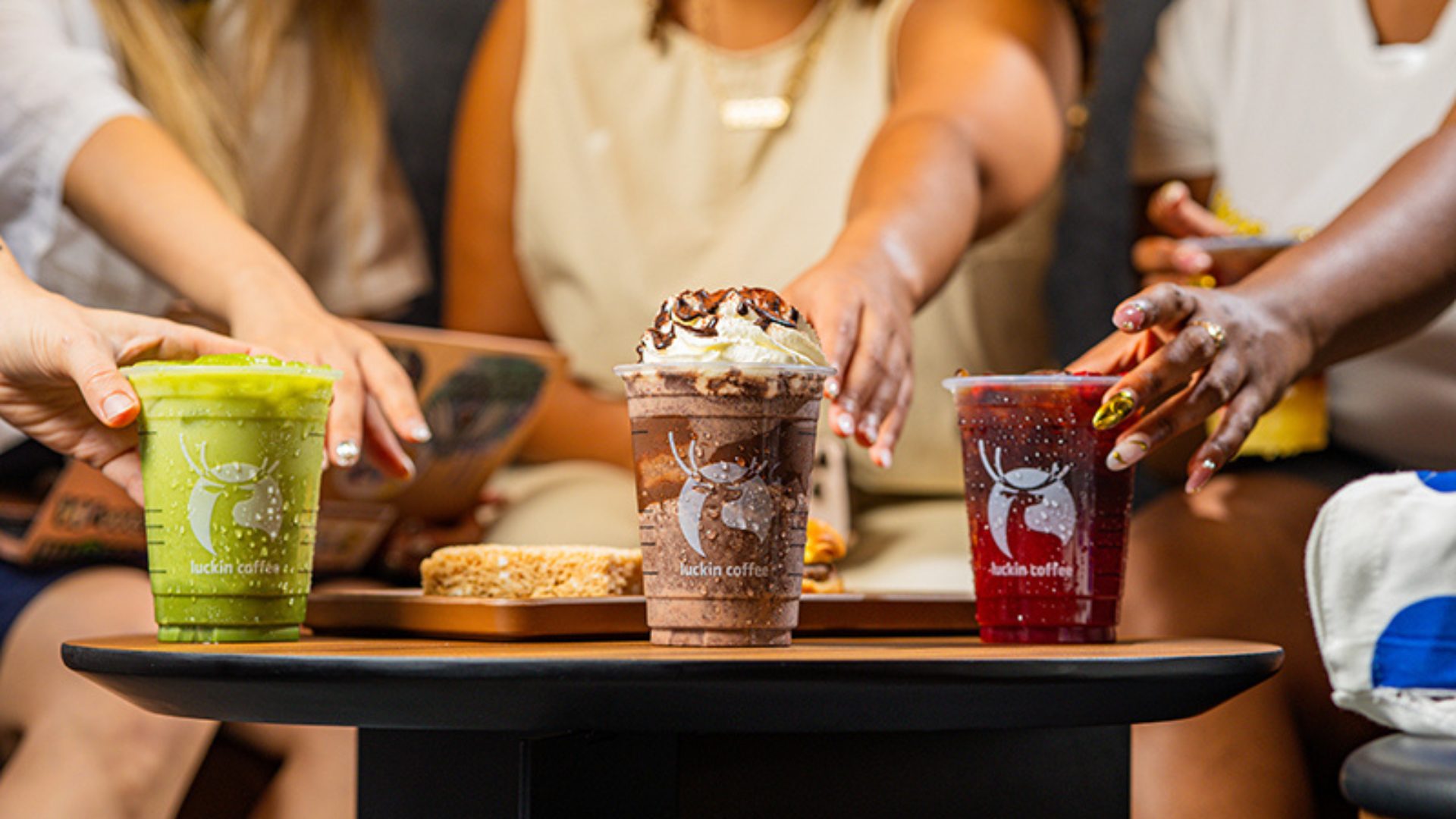
So, have consumables become the modern accessory? Busy shoppers donning jewelry, shoulder bags, purses, and bracelets seem to be turning to a new everyday carry – beverages. Fashion brands are uniquely positioned to deliver on these needs with attainable drinks that simulate the brand’s luxury and provenance: an Italian cappuccino to go with the Italian leather bag, or a matcha latte with a Uniqlo sweater.
Traditional café chains, too, are blurring the line between treat and fashion with aesthetic-driven branding and eye-catching colors that make consumers embody their desired fashion aesthetic. Gregory’s layered beverages come to mind, with distinct, bright colors that complement an outfit. Plus, brands like Molly Tea are using packaging as its own form of storytelling, both beautiful as an accessory and personalized to each drink.
Food for Thought Leadership
It’s undeniable that restaurants were challenged heavily in 2025, but what does that mean for 2026? Foodservice industry veteran John Inwright discusses the prospects for a new year, what’s working for successful operators, and the headwinds and tailwinds that could define the year.