As pricing volatility, supply chain disruptions, and environmental concerns persist within the cocoa industry, chocolate and confectionery manufacturers have continued to explore alternatives to traditional cocoa.
These strategies run the gamut from leveraging cell-cultured technology and upcycling whole cacao pods to investing in cocoa-free substitutes.
Let’s take a closer look at a couple of them.

Cell-Cultured Cocoa Production
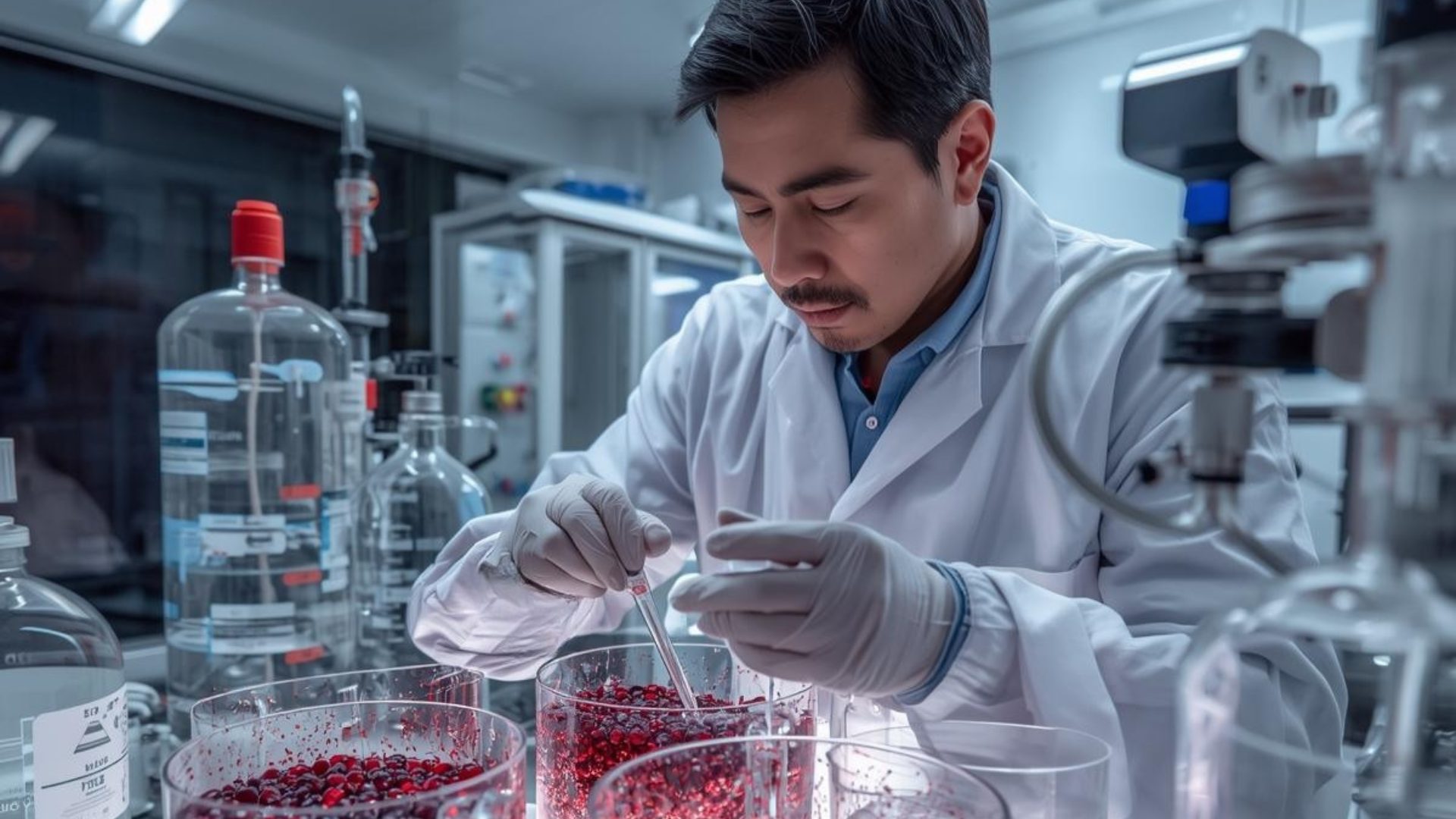
Cell-cultured technology is increasingly being used to manufacture products ranging from meat to cocoa.
“California Cultured is producing cell-cultured cocoa using somatic embryos and are migrating towards reusable plastic bioreactors to reduce the cost,” said Oshin Sahni, a flavor application scientist at Glanbia.
“Cellesto Bio is another startup that combines bio-tech, ag-tech, and AI to produce 100% natural cocoa ingredients at scale, anywhere in the world without cutting down a single tree and are using that to produce cocoa butter,” Sahni told FI.
Sahni highlighted Kokomodo as a third startup that’s producing cocoa using cellular agriculture, which is a subsidiary of Pluri, a biotechnology company focused on mass-scale cell expansion and bio-farming that’s developed a patented, proprietary 3D cell expansion platform.
Pluri CEO Yaky Yanay sat down with The Food Institute to share his insights on the topic, including ongoing challenges, roadblocks to scaling, and regulatory hurdles that the industry is facing.
“As with most emerging technologies, early-stage production costs are higher. Cost competitiveness will largely depend on scale,” Yanay told FI but noted that he expects costs will decrease significantly as production volumes increase and manufacturing becomes more efficient.
“Importantly, cultivated cacao reduces exposure to climate shocks and crop volatility, which can dramatically impact traditional cacao prices. Long term, scalability and sustainability are expected to make the economics increasingly attractive,” Yanay advised.
As for regulatory hurdles, Yanay says that cultivated food products in the U.S. typically go through regulatory review under the FDA’s Generally Recognized as Safe (GRAS) framework, and Kokomodo plans to file its regulatory submission in 2026.
“While the company cannot comment on approval timelines, it is working toward commercialization following regulatory review,” Yanay told FI.
On a related note, Puratos, a maker of bakery, patisserie, and chocolate ingredients, announced in late February that it will be launching what it calls “the world’s first chocolate product for professionals containing cultured cocoa” toward the end of 2026.
The product, which will be “fully commercially available” to U.S. customers, is being developed in collaboration with the aforementioned startup California Cultured.
Even the global cocoa giants are throwing their hats into the ring. Last summer, Barry Callebaut announced a partnership with the Zurich University of Applied Sciences (ZHAW) to explore the potential of producing cocoa via cell-cultured technology.
Although cell-cultured cocoa has been generating significant interest from investors, that can only go so far without the buy-in of consumers – and many remain skeptical.
Sahni pointed to a recent Facebook post about California Cultured by Kake News that sparked some backlash.
“Consumers don’t seem to be happy about eating cell-cultured chocolate, as they think it’s artificial and that more chemicals will be going in their body,” Sahni told FI, while also noting that “Gen Z definitely likes the idea that it is a more sustainable way to produce chocolate” but stressing that “more knowledge is needed.”
Cocoa-Free Alternatives
In addition to cell-cultured technology, companies are also exploring analog cocoa-free alternatives.
Nestlé recently announced that it is teaming up with Planet A Foods in April to launch its own line of cocoa-free products in Germany under the Nestlé Choco Crossies Snack Vibes brand, which are made with Planet A’s cocoa-free ingredient, ChoViva.
A spokesperson for Planet A Foods said the ingredient is derived from ground sunflower seeds instead of cocoa, which are then fermented, roasted, and “mixed with plant-based fats, grape seed flour, and sugar.”
As reported in a recent article by Just Food, Nestlé is hoping to appeal to Gen Z consumers through the launch.
“This is a generation navigating constant digital noise, looking for small ways to hit the reset button. We developed these new varieties specifically for those moments – creating a snack that engages the senses and offers a brief, personal chill-out vibe,” said Marc Nussbaumer, the business executive officer for confectionery at Nestlé’s German unit.
Another brand, Foreverland, opened a production plant last fall for its cocoa-free chocolate alternative, Choruba, which is made from a blend of locally grown carob, pumpkin seeds, and chickpeas.
The Italian food-tech startup has reportedly expanded the commercial availability of Choruba across Europe through partnerships with confectionery manufacturers to introduce products made with the ingredient to private-label, retail, and promotional markets.
The Food Institute Podcast
his Episode is Sponsored by: CBIZ
While many food industry professionals were hoping that the Supreme Court ruling on tariffs would elucidate the current global trade environment, it appears that it may have added more uncertainty than before. CBIZ’s Lou Biscotti and Mark Baran, and former Customs expert Michael Contino, all join The Food Institute Podcast to provide clarity and actionable insights.