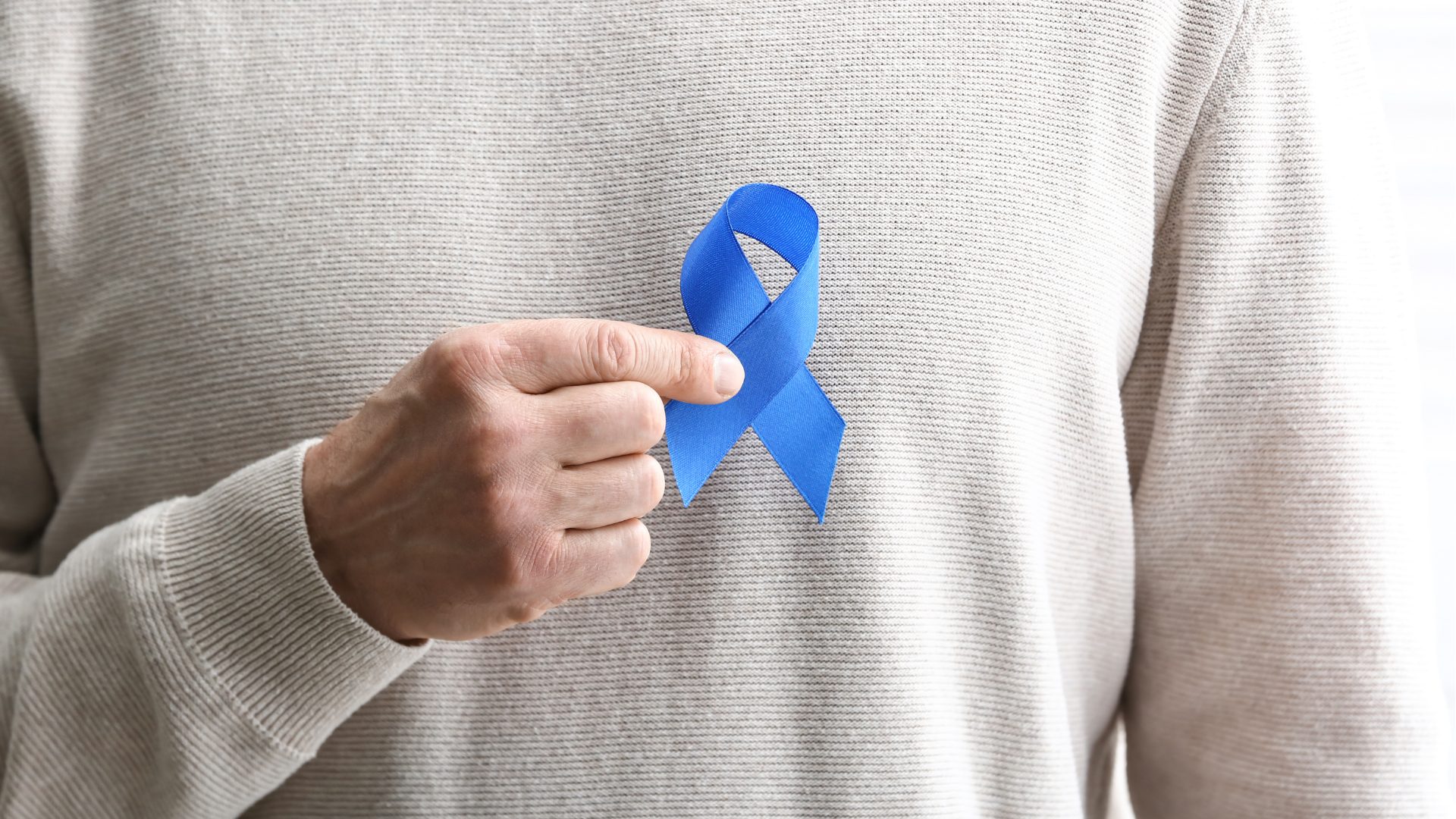
Colorectal cancer is on the rise in people under 50 and is now “the leading cause of cancer deaths in this age group,” said Dr. Laleh Melstrom, a surgical oncologist at City of Hope in Duarte, California, during a recent Q&A session hosted by the cancer research and treatment organization.
Approximately 20,000 individuals within this demographic are diagnosed with colorectal cancer in the U.S. annually – nearly double the number reported 20 years ago.
“I am now seeing patients [with colorectal cancer] who are in their thirties routinely,” added Dr. Marwan Fakih, a medical oncologist at City of Hope.
“There’s really no face or prototype for what a patient with colorectal cancer looks like when they’re young. Historically speaking, we’d see patients who have had morbid obesity or uncontrolled diabetes from a young age, but that’s not the case anymore. Our patients are often healthy and fit. They exercise and watch what they eat. That’s the troubling part: The risk factors are unclear,” Dr. Fakih explained, noting that it’s also unclear why colorectal cancer rates are increasing in younger demographics.
Symptoms of Colorectal Cancer
Symptoms of colorectal cancer include but are not limited to:
- Changes in bowel habits like diarrhea, constipation, narrowing of the stools, or feeling like bowels are not completely empty, even after having a bowel movement
- Persistent abdominal discomfort that causes pain, nausea, cramping, bloating, or feeling unusually full, even when you haven’t eaten much
- Rectal bleeding in the toilet, in your stool, or on toilet paper
- Feeling tired, weak, or short of breath, which can be signs of anemia developed from bleeding elsewhere in your body, such as from a cancerous tumor
- Unintentional weight loss that stems from no known reason

Dietary Risk Factors for Colorectal Cancer
While genetic risk factors like age, gender, and family history are unavoidable, there are several ways to decrease your risk of developing colorectal cancer, such as dietary and lifestyle changes.
For example, diets that are rich in red meat have been correlated with colorectal cancer. As a result, experts recommend limiting your weekly intake to 18 ounces or fewer.
Processed meats like hot dogs, ham, bacon, and sausage, on the other hand, should be avoided altogether if possible, as even low consumption of these items increases colorectal cancer risk.
A 2026 study also revealed that a higher intake of ultra-processed foods, including sugary drinks, is associated with increased risk of early-onset colorectal conventional adenomas, or noncancerous tumors that grow in the tissue that lines glands and organs.
“An association, but not necessarily cause and effect, was found in one study with increased consumption of sugar sweetened drinks,” said Dr. Charles Berkelhammer, a gastroenterology specialist and MD at GI Partners of Illinois.
In the Q&A session, Dr. Fakih mentioned that exposure to microplastics can increase colorectal cancer risk as well.
Tobacco and/or alcohol use, especially binge drinking at a young age, has also been shown to increase risk.
Even light to moderate alcohol consumption is associated with some risk, which is why health experts recommend avoiding alcohol altogether if possible. However, those who continue to consume alcohol should limit their daily intake to no more than two drinks for men and one drink for women.
Experts also recommend following a diet that’s rich in fruits, vegetables, and whole grains, as adequate fiber consumption may lower colorectal cancer risk.
Fiber has also been shown to improve gut health and potentially serve as a “nutritional defense” against the risks that microplastics pose to human health.
“Some, but not all studies, show some reduction of colon cancer risk with high fiber diets. Adequate intake of calcium, vitamin D, and folic acid were protective,” Dr. Berkelhammer told FI.
Other Risk Factors for Colorectal Cancer
In addition to the factors above, other risk factors for colorectal cancer include but are not limited to:
- Genetics (approximately 20% of patients)
- Lynch syndrome
- Type 2 diabetes
- Inflammatory bowel disease, including ulcerative colitis or Crohn’s disease
- Lack of exercise
- Excess body weight
- Microbiome changes
- Taking antibiotics at a young age
Screening Saves Lives
With colorectal cancer, early detection is key, as it’s a highly curable form of cancer if discovered early.
Screening is the best way to prevent dying from colorectal cancer, and current guidelines recommend starting screening at age 45 for average risk individuals.
Individuals with a higher risk of colorectal cancer may need to be screened even earlier, so experts recommend consulting with your doctor about when you should get checked.
“Despite the lowering of the recommended screening age from 50 to 45 for the general low-risk population, the rising number of diagnoses and deaths among younger patients suggests a need to re-evaluate current screening guidelines,” said Dr. Rakesh Hegde, a board-certified colorectal surgeon at Catholic Health who specializes in comprehensive surgical care for colorectal cancer and inflammatory bowel disease.
“To combat this trend, more aggressive diagnostic approaches, including colonoscopy for patients with altered bowel habits, are critical to enable earlier detection, treatment, and ultimately reduce mortality,” Dr. Hegde told FI.
Curious about your risk? You can take a screening quiz here.
The Food Institute Podcast
his Episode is Sponsored by: CBIZ
While many food industry professionals were hoping that the Supreme Court ruling on tariffs would elucidate the current global trade environment, it appears that it may have added more uncertainty than before. CBIZ’s Lou Biscotti and Mark Baran, and former Customs expert Michael Contino, all join The Food Institute Podcast to provide clarity and actionable insights.