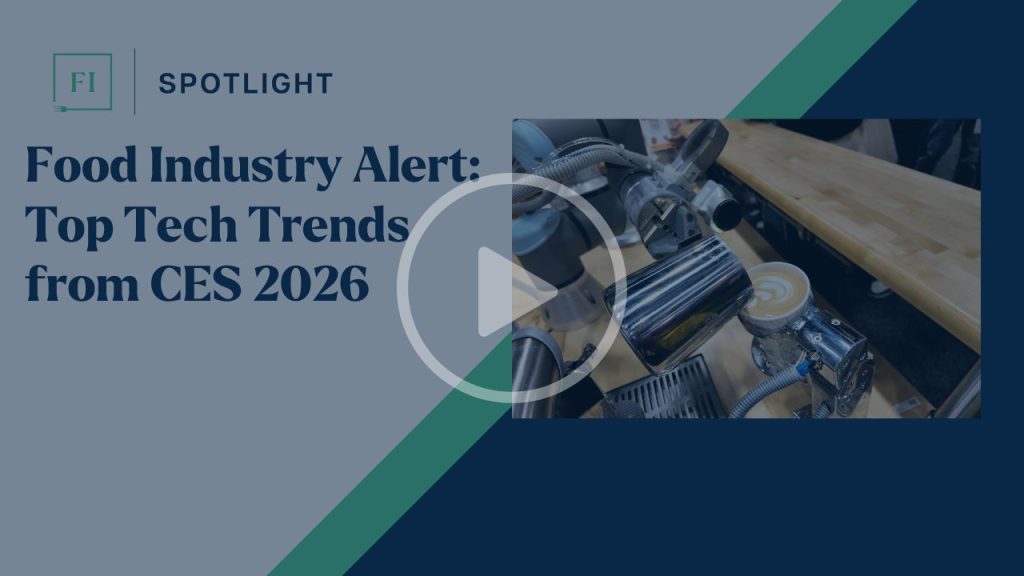
The 2026 Consumer Electronics Show (CES) offered more than just consumer gadgets and experimental tech, spotlighting a growing pipeline of automation, robotics, and AI-powered platforms with direct applications for foodservice, retail, manufacturing, and supply chains.
From autonomous convenience stores to robotic baristas and ingredient traceability tools, this year’s exhibitors debuted a series of technological innovations designed to improve efficiency, optimize labor, and enhance transparency, which are all top of mind for industry investors.
Let’s take a look at some of the most intriguing innovations we spotted at CES 2026.
Retail
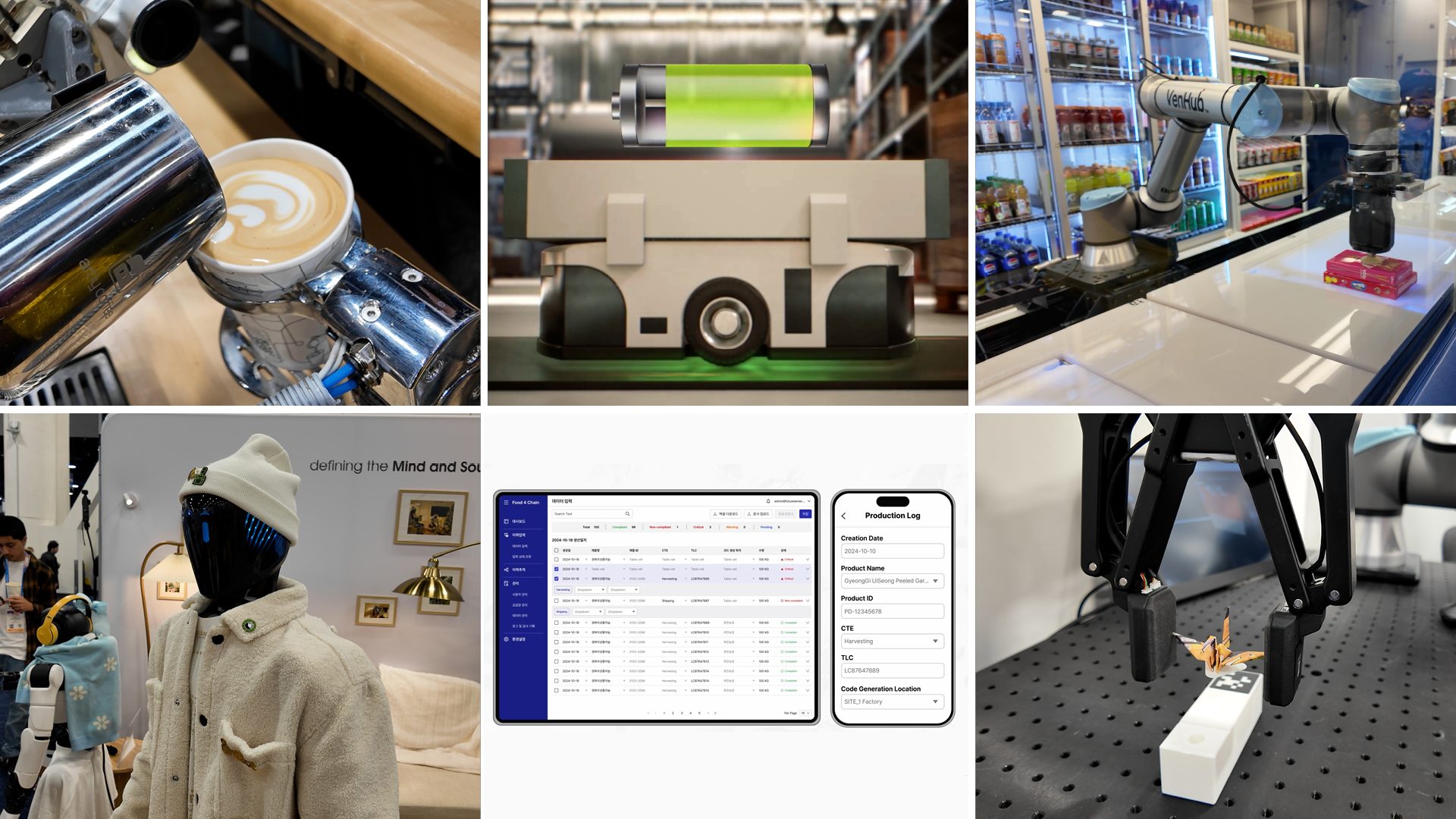
VenHub drew consistent attention with its fully automated, 24-hour convenience store kiosk. Customers use a mobile app to select and pay for items, while robotic systems retrieve and dispense products behind the scenes.
“We’re trying to change many different facets of the challenges that operators in the retail space see every single day,” a company representative told The Food Institute.
The company positions its platform as a solution for high-traffic environments such as transportation hubs, campuses, and dense urban areas, where labor constraints and real estate costs challenges persist.

Warehouse and Factory Robotics
Several brands, on the other hand, showcased robotics built to improve logistical efficiency and precision handling.
For example, CaPow, which is partially backed by Hyundai, introduced Genesis, a fleet of autonomous robots that are capable of transporting inventory while charging themselves as they operate.
“It can carry large amounts of inventory while charging itself at the same time,” a demonstrator told FI.
In addition, XELA Robotics presented robotic grippers that are equipped with 3D tactile sensors that can replicate aspects of human touch, which means they can handle produce and packaged goods more delicately than your average robot, if needed.
“Factory automation, warehouse automation, fruit picking, fruit sorting – those are the kinds of interesting applications for us,” a company representative told FI.
IntBot also highlighted its humanoid service robots, which are powered by language-learning AI and have the capacity to communicate in over 50 different languages, making them a good fit for the hospitality sector and any customer-facing environment where multilingual interaction is taking place.
Beverage Automation
Automation has also moved further into the beverage space.
Australia-based Flying Turtle Beverage showed off its smart vending system, which can prepare espresso drinks, matcha lattes, and Thai tea, among other beverages. The brand said the tool serves as a great alternative to cafés in airports, offices, and convention centers that require a staff to operate.
In addition, Robotiq’s robotic arms also made an appearance in multiple retail and foodservice demonstrations, while Artly AI showcased its platform of robotic arms that can learn complex movements from human trainers.
Restaurant and Guest-Facing Tech
As far as foodservice tech goes, Allergen Alert introduced a handheld device that can detect common allergens and gluten by analyzing food samples.
“Everyone deserves to eat safer food,” one presenter said.
Richtech Robotics showed off its service robots that can prepare beverages on top of assisting with other hospitality operations.
Interestingly, holographic displays also appeared in some restaurant and retail exhibits, providing 3D menu presentations and promotional visuals aimed at increasing engagement in competitive environments.
Supply Chain Transparency
And last but not least, the South Korea-based startup FutureSense introduced a platform created to help food manufacturers track ingredient sourcing at the product level.
“Consumers can see exactly where each ingredient came from,” the company said.
Additional CES 2026 reporting by Susan Choi and Brittany Borer. Watch the video here: