Experts say the incorporation of AI, greater attention to health trends, and efforts to control rising costs likely will drive the restaurant industry in 2026.
A Restaurant365 survey of 4,000 eateries finds operators hoping for a less volatile 2026 compared with 2025, which saw rising food costs, shifting consumer behavior, and fluctuating traffic amid economic and political uncertainty.
Thirty percent of respondents said sales volume was their top concern, followed by rising food costs at 28%. Last year’s survey pegged labor as the top concern.
Those surveyed said they expect consumer behaviors to keep changing in 2026, with 36% expecting take-out to increase, 32% expecting dine-in to slide and 20% forecasting demand for healthier options.
Natasha Neely, VP of brand growth and marketing at Pupatella, told The Food Institute, she agrees takeout and delivery will be major growth areas.
“For many guests, off-premises dining feels more cost-effective – they’re skipping drinks, dessert, and the added cost of full-service tipping, while still enjoying restaurant-quality food at home,” Neely said, adding that GLP-1 use may be behind a broader shift in dining habits, as well as other wellness trends.
“Dine-in has to offer something you can’t get at home – hospitality, ambiance, connection, and moments that feel worth leaving the couch for,” Neely said.

AI‑Powered Personalization Is Rewriting Hospitality
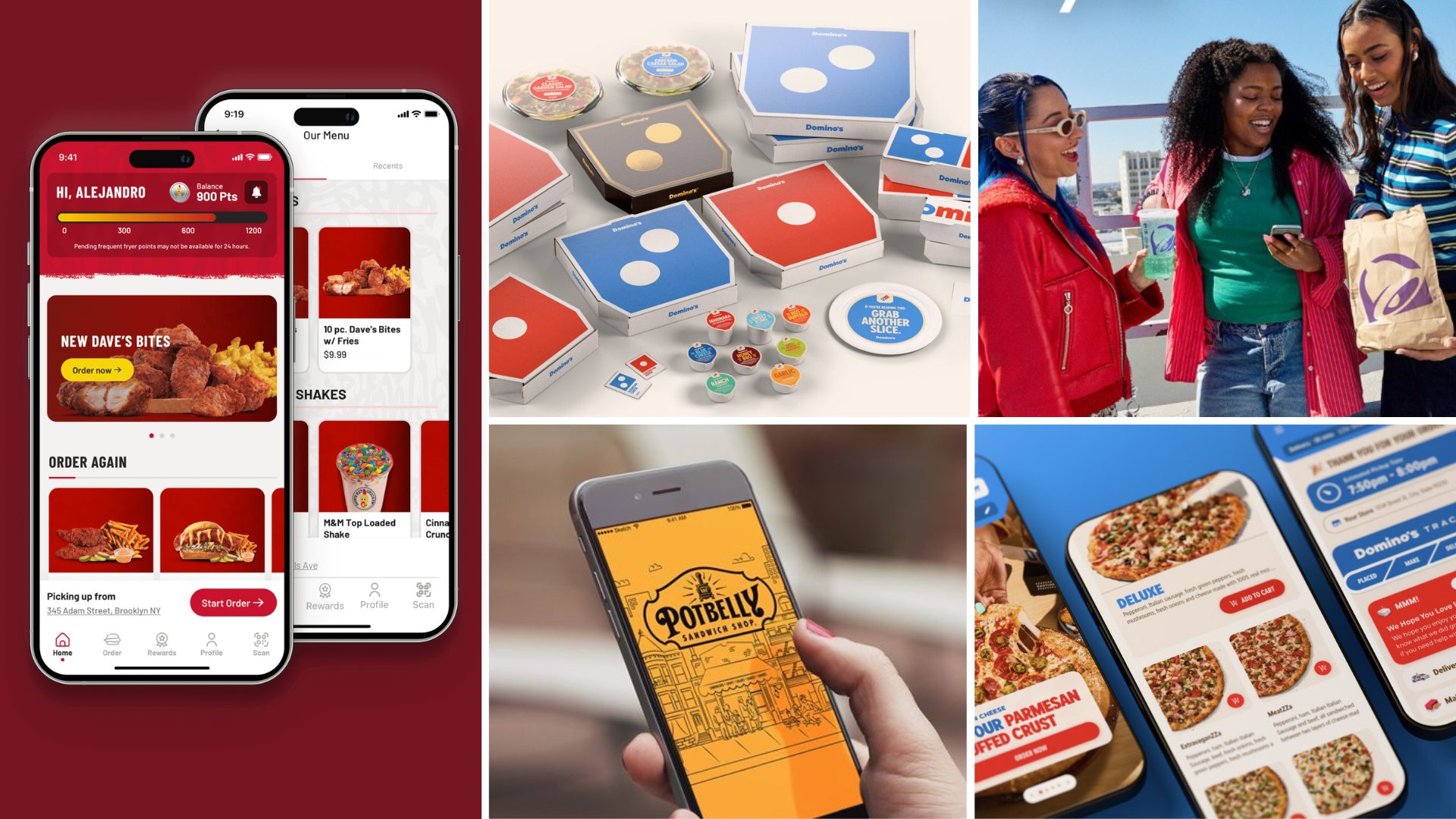
AI, meanwhile, is changing the quality of interactions, said Kelly Esten, chief marketing officer at Toast, predicting technology will allow restaurant staff to connect more with diners, not less.
“The next wave of technology will allow teams to focus on being in front of the guest more –more time connecting and building relationships that are so key to hospitality,” Esten said.
“AI assistants built into restaurant tech will become the ultimate tool to superpower restaurant teams.”
For example, Esten added, AI assistants won’t just flag that a guest has visited three times. It’ll go a few steps further and proactively equip the server with a personalized recommendation.
“Imagine the device buzzing with a suggestion like: ‘This guest always orders an Oak-Aged Old Fashioned. They haven’t tried the new Smoked Maple cocktail, which is getting great reviews and has a similar profile. Suggest it as an alternative,’” Esten said.
The Restaurant365 survey found operators focusing on growth areas to drive sales and improve cost control. Nearly half – 46% – said they were planning new locations.
One possible growth driver is the non-alcoholic drink sector, said Derek Brown, co-founder of Mindful Drinking Fest.
Brown told FI more bars and restaurants are including a menu section with NA drinks or using the symbol ABV (alcohol by volume) to indicate alcohol content, catering to young adults who believe alcohol consumption has a negative effect on health.
“To me, this kind of mirror menu is the most appealing,” Brown said. “because it includes everyone at the bar or table without anyone feeling left out. It also allows people who are ‘zebra striping,’ to seamlessly move in between alcohol and non-alcoholic cocktails.”
Food for Thought Leadership
This Episode is Sponsored by: Koelnmesse
Snacking in the U.S. has been on the rise for many years, but is this a global phenomenon? Sabine Schommer, Director, ISM, and Guido Hentschke, Director, ProSweets Cologne and ISM Ingredients, explore European and global snacking trends, and how the trio of ISM, ISM Ingredients, and ProSweets Cologne serve as a meeting place for the global snacking industry.