In recent months, AI has inspired a shift among restaurants, from “nice-to-have” experiments toward becoming an imperative element of day-to-day operations.
In 2025, “AI moved from primarily helping with behind-the-scenes analytics to being woven into (customer)-facing experiences,” noted Steven Fine, GM, restaurant division at PolyAI. For example, he added, we saw more AI voice agents handle reservations.
“As we segue into 2026, we’re going to see more of what I call ‘AI adoption hitting escape velocity.’ This means pilot projects turning into system-wide rollouts,” Fine told The Food Institute.
FI spoke with several experts regarding the impacts AI will have on F&B in the new year. Here’s a condensed look at their predictions:
Automation Will Accelerate
Moving forward, kitchens, robotics, and AI scheduling systems will work together to predict demand, prep times, and optimize labor. A noteworthy statistic along those lines: according to insights from the AlphaSense platform, Walmart has seen AI automation routinely trim 15-50% of labor hours in targeted workflows.
“Think about it as an expansion out of isolated, discrete tasks into coordinated action and intelligence,” Fine said.

Pace of Food Prep Accelerates
AI boasts the capability to analyze order data and the way restaurant kitchen staffs move, to streamline food preparation. When orders are prepared efficiently and accurately, restaurants don’t just reduce customers’ wait times but also reduce waste.
“Think of it as an AI-driven kitchen manager that prioritizes orders based on how complicated they are or how long they take to cook, making sure everything for one order finishes at the same time,” said Lianne Bradley, director of QSR at Solink.
Dynamic Pricing Picks Up
Traditional pricing models simply can’t keep pace with sudden shifts in consumer demand, which can hurt restaurants’ bottom line. AI changes that, analyzing sales data, and how busy locations are, to establish ideal prices in real-time. That can help attract customers with personalized deals and discounts during slow periods.
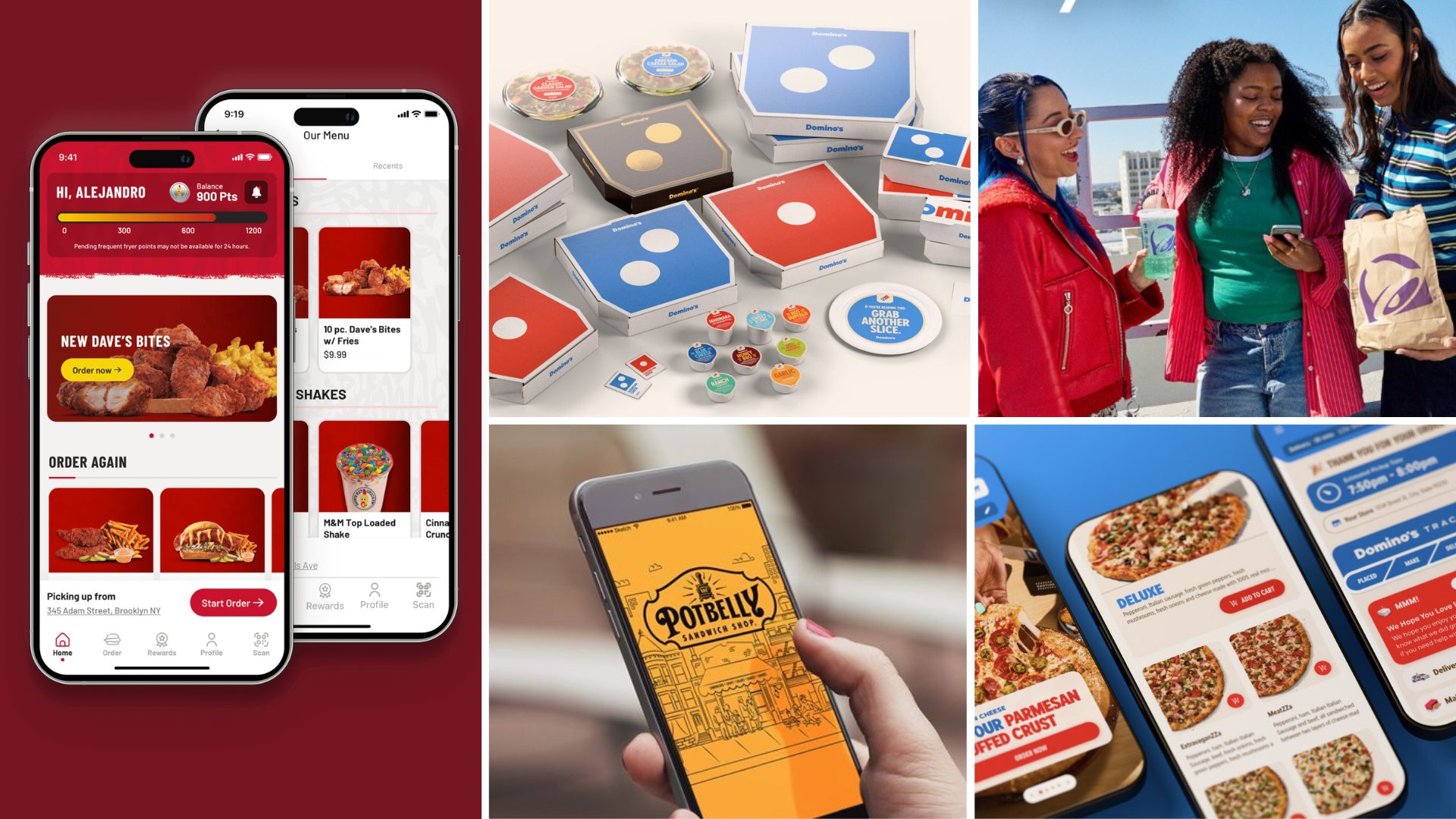
“AI is all about personalization,” Bradley said. “We’re seeing dynamic menu boards that change the featured items based on the time of day and customer preferences, all the way to AI-powered apps that push tailored promotions.
“For QSRs, using AI for dynamic pricing is a total game-changer.”
Risks Get Reduced
Risk-sensing models will increasingly aid the foodservice sector by being able to analyze supplier health, weather, and geopolitical data to anticipate potential disruptions, allowing for proactive adjustments to shipments and orders.
This technology will also improve compliance with food safety regulations, by unifying data, enabling quicker root-cause analysis, noted Nick de Klerk, senior director at TMX Transform.
Forget About Fraud
Transactional fraud can take a serious bite out of restaurants’ profits. However, companies like Solink now offer AI technology to monitor transactions in real-time, looking for red flags like unusually large orders or a high number of voids and refunds.
By combining video security footage with POS data, restaurants like QSRs can detect and prevent fraud. That, of course, can also help the restaurants ensure that customers trust their brand.
Businesses Get Time to Refocus
As operations become more efficient by using AI, restaurant staffs will have newfound time to take a collective breath. That shift in mindset will encourage a deeper focus on purpose, culture, and differentiation, said Cassie Davison, hospitality leader and business coach at Kith & Kin Hospitality
“As technology takes care of more background processes, businesses can reconnect with why they exist, strengthen their teams, and build deeper relationships with customers” Davison said. “In a more automated world, the value of genuine connection will continue to rise.”
Last year, AI became mission critical for the foodservice industry. Now, 2026 figures to bring an acceleration of that movement.
Food for Thought Leadership
It’s undeniable that restaurants were challenged heavily in 2025, but what does that mean for 2026? Foodservice industry veteran John Inwright discusses the prospects for a new year, what’s working for successful operators, and the headwinds and tailwinds that could define the year.