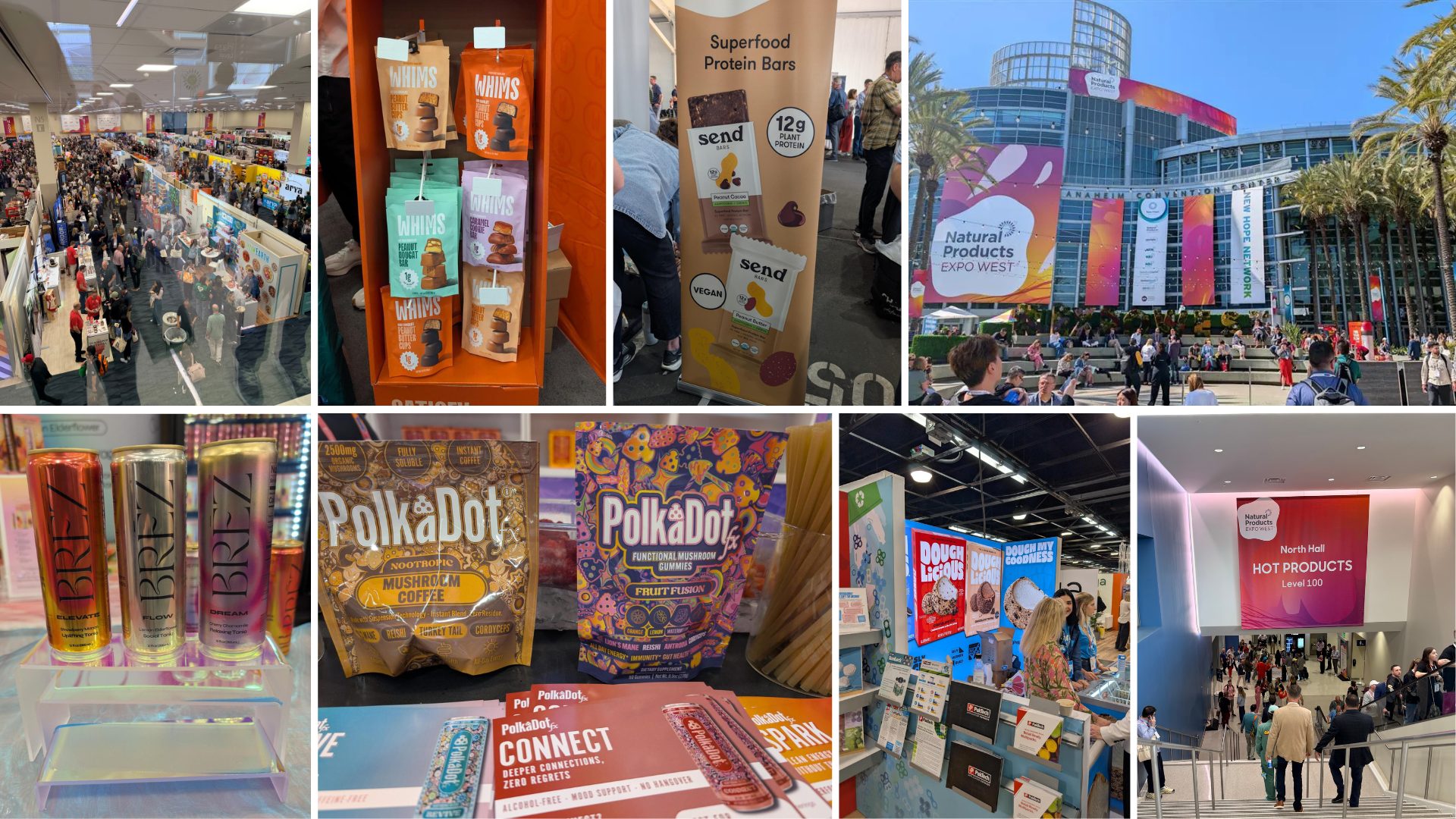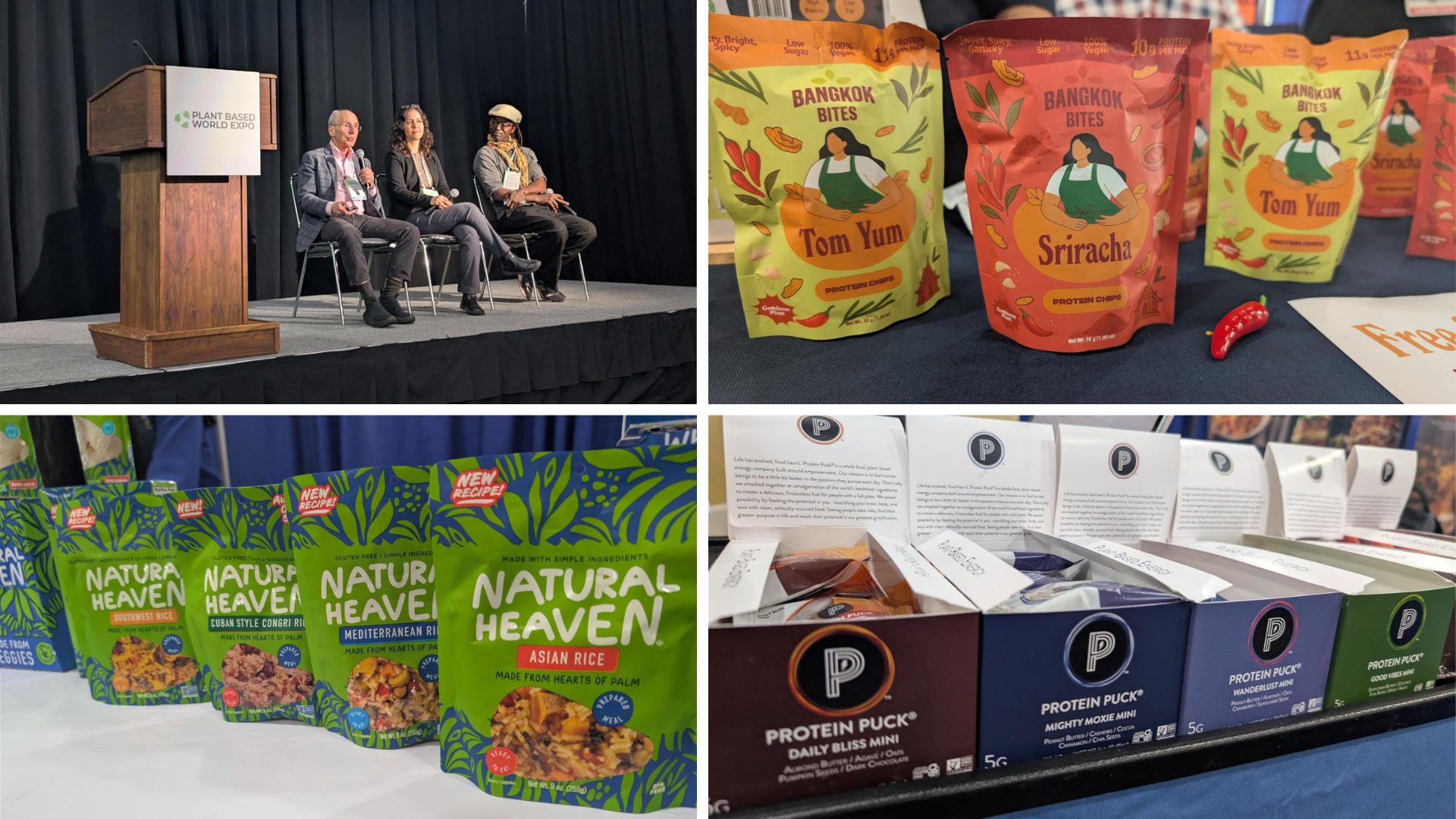
ANAHEIM, Calif. – Consumers are demanding transparency, stacked functional benefits, and nostalgic comfort – all at once. That much was apparent, judging by the products on display at the recent Expo West 2026 event.
The modern consumer wants it all: clean ingredients they can trace back to the source, functional benefits packed into every bite, and flavors that spark joy or nostalgia. Emerging food and beverage trends reflect a market that’s no longer willing to compromise – and brands are responding with innovations that blur the lines between wellness, indulgence, and experience.
From the resurgence of animal fats to the influence of Japanese convenience store culture, here are 12 trends defining the next wave of food and beverage innovation that were highlighted in Anaheim:
The Return of Beef Tallow
The seed oil backlash has officially arrived. Beef tallow – once a pantry staple before the low-fat era – is making a significant comeback, particularly in the snack aisle. Brands like Hola Mija Organic Tortilla Chips, Beefy’s Own, Vandy Classic, and Legacy Roots are leading the charge with tallow-fried chips positioned as a cleaner alternative to vegetable oils.
This shift reflects broader consumer skepticism toward highly processed ingredients and a growing appetite for traditional, whole-food fats. Expect this trend to expand beyond savory snacks into baked goods and confections in the coming years.
Clean Protein Gets Cleaner
Protein remains king, but the definition of “clean” continues to evolve. Transparency is now table stakes, with consumers demanding clarity on sourcing, processing, and nutritional value.
Egg-based innovations are having a moment, from Blue Hour’s Instant Scrambled Eggs to Oolie’s Egg-Based Yogurt and OU-EGG’s Egg White Chips. Bone broth protein is also gaining ground, showing up in products like HOL Protein Bars made with chicken bone broth. Meanwhile, Clean Simple is betting on 100% grass-fed whey, and Elmhurst continues to push the boundaries of plant-based protein with its 27-gram clear protein shake.
The message is clear: consumers want to know exactly what’s fueling their bodies.

The GLP-1 Companion Category Emerges
As GLP-1 medications like Ozempic and Wegovy reshape the weight-loss landscape, a new product category is forming around them. Brands are now explicitly marketing products as “GLP-1 friendly” or “GLP-1 companions,” designed to support those following these protocols.
åKrrush Norwegian Bone Broth offers protein, B vitamins, and electrolytes in a format suited for reduced appetites. Verdant Daily System positions itself as a GLP-1 companion with 11 core ingredients, while Todo Protein & Fiber Shakes claims natural GLP-1 support.
This trend signals a significant shift in how brands approach the diet and wellness consumer – meeting them where they are, medications and all.
Protein in Unexpected Places
High-protein positioning has saturated traditional categories, pushing innovation into increasingly creative territory. The result? Protein is showing up in formats that would have seemed absurd just a few years ago.
Chick Protein Iced Coffee delivers 20 grams per serving. Semii Protein Noodles pack in 24 grams or more. Zen Pudding offers 20 grams in a dessert format. Even boba tea has entered the protein game. These “surprise” formats allow brands to differentiate in a crowded market while meeting consumers’ desire to boost protein intake without overhauling their diets.
Regenerative Agriculture Gains Momentum
Regenerative farming has moved from buzzword to buying decision. More brands and ingredient suppliers are prioritizing soil health, biodiversity, and sustainable practices – and consumers are paying attention.
Forecast Coffee Company and BrightLeaf Sparkling Tea are leading with regenerative sourcing in the beverage space. CatSpring Yaupon highlights its use of Texas-native yaupon tea. Alexandre Family Farm is pushing the envelope with 100% grass-fed A2 organic dairy, while New Barn Organics combines pasture-raised eggs with plant-based milk offerings.
As climate concerns intensify, regenerative claims are increasingly becoming a point of differentiation – and trust.
Functional Stacking: Why Have One Benefit When You Can Have Five?
Single-benefit products are starting to feel limiting. Today’s most innovative brands are stacking multiple functional ingredients into one convenient format.
Hrbvor Herbal Tea combines prebiotics, polyphenols, and electrolytes. Sparkling beverages are arriving loaded with pre- and probiotics alongside adaptogens and nootropics. Thunder Coffee Milk merges caffeine with 26 grams of protein, Aussie-style. Good Belly pairs protein with probiotics in a smoothie format.
The underlying consumer insight? Time-starved shoppers want maximum benefit from minimum effort.
Dates Step into the Spotlight
Dates are breaking free from their niche as a natural sweetener or vessel for nut butter. A new generation of date-focused products is treating the fruit as a star ingredient in its own right.
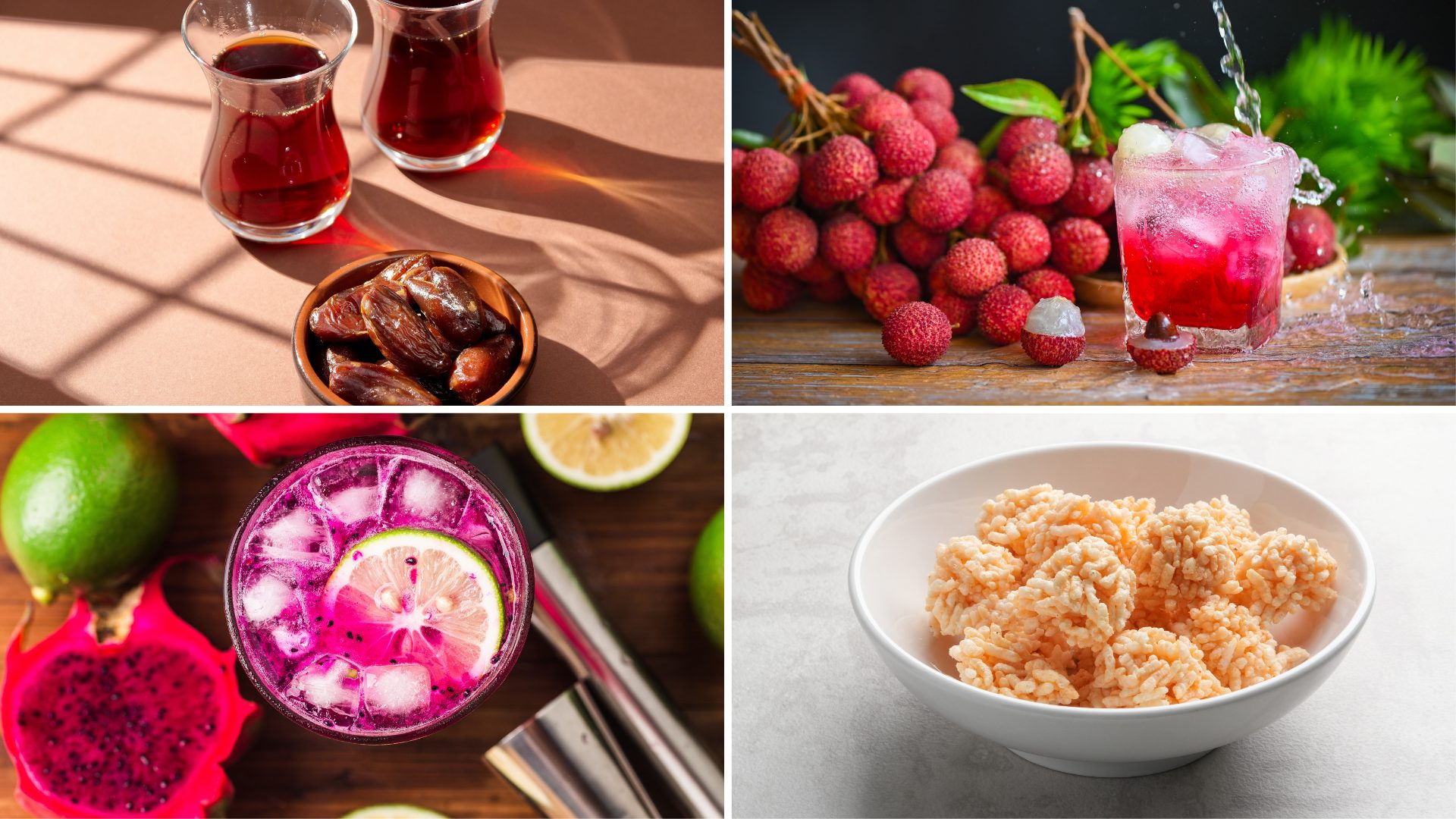
Daddl and Smood Sweets are candy-coating dates for mainstream appeal. Tamar is blending dates into coffee. Datefix offers single-serve medjool dates infused with orange blossom water. The positioning is clever: all the indulgence of candy with the clean-label appeal of whole fruit.
Konbini Culture Comes to Functional Beverages
The bright, nostalgic fruit flavors of Japanese and Korean convenience stores – known as konbini – are inspiring a new wave of functional drinks. Think lychee, melon, concord grape, and soursop: flavors that evoke late-night snack runs in Tokyo or Seoul.
Kace Fruit Tea features passion fruit lychee. Liquid IV has launched a lychee hydration mix. Bitte offers soursop bitter shots. These products tap into a specific kind of nostalgia – one rooted in travel, anime culture, and the global rise of Asian food trends.
Water Gets an Elegant Upgrade
Hydration is evolving beyond electrolytes and into the realm of sophistication. A new class of premium waters is emerging, infused with unexpected botanicals and packaged in sustainable glass.
Cinnamon Water offers a warming, aromatic twist. Check Check introduces adzuki rice water. Everflora combines osmanthus and peach for a floral still water. The aesthetic is elevated, the ingredients are refined, and the message is clear: hydration can be an experience.
Nostalgic Treats Get a Functional Makeover
Childhood comfort foods are being reimagined with modern, better-for-you ingredients. The result is a wave of products that satisfy emotional cravings while delivering functional benefits.
Mojave Mallows offers gourmet dipped marshmallows. Wonder Monday delivers high-protein, gluten-free cheesecake. B.T.R Nation and Lil Bucks are reinventing the crispy rice treat with superfoods and sprouted ingredients. Lasso turns the gelatin cup into a 10-gram protein, 5-gram prebiotic fiber snack.
It’s indulgence without the guilt trip – and it’s resonating.
Ingestible Beauty Goes Mainstream
The “beauty from within” movement continues to mature, with collagen, hyaluronic acid, and other skin-supporting ingredients appearing in everyday food and beverage formats.
Greater Than targets women with beauty-focused hydration. Glow Beauty Fuel packs daily beauty supplements into a collagen protein bar. JUGO Beauty + Superfoods combines hyaluronic acid and collagen peptides. Healthee offers a collagen protein latte targeting skin, hair, nails, and joints.
As the lines between beauty and nutrition blur, expect this category to expand significantly.
Blue Tide Superfood: The Erewhon Effect
The cultural influence of Erewhon’s viral blue spirulina smoothie continues to ripple through the industry. Sea moss and blue spirulina are now appearing in formats far beyond the smoothie bar.
Oomee offers a marine plant beverage with “seabiotics.” Kuli delivers sea moss and blue spirulina in gummy form. The appeal is both visual and functional – these ocean-derived ingredients signal vitality, wellness, and a certain aspirational lifestyle.
On the Horizon: Postbiotics and Longevity
Two emerging benefit areas are worth watching closely.
Postbiotics – the metabolic byproducts of probiotics – are beginning to appear on labels, with brands like Cheerpop touting a prebiotic, probiotic, and postbiotic soda. As gut health education evolves, postbiotics may become the next major functional claim.
Longevity is also gaining traction as a positioning strategy, with brands like Sunny Within explicitly targeting consumers interested in extending healthspan. As the wellness conversation shifts from weight loss to long-term vitality, longevity-focused formulations could define the next era of functional food.
This year’s trends highlighted at Expo West reveal a consumer who refuses to compromise. They want transparency and indulgence. Function and flavor. Nostalgia and innovation.
The brands winning in this environment are those stacking benefits, honoring traditional ingredients, and meeting consumers in culturally relevant ways – whether that’s through the familiar comfort of a crispy treat or the candy-bright flavors of a Tokyo 7-Eleven.
For food and beverage manufacturers, the takeaway is clear: the future belongs to products that deliver on multiple fronts without sacrificing trust, taste, or experience.
About the authors: Joseph Chen leads Leo & Dragon, an independent insights management consultancy which provides foresight, insight, and market researching services to clients in retail, food & beverage, food service as well as beauty and apparel…. Sunny Khamkar is the CEO of MenuData, which aims to empower the world’s largest food & beverage companies with innovation through AI.
The Food Institute Podcast
his Episode is Sponsored by: CBIZ
While many food industry professionals were hoping that the Supreme Court ruling on tariffs would elucidate the current global trade environment, it appears that it may have added more uncertainty than before. CBIZ’s Lou Biscotti and Mark Baran, and former Customs expert Michael Contino, all join The Food Institute Podcast to provide clarity and actionable insights.