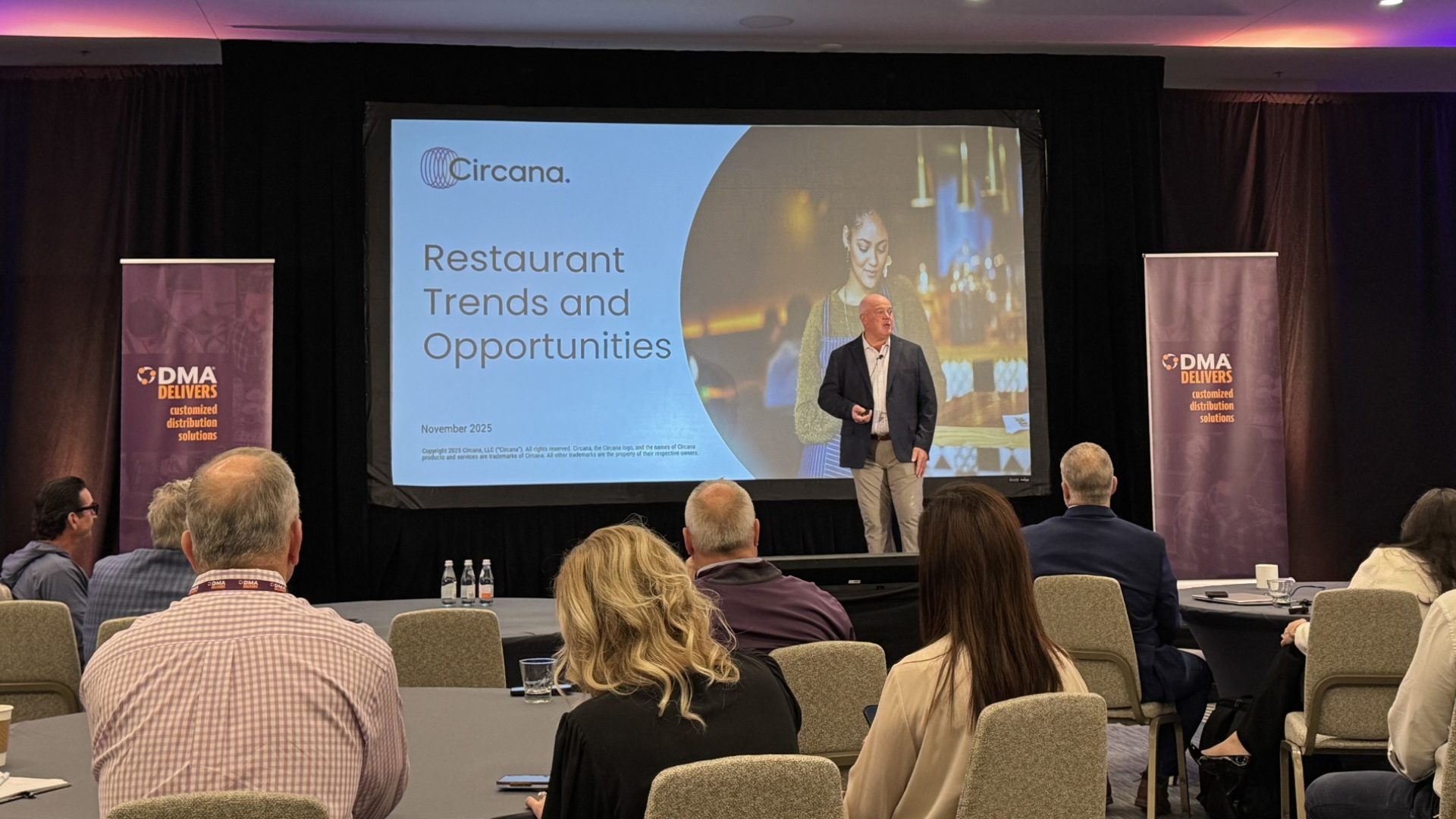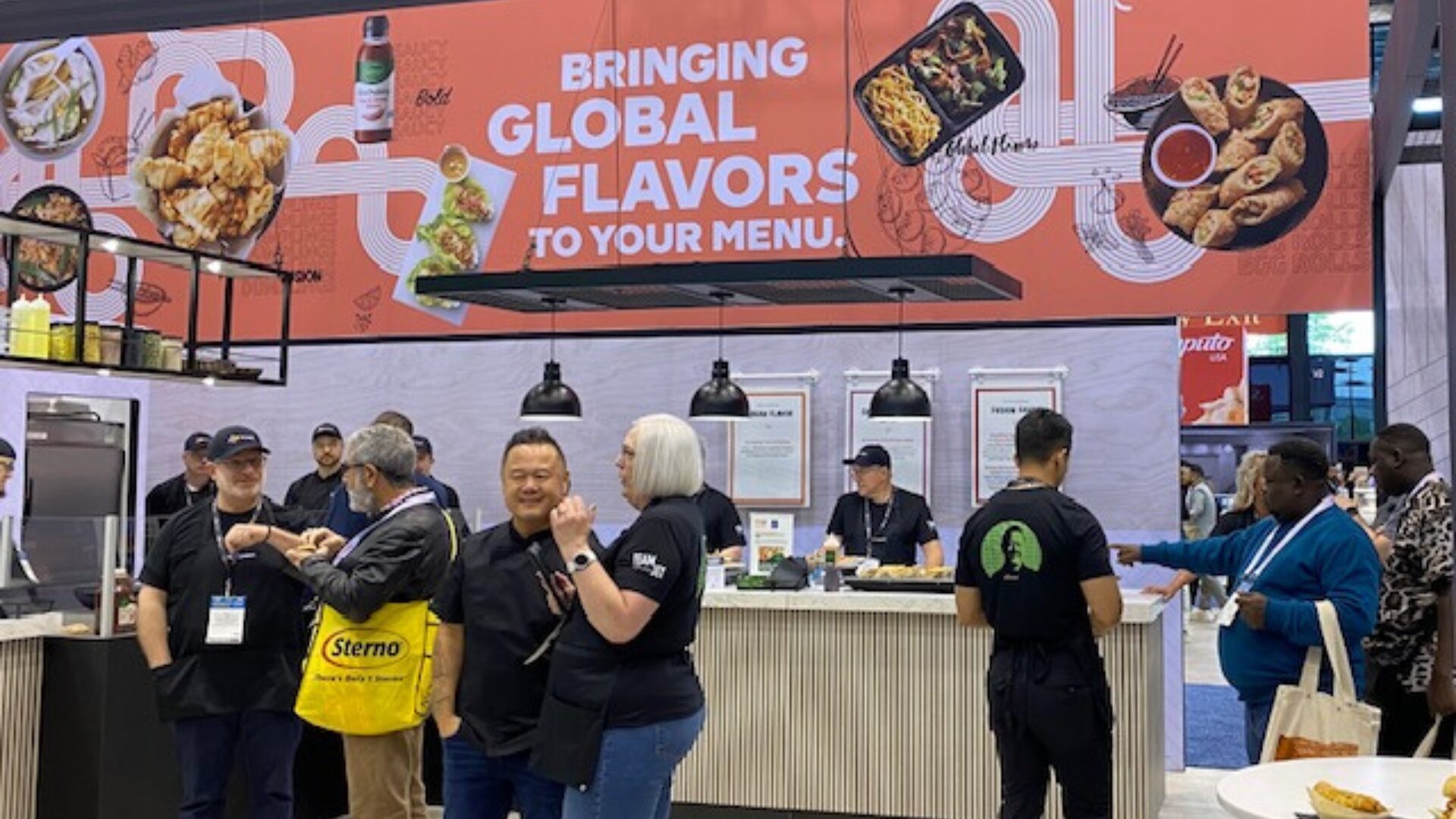
SAN ANTONIO – Foodservice distributors, manufacturers, operators, and insights teams gathered at the InterContinental San Antonio Riverwalk Nov. 18-20, for Distribution Market Advantage’s 2025 Fall Conference. At the event, presentations and panel discussions focused on …
GLP-1 drugs are reshaping consumer habits, pushing food makers and restaurants to rethink portions, menus, and indulgence. Circana forecasts lasting demand for protein-rich, wellness-focused options as health-conscious behaviors persist even beyond GLP-1 use.
The latest FI Fast Break news podcast touches on the growing list of restaurant chains and operating groups that have filed for bankruptcy.
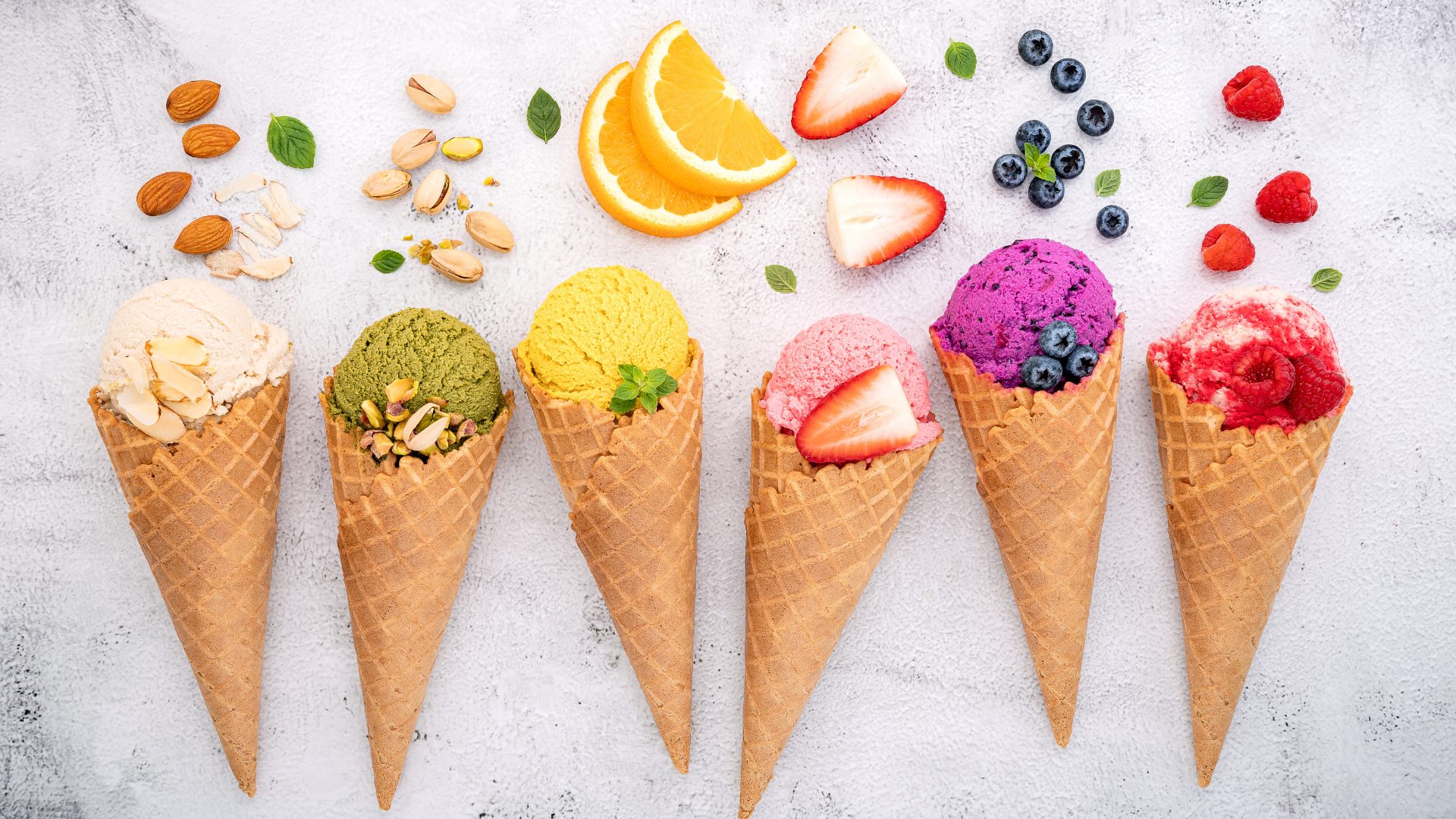
Plant-based brands, unique textures, and bold global flavors are reshaping the ice cream category. As billion-dollar deals churn, brands are focused on innovation in a competitive, sensory-driven market.
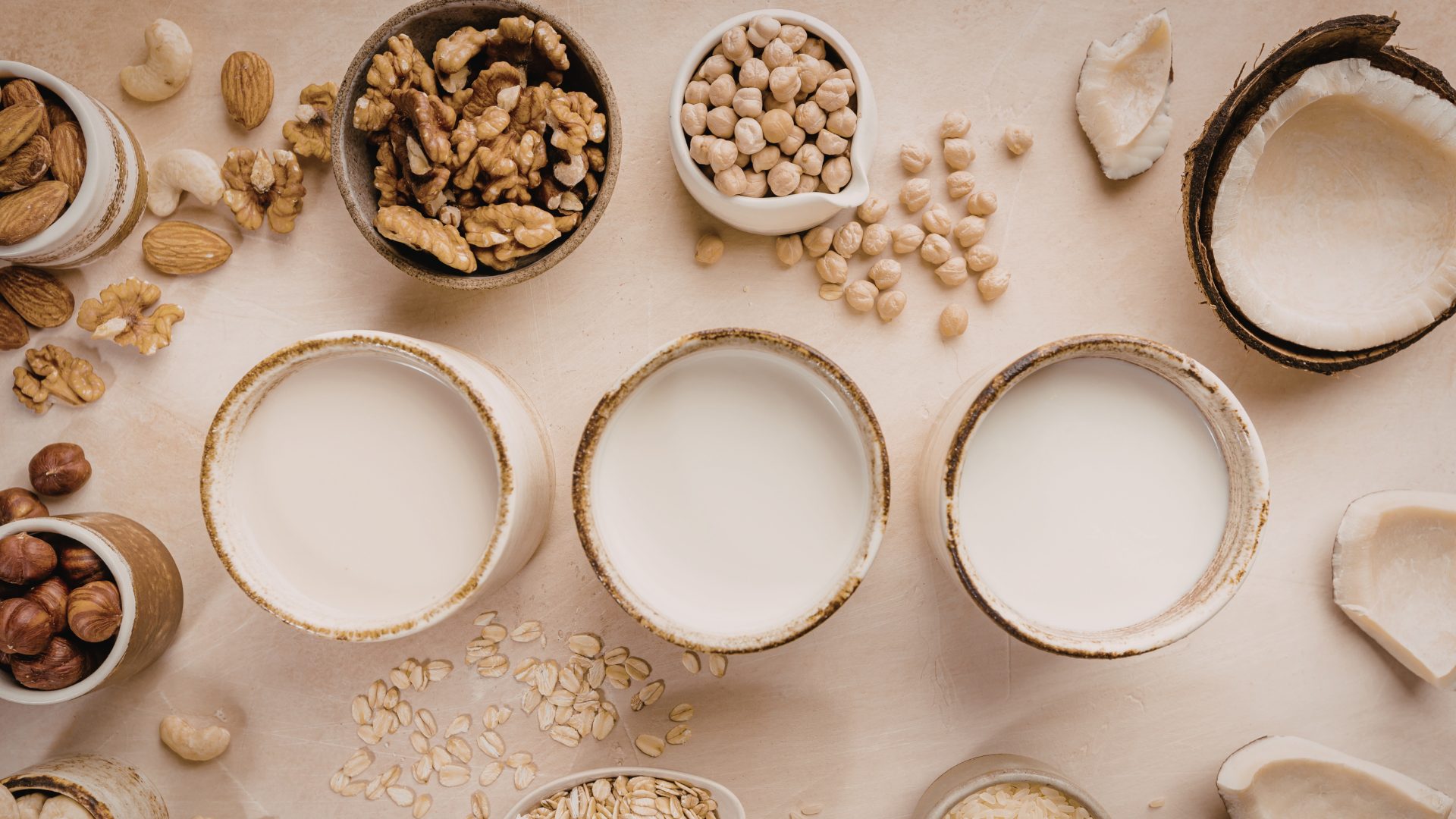
Now that the plant-based market has matured, it must contend with many of the same problems as the meat industry, including eking out margins as consumers tighten their wallets. However, dairy alternatives continue to be a bright spot for the sector.
Gen Alpha is redefining brand loyalty through flavor exploration, social rituals, and sensory-driven snacks. Food brands that spark chatter and embrace kid-centric culture are winning hearts, along with future market share.
As diners tighten their belts, value-driven promotions and loyalty perks are proving key to filling restaurant seats. With rising costs and waning confidence, restaurants must deliver far more than just a meal.
Kelley Blue Book’s “Fork in the Road” guide spotlights the top car-friendly fast-food picks for mess-free mobile dining. Boneless bites are on the rise, highlighting shifting consumer preferences in QSR innovation.
Mintel’s 2026 forecast urges brands to embrace empowered aging, algorithm-free authenticity, and affection-driven design. Food leaders can tap into these shifts to craft experiences that nourish identity, connection, and purpose.
Gen Xers may represent the “forgotten generation,” but their loyalty, functionality-first mindset, and $39 trillion inheritance make them a retail force. Ignore their evolving wellness habits and omnichannel expectations at your brand’s peril.
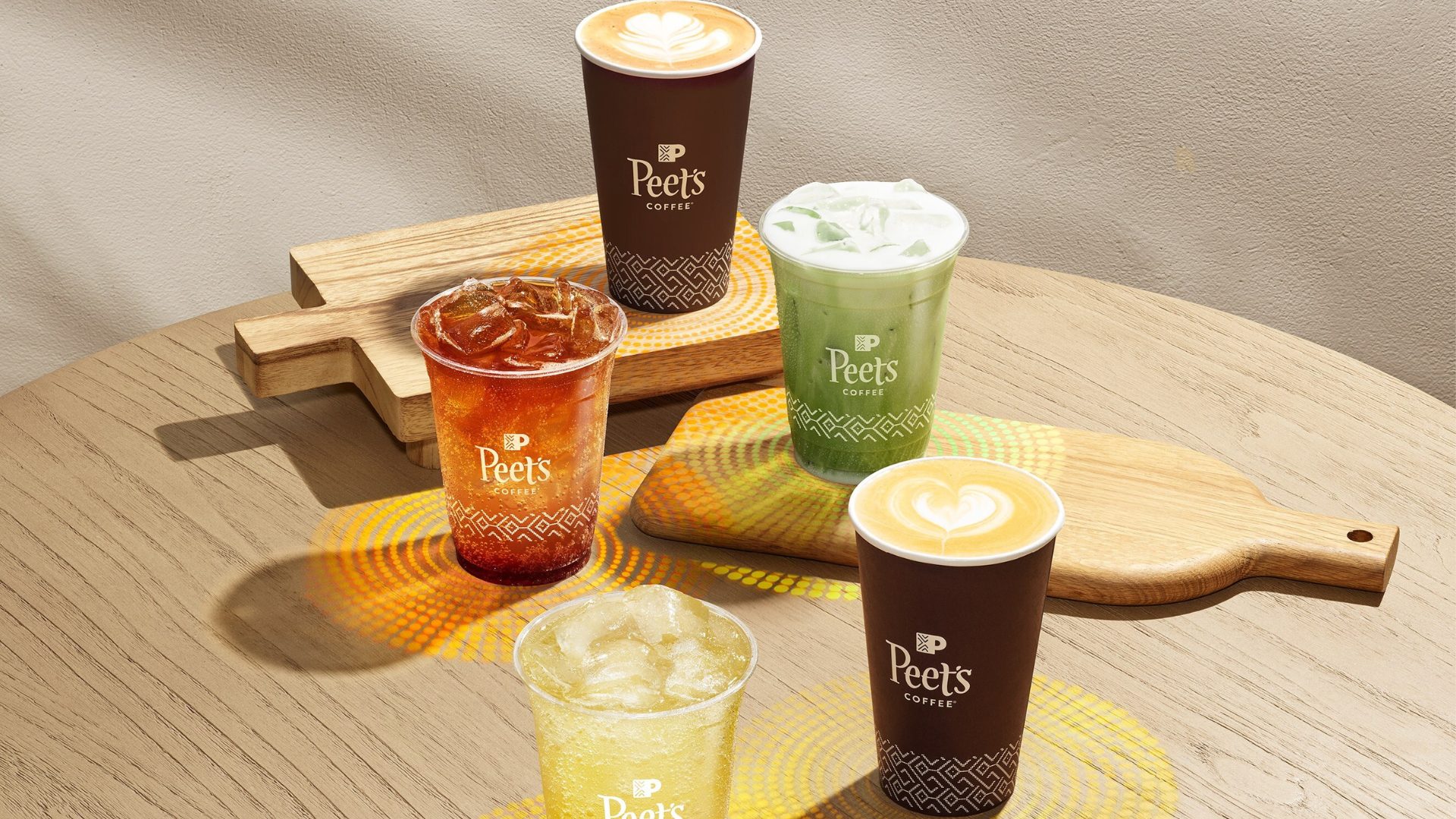
Peet’s tops craveability rankings as consumers seek quality, innovation, and value in a $58.5 billion café market. From cardamom lattes to celebrity collabs, chains are brewing bold strategies to win loyalty amid rising prices.
Despite soaring cocoa prices and shifting consumer budgets, Halloween candy sales are anything but scary. Non-chocolate confections and TikTok-fueled innovations are keeping the sweet season alive, even as chocolate feels the squeeze.
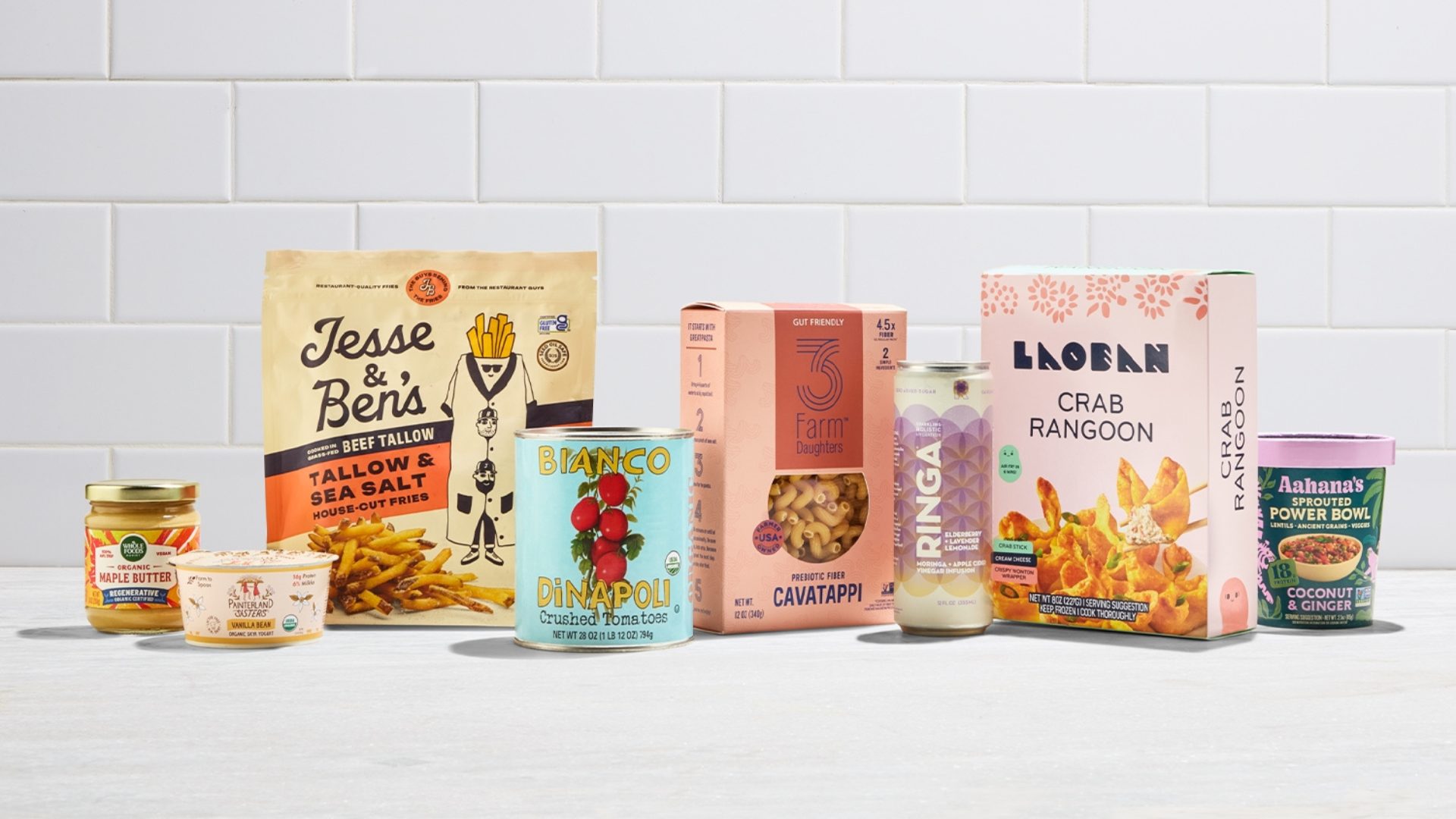
The Whole Foods Trend Council has been busy this year understanding the forces driving consumer behavior. They found that minimally processed foods that simplify the grocery experience while packing a punch will reach new heights in 2026.
Heavy soda — an ultra-sweet, syrup-heavy twist on fountain drinks — is gaining viral traction and nostalgic appeal. With minimal operational lift, it offers high-margin potential and Gen Z buzz for savvy beverage retailers.
Millennials and Gen Z are often ditching traditional pill bottles, instead opting for functional foods that blend wellness with daily routines. Brands that deliver science-backed, snackable nutrition are winning over younger consumers.
Inflation, cocoa chaos, and Ozempic-fueled appetite shifts have battered Hershey and Mondelez, but investors still believe in their near-term outlook. A merger may be the lifeline that turns things around.
Specialty cheese challengers are surging, outpacing legacy brands with innovation and indulgent appeal as the market nears $41.1 billion. Consumers are trading up for emotional satisfaction, fueling growth in premium formats and adventurous milk blends.
Honeycrisp apple prices have surged 160% amid crop shortages, rising labor costs, and limited imports. Retailers are pivoting to Cosmic Crisp, frozen produce, and private labels as shoppers seek relief from premium fruit sticker shock.
Conagra’s stock plunge reveals deep investor doubts about the packaged food sector’s ability to navigate inflation, tariffs, and margin pressure. With volume and pricing power eroding, the industry may be facing a new, uncomfortable normal.
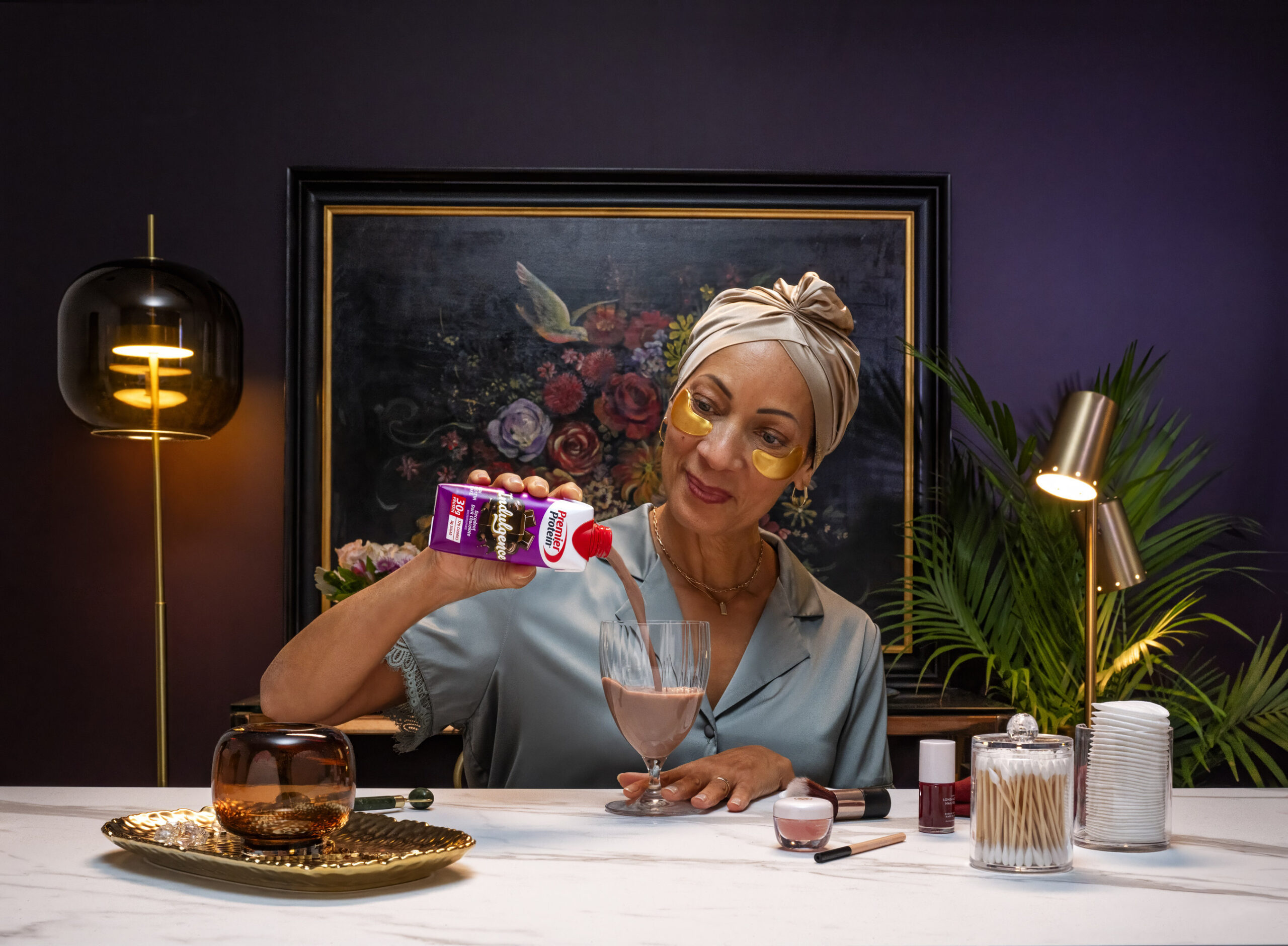
Amazon Prime Day 2025 smashed records with over $24 billion in sales, fueled by influencer-led campaigns and F&B category dominance. Grocery deals drove traffic, while Premier Protein Shakes emerged as the event’s MVP.
Legacy chains like Chick-fil-A are seeing customer satisfaction scores hold even as growth slows, opening doors for challenger QSRs. Meanwhile, full-service dining has largely stumbled amid rising prices.
Baby Boomers offer restaurants a loyal customer who tends to be more resilient compared to younger cohorts. Contrary to popular belief, data suggests that this cohort is excited by innovative dishes, particularly those that invoke nostalgia, comfort, or function.
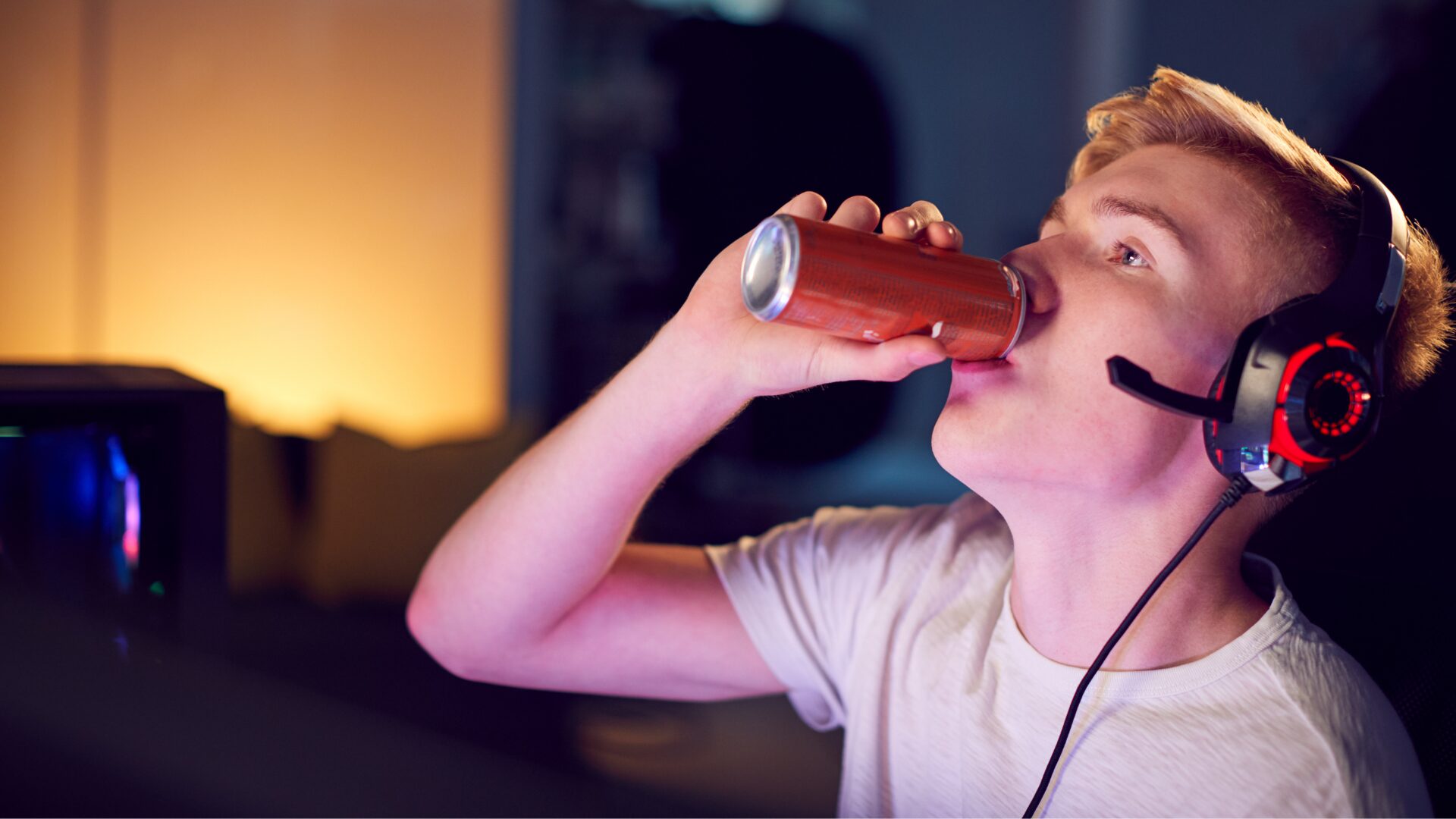
Energy drinks hit turbulence in 2024, with Celsius and Monster both facing unexpected sales slowdowns. While stock prices have rebounded, lingering consumer uncertainty raises questions about the sector’s long-term prospects.
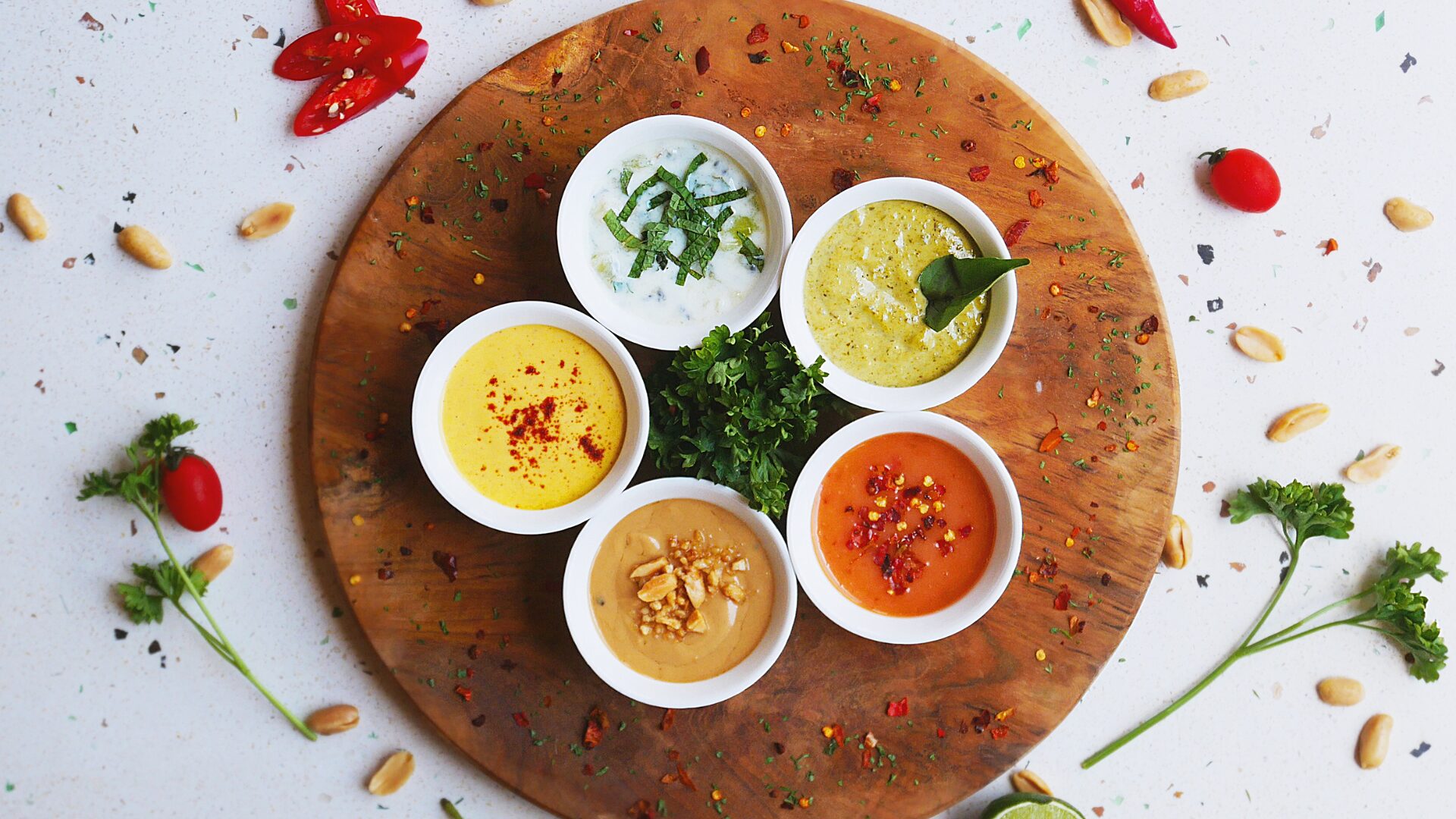
Sauces are no longer just a sidekick – they’re driving one of 2025’s biggest food trends, blending bold flavors with convenience and versatility. Food businesses that embrace this shift can captivate consumers and boost sales, according to both chefs and CEOs.
Peach-enhanced menu items are growing in popularity, now on 19.8% of foodservice menus, according to one report. The fruit has found its stride in beverage innovation, with legacy brands experimenting with the flavor.
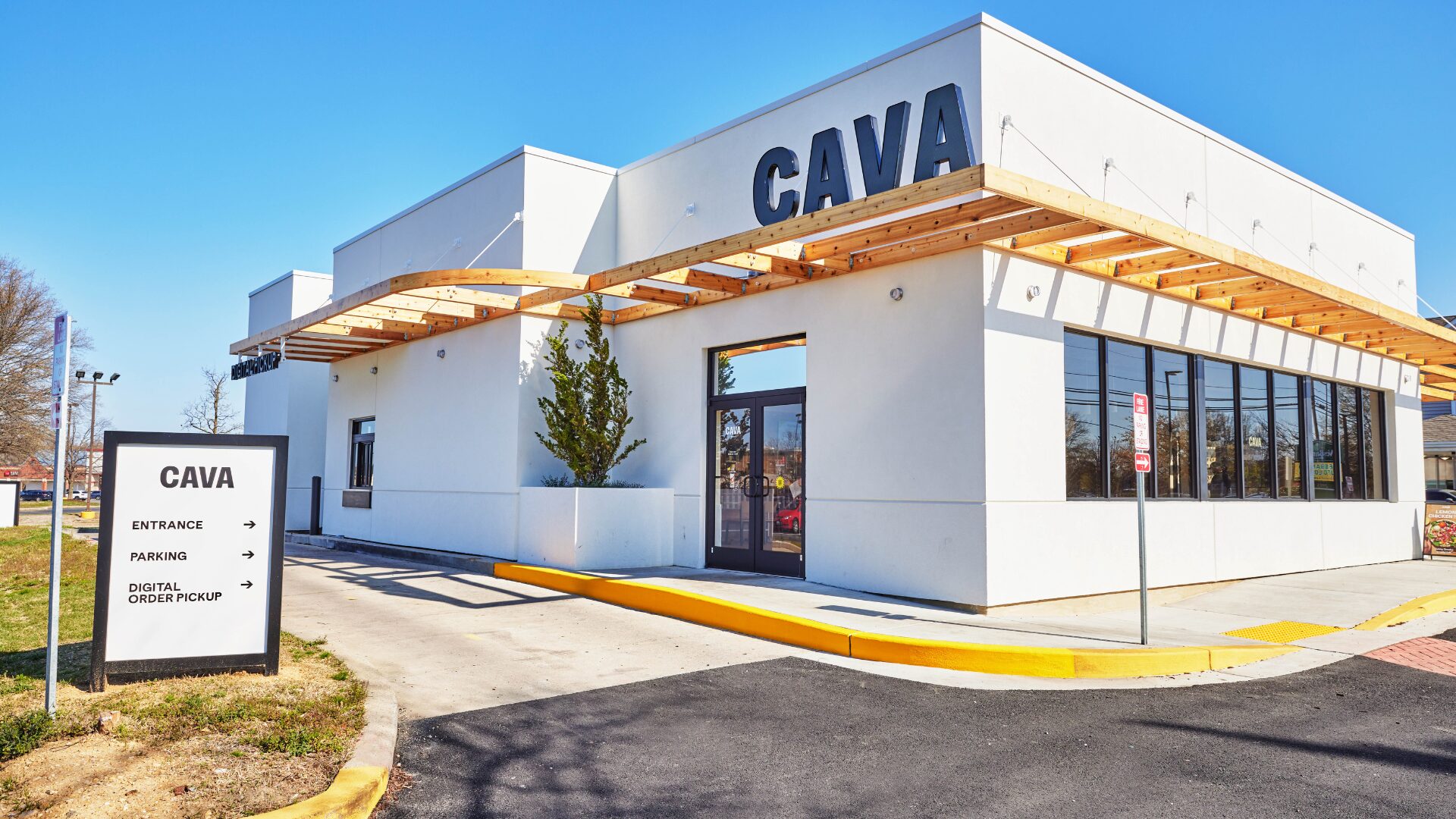
Despite rising costs, 2025 is shaping up to be a fairly strong year for many restaurant chains, with top players like Cava and Chick-fil-A thriving by mastering efficiency, marketing, and customer experience. The smartest brands are pricing strategically and leveraging technology to drive success.
Despite wage gains, food inflation continues to outpace earnings, leaving consumers increasingly anxious about grocery costs. Meanwhile, new tariffs threaten to disrupt the food industry, with stakeholders bracing for volatile pricing and potential shifts in shopper loyalty.
Gen Alpha’s distinct food and beverage preferences, coupled with its astonishing $5.5 trillion global market share by 2029, shape it up to drive a sustained impact on the food and beverage industry. Learn about why some are calling them “the foodie generation.”
Casual-dining stocks have significantly outperformed the market over the past three years, with Brinker International especially posting eye-opening returns, while chains such as Applebee’s continue to struggle. Clearly, consumers are rewarding brands that offer differentiated experiences.
Diageo, the spirits giant, is shifting its long-standing strategy by selectively selling off brands. The industry is watching closely to see whether this pivot will strengthen Diageo’s future or mirror the struggles of American food conglomerates.
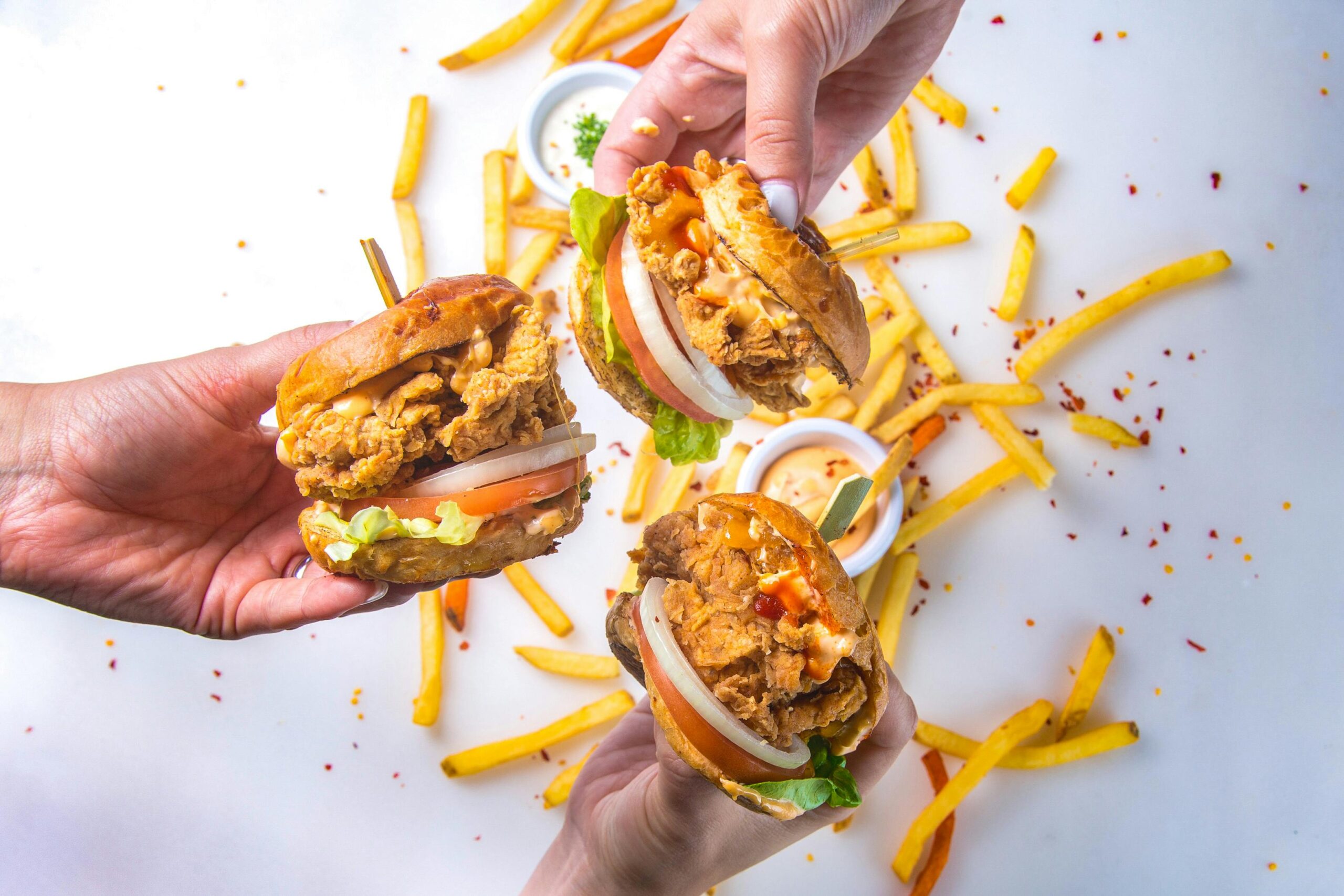
Fusion-driven Korean entrees, cleaner frying oils, and multi-textured beverages were a few underrated trends on display at the recent NRA Show. From indulgent Gochujang Fried Chicken Sliders to Noli Fruit Oil’s eco-conscious frying solution and TikTok-worthy Fiery Dill Pickle Lemonade, brands tapped into recent trends.
By 2050, the average consumer’s diet will look much different than today, shaped by AI, sustainability, and ethically sourced ingredients. Experts predict that ancient grains, fermented foods, and berries will land on consumers’ plates far more frequently in the future.
Target has struggled to define a unique place in its market, watching rivals like Walmart and Costco capitalize on growth opportunities while its own stock and sales falter. Target’s leadership now faces a critical moment to convince investors that it can once again turn challenges into triumphs.
The “Return to Real” trend signals a growing consumer shift toward authenticity–favoring simple, transparent ingredients and tangible, in-person experiences over hyper-enhanced, tech-driven products. For food industry leaders, this presents a chance to embrace nostalgia, highlight natural ingredients, and rethink marketing strategies to align with consumers’ craving for genuine connection.