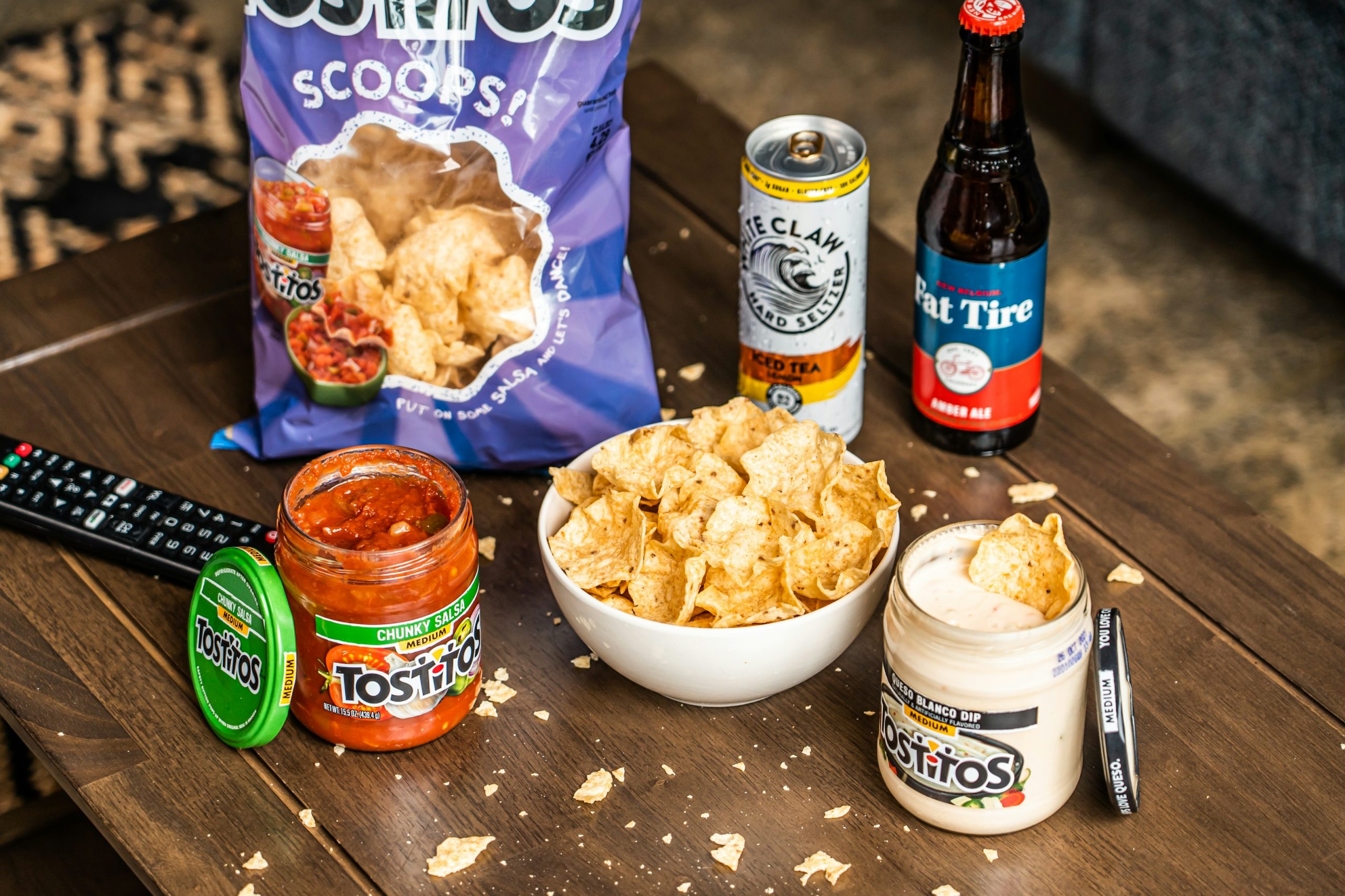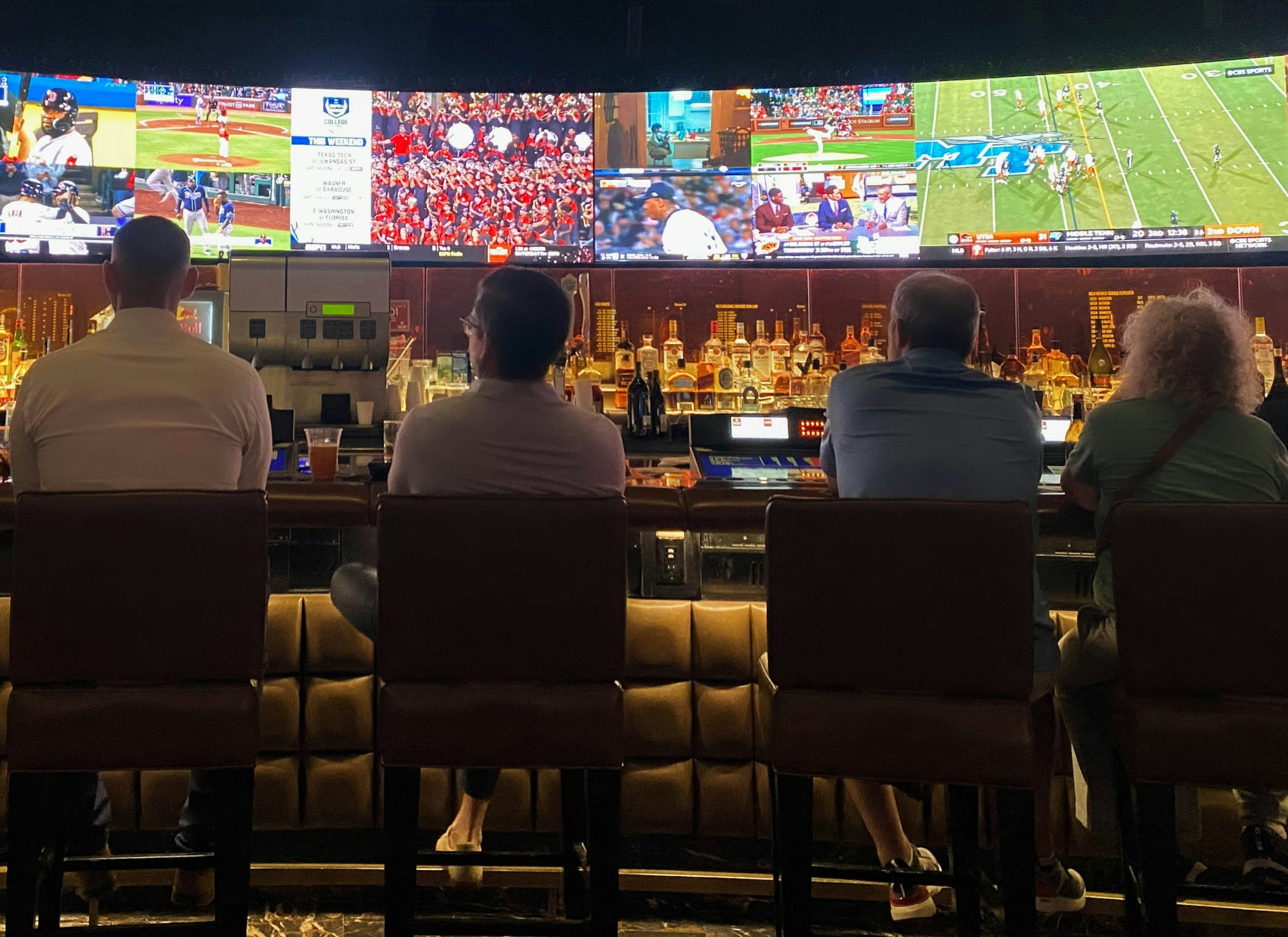
 Though he spends his days working within the financial industry and serving as a strategic partner to restaurant owners and operators, Mark Wasilefsky sounds like a coach as Super Bowl Sunday nears. “It’s something you can attack. It’s an opportunity,” he said, in reference to one of America’s biggest days for food consumption.
Wasilefsky, the Head of Restaurant and Franchise Finance at TD Bank, wants operators to score big during eagerly anticipated events like Super Bowl Sunday.
“The thing about the Super Bowl that’s extremely advantageous is it’s long; people get together at 3 p.m. and the game doesn’t start until 6:30 p.m. Eastern Time,” Wasilefsky said. “So, you have a lot of time for people to spend and to eat a lot of food. That’s a critical aspect of it.”
The key, as he sees it, is for operators to prepare like the NFL’s Vince Lombardi Trophy is on the line. Champions aren’t made overnight, and successful restaurants are no different.
When it comes to Super Bowl Sunday, Valentine’s Day, or March Madness, LTO gameday bundles and occasion-based pricing play a key role for restaurants – especially during an inflationary period, when consumers are clutching tightly to their wallets.
Below, Wasilefsky explains how he has seen franchises leverage LTO gameday bundles and occasion-based pricing to win over consumers.
Q (from The Food Institute): First off, how price-conscious are American diners in 2026?
A (Mark Wasilefsky): People are value conscious. They want value. And that’s the challenge right now for restaurants – creating value at a more competitive price point.
Consumers’ ability to compare restaurants has never been greater. It’s very transparent these days; on one app you can look up 50 different restaurants. People like to feel like they’re getting good value for the money, and that’s the challenge these days. That’s how I see the market right now. The competition is fierce.
Q: What data should operators study to determine which occasions are worth building pricing strategies around?
A: Look at pre-sales. I’d look to book people as early as possible so that I understand my inventory needs, my staffing needs, and everything else I need. The supply chain is pretty efficient these days, but you can’t call your burger provider the day before the Super Bowl and say “Oh man, I didn’t order enough.”
You should look at your margins, break the day out, and look at your variable costs that day; What was your labor? What were your inventory costs? What were your costs for paper goods and supplies? Did you have enough food? Did you have too much food? If you do this for two, three, or four years you’re going to get better at it every year.
Q: Which restaurants tend to have the most success leveraging LTO game-day bundles?
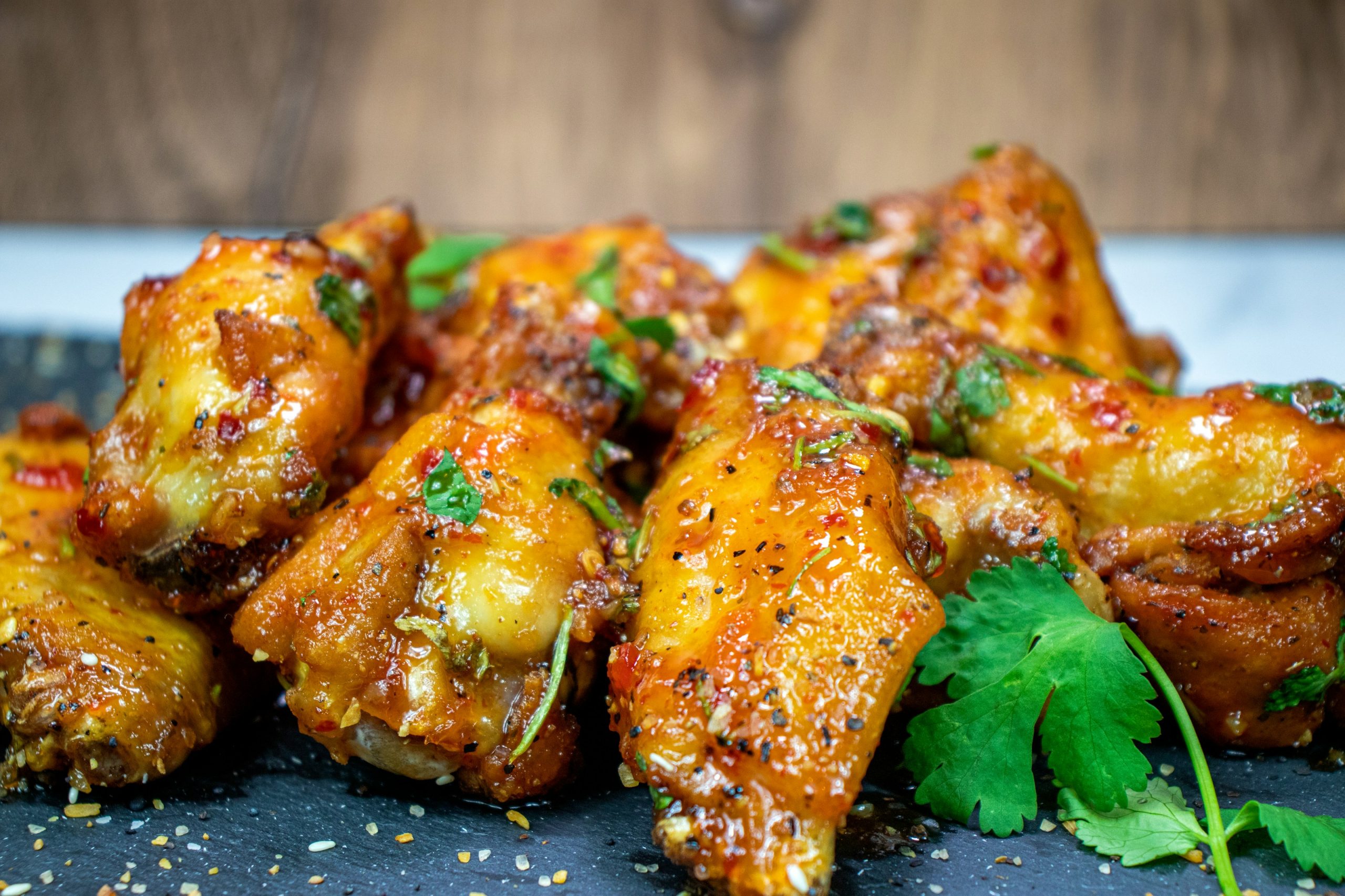
A: For starters, it’s a lot easier to deliver 50 boneless hot wings to somebody than it is to deliver a falafel platter. As far as brands that are doing well, I think Applebee’s does a great job. They have their advertisements in the right place. They’ve done an excellent job with their delivery capabilities and their digital platform, and their food travels well.
Any restaurant that delivers chicken wings, sandwiches, or things of that nature are naturally going to be adept at this, as well as anyone set up for catering. Restaurants that are used to making scale deliveries are best prepared.
Q: Which restaurants tend to have the most success utilizing occasion-based pricing?
A: If you’re looking at the restaurants who are doing occasion-based pricing initiatives, it’s Applebee’s, it’s Wingstop, it’s Buffalo Wild Wings, it’s Chipotle.
And we can’t ignore pizza. Pizza has struggled for years, but Super Bowl Sunday is Christmas Day for pizza places. Given the margins for pizza, it’s pretty easy to do a two-for-one deal, or a half-off deal.
Q: How are brands balancing elements like ingredient cost and perceived value when creating gameday bundles?
A: It’s a fairly simple math equation. They can certainly handle it. It’s only one day. It’s a very specific opportunity, and I think the brands that do it best are the ones that provide perceived value and deliver a good product.
Also, the restaurants that do pre-sales typically are better prepared to deal with these occasions and make money off them. It’s always good to get the orders up front and get the cash up front. That way, you can prepare – instead of waiting for the phone to ring off the hook on Sunday at 4 o’clock.
Do you expect value-driven LTOs to be a temporary response to inflation, or are they now a permanent franchise strategy?
A: The LTO is somewhere in the middle of your standard menu and your value meal. The issue with the LTO is, unless you’re Taco Bell – who manages to come up with something brilliant every week or so – it’s more difficult for some of the other concepts. But I think LTOs are here to stay. With the digital aspect and the social media aspect of it, you still have to have creativity. If it’s a SpongeBob SquarePants meal or if it’s Cardi B and you tie these meals to people, it’s usually successful. It gives the brand the ability to be successful and try new stuff. I don’t think you’re going to see the LTO trend changing. I think LTOs are critical to drive sales.
TD Bank’s Restaurant Finance Group covers the U.S. and provides banking services to restaurants, including franchises and larger independents. The expert team provides solutions to non-sponsor and sponsored transactions through bilateral and syndicated solutions.