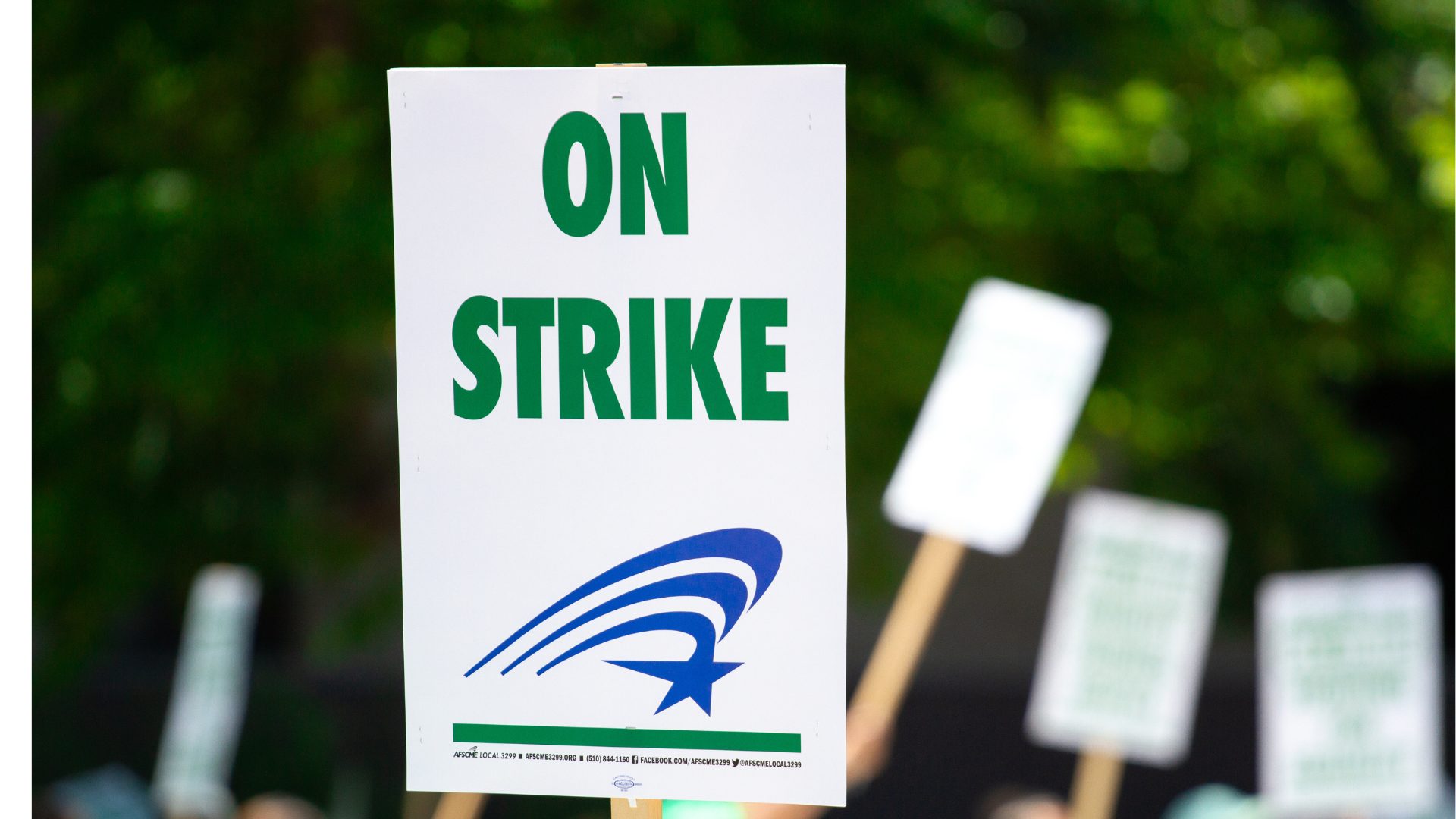
In 2025, strikes affected 12,500 foodservice workers, with notable companies including Starbucks and Kroger, according to the Bureau of Labor Statistics. Although walkouts in 2025 were down 23% from 2024, which cost the food industry $145.9 million, strikes have continued to persist in 2026.
Earlier this month, Starbucks’ unionized workers in New York City returned to work. But in Philadelphia and Seattle, workers are still waiting for fair negotiations, after nearly three months of strikes across 85 locations nationwide. This comes after the news in December of a $35 million settlement to Starbucks workers in New York City, after the company violated the city’s Fair Workweek Law.
Strikes Spread Amid Labor Tensions
Across the nation, stoppages are happening with motivations ranging from stalled negotiations and proper compensation to health and safety concerns.
In Omaha, Premier Midwest Beer and Beverage drivers have been striking for weeks, reported WOWT, with local bars avoiding crossing the picket line by boycotting products until the strike ends.
“Strikes happen for many reasons, often related to wages, hours, and working conditions, including pay, scheduling, staffing levels, and workplace safety concerns. Together, those are generally referred to as economic strikes,” Dr. Todd Vachon, director, Labor Education Action Research Network (LEARN), told The Food Institute. “A second type of strike is an unfair labor practice strike, when workers go on strike because they feel the employer has violated labor law, and they are seeking a remedy.”
This month, in Greeley, Colorado, almost 3,800 workers at a JBS meatpacking plant are set to strike – with a walkout plan to be made “at a later date” – reported Just Food, after the UFCW Local 7 Union filed multiple unfair labor practices during bargaining.
Some strikes are open-ended, meaning the workers stop operations and refuse to return to work until their demands are met or some compromise is reached regarding the demands,” Dr. Vachon noted. Other strikes are set with clear start and end points.
“In service-facing industries, such as food and beverage, customer perception can be a real point of leverage for striking workers.” Dr. Vachon said.

How F&B Leaders Can Prevent Further Strikes
But there are steps that company leaders can take to ensure happy employees and prevent unrest.
According to Labor & Employment law firm Conn Maciel Carey LLP, offering competitive compensation and addressing wellness and safety concerns are crucial to ensuring employees’ needs are met. Additionally, leadership style matters, and a collaborative approach to labor issues could be the key to a healthy employee-employer relationship, Forbes noted. Trust is a significant factor in determining workplace wellbeing.
Last but certainly not least, “take concerns and demands seriously,” urged Dr. Vachon. This can save both parties time, disruption, and economic cost.
If internal company efforts fail to produce a solution and a union is formed, “sit down and bargain in good faith. Don’t violate labor law,” Dr. Vachon said.
At the end of the day, keep in mind that most workers want to meaningfully contribute to your company.
Food for Thought Leadership
In this episode, The Food Institute sits down with William Grand, founder and CEO of NutriFusion, to examine the growing health crisis tied to ultra-processed foods—and what it will take to fix it.