By now, you’ve heard – ad nauseum – about Gen Z consumers’ growing influence. You know that millennial parents generally boast noteworthy spending power. What you might not realize is that Baby Boomers, for the most part, continue to boast unrivaled wealth.
According to Investopedia, Baby Boomers control more than half of all U.S. household wealth –$88.5 trillion in 2025.
“Ignoring Boomers’ $230 billion annual consumer spending on CPG is a failure to launch,” said Steve Morris, CEO of NEWMEDIA.com.
Additionally, it’s worth noting that, in 2025, an estimated 124.4 million American adults were aged 50 and older, as noted by IFT. Another noteworthy statistic: Baby Boomers – those between the ages of 62 and 80 – are 4 percentage points more loyal as consumers than the general population, as Morris noted.
So, when manufacturing products, engineering menus, or creating marketing messages, the food industry simply can’t afford to ignore Baby Boomers.
“Many brands over-index on Gen Z and millennials while overlooking Boomers’ significant spending power and loyalty,” Sawsan Abublan, CEO of Shawarma Press, told The Food Institute.
“Once (Baby Boomers) are won over, they’re consistent and influential. Ignoring them is a missed opportunity.”
Even in the current inflationary environment, senior citizens continue to dine out regularly, display a clear appreciation for quality, and are more likely than other generations to become repeat customers.
“They’re not chasing trends,” Morris said of Baby Boomers. “They want you to reflect who they feel (they are) on the inside: energetic, social, and capable.”

F&B brands looking to connect with Baby Boomers should consider the noteworthy traits of the cohort. Industry experts say the following are the defining characteristics of older consumers these days:
Health Focused
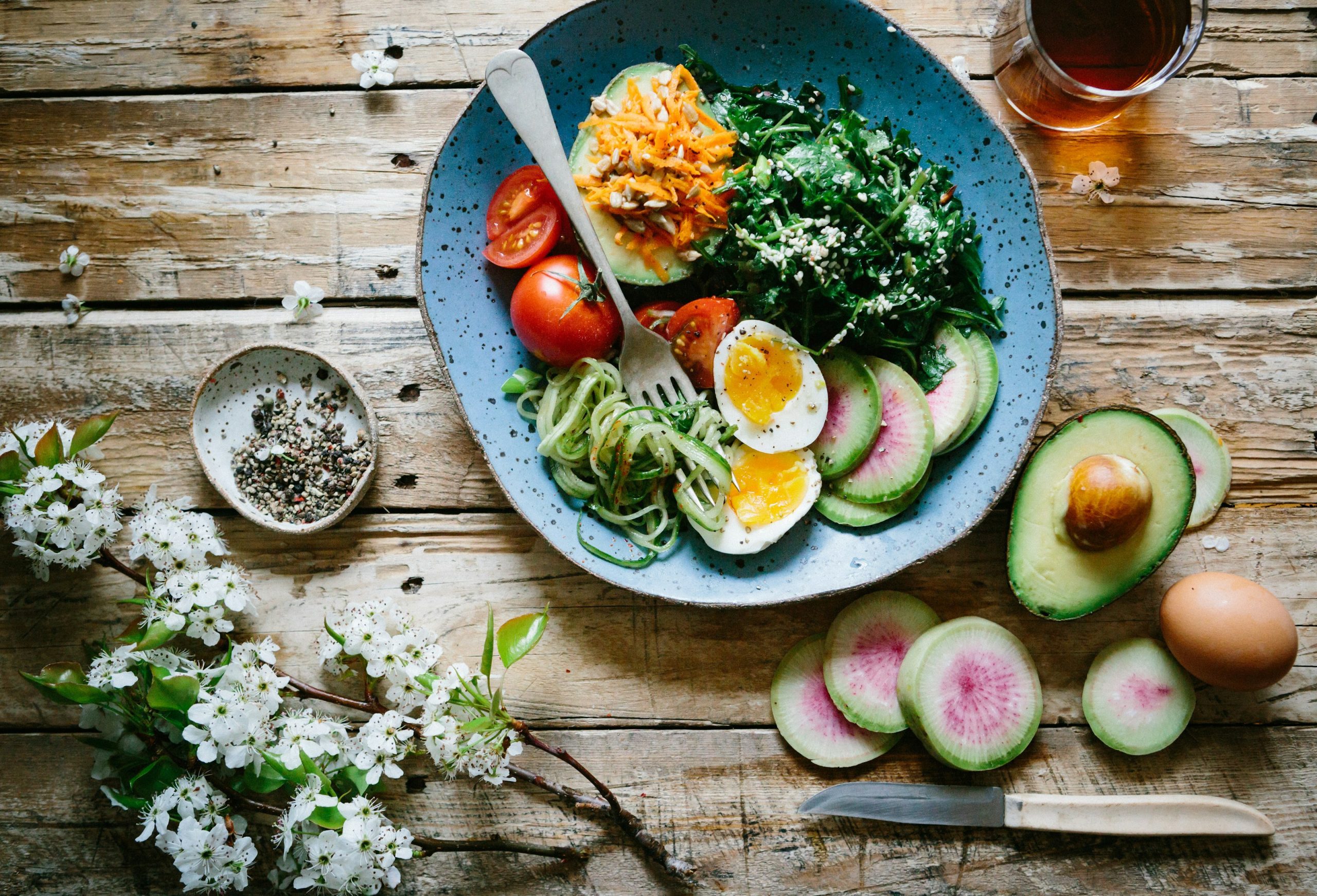
Consumers who have reached retirement age are paying close attention to ingredients, portion balance, and how food makes them feel. According to research by HealthFocus International, half of older adults seek low-sugar and low-salt snacks, 44% seek high-protein and high-fiber products, and 43% are very or extremely interested in functional foods.
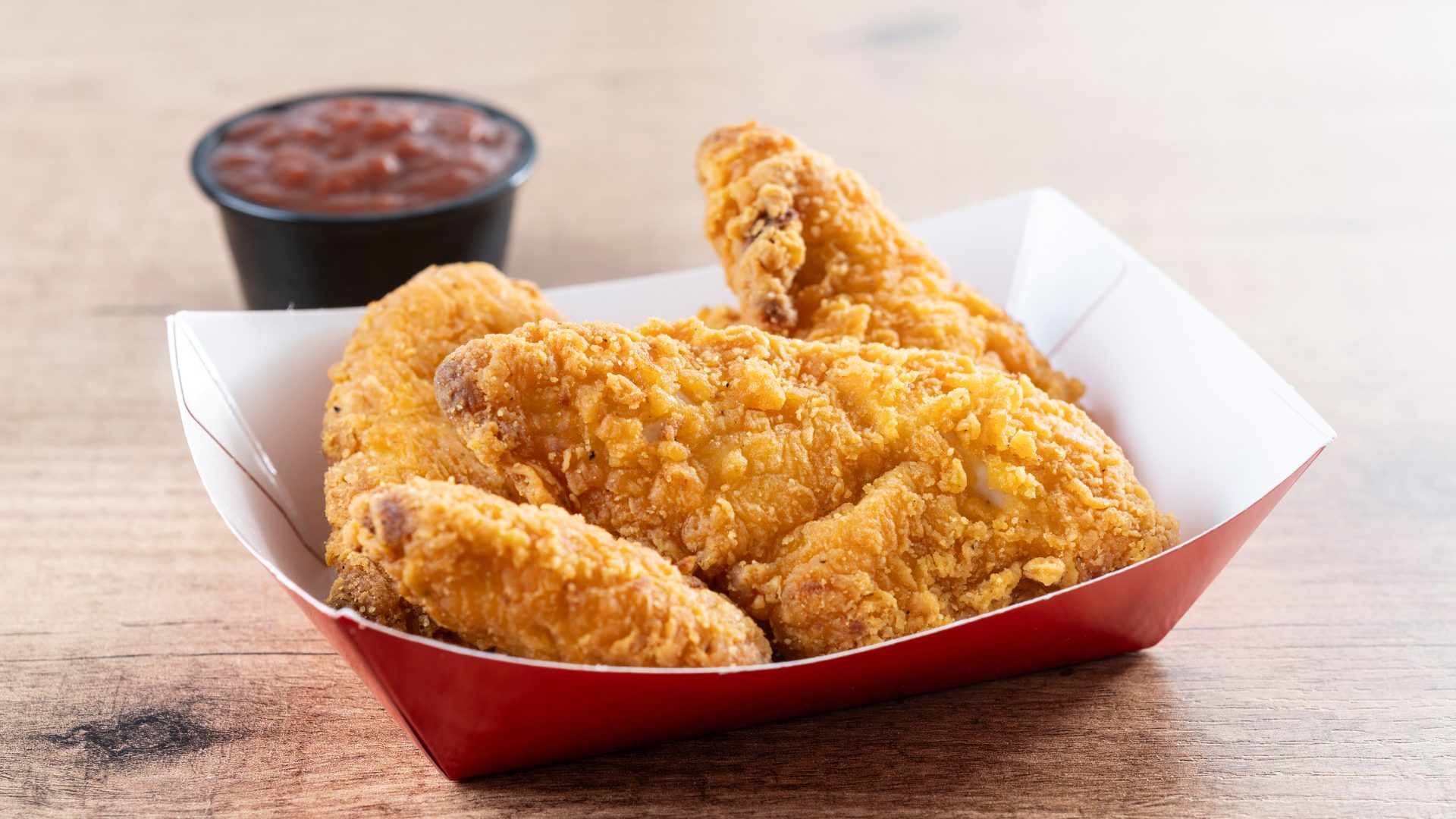
“Boomers tend to look for practical health cues rather than buzz words,” Abublan noted. “They respond well to claims like ‘fresh ingredients,’ ‘grilled’ versus ‘fried,’ ‘heart-healthy fats, [and] high-quality protein – they want food that supports long-term wellness, not fads.”
Some industry leaders counter that Baby Boomers appreciate quality above all else.
“What often gets labeled as ‘health-driven’ behavior is really value optimization,” said Ben Tannenbaum, VP of partnerships at LineLeap. He feels senior citizens are “choosing quality because they can afford it, and because this stage of life rewards enjoyment over excess.”
Surprisingly Tech Savvy
While today’s grandmas and grandpas aren’t typically AI experts, they usually know their way around a smartphone.
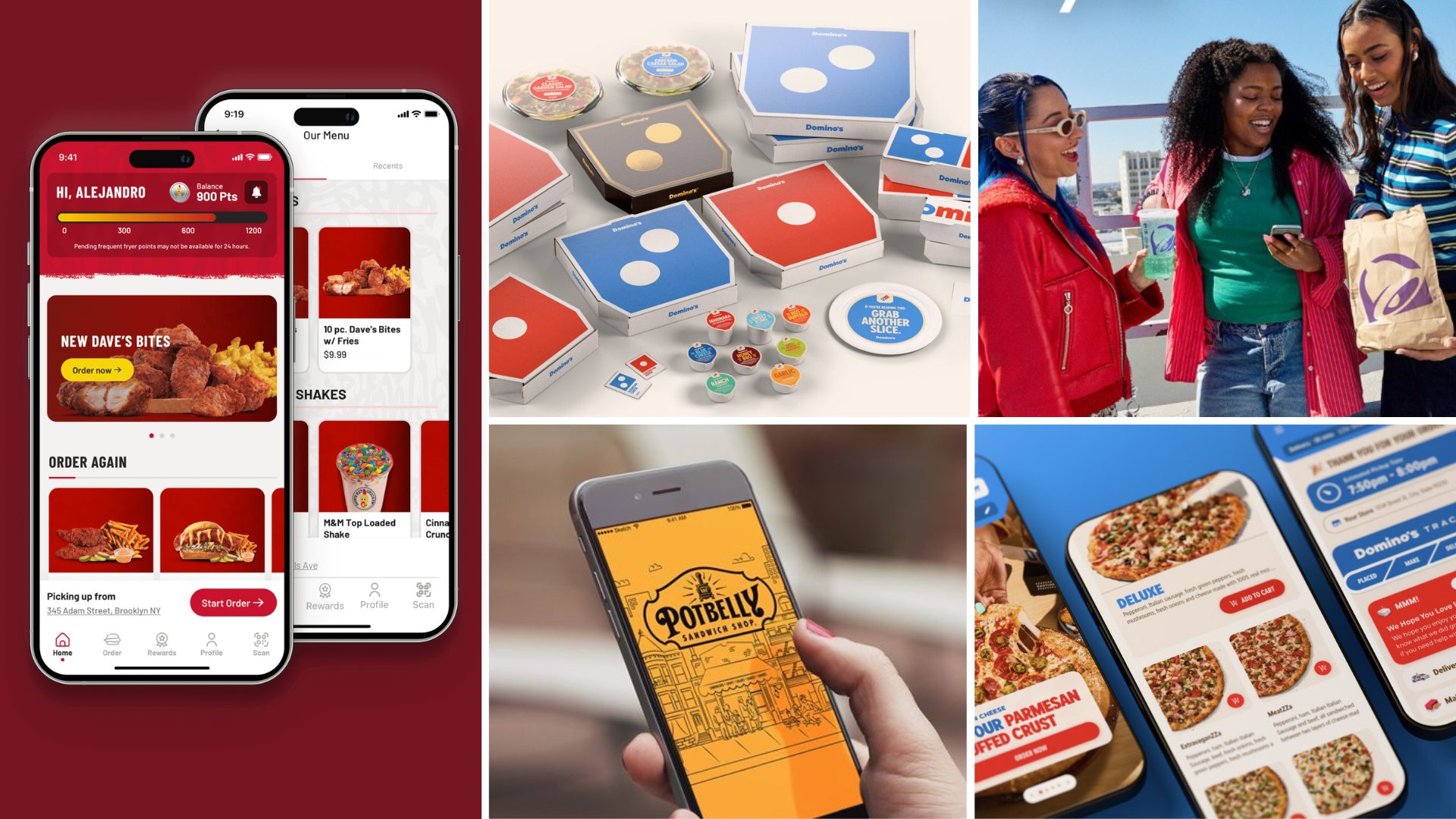
“The biggest change we’ve seen over the past decade is that Boomers … expect hybrid (shopping)” Morris said.
“Around 44 percent of Boomers order delivery online but haven’t given up their expectation of concierge service,” he added. “They’re tech-savvy enough to use an app, but they pay for the luxury of the human touch.”
Budget Conscious – But Not Obsessively So
While consumer sentiment hit rock bottom recently – reaching its lowest level since 2014 – the Baby Boomer generation, in particular, doesn’t seem overly concerned about finances. Investopedia recently noted that the average household wealth of Baby Boomers is $1.6 million, though the median is closer to $370,000.
A recent survey by AI search and retrieval platform Algolia revealed that just 26% of Baby Boomers said they were stressed about their grocery bills, compared to 30% of all respondents. However, Algolia also found that 57% of seniors had switched from their favorite brand to a cheaper option in 2024-25, versus 54% of all respondents.
No-Nonsense
While Baby Boomers’ demands are evolving, they continue to have an expectation of consistency, service, and value. As a result, they respond best to transparent marketing messages.
Elderly shoppers tend to appreciate, for example, easy-to-read menus and honest product descriptions devoid of slang terms.
“The most common mistake I see in CPG and retail is ‘age-coding’ products,” Morris said. “Any packaging that suggests infirmity will be rejected. We recently advised a client to move from ‘senior-friendly’ to ‘ergonomic high-performance’ packaging.
“Marketing messages that reflect … images of active lifestyles – as opposed to a grandparent in a rocking chair – inspire much higher brand loyalty.”
Food for Thought Leadership
In summer 2025, Nik Modi of RBC Capital Markets warned that consumers were in a “spending recession,” but is that still the case in early 2026? Modi discusses the potential impacts of GLP-1s, price cuts, agentic commerce, and more on the food and beverage sector for the rest of the year.