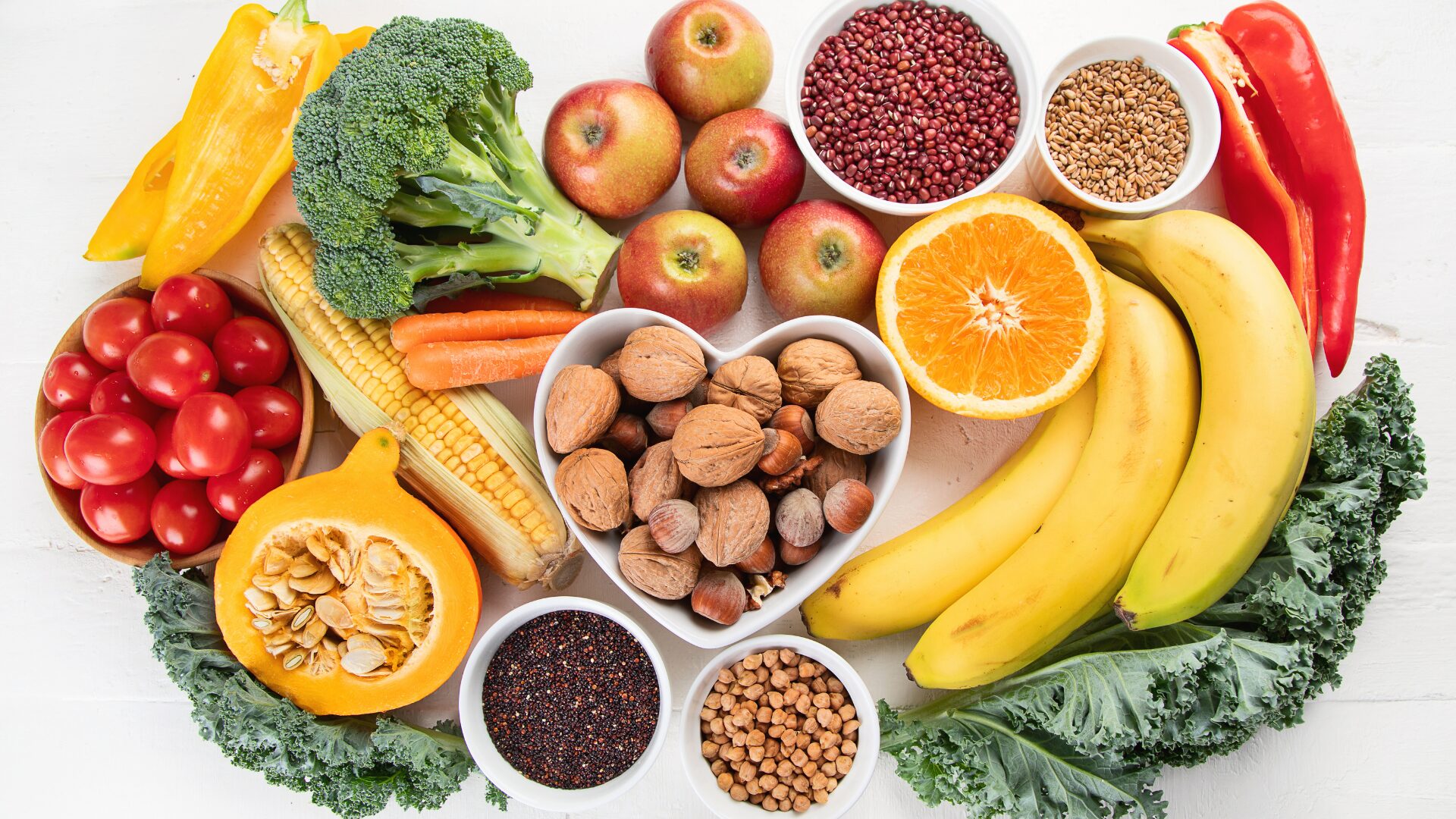
What some dub “the new protein,” fiber fortification is becoming an integral part of new product developments for CPGs and foodservice as consumers prioritize gut health, satiety, and long-term wellness goals. But fiber derivatives are notoriously difficult to work with, and when incorrectly added, can lead to gastric distress.
The reality: as much as 95% of Americans don’t consume enough fiber. To innovate on this need state, CPGs are incorporating fiber into their offerings, such as Jeni Britton’s highly anticipated Floura fiber bars and Behave’s functional gummy bears with 19 grams of the nutrient per serving.
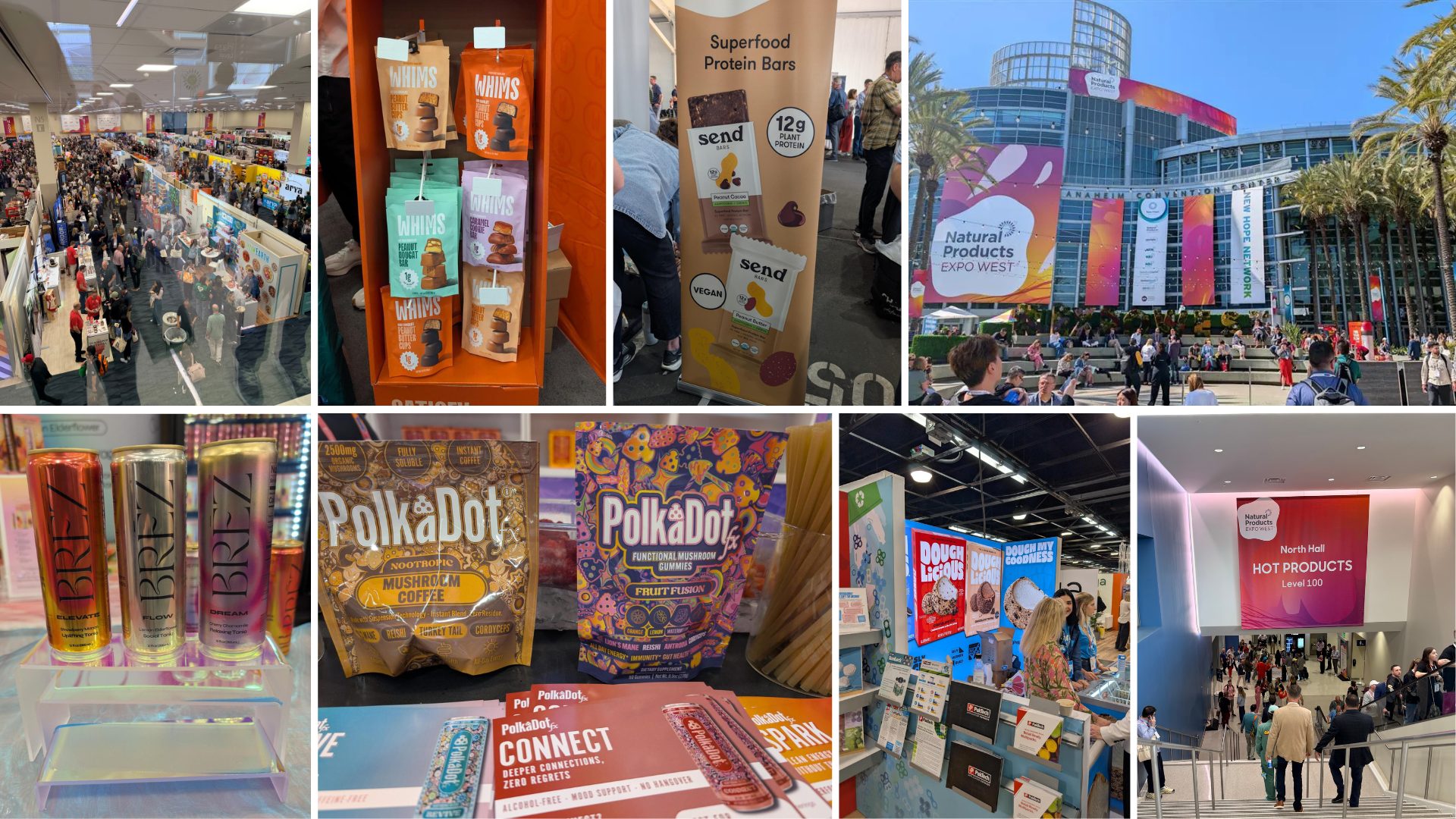
Matt Amicucci, PhD, chief scientific officer for one.bio said during an education session at Natural Products Expo West 2026 that, although excited by the recent interest in fiber, the public has an outdated view of the nutrient.
“For the last 20 years, we’ve been talking about fiber as if it was just soluble and insoluble, but in reality … there are dozens of fiber structures composed of thousands of molecules. Each one of those is metabolized differently by the gut microbiome and produces different benefits in the body,” he said.
The nutrient is ingratiating itself into the modern food formulation zeitgeist as consumers look to hit their macros, making it more important for brands to understand how the ingredient works in a food or beverage product, and the body.
Amicucci advocated for industry stakeholders and consumers to think of fiber as a “language” rather than a “category” by focusing on the intended benefits from the addition of a fiber source. Some key consideration elements include solubility and texture, prebiotic selectivity, tolerability, stability, and “felt” physical and psychological benefits.

Key Fiber Considerations
Fiber isn’t new. Jessica Maniscalco, director of retail partners for SPINS, established a timeline of fiber in American society, from the bran flakes, prunes, and Fig Newtons of the silent generation’s youth to Boomers’ impression of the nutrient as a probiotic, to today’s desire to simulate the effects of GLP-1 drugs and promote overall physiological and psychological well-being.
SPINS data from the State of Natural & Organic keynote found that designated FDA high-fiber product sales increased greatly in 2025 compared to the year before, and as many as 23% of the 18% of consumers that have either taken or are currently taking a GLP-1 are increasing their fiber intake.
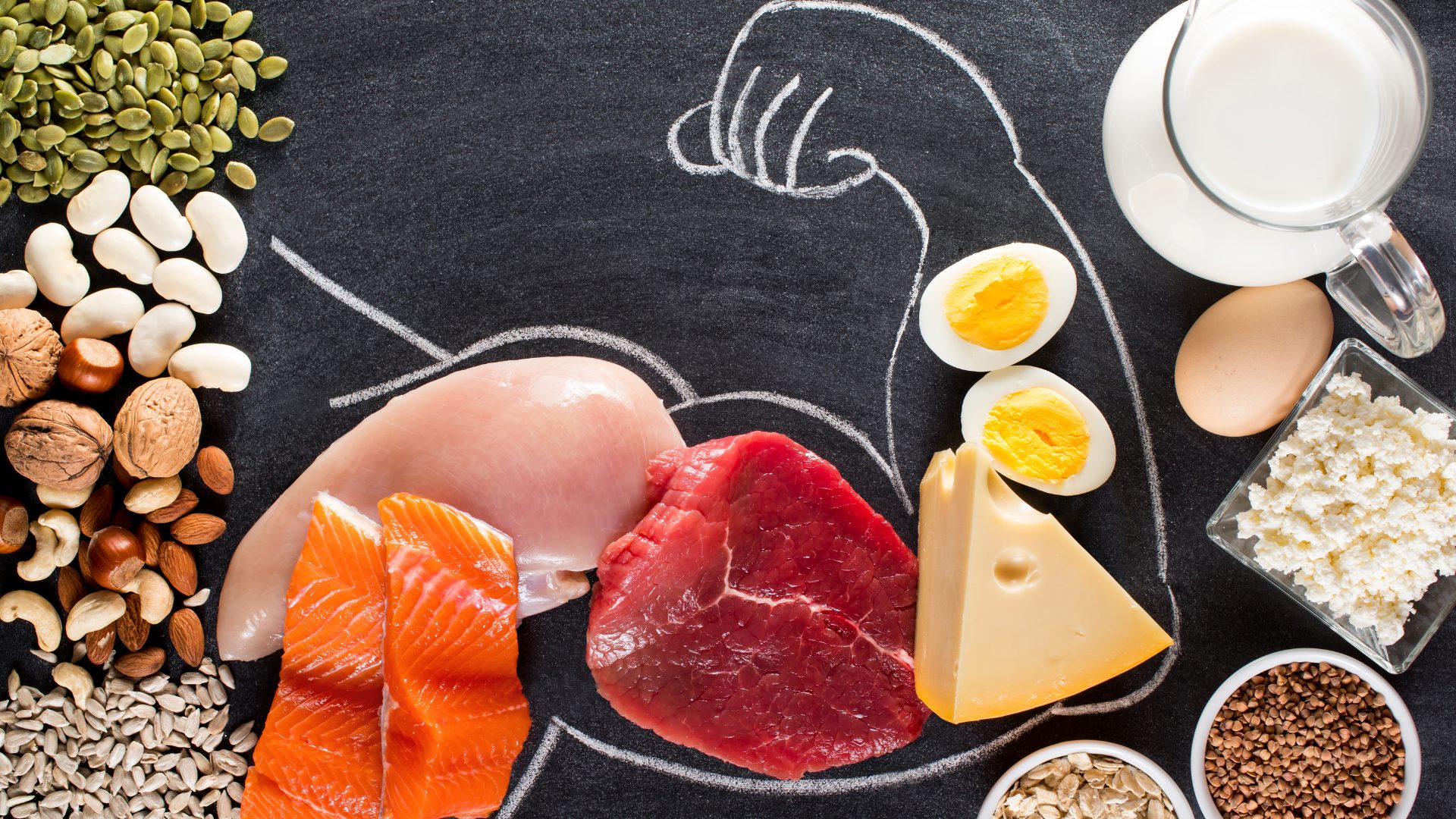
The multitude of derivatives uncovers some key considerations when manufacturing or consuming fiber products. Beyond fresh and cooked produce, ingredients such as flax, psyllium husk, chicory root, and wheat dextrin can be added to products to up their fiber numbers; however, Amicucci notes that formulators and consumers must consider the tradeoffs between “naturalness,” performance, tolerability, and prebiotic efficacy.
He clumped fiber into three distinct categories: whole-source fibers (e.g., chia), rapidly fermented fructans (e.g., agave), and synthetic dextrins (e.g., tapioca/cassava fiber). None of these can be universally leveraged.
For example, although a whole-source fiber may have a lot of consumer trust and high bioactivity, they also tend to be highly viscous with a distinct texture. On the other hand, synthetic dextrins may be heat- and acid-resistant, making them a good contender for a shelf-stable product, but they can pose challenges to clean labels.
He recommends brands consider a “formulation forward” approach to product design aimed at appreciating some of the natural flavors, textures, and qualities of derivatives, and letting them guide innovation.
Market Readiness
Maniscalco contextualized the fiber derivatives with an analysis of what is working for high-fiber CPGs.
In the last 52 weeks ended Jan 25, tapioca soluble fiber is outpacing overall ingredient growth year-over-year, emerging as a clear innovation lever for brands. She noted, however, that some ingredients, such as inulin and chia seeds, are much more mature, which is why they may not be as fast-growing.
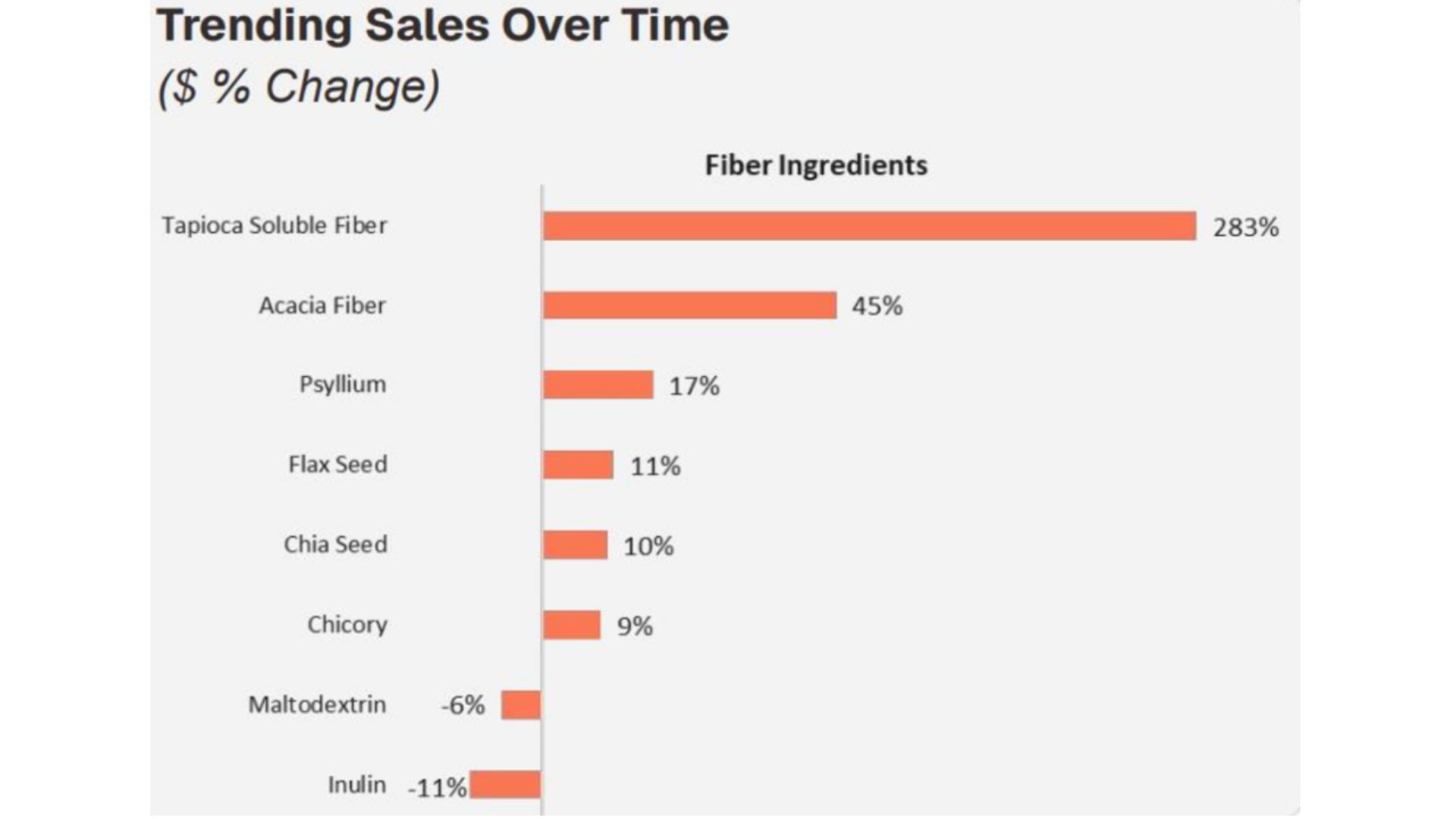
Source: Natural Products Expo West 2026. The Fiber Revolution.
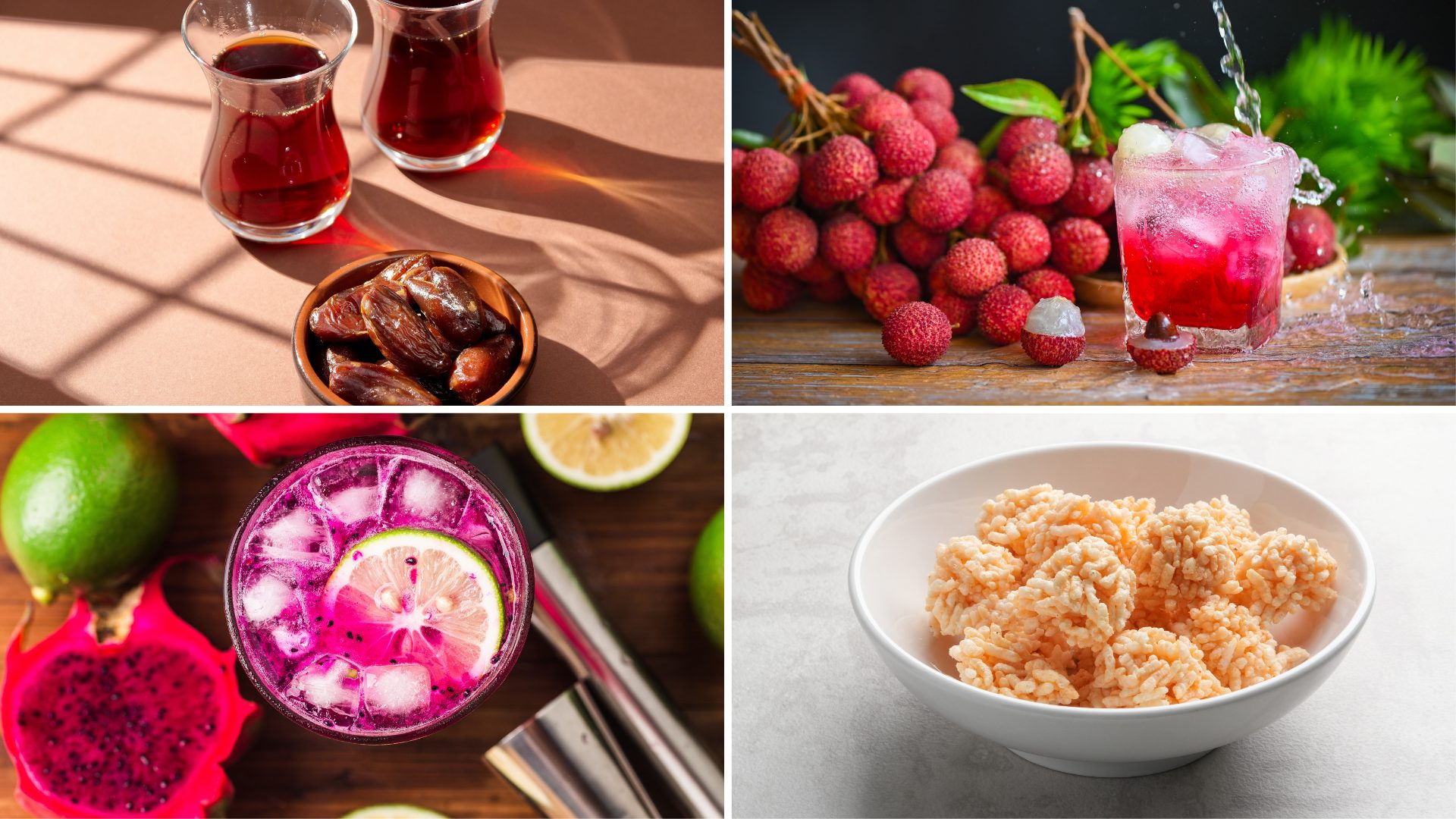
Moreover, SPINS data found that ready-to-drink shelf-stable coffee and tea is the top high fiber gainer over the period, with dollar sales up 145%, followed by shelf-stable entrees and mixes (+62%), and yogurt and plant-based yogurt (+27%).
As a potential headwind to fiber growth, Maniscalco highlighted the gap in consumer understanding.
“A third of shoppers say that they are unaware or unsure of where to go outside of fruits and vegetables to find more great sources of fiber,” she said.
“This is an opportunity for all of us as an industry for that education piece.”
Packaging and shelf callouts, transparency around fiber derivatives, and explicit intended benefits can all ladder up to create more informed shoppers with a holistic understanding of how food nourishes themselves and their bodies.
The Food Institute Podcast
his Episode is Sponsored by: CBIZ
While many food industry professionals were hoping that the Supreme Court ruling on tariffs would elucidate the current global trade environment, it appears that it may have added more uncertainty than before. CBIZ’s Lou Biscotti and Mark Baran, and former Customs expert Michael Contino, all join The Food Institute Podcast to provide clarity and actionable insights.