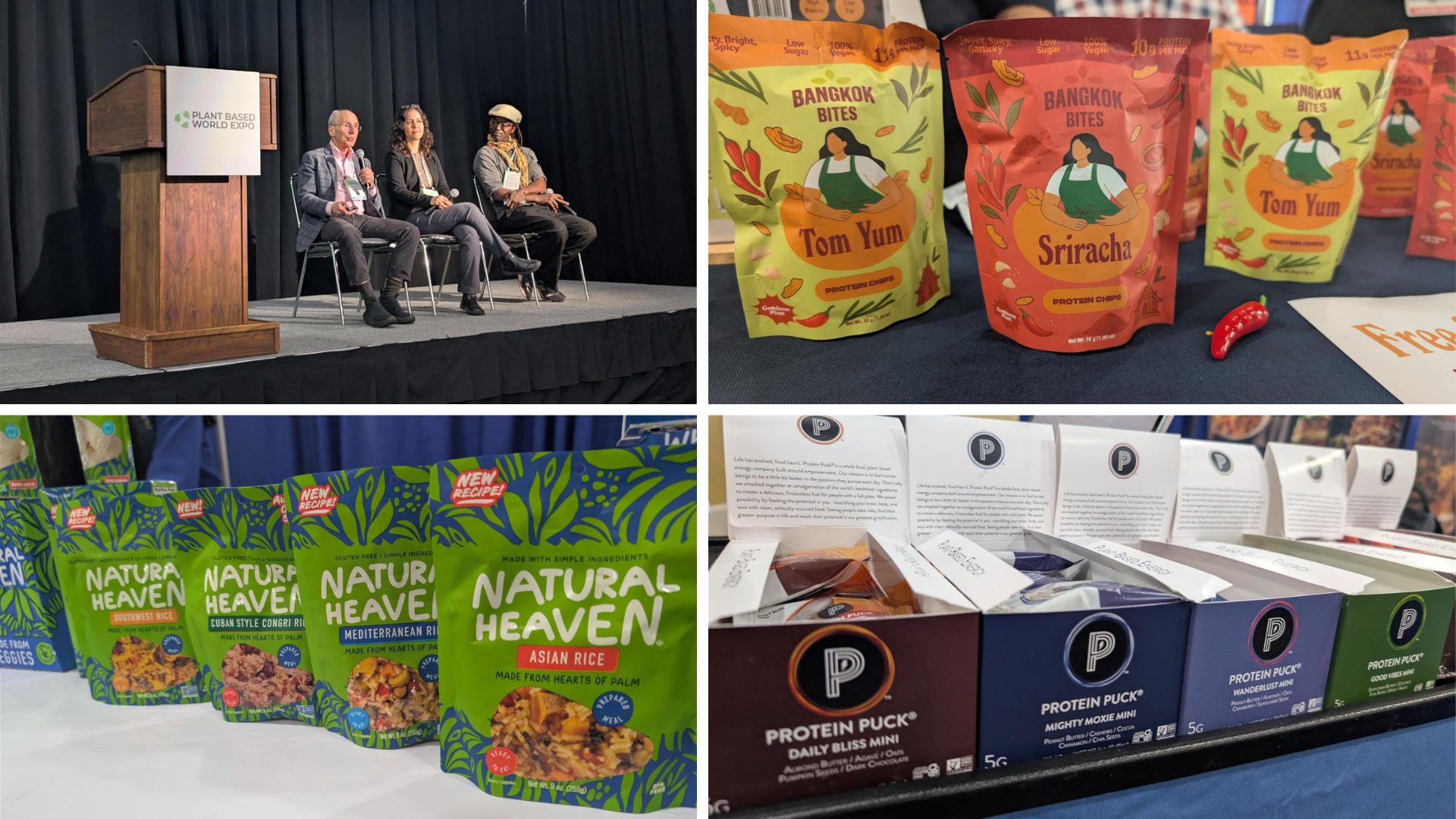
“Just when you thought the F&B industry couldn’t handle any more protein, Expo West comes out with what is essentially ‘ProteinWest’ at this year’s show,” wrote FI CEO Brian Choi in a LinkedIn post after attending Natural Products Expo West.
Choi highlighted numerous protein-enhanced products spotted on the show floor, including chips, bread, pretzels, popcorn, gummies, water, coffee, granola, noodles, waffles, and pancakes – just to name a few.
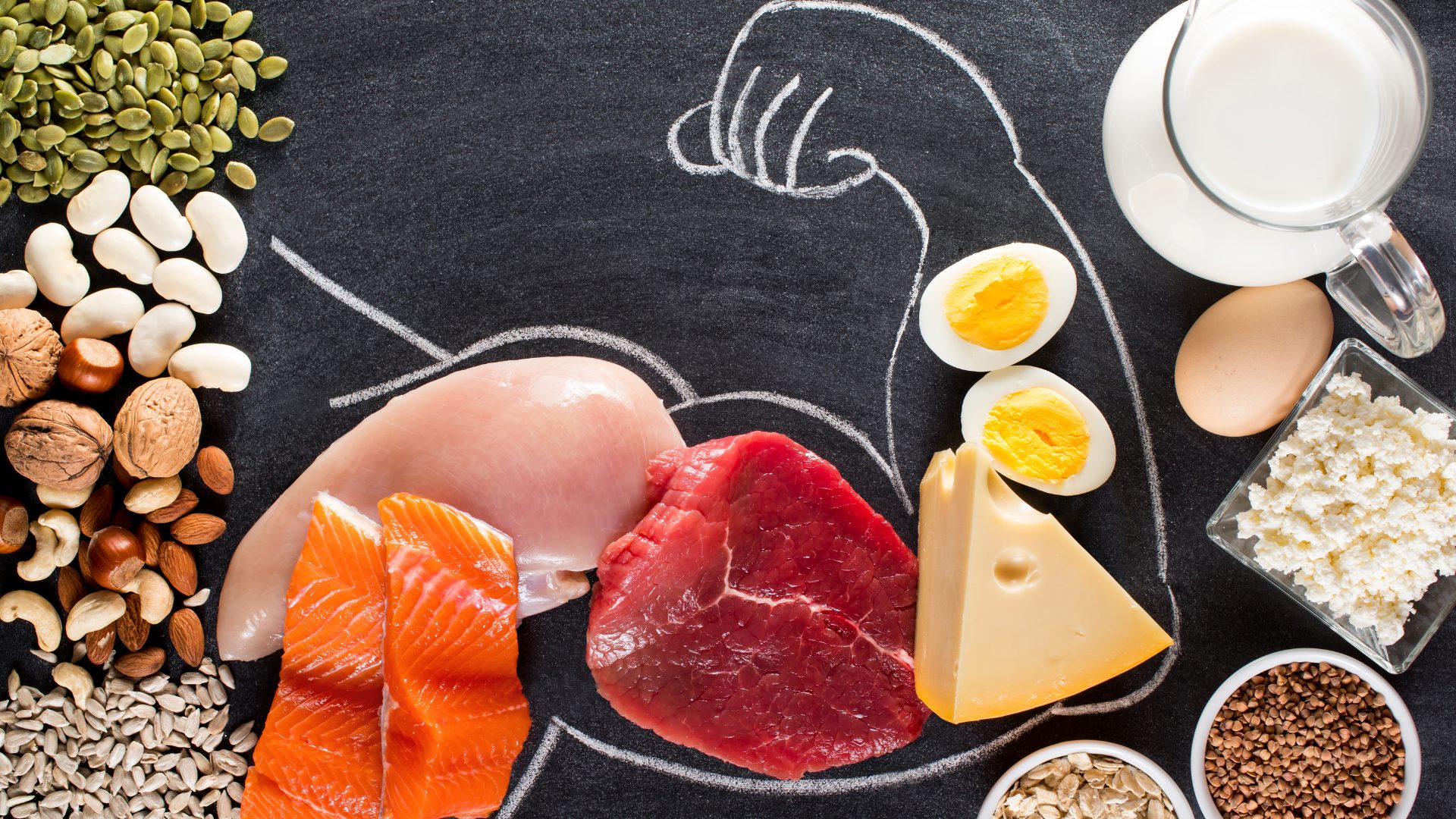
By no means is Choi the only one who’s noticed this trend, which has been dubbed ‘protein maxing’ (sometimes spelled ‘maxxing’), as The Atlantic published a story in January arguing that America has entered its “late-stage protein” era.
And last summer, I wrote an article about protein being an essential but often overhyped macronutrient after coming across research suggesting that most people who live in developed countries are already consuming enough protein.
The World Health Organization advises that healthy adults should consume about 0.4 grams of protein per pound of body weight each day. To put this in perspective, a person weighing 165 pounds should aim to take in around 60 grams per day.
It makes sense that many folks are trying to ramp up their protein intake when you consider the influx of protein-packed products that have hit the market.
And then there are the droves of wellness influencers who urge their followers to consume as much protein as humanly possible.
Meanwhile, a surge in GLP-1 prescriptions has also played a role, as individuals taking these medications tend to seek out F&B offerings that are rich in protein and fiber but low in sugar to support their unique nutritional needs and goals, as well as to prevent the muscle loss that can often stem from a substantial reduction in caloric intake.
In addition to these factors, many consumers are prioritizing protein in their diets due to the myriad bodily functions the macronutrient supports.
“Protein is crucial in the rebuilding of muscles, the immune system, and the general maintenance of cells,” said Kristy Thomas, a registered nutritionist at Prowise Healthcare.
While it’s clear that America’s love affair with protein remains in full force, some experts worry it’s gone too far – and that protein maxing could be not only counterproductive but also risky.
Too Much of a Good Thing?
“There has been some concern within the circles of nutritionists as a result of the recent popularity of high-protein diets. On one hand, sufficient intake of protein is healthy, but on the other hand, a constant overdose can also result in some health hazards,” Thomas told FI.
The dietitian noted that some groups – including athletes, very active people, and the elderly – may benefit from consuming more than the recommended daily amount (RDA) of protein; however, an overemphasis can lead to dietary deficiencies in other food groups.

“When individuals make protein their number-one priority, usually by consuming large quantities of meat or by using protein shakes or protein bars, they might lower the amount of other significant nutrients they are taking in,” Thomas said, adding that this often lessens consumption of fiber-rich foods like fruits, vegetables, whole grains, and legumes, which are “vital for both digestive wellbeing and preventing long-term diseases.”
She also highlighted the importance of the source in question, as not all protein is created equal.
“High-protein diets based on red meat or processed meat have been linked to increased risks of heart diseases and some types of cancer. Conversely, there’s a general positive correlation between plant-based sources of protein and improved health outcomes in the long term,” Thomas told FI.
The expert also brought up the possibility of protein overconsumption causing kidney stress – a topic that has sparked many debates within the health and wellness space. Let’s take a look at some of the latest research.
Can Protein Maxing Cause Kidney Problems?
Thomas mentioned that protein can potentially cause kidney stress – especially for individuals with pre-existing kidney problems.
“When protein consumption is very high, this might overwork the metabolic functions of the body,” Thomas told FI, adding that this could cause kidney stones to develop in some cases.
Allie Petersen, a plant-based chef, recipe creator, health coach, and Certified Physician Associate (PA-C) who runs a food blog called Naturallie Plant-Based, echoed these concerns and pointed to studies that have correlated excessive protein intake with kidney function risks.
“This could take several years to cause injury, but studies have shown an association between high-protein diets and accelerated decline in kidney function,” Petersen told FI, agreeing with Thomas that these risks multiply for those already grappling with chronic kidney disease.
The expert recommended that individuals in this demographic “consume closer to 0.8g/kg body weight per day” and “sometimes less, depending on the stage and their doctor’s orders.”
“The American Heart Association notes that most Americans already consume more protein than needed, and this could impose a burden on the kidneys and liver over time,” Petersen said.
She added that excessive consumption of red meat is also correlated with increased risk of chronic kidney disease – and processed meats like bacon, sausage, and hot dogs, which have also been shown to substantially increase colorectal cancer risk, may pose an even greater risk to kidney health.
However, others like Cheryl McColgan, founder of Heal Nourish Grow LLC, a site that publishes wellness, nutrition, and health content, have pushed back against the claim that protein overconsumption can cause kidney stress.
“Plenty of studies show no ill effects from a high protein diet and the myth of it causing kidney problems has been long debunked,” McColgan told FI, but she agreed with Thomas and Petersen that anyone with an existing kidney issue should consult their doctor before increasing their protein intake.
While McColgan acknowledged her bias right out of the gate, as she’s “personally and professionally very focused on optimal protein,” she argued that the “risk of frailty and sarcopenia from inadequate protein intake is far greater, especially for those over 45.”
I did some digging and found a 2024 meta-analysis that explored a potential correlation between protein intake and the progression of chronic kidney disease (CKD), which showed that a lower CKD risk was associated with a higher intake of plant or animal protein.
However, a 2025 Mayo Clinic article included this excerpt: “A high-protein diet may worsen how well a kidney works in people with kidney disease. This can happen because the body may not be able to get rid of all the waste products of protein that’s broken down.”
It appears that more research is needed on the effects of excessive protein consumption, but it’s clear that following a balanced, diverse diet that’s rich in whole foods is important for optimal health – and as always, it’s best to talk with your doctor before making any dramatic dietary changes.
The Food Institute Podcast
This Episode is Sponsored by: CBIZ
While many food industry professionals were hoping that the Supreme Court ruling on tariffs would elucidate the current global trade environment, it appears that it may have added more uncertainty than before. CBIZ’s Lou Biscotti and Mark Baran, and former Customs expert Michael Contino, all join The Food Institute Podcast to provide clarity and actionable insights.