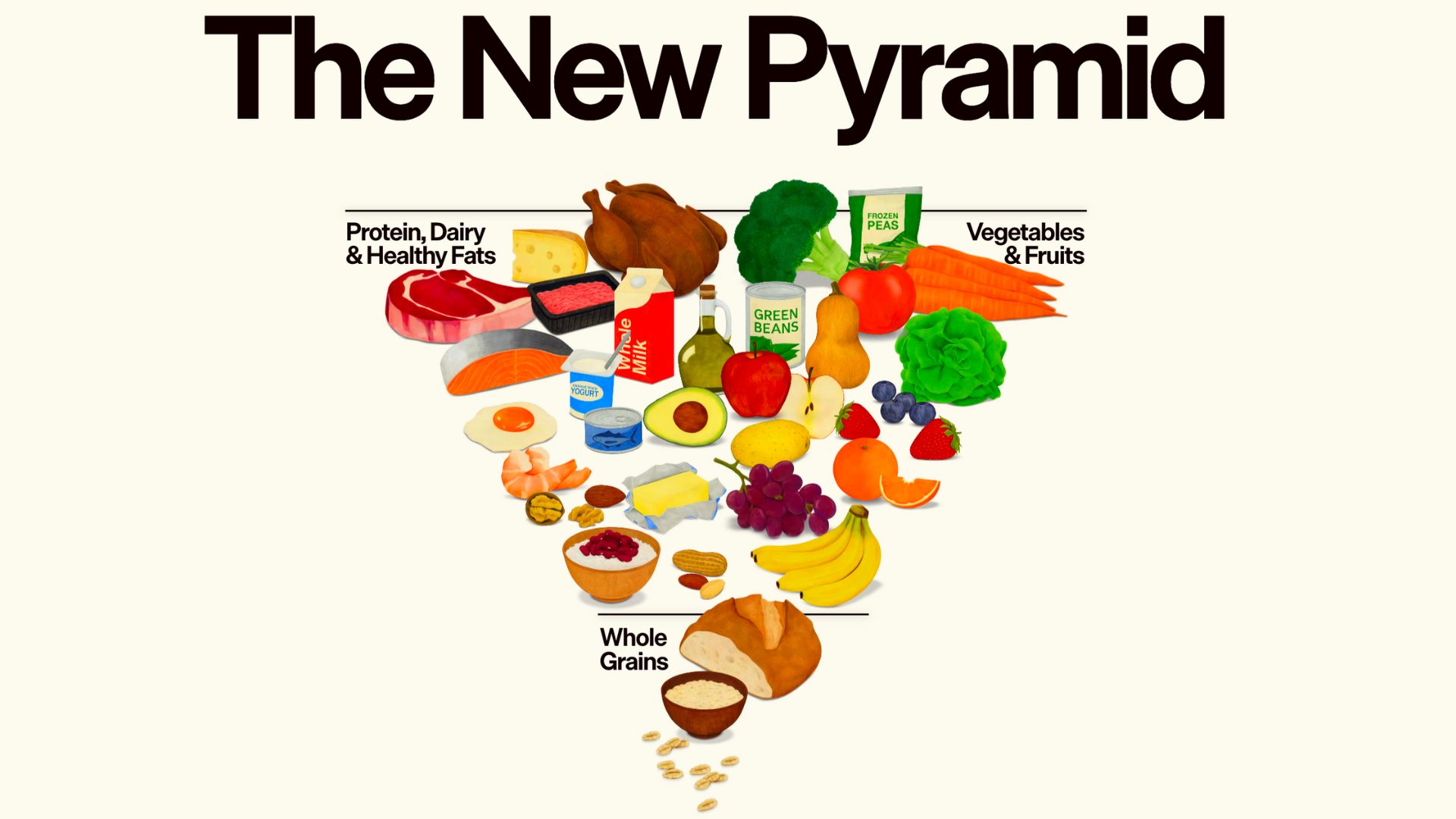
Since their release in early January, the new U.S. Dietary Guidelines for Americans have continued to send shockwaves through the food industry, garnering both praise and criticism from experts.
“For the first time in a long while, we’re seeing official guidance acknowledge something that researchers and clinicians have been observing for years: Many chronic diseases improve when refined carbohydrate intake is reduced,” said Tim Spector, MD, a professor of genetic epidemiology at King’s College and scientific co-founder of ZOE, a personalized nutrition program.
“The documents don’t go into much detail on how to do this well, and that’s an important caveat. But even so, this represents a genuinely welcome shift away from nutritional advice that has dominated for the last two decades and has proven remarkably resistant to change despite mounting evidence that it hasn’t delivered better health outcomes,” Spector told FI.
Others have highlighted the lack of specificity throughout the guidelines, as they no longer provide specific recommendations on important topics like how much alcohol is safe to drink.
Some experts believe the guidelines are a “mixed bag,” including Evan Nadler, MD, a childhood obesity treatment expert who ran the Childhood Obesity Programs at Children’s National Hospital in Washington, D.C., until he stepped down to write a book on child obesity and start a telemedicine practice.
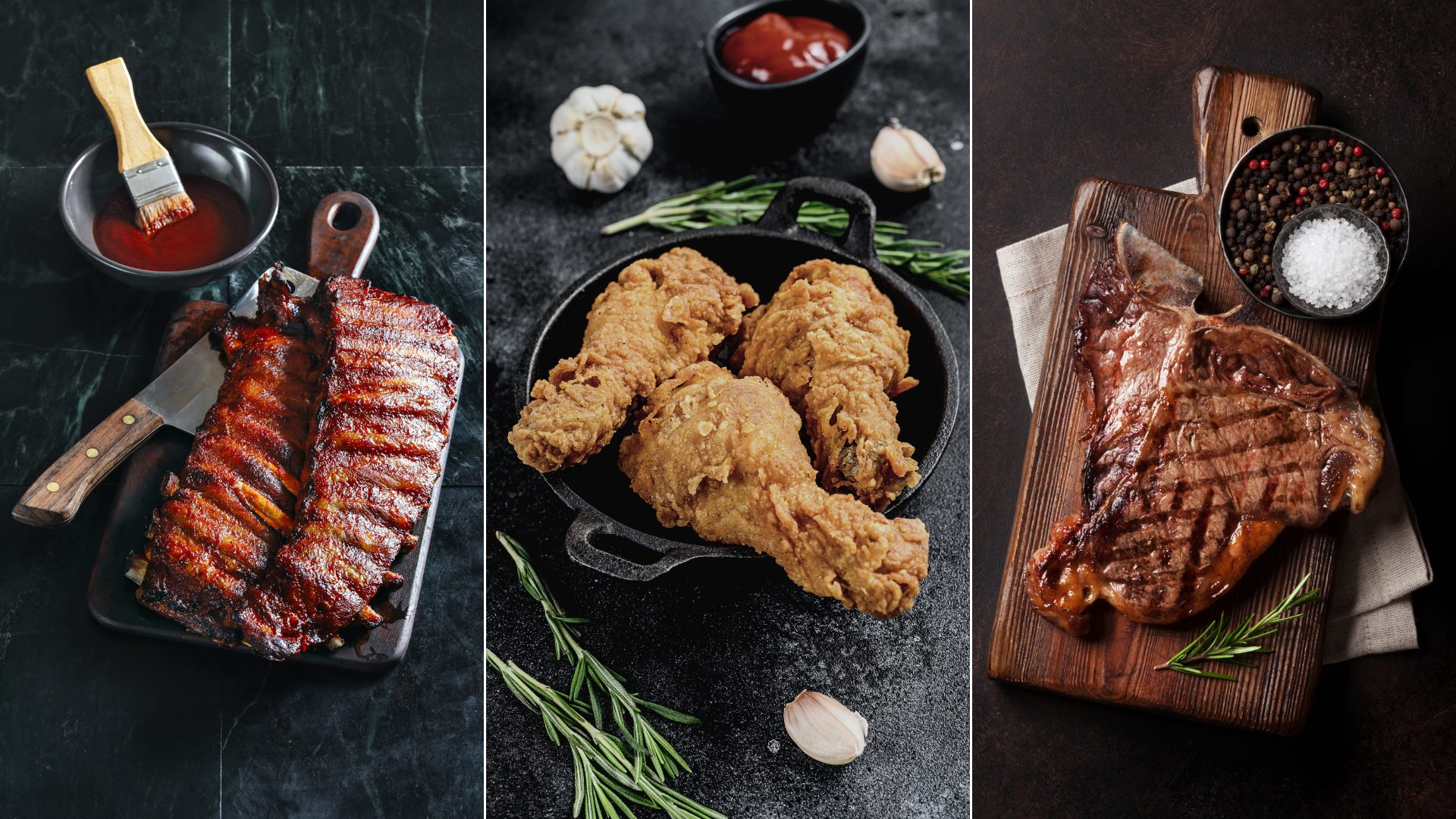
“The advice to limit ultra-processed food, sugar, and refined carbohydrate intake is long overdue and likely helpful for almost everybody, but the advice to increase red meat and whole milk intake isn’t evidence-based and could be especially harmful for those at risk for cardiovascular disease,” Nadler told FI.
“Similarly, Americans already eat plenty of protein so there is no basis to increase protein intake as advocated in the recommendations. Increased protein intake can be an issue for those with kidney disease in particular,” he added.
While Kaitlin Voicechovski, lead registered dietitian at Oshi Health, appreciates that the new guidelines acknowledge the importance of gut health, she also has concerns in that regard.
“If this were truly a gut-friendly food pyramid, a few things might be higher up: fiber-rich foods, whole grains, and plant-based protein sources like beans,” Voicechovski said.

Which Industries Stand to Benefit?
Other experts are concerned about potential conflicts of interest.
“Clearly, the dairy and beef industries are the big winners here, and also U.S. famers in general could stand to benefit. While RFK claims to have ‘radical transparency’ when it comes to the pharmaceutical industry, the impact of the National Dairy Council and the National Cattlemen’s Beef Association on the new dietary guidelines has been swept under the rug a bit,” Nadler said.
Dotsie Bausch, an Olympic silver medalist and founder of the vegan nonprofit Switch4Good, said six of the nine experts on the dietary guidelines’ panel are “taking money from big meat and dairy.”
“They constantly repeat for Americans to eat ‘real food,’ but when in history have any of the guidelines suggested for us to eat fake food? People are well aware their trips to McDonalds and Taco Bell are not healthy choices,” Bausch said.
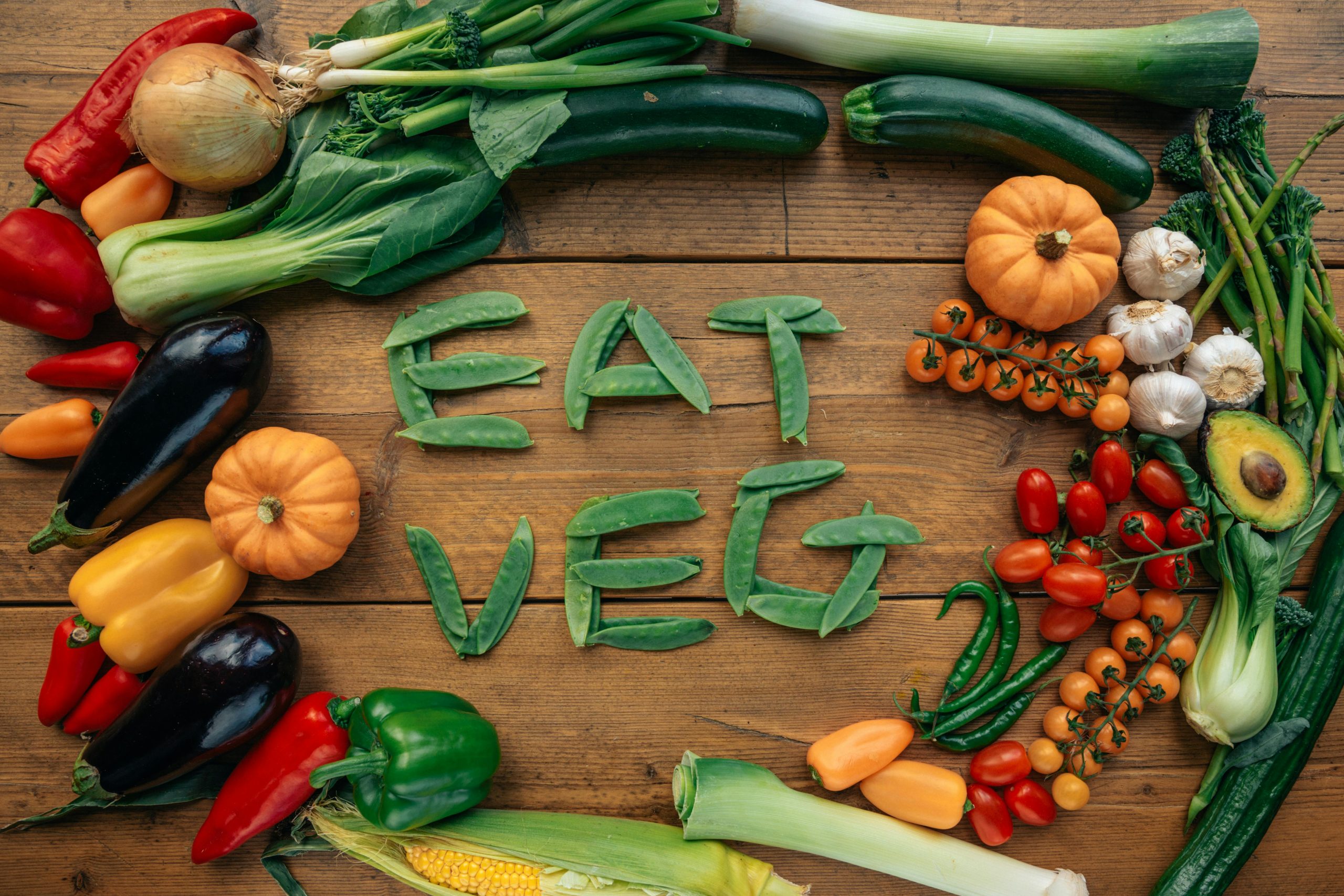
“However, the fact the guidelines focus on ‘real food’ is a positive, and nothing could be more real than food straight from the earth and sea, like legumes, nuts, seeds, whole grains, macroalgaes, green leafy vegetables, and fiber-rich fruits,” Bausch added.
Impact on Schools
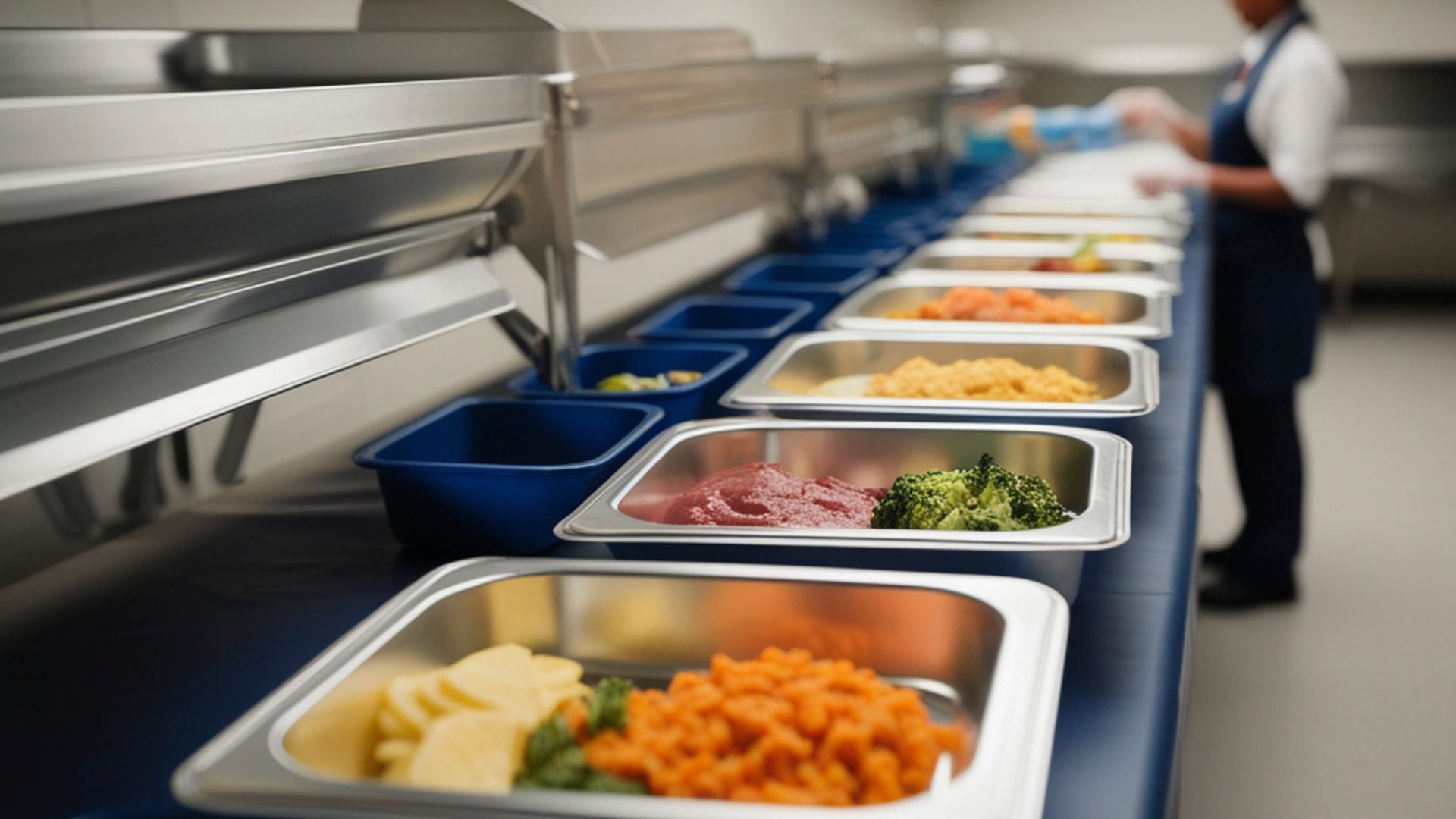
While Spector believes the guidelines are a “public health win” since they advise schools and parents to limit children’s intake of sugar and artificial sweeteners, school personnel are worried about their ability to comply with the changes due to infrastructure and budget constraints.
Lori Nelson of the Chef Ann Foundation, a nonprofit that promotes scratch cooking in schools, compared assembling a school meal to a puzzle.
“When you think about the guidelines, there’s so many different pieces that you have to meet. You have to meet calorie minimums and maximums for the day and for the week. You have to meet vegetable subgroup categories,” Nelson told NPR.
She says many school lunchrooms were built four or five decades ago and designed for reheating food – not making it from scratch.
On a semi-related note, the Freedom in School Cafeterias and Lunches (FISCAL) Act was recently signed into law, requiring schools to provide plant-based milk options to students whose parents request it. Thus, for the first time in the nearly 80-year history of the national school lunch program, public schools are now free to offer plant-based milk alongside cows’ milk in the lunch line, Bausch noted.
Food for Thought Leadership
In summer 2025, Nik Modi of RBC Capital Markets warned that consumers were in a “spending recession,” but is that still the case in early 2026? Modi discusses the potential impacts of GLP-1s, price cuts, agentic commerce, and more on the food and beverage sector for the rest of the year.