Gym visits are up 25% from 2019, mobile fitness apps are expected to reach household penetration rates of 12.2% globally, and physical health continues to be the top New Year’s resolution among Americans. The casual athlete is here, and they’re here to stay.
“You see a lot more casual athletes in the market,” Lokesh Ohri, EY consumer & health consulting leader, told FI.
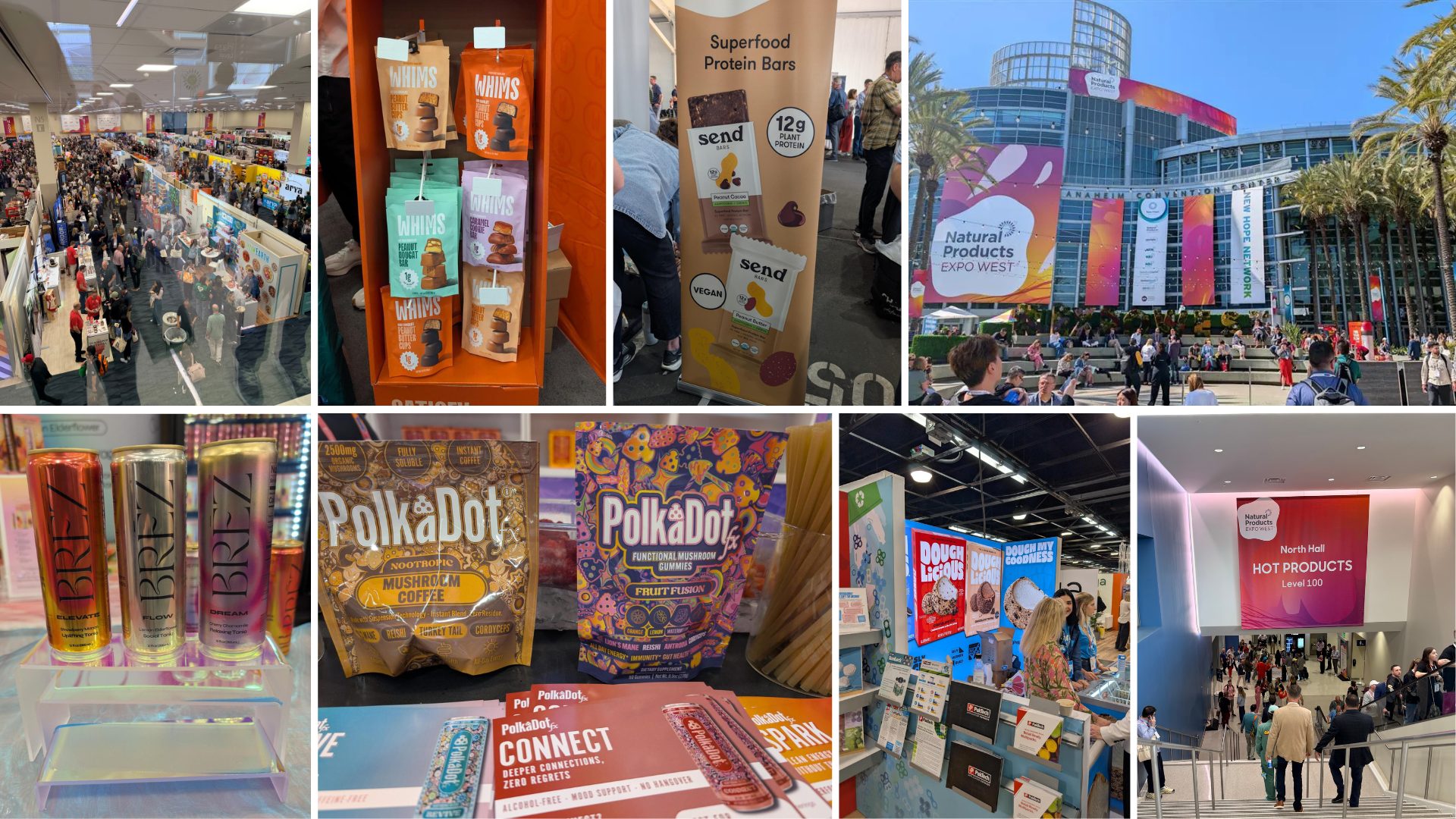
Ohri described the emerging consumer subgroup as a pivotal consumer base for the performance and higher-end better-for-you categories. As a larger array of sports enters American culture, so too do healthy snacking, energy, and hydration opportunities for CPG and foodservice to address.
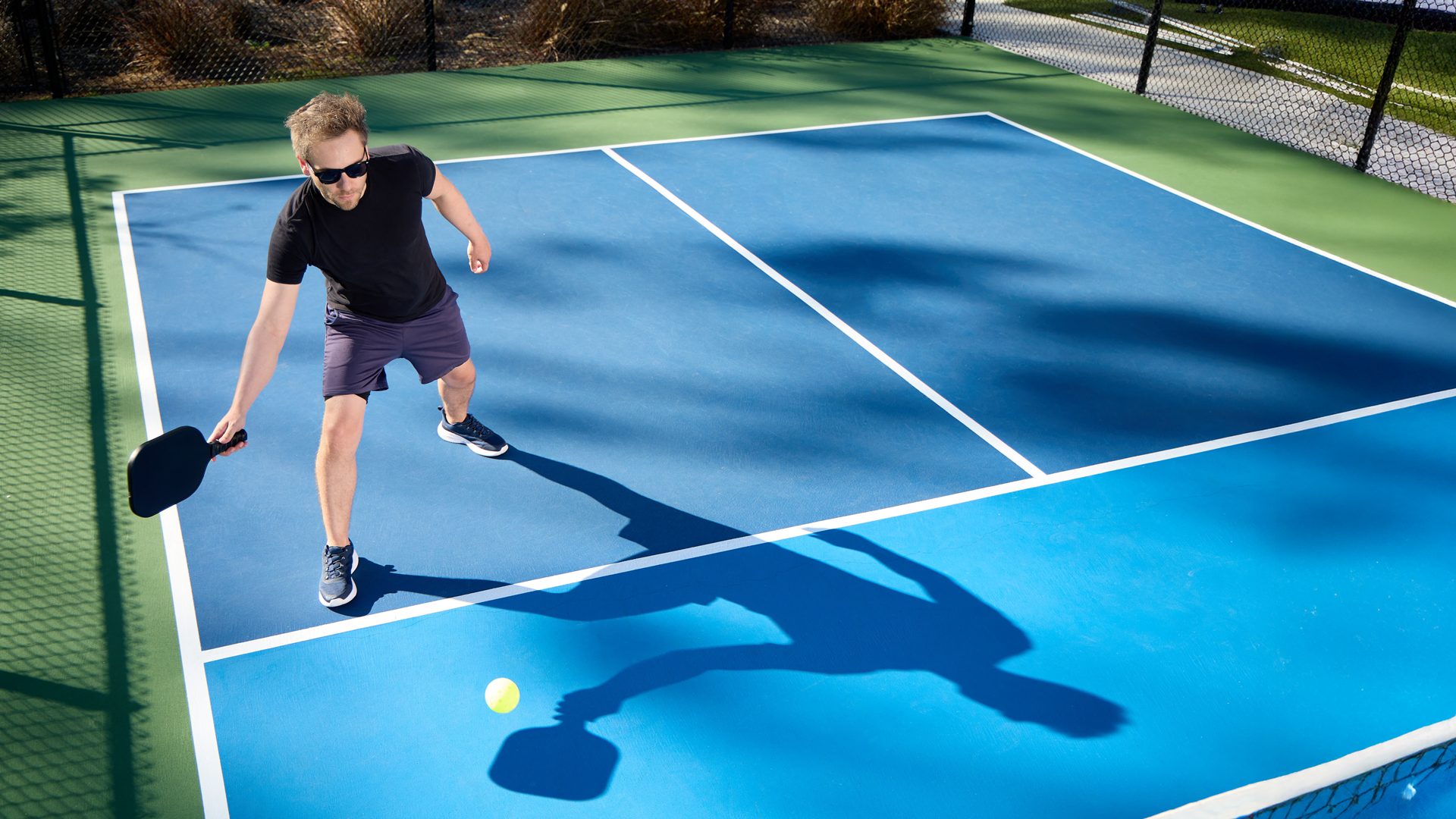
The data is clear: active participation in sports is at the highest rate in five years, supported by growth among pickleball players, running, and various team sports. The sustained growth also shows more promise than the pandemic, where Americans were getting active to escape the sedentary life associated with the pandemic.
Today, these consumers are likely to overlap with GLP-1 drug users and are steadily reshaping their grocery shopping carts, while also making more health-conscious choices when eating at restaurants.
For example, those passionate about health and fitness are more likely to prioritize protein that comes from seafood, nuts and seeds, plant-based sources, and protein supplements, creating a larger market for these center-of-plate and snack-time offerings, according to a recent CivicScience report.

These consumers also offer a boon to brands struggling to hit quarterly targets. The report also revealed this significant finding:
Health and wellness is the only category where consumers are expecting to increase their spending in the coming months, while every retail area is expecting a pullback.
Better-for-you items favored by the casual athlete and gym enthusiast command a higher price premium, with offerings that tend to be relatively more price elastic because of the perceived quality and the higher household incomes of the consumer base.
Many of these premium items offer clear functional benefits, whether that be hydration, macronutrient consumption, energy, or recovery, also making them feel more “worth it” to the consumer. Plus, they can be easily integrated into routines with larger or pre-portioned pack sizes.
Liquid IV is a bellwether for exercise hydration, offering electrolyte support when playing sports or working out. As a result, it’s constantly among the top-performing Amazon Prime Day purchases. Additionally, 21% of the most recent Prime Day purchases included items in the health and wellness category, highlighting its dominating presence on e-commerce platforms.

The performance nutrition market alone is expected to grow at a CAGR of 7.4% over the next decade, according to a new report.
That same report, conducted by Fact.mr, revealed that the performance nutrition market is expected to reach a market cap of $85.4 billion globally by 2035. But the impact of the casual athlete is far greater: expanding markets for better-for-you snacking and functional nutrient consumption.
These active consumers are also likely to prioritize convenience. As such, it’s key for CPGs capturing these consumers to meet consumers where they’re likely to be, such as gyms, studios, amateur sporting venues, and convenience stores.
Ohri noted that the prevailing conversation he’s hearing from companies reframes this health and wellness boom in an optimistic light.
“What I hear are companies saying [is], ‘What can I offer as a package to that type of consumer?’” he said.
In this respect, Ohri spoke directly of the health and wellness shopper considering weight management solutions, many of whom are GLP-1 drug users or those curious to try them; however, this also relates directly to the casual athlete looking to make better, more informed eating decisions.
Brands have already begun rising to this task. On the macronutrient front, myriad products have reformulated with protein in mind to the point where 25% of new-to-market products have a protein claim, according to a SPINS presentation.
Depending on location, grocers and convenience retailers should also consider themed end caps or promotional areas to appeal to these health and wellness-conscious consumers, with marketing messaging that engages their results-oriented need states.