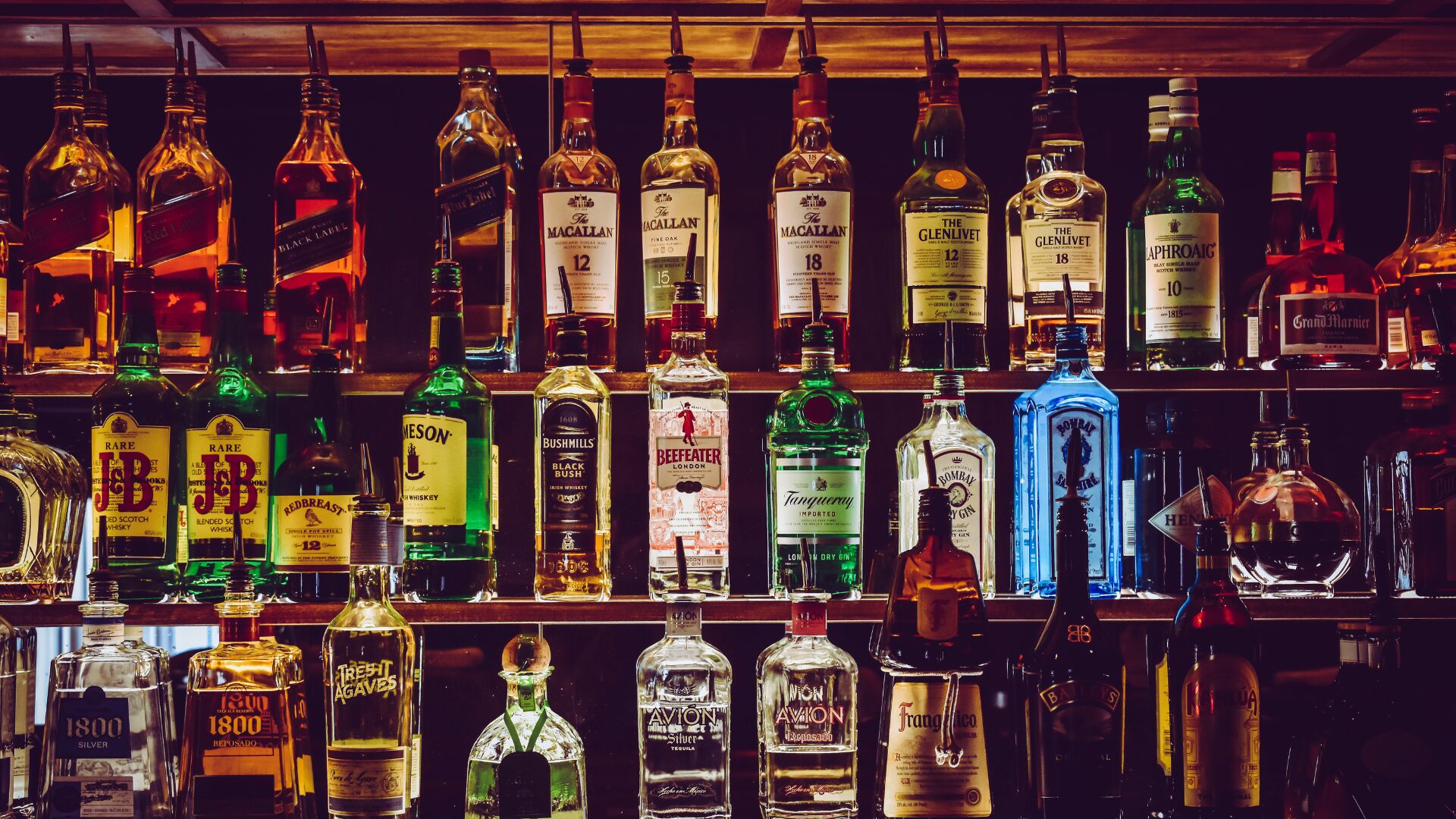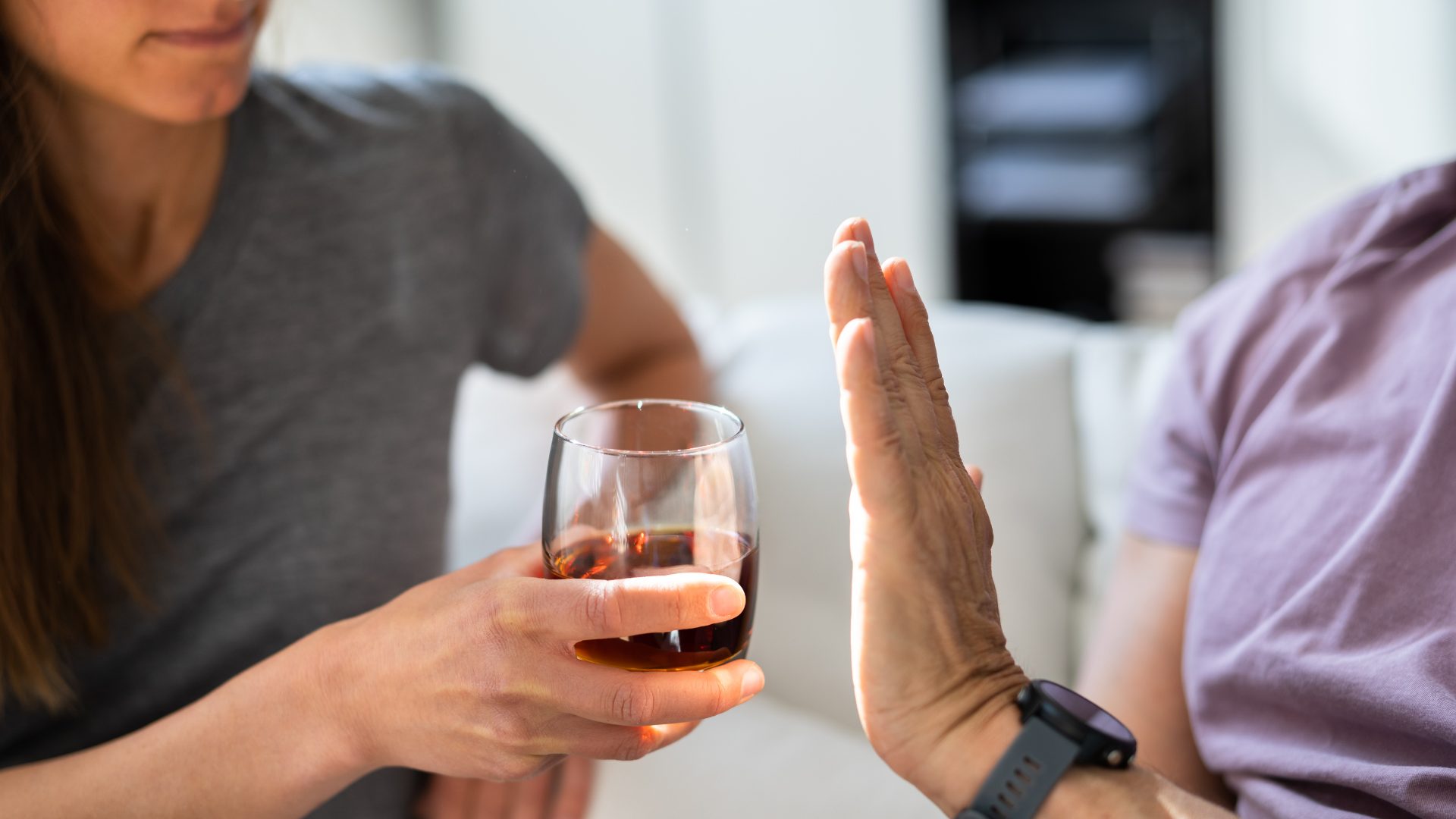
It’s no surprise that Dry January participation continues to increase as alcohol consumption dwindles.
This year, 56% of consumers ages 21+ said they’d be participating in the event, up two points from 2025 and four from 2024, according to CivicScience.
Demographically speaking, Millennials, women, and parents are the most likely to hop on the bandwagon this year.
Though their intentions to abstain from alcohol unite Dry January participants, their motivations often vary – as do their preferences on non-alcoholic (NA) alternatives.
So, what are they drinking this year?
Preferred Alternatives
Although there are more NA wine, beer, and RTD options on the market than ever before, the majority of Dry January participants are forgoing them in favor of non-carbonated beverages like juice or tea, which was the most popular choice this year (28%).
This calls to mind a trend identified in Datassential’s 2026 Trends Report: teatime as the new happy hour.
“Tea-based mocktails and cocktails are on the rise, in line with the sober curious movement, and afternoon teatime is making a comeback and marrying two key trends: little treat culture and newstalgia,” the report noted.
Soda – whether in standard or functional forms like poppi’s nostalgic new Shirley Temple flavor – earned the second spot on the list as the preferred substitute of 23% of survey respondents, followed by:
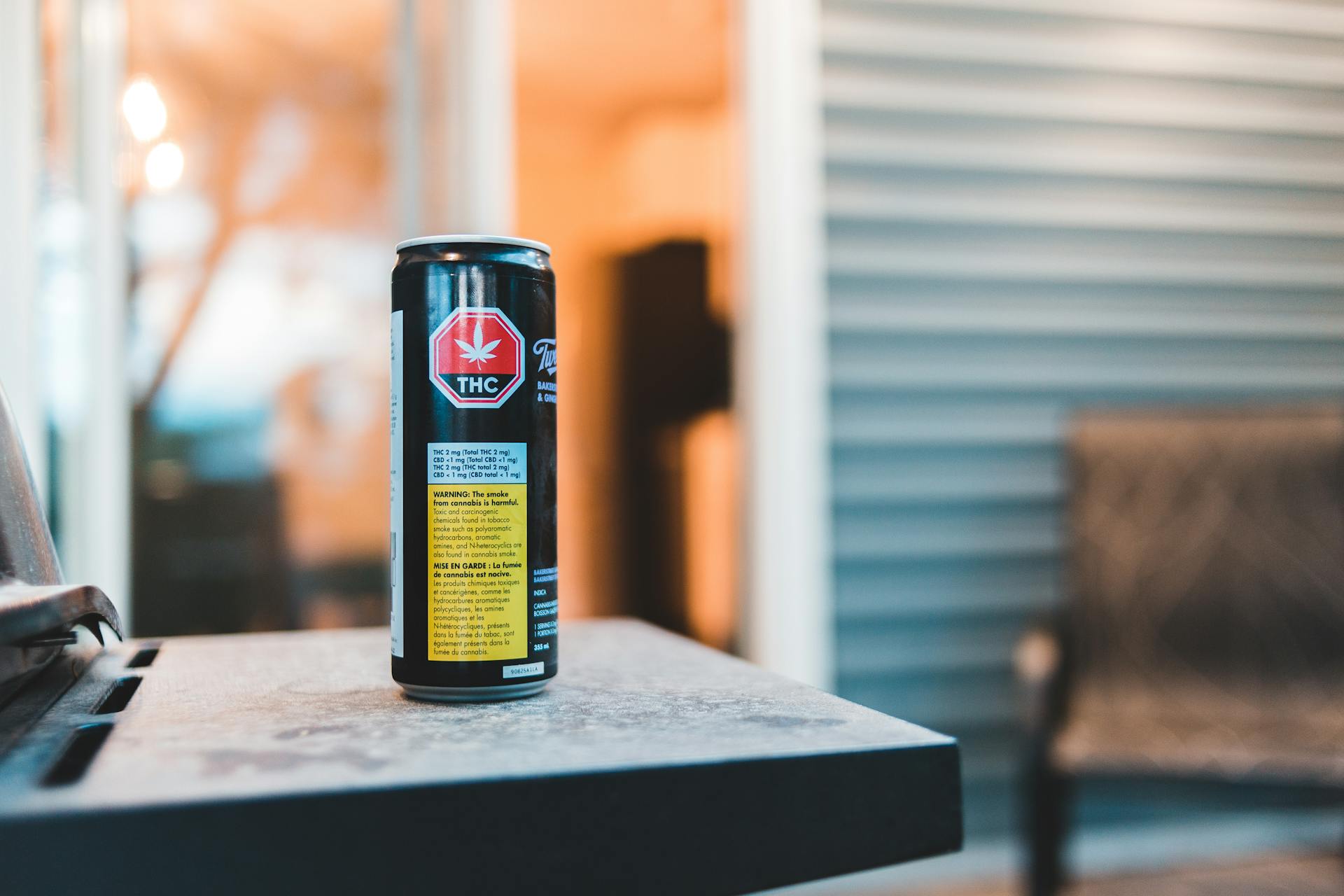
- CBD/THC beverages (17%)
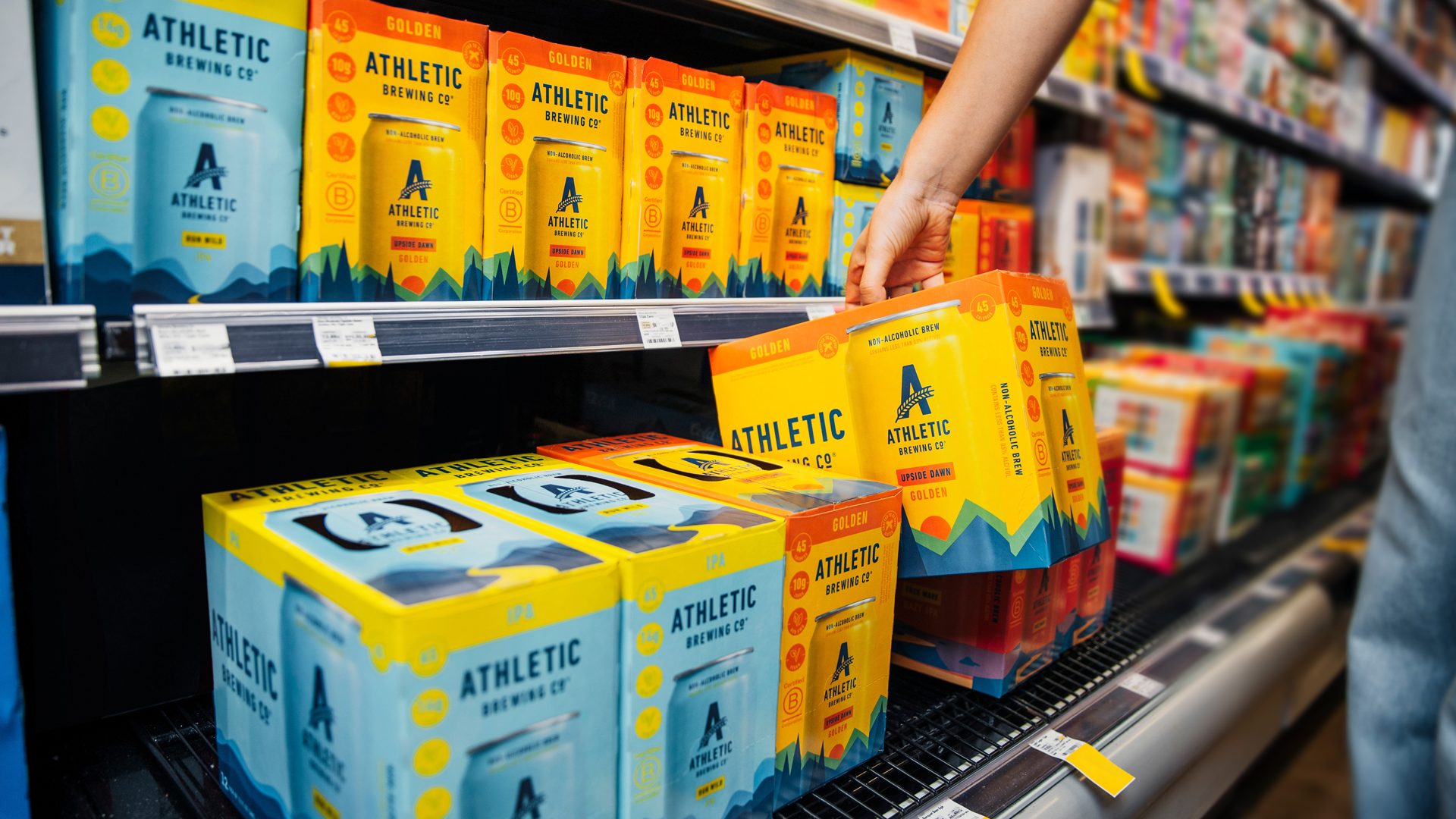
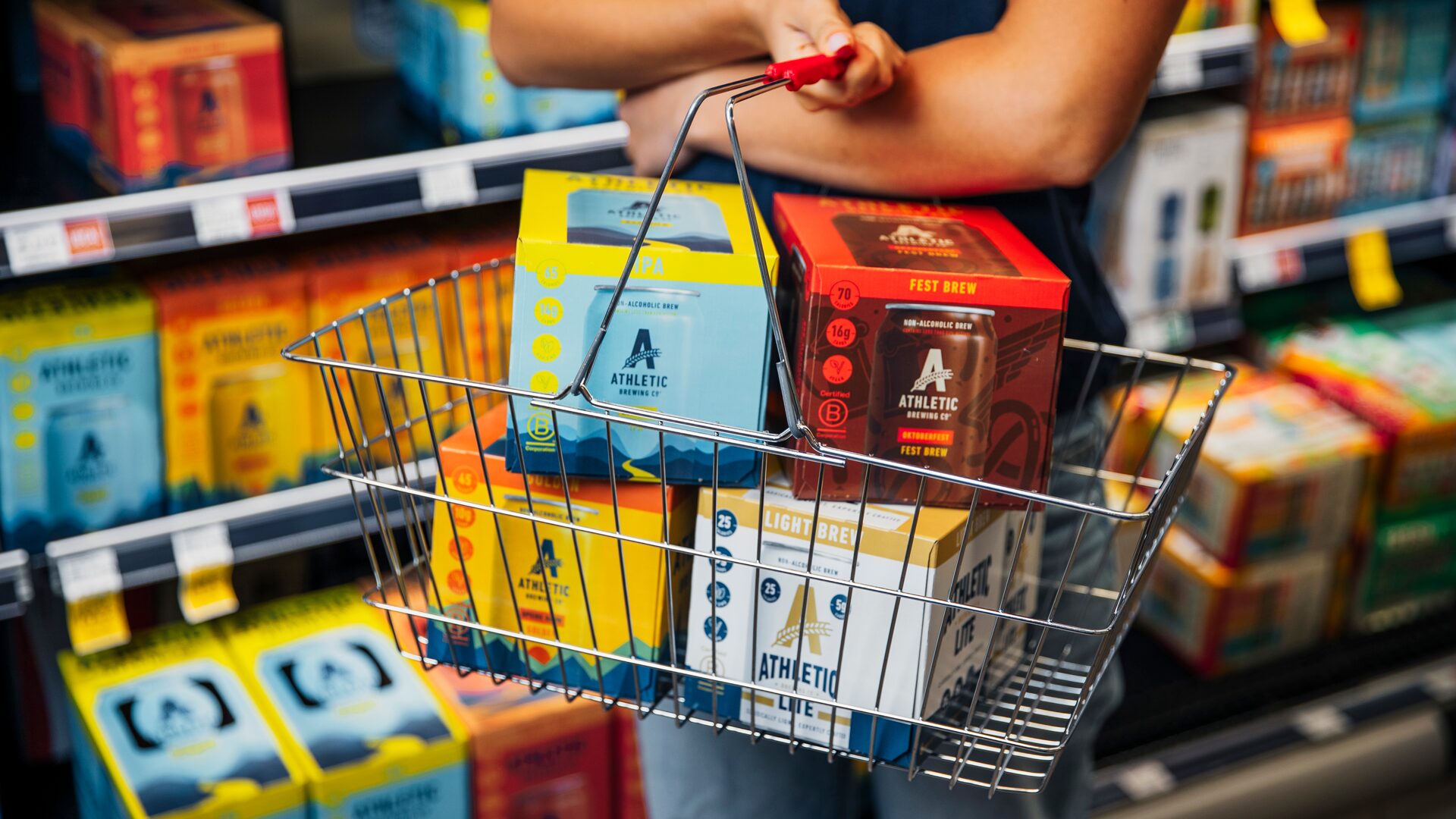
- NA beer (17%)
- Mocktails/NA spirits (17%)
- NA seltzer (15%)
- Kombucha (15%)
- Other (15%)
Interestingly, 15% of participants said they’re not replacing alcohol with anything.
However, NA beer, wine, and spirits still managed to achieve +22% sales growth YoY in 2025, according to NielsenIQ.
While beer (83.1%) and wine (11.2%) account for the bulk of the NA market share, spirits have held their own, with most of the growth driven by RTD mocktails from both beverage giants and emerging brands like MEDASE and Mockly.
So, what’s driving 2026 Dry January participation?
Motivations for Participation
This year’s top motivations include:
- Physical health (41%)
- Mental health (24%)
- Saving money (17%)
49% of Gen Z said reducing alcohol consumption will be an important component of improving their health this year in a survey by Datassential.
It’s also worth mentioning that participation for mental health-related reasons increased by two points from 2025.
While many participants plan to hop off the wagon at the end of the month, plenty of others are using the challenge as a test run for a long-term lifestyle change.
As interest and participation in Dry January have risen alongside greater awareness of the detrimental health effects of alcohol, curiosity about a completely alcohol-free lifestyle has also grown – 50% of drinkers told CivicScience they’re at least ‘somewhat’ curious about a sober lifestyle, up from 41% in 2024.
In addition, a notable 71% of 2026 participants say they’re at least somewhat curious about going 100% alcohol-free.
As for the moderation camp, NielsenIQ says that many of these consumers are embracing the lifestyle for reasons including “wellness, GLP-1 medications, cannabis use, and shifting cultural norms.”
Speaking of GLP-1s…
Medication-Assisted Treatment
While GLP-1 medications have been shown to reduce alcohol cravings and consumption as a side effect, they’re increasingly being prescribed off-label to treat alcohol-use disorders (AUD). And with a new Wegovy pill on the market, usage is only expected to grow.
Naltrexone is also being prescribed to individuals attempting to either moderate their intake or abstain from alcohol.
“Naltrexone has been FDA-approved to help treat alcohol cravings since 1994, and there’s a strong body of research showing it can help many people reduce cravings and heavy drinking patterns,” said Ian Andersen, co-founder and chief growth officer at Sunnyside, a mindful drinking app, which recently launched the “Journey to the Sunnyside” podcast as well.
“Less than 4% of people with an AUD are taking a medication that could help, even though these options have been around for decades,” Andersen told FI.
Andersen says this is what inspired the brand to launch Sunnyside Med, which offers access to doctor-prescribed naltrexone – without requiring insurance – alongside the app’s other features like coaching and community support.
“In the sober curious movement, naltrexone fits naturally. In most cases, it doesn’t require abstinence to start, isn’t addictive, and can be taken daily as part of a healthier lifestyle. Most Sunnyside Med customers still drink while taking naltrexone. Some are still figuring out what they want their end goal to be. Others know they want moderation, not full abstinence,” Andersen added.
Food for Thought Leadership
This Episode is Sponsored by: Koelnmesse
Snacking in the U.S. has been on the rise for many years, but is this a global phenomenon? Sabine Schommer, Director, ISM, and Guido Hentschke, Director, ProSweets Cologne and ISM Ingredients, explore European and global snacking trends, and how the trio of ISM, ISM Ingredients, and ProSweets Cologne serve as a meeting place for the global snacking industry.