From a high level, the tenure of James Quincey as CEO of Coca-Cola doesn’t look that impressive. Since he took the top spot in May 2017, Coca-Cola stock including dividends has returned 119%. That’s an annualized return of about 9.6%; solid but not spectacular. The Standard & Poor’s 500 index has gained nearly twice as much over the same period.
But in context, Quincey’s tenure, which the company recently announced will end with his move to the chairman role in March, simply has to be viewed as success. It’s not a black mark that a mature company like Coca-Cola has underperformed the index during a mostly roaring bull market. Investors do not and should not expect that outperformance; the flip side is that Coca-Cola is a much safer investment when markets struggle (as was the case in 2008-09). Returns in Coca-Cola under Quincey are notably better than those of rival Pepsi, and in soft drinks Coke clearly has taken share from its suddenly struggling rival.
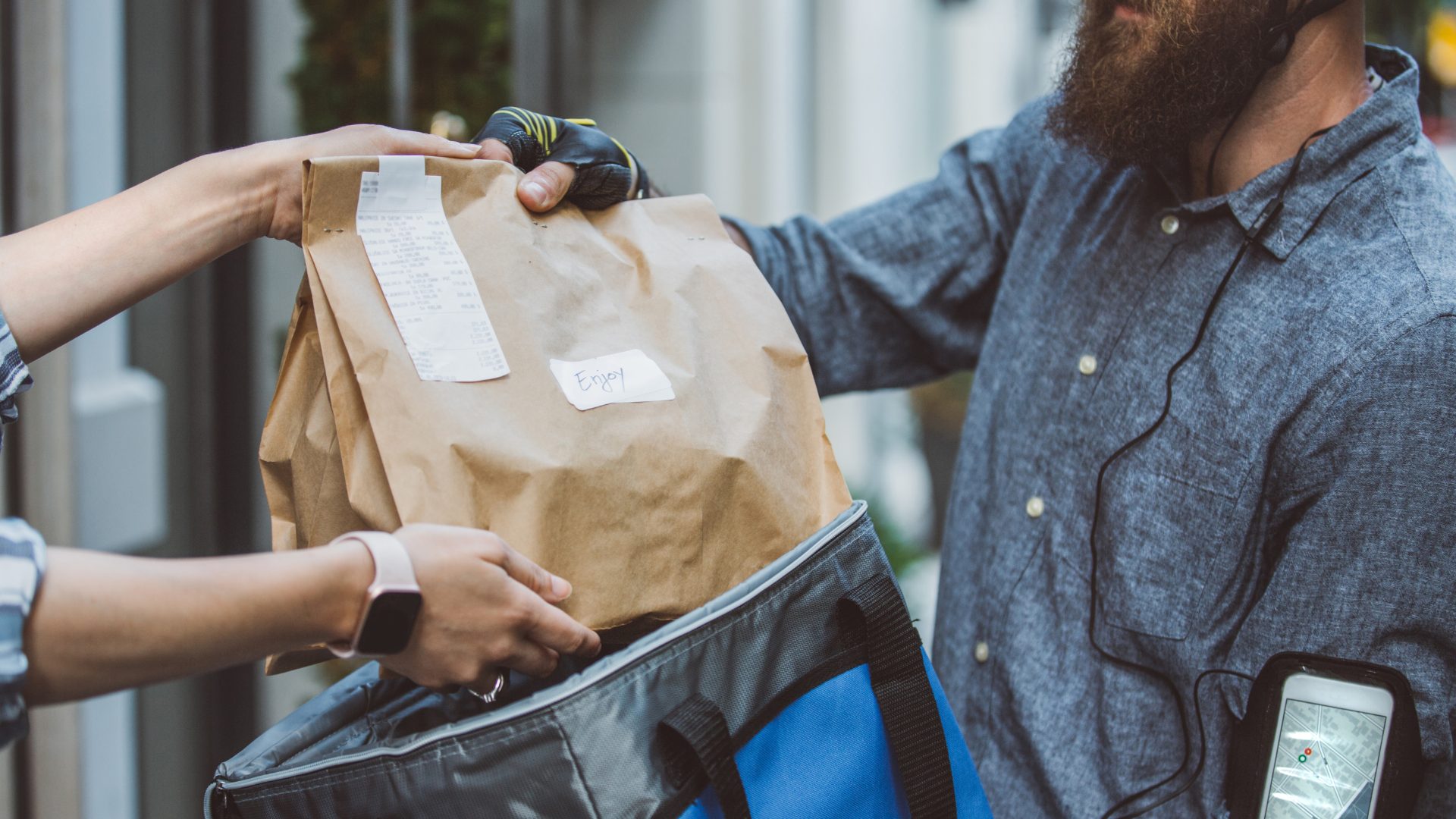
There’s also the fact that Quincey took over Coke at a potentially precarious point. A massive multiyear effort to divest the company’s bottling operations was wrapping up. As financial outlet Bloomberg noted in an interview with the CEO days after his ascension, younger consumers at the time were moving away from sugar consumption. The rise of online shopping created another threat; Quincey himself pointed out that soft drinks were often an impulse buy, and that the rise of food delivery meant the company needed to adapt.
The year before Quincey took over, soda taxes were passed in San Francisco and Chicago. Overall soft drink consumption was declining, with diet drinks under particular pressure. It was not hard to imagine a scenario in which Coca-Cola sales started to decline – for good. Yet Quincey has pushed smaller sizes, adapted his company to the online world, and maintained the Coca-Cola brand as one of the world’s most valuable.

Coke’s CEO Switch: Braun Steps into Pressure Cooker
To be sure, Quincey’s time at Coca-Cola hasn’t been perfect: the $5 billion acquisition of Costa Coffee in early 2019 hasn’t worked, as Quincey himself admitted on an earnings call in October. (Coke reportedly is considering a sale of the chain.) Deals for Mexican sparkling water company Topo Chico and dairy Fairlife seem stronger, but Coke also appears to have whiffed in energy drinks (though it retains a 20%-plus stake in Monster Beverage), while it’s playing catch up with a February launch of prebiotic soda Simply Pop.
On the whole, however, Quincey’s stewardship of the core legacy brands has been solid. Simply put, under his tenure Coca-Cola was an easy company to own, and that was far from guaranteed when he took over in 2017.
For now, the same is expected of his successor, Henrique Braun. Braun’s choice isn’t a surprise: he was promoted to COO at the beginning of the year, the same position in which Quincey spent a little over a year before moving to the CEO role. Braun’s experience is mostly on the international side of the business, an asset for a company that generates nearly 60% of its revenue from outside North America. Wall Street analysts seemed satisfied with the move, though Coke stock did decline modestly (a bit less than 2%).
Political Heat and Softening Soda Demand
But Braun will face his own set of challenges as well. The political environment is very different, with MAHA (Make America Healthy Again) targeting soft drinks.
President Trump even weighed in, this summer pushing Coca-Cola to switch from corn syrup to cane sugar. The company has obliged with a cane sugar version. As Bloomberg pointed out, the press release announcing the succession plan took the unusual step of pointing out that Braun is an American citizen who was born in California. (The company did not comment on why the release included that information.)
And the threats that faced Coke eight years ago still exist. Soda sales were solid in 2024, but the long-term trend in the U.S. remains negative. That secular pressure is augmented in the near term by a pressured consumer, particularly on the low end: case volumes in North America declined in the second quarter before a modest rebound over the following three months. And Coca-Cola stock has started to stall out: shares are up only about 5% from a May 2022 peak.
As was the case eight years ago, Coca-Cola faces an uncertain environment. Quincey did an admirable job guiding the company through those challenges; we’ll now find out if Braun can do the same.
About the author: Vince Martin is an analyst and author whose work has appeared on multiple financial industry websites for more than a decade; he’s currently the lead writer for Wall Street & Main. He has no positions in any securities mentioned.
Food for Thought Leadership
In this episode of Food for Thought Leadership, Food Institute VP of content and client relationships Chris Campbell sits down with Barry Thomas, senior thought leader at Kantar, to unpack the rapid rise of agentic AI — a new class of AI systems that don’t just generate information but take action on behalf of the user.