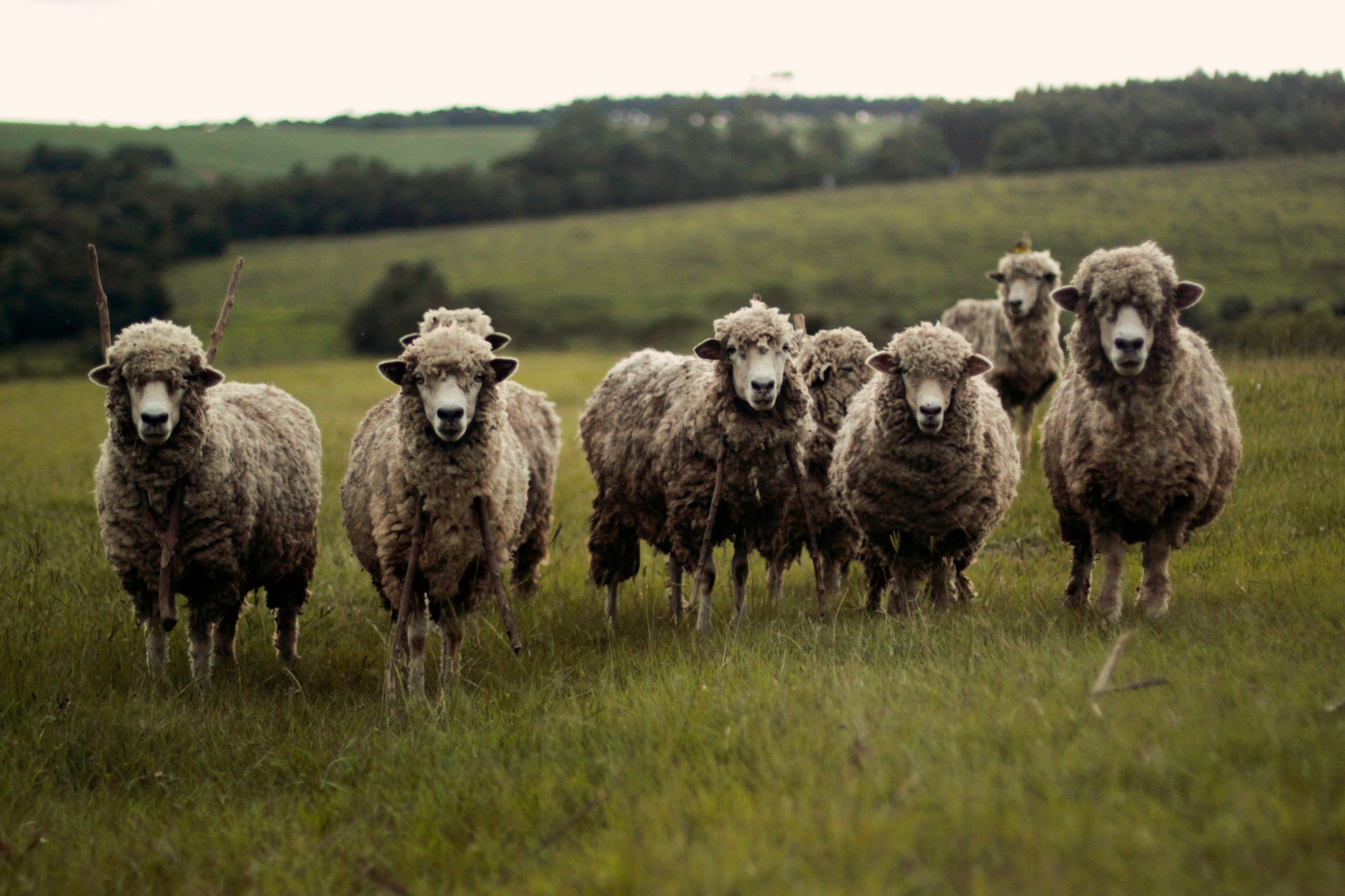
An outbreak of sheep and goat pox in Greece has snowballed into one of the most significant threats to the feta supply chain in decades – and its impact would go far beyond the Aegean.
As of mid-November, more than 417,000 animals (or about 5% of the national herd) have been culled after 1,702 cases were confirmed within the nation, as reported on by BBC News, and per E.U. rules, farmers are required to cull an entire herd once a single positive case has been detected.
This massive loss of milk-producing animals has already had a ripple effect on the Greek dairy industry, as well as global markets.
Roughly 80% of the sheep and goat milk produced within the nation is used to make feta, a cheese that’s exported at roughly $914 million annually and covered under the European Union’s Protected Designation of Origin (PDO) rules.
Feta cheese is such a vital part of the Greek economy that it’s often referred to as “white gold.”
So, how will these developments affect the global F&B industry?
“Due to the mass killing of these animals, we should expect to see higher wholesale and retail prices, especially in specialty food markets, greater volatility in export flows as Greek producers triage limited supply between domestic demand and core export partners, and spot shortages for foodservice buyers who rely on large, consistent volumes,” said Dr. Crystal Heath, a Los Angeles-based veterinarian and the executive director of Our Honor, a nonprofit that provides independent analysis and policy expertise on animal health, food security, and biosecurity.

PDO: A Double-Edged Sword
Per the European PDO rules, feta cheese can only be produced in specific regions of Greece – and only with the milk of sheep and goats that were also raised there.
Such measures were put in place to protect Greek sheep and goat farmers from outside competition, at the same time, they have also confined the entire category in a single environment, which clearly has its downsides any time anything goes awry.
“Under E.U. PDO rules, production is geographically concentrated within a narrow ecological zone, and processors cannot legally diversify outside these regions,” Dr. Heath told FI. “This removes the flexibility that globalized dairy markets otherwise rely on. Thus, the system has an inherent structural fragility.”
And climate pressures have further exacerbated this fragility, as the average temperatures across much of Greece are expected to increase by 1.2°C to 1.6°C by mid-century, according to regional climate-modeling studies.
This projected rise in temps would place Greek sheep and goats at serious risk, as extreme heat has been known to reduce feed intake and suppress milk yields, altering the vegetation profiles of feta’s home turf in the process – plus, pasture loss, drought, and desertification have already fueled operational declines as it is.
Impacts on the Global Market
Due to the ongoing sheep and goat pox outbreak, foodservice buyers and retailers across the world may face tight allocation soon – especially in the U.S., as it imports most of its feta from Greece, Turkey, and Spain.
This would require importers to turn to feta substitutes like Balkan-style cheeses, Mediterranean crumbles, or non-PDO feta analogues.
Dr. Heath also expects that there will be a push toward animal-free alternatives, as innovations in precision fermentation and dairy-free protein engineering have actually made this both commercially and technologically possible.
The veterinarian added that intensive dairy production carries its own risks, while noting that “high-density livestock operations can serve as an opportune environment for spillover” and pointing to lessons learned from outbreaks of avian influenza and swine fever.
“Under current climate stresses, disease outbreaks, and financial incentives, small-scale ruminant dairy production will likely decline,” Dr. Heath advised.
For now, Greek feta producers are prioritizing disease control, while international buyers are preparing for volatility.
And if the outbreak persists, 2026 could go down in history as the first true global feta shortage – a serious wake-up call for a PDO-restricted category that’s already grappling with enough economic and environmental turmoil as it is.
Food for Thought Leadership
In this episode of Food for Thought Leadership, Food Institute VP of content and client relationships Chris Campbell sits down with Barry Thomas, senior thought leader at Kantar, to unpack the rapid rise of agentic AI — a new class of AI systems that don’t just generate information but take action on behalf of the user.