Move over, Starbucks, insurgent brands are taking over the beverage aisle.
The ready-to-drink (RTD) coffee market size is projected to reach nearly $26.2 billion in 2026, growing at a CAGR of 5.5% through 2031.
Although dominated by legacy players, accelerated interest in beverages and specialty coffee has meant emerging and regional brands are investing in their grocery retail presence. Additionally, convenience and on-the-go products are faring particularly well in today’s market.
Just last year, specialty coffee consumption hit a 14-year high, with 43% of Americans enjoying an espresso-based beverage (e.g., cappuccino, latte), and an additional 28% having a non-espresso-based drink (e.g., cold brew, premium brewed coffee) in the past week.
Moreover, 35% of specialty drinkers prefer to have their coffee prepared out-of-home, paving the way for grab-and-go convenience opportunities that RTD is well-suited to deliver.
Most recently, 7-Brew brought its regional café battle to the grocery space with the launch of ready-to-drink (RTD) flavored coffee in Walmart. Three versions are debuting: Brunette Brownie, Blondie, and Banana Bread, offering pure competition plays with its Chocolate and Vanilla + Caramel flavors, and an innovative spin through its Banana + Hazelnut combo.
This is the latest example of café brands bringing their creations to retail, with the other clear legacy examples being Dunkin’ and Costa Coffee. However, the growing need for specialty coffee has meant younger entrants, such as La Colombe and NYC-based Coffee Project NY, have had the opportunity to find a much larger market for their businesses.

The Growing Market
In the refrigerated case, the site of premium grab-and-go beverages, coffee increased its store count by 4.7% across the U.S., while dollar sales were fairly steady, according to recent data from Circana.
A closer look at the subcategory, however, reveals interesting macroscopic movements.
Cold brew dollar sales grew 9.5% year-over-year in the 52 weeks ending Feb. 22 across all retail and convenience channels. In the RTD shelf-stable coffee space, these offerings grew by an astonishing 18.5%.
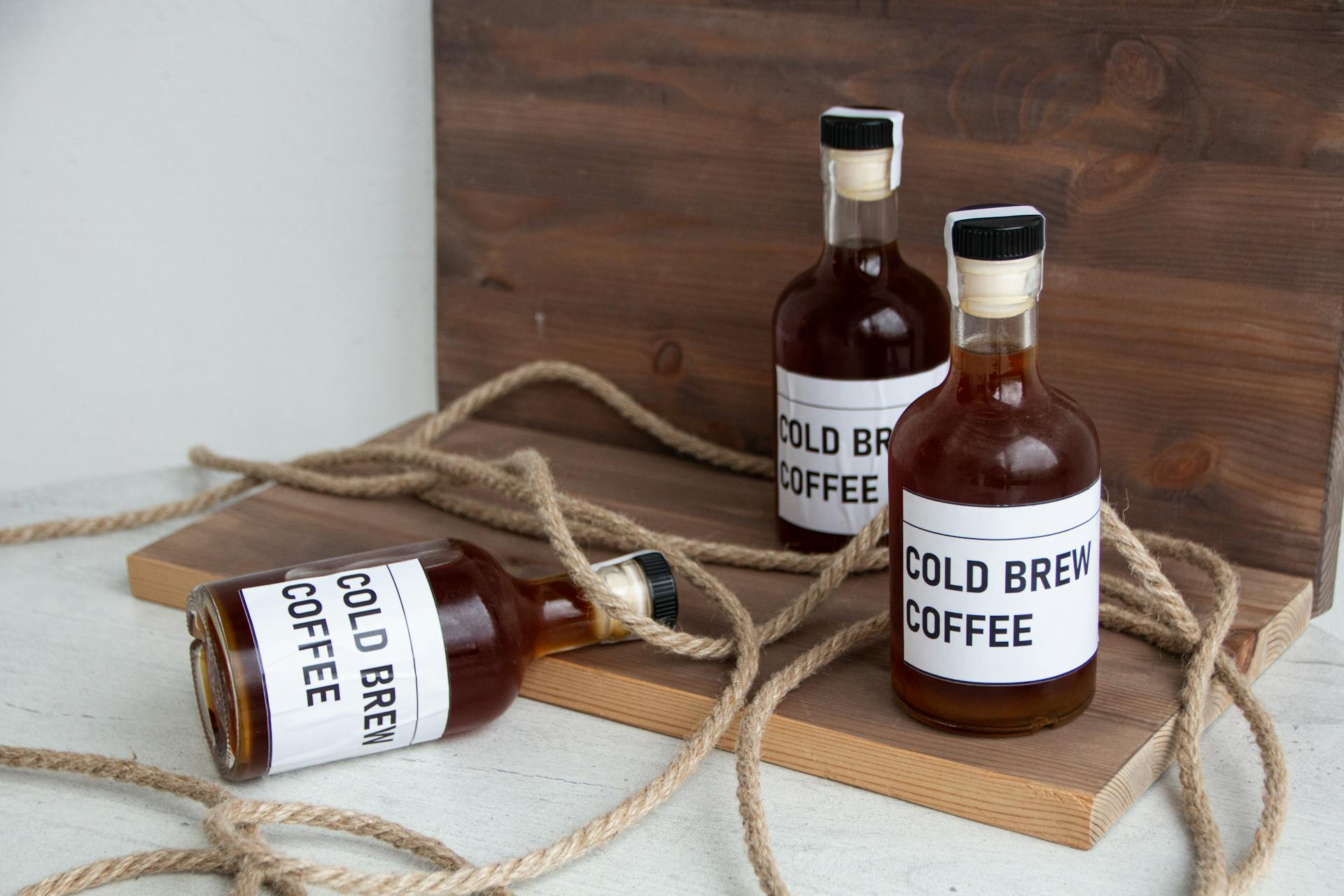
The growth in cold brew is likely due to bulk formats from brands such as Café Bustelo and Stok, which offer convenient RTD beverage solutions at a cheaper price point than café purchases.
Meanwhile, RTD canned cappuccino and iced coffee sales were down slightly (0.9%) over the period. While four of the top five leaders by dollar share are losing their margin, specialty and emerging brands are responsible for driving the growth, with many brands achieving double-digit growth.
In general, the market is trending towards excitement. Specialty cold beverages, cold brew, and unique flavors are leading the growing category.
Considering the single market driver is consumers’ mounting interest in personal health and wellness, it makes sense that RTD coffee can cash out.
Coffee can be positioned as a “permissible indulgence” and a natural product. This is a win for the 87% of health-focused nutrition label readers who are more likely to be satisfied by familiar-sounding ingredients and sensible nutrition facts.
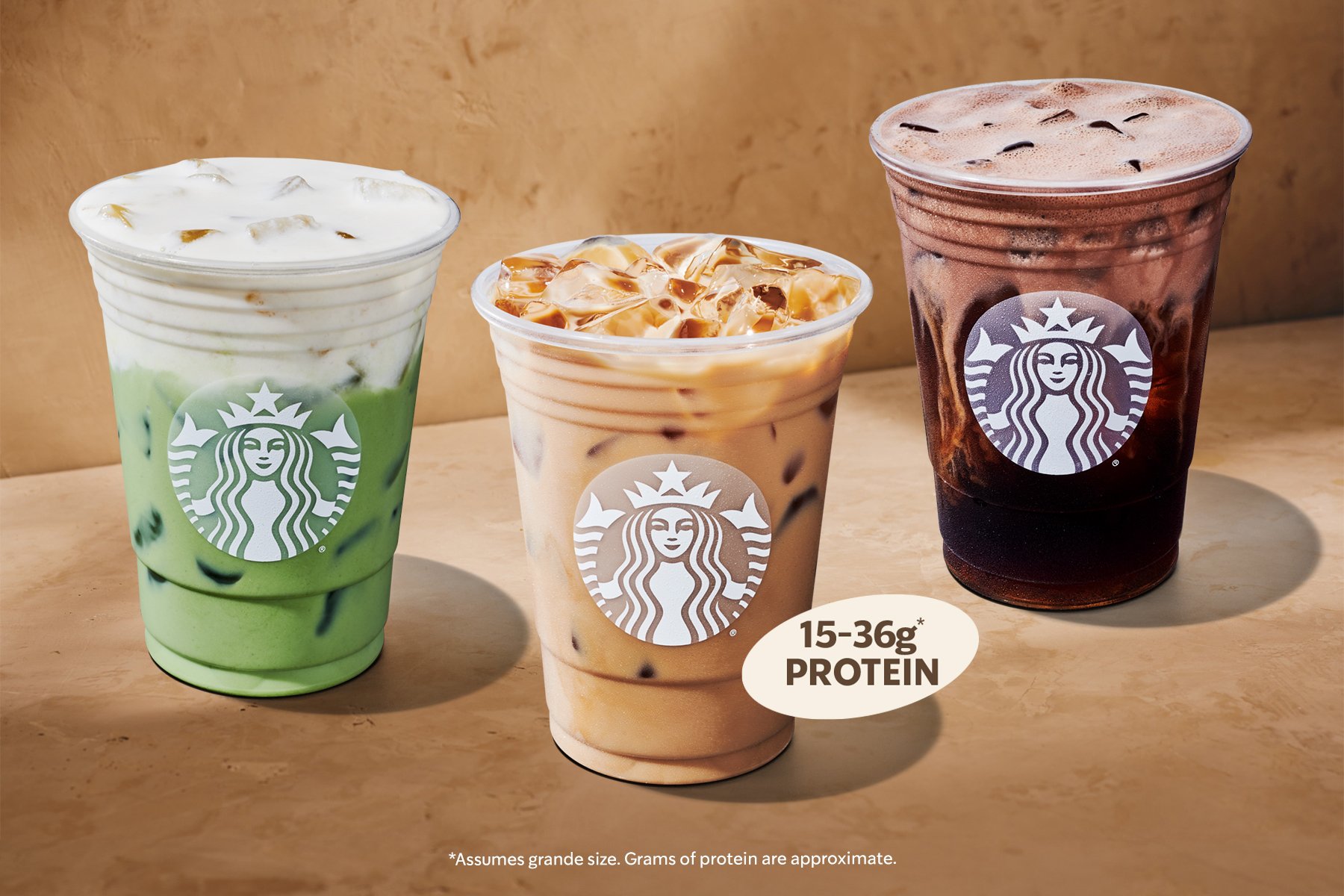
The next era of RTD coffee growth will likely involve maintaining its relative health value proposition. Bold brands may capitalize on the “proffee” (protein-infused coffee) movement to develop products with functional benefits in addition to caffeine.
The Food Institute Podcast
Chris Campbell sits down with Sharon Aho, Senior Managing Director at Korn Ferry, to discuss how food and beverage companies can navigate labor challenges, transformation initiatives, supply chain disruption, M&A activity, and the growing pressure to balance cost efficiency with talent excellence.