Obviously, we know that GLP-1 medications like Ozempic or Wegovy reduce the appetite of those who take them, leading them to consume less food. However, it appears that the weight-loss drugs may also alter the taste of said food.
The GLP-1 phenomenon is still in its nascent stages, as is the science regarding the effects of the medications; however, early anecdotal evidence suggests that this theory may have some validity to it.
Many individuals have reported that, after starting a GLP-1 medication, sweet items have begun to taste sweeter and salty items are tasting saltier than ever, while other users claim that their food now tastes blander than it used to.
With 12% of Americans using GLP-1s – a figure that’s only expected to grow as the medications become more available and affordable – the food and beverage industry has begun to feel the impact, which is hitting some categories harder than others.
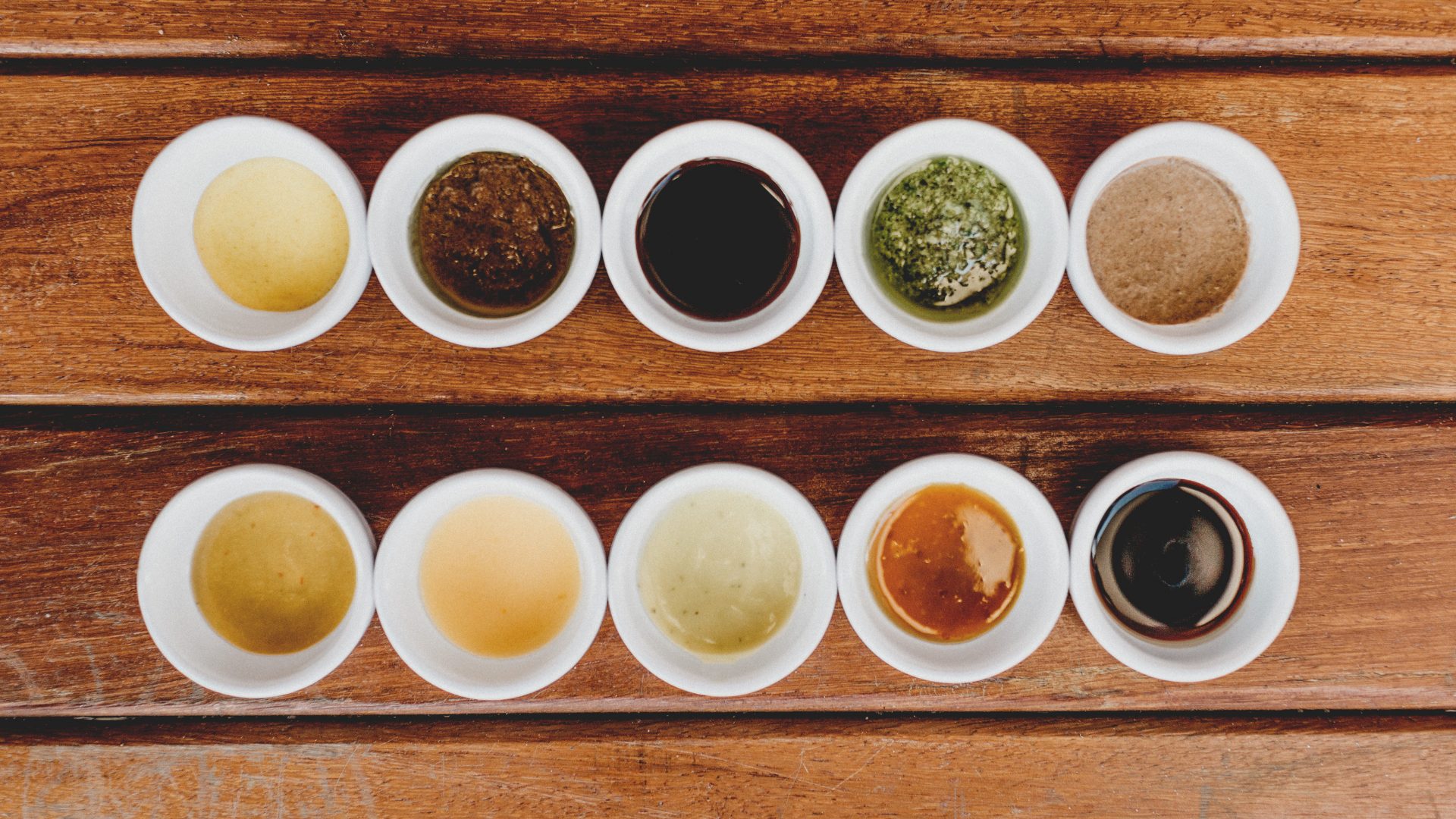
Though QSR concepts and CPG brands are expected to lose billions of dollars in revenue due to increased GLP-1 adoption, as Reuters reported, makers of tangy, sweet, and/or spicy sauces appear to be benefiting from the trend – and recent M&A activity within the segment corroborates this assertion.
Both Bachan’s, a Japanese barbecue sauce brand, and Tapatío, a popular hot sauce, were sold earlier this year in two competitive auctions that reportedly attracted several bidders, and the valuations associated with the transactions were considerably higher than average, according to sources familiar with the matter.

Spicing Things Up
Beyond sauces, The McCormick Company is also making a bold bet on flavor of its own, as reported by The Wall Street Journal.
Thirteen-plus decades after its founding, all it takes is a single stroll down the spices and seasonings aisle to see that the company reigns supreme within this segment.
And its recent merger with Unilever’s food business, the parent company of the mayonnaise giant Hellman’s, is expected to further increase its presence within the condiment segment as well.
“While others compete for calories, we flavor them,” said McCormick CEO Brendan Foley in an interview – and Keith Castro, food and beverage VP at Thirsty Lion, believes this quote captures where the industry is heading, based on his own observations.
“We’re seeing it play out in real time. Guests are not necessarily eating more, but they are becoming more selective and more intentional about what they choose. Flavor is the differentiator. From a restaurant perspective, that means everything on the plate has to deliver,” Castro told FI.
“For a company like McCormick, leaning into flavor rather than finished food is a smart long-term position. It keeps them relevant across multiple channels without being tied to a single category,” the culinary expert added, while noting that given McCormick’s size, this endeavor is more about maintaining cultural relevance than building brand awareness.
“Flavor trends give consumers a reason to try something new and give operators ideas to evolve menus. We see that same dynamic in restaurants. Guests want familiarity, but they also want discovery,” Castro explained.
The Food Institute Podcast
This episode features Julie Chapon, CEO and co-founder of Yuka, the fast-growing app that helps consumers better understand the health impact of food and cosmetic products. Chapon shares the origin story of Yuka, which began as a personal mission to decode confusing food labels and has since expanded into a global platform with over 80 million users.