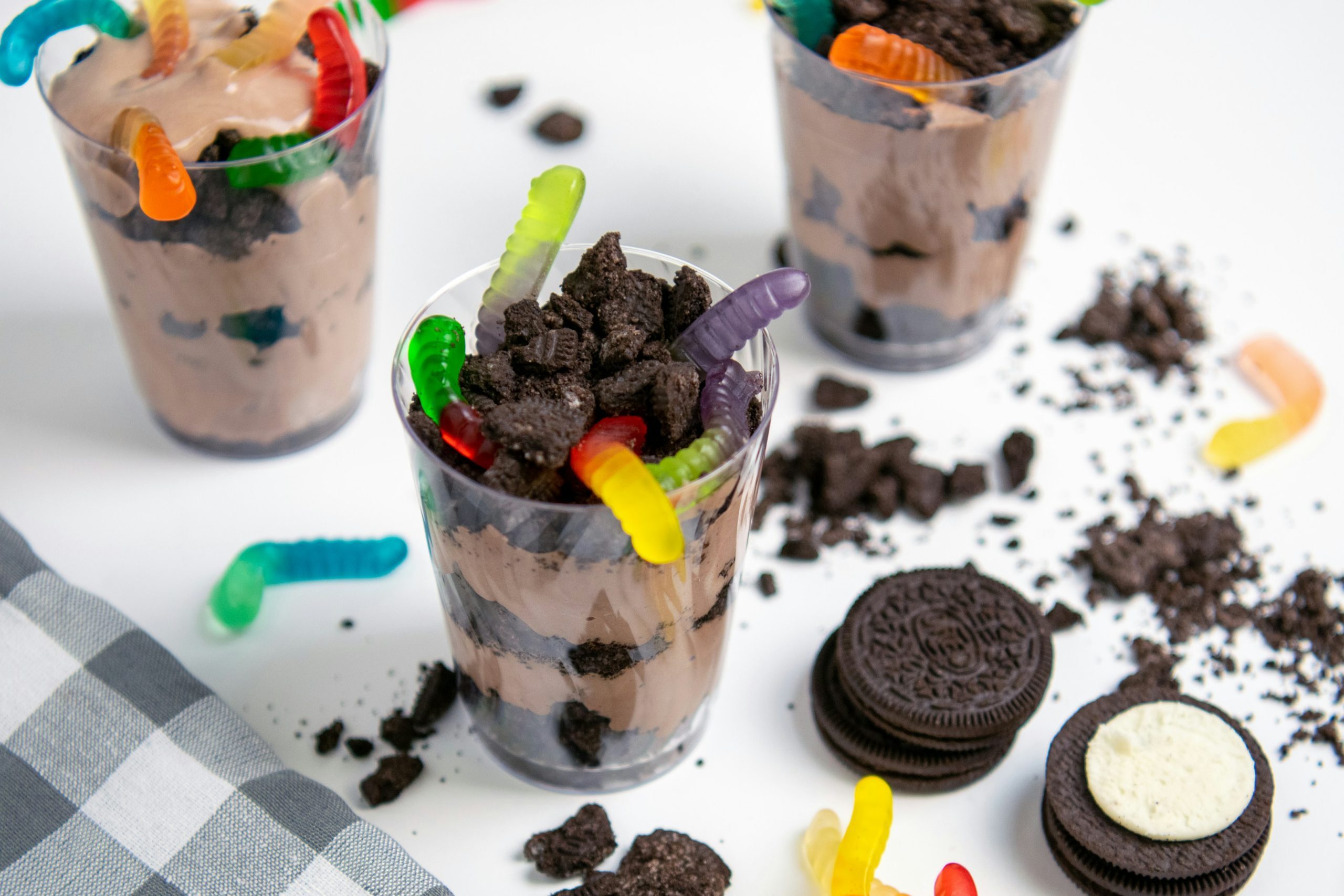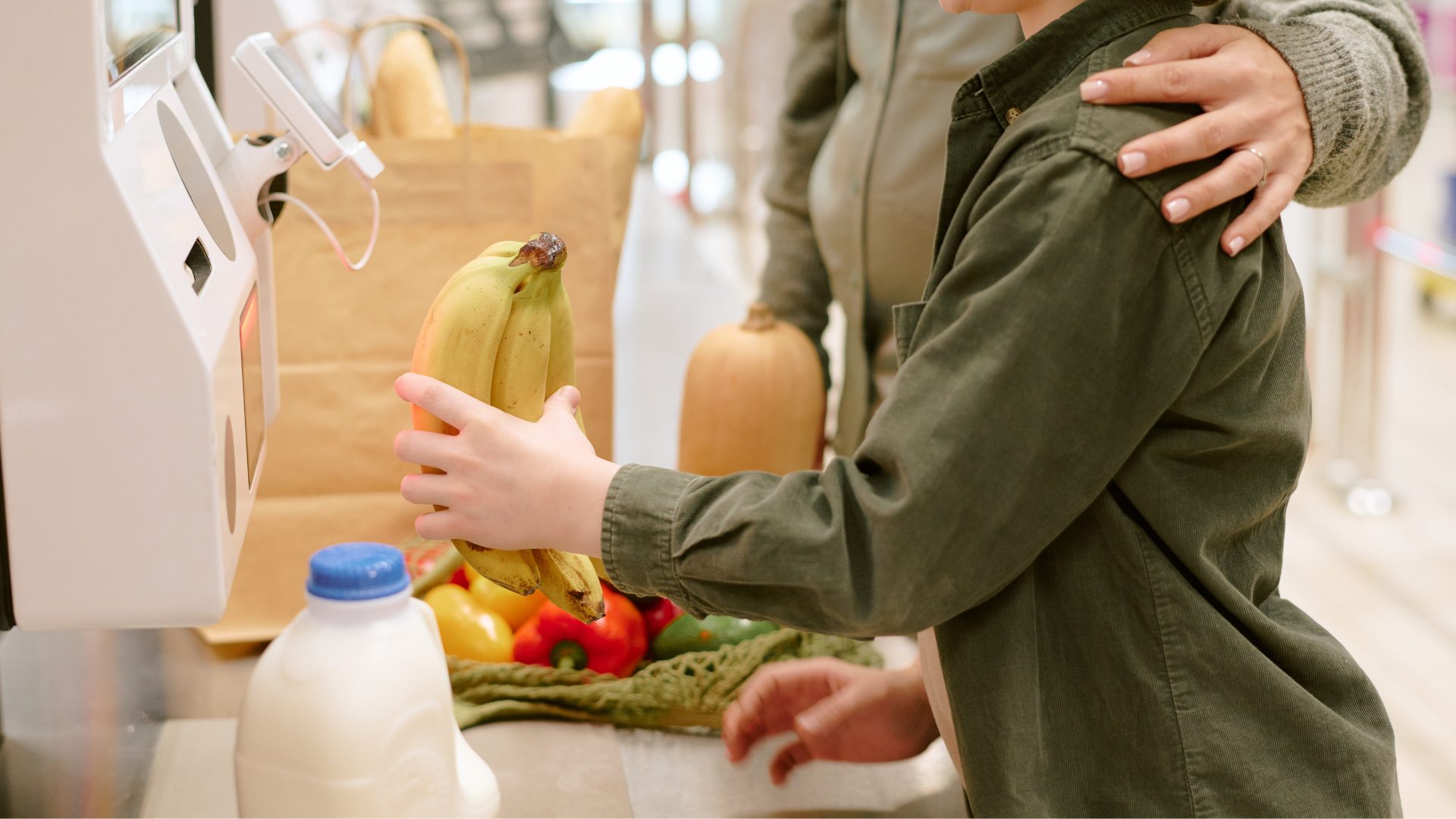
Retail is off to a better-than-expected start, with CPG sales up 2% year-over-year (YoY) in the first 10 weeks of 2026, per Circana data. Retail therapy is likely a major contributing factor, as consumers prioritize “feel-good” purchases.
Data insights reflect a cultural shift toward small, mood-boosting purchases amidst economic uncertainty. Gradually, larger portions of food budgets are going to small indulgences that pack an emotional punch.
“Consumers are spending on products that extend beyond the core needs and are increasingly grounded in lifestyle passions – the kind of passion that sparks growth at retail,” said Circana chief retail industry advisor, Marshall Cohen, in a statement.
As consumers look for daily treats that emotionally resonate, aspirational lifestyle products that promote physical and psychological well-being are gaining ground. This may include the “casual athlete” who snacks on premium protein, hydration, and functional snacks, or the better-for-you sparkling water whose brand is all about fun (looking at you, Liquid Death).
These reasons are becoming compelling need-states for the financially stressed shopper.
As such, wellness, functional beverages, flavor innovation, and nostalgia emerge as clear growth levers for these shoppers because of their emotional resonance.
Cohen added that brands playing in these categories must make their aspirational value proposition crystal clear to ensure they reap the benefits of this cultural reset.
“Marketers must tap into both the practical and emotional sides of today’s consumer, addressing their lifestyle needs and creating a hunger for something more.”
Balancing Wellness and ‘Little Treat’ Culture
A premium specialty snack or a decadent “permissible indulgence” is helping consumers create moments for themselves at an accessible price point.
Consumer insights data has been telling this story for the past year: 77% of consumers agree that snacking is one of the few indulgences in the modern world, and 81% use snacks to find quiet moments for themselves (up 9% from YA), according to Mondelēz data. Transaction data supports this consumer shift.
Ian O’Neil, director of consumer intelligence at Rubix Foods, told The Food Institute that beverages represent a top vertical where consumers seek out experiential snacks. Innovation in the space creates opportunities for excitement, both in foodservice and in the grocery aisle.
“These serve as affordable ‘snack-tivities’ or small moments of escape for consumers,” O’Neil said.
In retail, a globally inspired Sanzo Lychee sparkling water or a decadent 7-Brew Banana Bread coffee can offer consumers these delights.
From a data perspective, refrigerated cold brew dollar sales, for example, are up 9.5%, per Circana, while the entire refrigerated drinks category grew 4.1%. Plus, the double-digit YoY growth of sugar management claims on snacks indicate consumers are checking labels before snacking.
Nevertheless, pure indulgence remains central, as purchases give consumers a dopamine hit at attractive price multiples compared to dining out – an artisanal gelato in the freezer section is much cheaper than a trip to the local gelateria.
Plus, roughly three-fourths of consumers still contend they prioritize enjoyment of a snack over its ingredients, according to Mondelez, however, FI analysis suggests health is challenging that dynamic.
Additional categories benefiting from self-prescribed retail therapy include:
- Frozen novelties, with dollar sales are up 4.5% (YoY) in the 52 weeks ended March 22
- Chocolate candy, up 9.7%
- Non-chocolate candy, up 6.4%, according to Circana
Even while consumers remain price conscious and health-focused, they are still willing to spend on products that deliver moments of bliss – especially when the price tag is relatively small.
The Food Institute Podcast
Chris Campbell sits down with Sharon Aho, Senior Managing Director at Korn Ferry, to discuss how food and beverage companies can navigate labor challenges, transformation initiatives, supply chain disruption, M&A activity, and the growing pressure to balance cost efficiency with talent excellence.